Trees
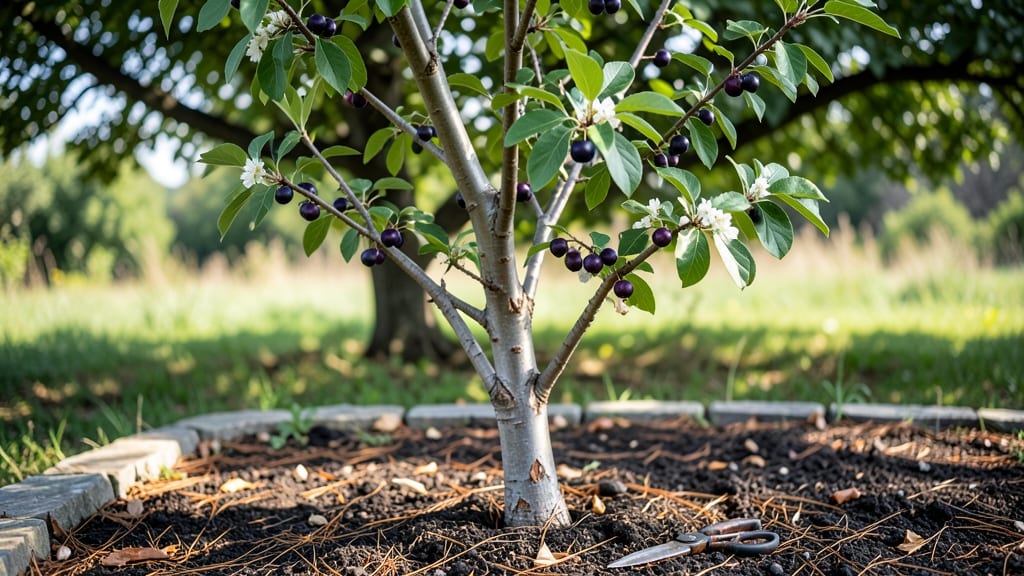
Serviceberry trees (Amelanchier) are the Pacific Northwest’s secret weapon for pollinators and year-round beauty. 🌿 I’ve watched mine transform from bare branches in winter to a spring canopy of white blossoms, summer shade, and fall berries that birds adore.
This tree thrives where many fail—drought, poor soil, and even urban pollution can’t stop it.
Plant it in full sun to partial shade, where it handles rocky or sandy soil better than most natives. The key is well-draining soil—serviceberries hate soggy roots—and a spot where it can grow 15–25 feet wide without competition.
Once established, it’s nearly maintenance-free, making it perfect for busy gardeners or wild landscapes.
By summer, you’ll harvest sweet, tart berries perfect for jams or fresh snacking, while bees and butterflies flock to its flowers. The tree’s layered branches create stunning fall color, and its bark adds winter interest. With proper care, it lives for decades, becoming a true ecosystem anchor.
Whether you’re restoring a wildlife garden or adding a low-maintenance shade tree, serviceberries deliver four seasons of value. Let’s get yours planted right—here’s how to start strong.
📚 In This Guide
- What you need
- Instructions
- Tips and common mistakes
- Wrapping up and next steps
What you need
- ● Service berries tree (Amelanchier alnifolia): 1–3 bare-root or container-grown saplings (standard size: 2–3 feet tall)
- ● Choose a native variety adapted to your region (e.g., ‘Regent’ or ‘Smoky’ cultivars for cold hardiness)
- ● Planting site: Full sun to partial shade (minimum 6 hours of sunlight daily)
- ● Well-draining soil (amend with compost if your soil is heavy or clay-like)
- ● Space: 10–15 feet between trees (or 15–20 feet for larger varieties)
- ● Soil amendments (if needed): 5–10 lbs of compost or aged manure per planting hole
- ○ 1 cup of bone meal (optional, for phosphorus boost)
- ● Tools: Shovel or trowel (for digging)
- ● Garden gloves (to protect your hands)
- ● Watering can or hose (with a gentle spray nozzle)
- ● Mulch (2–3 inches of wood chips, pine straw, or shredded bark)
- ● Tree stake and soft tie (for young trees in windy areas)
- ● Slow-release fertilizer (10-10-10 or organic option)
- ● Pruning shears (for shaping or removing dead branches)
- ● Drip irrigation kit (to keep roots consistently moist)
- ● Bird netting (if you want to protect early fruit from wildlife)
How to plant and care for a service berries tree in the Pacific Northwest
This resilient native tree thrives with minimal fuss once you follow these key planting and maintenance steps.
🪴 Step 1: Choose the Perfect Planting Site
Service berries (Amelanchier alnifolia) love full sun to partial shade, making them ideal for your Pacific Northwest yard. Pick a spot with at least 6 hours of direct sunlight daily, though they tolerate light shade in hotter inland areas. Avoid low spots where cold air settles—they need good drainage to prevent root rot.
Test the soil by digging a 12-inch hole. If it feels compacted or stays wet for more than 24 hours after rain, amend with 2-3 inches of compost mixed into the native soil. The tree’s roots will thank you for the extra aeration, especially in heavy clay soils common in the PNW.
🌱 Step 2: Plant at the Right Time and Depth
Fall is the best time to plant—October to early November—when soil is still warm but air temperatures drop. If you must plant in spring, do it 4-6 weeks before the last frost to allow roots to establish before summer heat. Dig a hole twice as wide as the root ball but no deeper—service berries hate having their roots buried too deeply.
Remove the tree from its container and loosen any circling roots with your fingers. Place it in the hole so the top of the root ball sits level with the surrounding soil. Backfill with native soil mixed with 1 inch of compost, tamping gently to remove air pockets. Water deeply until the soil 1 inch below the surface feels moist—this settles everything in place.
☀️ Step 3: Water and Mulch for First-Year Success
Water once a week for the first month, then taper to every 2 weeks unless you’re in a drought. Service berries are drought-tolerant once established, but young trees need consistent moisture. Check by sticking your finger 2 inches into the soil—if it’s dry, water until it’s evenly moist 6 inches down.
Spread 3 inches of wood chips or shredded bark mulch in a 3-foot diameter circle around the tree, keeping it 6 inches away from the trunk. This conserves moisture, suppresses weeds, and regulates soil temperature. Replenish mulch annually—it breaks down faster than you’d expect in the PNW’s damp climate.
✂️ Step 4: Prune for Shape and Health
Prune in late winter or early spring before new growth starts. Remove dead, diseased, or crossing branches first—these compete with the tree’s energy. Then, thin out 20-30% of the canopy to improve airflow, which reduces fungal diseases common in the region’s humid summers.
Service berries naturally form a rounded shape, so avoid heavy pruning. Instead, focus on light shaping to open the center. Use clean, sharp pruners to make cuts just outside the branch collar. Seal larger wounds with pruning sealant if they’re over ½ inch in diameter—PNW’s wet winters can turn open wounds into entry points for pathogens.
Tips & tricks for perfect service berries tree planting
Between us, these tricks will help your service berries thrive from day one—especially in the PNW's tricky climate.
Sunlight Strategy: While the instructions call for 6 hours of direct sunlight, I've found that service berries actually reward you with more abundant fruit when they get 7-8 hours, especially in coastal areas. Watch your tree's leaves—if they're pale or sparse, it's getting too little light. The PNW's frequent cloud cover means you might need to adjust your planting spot if your yard gets heavy shade from evergreens.
Soil Test Tip: That 12-inch hole you're digging? Take a soil sample from the bottom of it and send it to your local extension office for a pH test. Service berries prefer slightly acidic soil (pH 5.5-6.5). If your test shows higher pH, mix in 2-3 pounds of sulfur per 100 square feet when backfilling—this is especially important in our volcanic soils where pH can creep up. The compost amendment in Step 1 helps, but it's not enough if your soil is alkaline.
Planting Season Insight: The fall window of October to early November is ideal, but I've had great success planting in late winter (February) if spring planting isn't possible. The key is getting roots established before the first major heatwave. If you plant in spring, do it as soon as the ground is workable—don't wait until the last frost date, as service berries establish faster in cooler spring soil.
Watering Watch: After that initial deep watering, check soil moisture every 3-4 days during the first month. The PNW's frequent drizzle can fool you—your finger test at 2 inches down is more reliable than rain gauges. If you notice leaves curling slightly during the day but recovering at night, that's your tree's way of saying "I need more water." This is especially true in inland areas like the Columbia Basin where summer droughts sneak up.
Pro Tips for Service Berries Tree
- Between us, these tricks will help your service berries thrive from day one—especially in the PNW's tricky climate.
- Sunlight Strategy: While the instructions call for 6 hours of direct sunlight, I've found that service berries actual...
- Soil Test Tip: That 12-inch hole you're digging? Take a soil sample from the bottom of it and send it to your local e...
Frequently asked questions
Got questions about the service berries tree? You're not alone! Here are some of the most common queries from gardeners and nature lovers in the Pacific Northwest:
What’s the best time of year to plant a service berries tree?
Plant your service berries tree in early spring (March–April) or fall (September–October). These windows give roots time to establish before extreme heat or frost. Avoid planting during summer droughts—consistent moisture is key for young trees!
Are service berries toxic to bees or other pollinators?
Not at all! Service berries (Amelanchier alnifolia) are a pollinator magnet. Bees, butterflies, and birds adore their early spring blooms and berries. Just avoid pesticides—they’re more harmful to these helpful critters than the tree itself.
How cold-hardy is this tree, and can it survive PNW winters?
Service berries thrive in the PNW, handling USDA Zones 3–9 with ease. They’re extremely cold-tolerant (down to -40°F!) and drought-resistant once established. Just mulch well in winter to protect shallow roots.
Can I eat the berries, and how do I harvest them?
Yes! Ripe berries (July–August) are sweet-tart and perfect for jams, pies, or fresh snacking. Harvest when fully colored and slightly soft—wear gloves to avoid stains. Birds may beat you to them, so pick early morning.
What’s the fastest way to grow a service berries tree from seed?
Seeds need stratification (cold treatment) for 60–90 days. Mix seeds with moist sand, refrigerate, then plant in spring. For quicker results, buy a 1–2 year old sapling—they fruit faster!
Are there any pests or diseases I should watch for?
Service berries are low-maintenance, but keep an eye out for:
- Leaf spot (fungus): Prune affected leaves and improve airflow.
- Aphids: Spray with water or introduce ladybugs.
- Canker (rare): Remove infected branches promptly.
Wrapping up and next steps
The serviceberry tree is a true gem of the Pacific Northwest, offering year-round beauty, wildlife support, and resilient growth—all with minimal fuss. Whether you're drawn to its edible berries, spring blooms, or pollinator-friendly habits, this tree is a win for gardens and ecosystems alike. 🌿
Ready to plant one? Start by choosing the right variety for your climate, prepping your soil, and giving it space to thrive. With a little care, you’ll enjoy its rewards for decades—and maybe even inspire your neighbors to join the berry-loving movement!
Next step: Pick your spot and dig in! 🌱