
Container Gardens
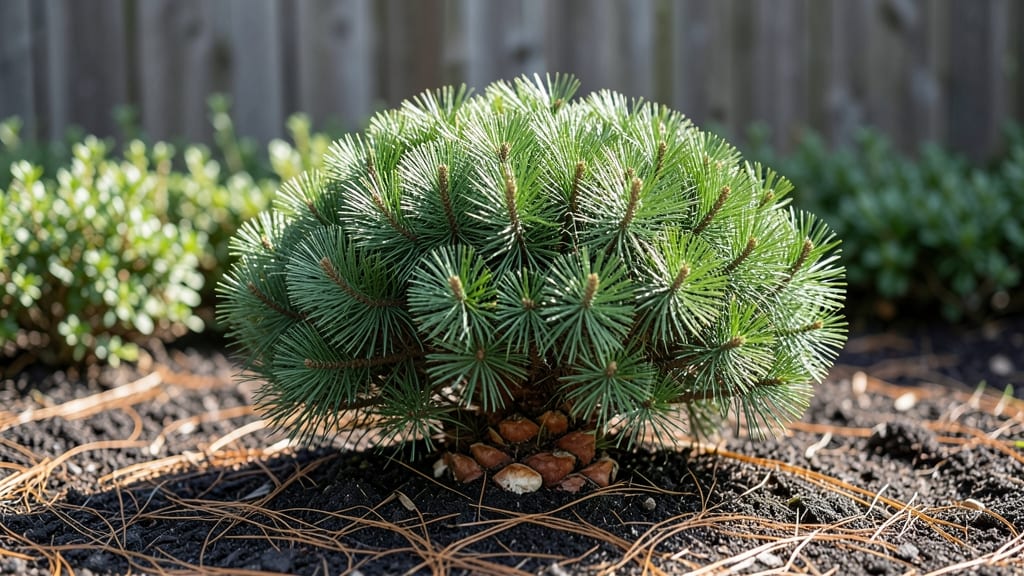
Growing small potted pine trees that stay vibrant all year is easier than you think—no green thumb required. 🌲 I’ve kept dwarf pines thriving on my porch for years, and the secret isn’t complicated: the right species, a few smart care choices, and ignoring the myths that make pines seem high-maintenance.
These trees handle neglect better than most plants, so long as you nail a couple of basics.
The trick starts with species selection—opt for mugo pines or dwarf Scotch pines, both of which stay under 3 feet tall in pots. They need well-draining soil (think 60% pine bark, 30% potting mix, 10% perlite) and a container with drainage holes—no fancy setups here.
Watering’s simple too: let the top inch dry out between drinks, and cut back in winter when growth slows. Most people overwater, which is how you turn a pine into a sad, root-rot victim.
By summer’s end, you’ll have a fragrant, evergreen centerpiece that smells like a forest after rain. These pines even handle apartment balconies or city patios, as long as they get 4-6 hours of sunlight daily.
Pruning’s optional—just snip leggy branches in spring if they’re crowding your view. The real magic? They look fresh in December when everything else is brown and crisp.
Overwintering’s a breeze: move pots to a sheltered spot (like a garage or under an eave) and reduce watering by half. Watch for spider mites—they love dry pines—and blast them off with water if you spot webbing.
No pests? You’re golden. These trees reward patience with decades of trouble-free greenery, making them the ultimate "plant and forget" option for busy gardeners.
📚 In This Guide
- What you need
- Instructions
- Tips and common mistakes
- Wrapping up and next steps
What you need
- ● Pine tree seedlings or saplings: Choose dwarf varieties like Pinus mugo or Pinus sylvestris (3–6 inches tall). Quantity: 1–3, depending on pot size.
- ● Well-draining potting mix: Use a blend of 50% peat or coconut coir, 30% perlite or pumice, and 20% sand (or pre-mixed "evergreen" soil). Quantity: 1–2 gallons per pot.
- ● Containers: Pots with drainage holes (10–15 inches in diameter for a single tree; larger for multiple). Material: Terracotta, ceramic, or plastic.
- ● Slow-release fertilizer: Look for a balanced, acidic formula (e.g., 10-10-10 or 14-14-14) labeled for evergreens. Quantity: 1–2 tbsp per pot.
- ● Watering can or spray bottle: With a rose nozzle for gentle watering.
- ● Pruning shears: Sharp, clean shears (sterilize with rubbing alcohol before use).
- ● Garden gloves: Protect your hands from rough pine needles.
- ○ Mulch (optional): Pine bark or gravel to retain moisture and suppress weeds. Spread: 1–2 inches around the base (avoid piling against the trunk).
- ○ Peat moss or sulfur (optional): To lower soil pH if your mix isn’t acidic enough (pH 4.5–6.0 is ideal).
- ○ Decorative stones or moss (optional): For a polished, natural look around the pot.
- ○ Grow lights (optional): If placing indoors with low light (LED full-spectrum bulbs work best).
Step-by-step guide to growing healthy small potted pine trees
Here's how to keep your tiny evergreens thriving indoors or on patios all year.
🪴 Step 1: Choose the Right Container and Drainage
Start with a pot that's at least 12 inches wide for each pine tree—smaller pots restrict root growth and lead to stressed plants. I prefer terracotta because it breathes better than plastic, helping prevent root rot. Make sure the container has multiple drainage holes at the bottom; if not, drill a few yourself. Pines hate soggy feet, and proper drainage is your first line of defense against fungal diseases.
Line the bottom with 1 inch of gravel or coarse sand to create an air pocket. This extra layer prevents water from pooling against the roots while still allowing excess moisture to escape. If you're planting multiple pines, space containers at least 2 feet apart—pines don't like competition for air circulation, and crowded pots invite pests like spider mites.
🌱 Step 2: Prepare the Soil and Plant Your Pine
Use a well-draining potting mix designed for acid-loving plants—regular garden soil compacts and suffocates pine roots. I mix 50% potting mix with 50% coarse sand or perlite to improve aeration. Fill the pot until it's 2/3 full, leaving room for the root ball. Gently loosen the roots of your pine tree if they're tightly bound, then place it in the center of the pot.
Fill the remaining space with your soil mix, pressing lightly around the base to eliminate air pockets. The top of the root ball should sit 1 inch below the pot's rim—this prevents water from spilling out when you water. Tap the pot gently on the table to settle the soil, then water deeply until it drains freely from the bottom. You'll know you've done it right when water runs out the drainage holes without pooling.
☀️ Step 3: Position for Light and Humidity
Pines need bright, indirect light—think of it as morning sun with afternoon shade. A south- or east-facing window works best, but avoid harsh afternoon sun, which can scorch delicate needles. If your space lacks natural light, supplement with a grow light placed 12-18 inches away for 6-8 hours daily. You'll notice new growth slowing or yellowing needles if light is insufficient; this is your cue to move the plant closer to the light source.
Mist your pine 2-3 times weekly to maintain humidity, especially in dry indoor air. Grouping potted pines together creates a microclimate that retains moisture longer. I also place a tray of pebbles and water beneath the pot—just make sure the pot sits above the waterline to avoid root rot. Wipe the needles occasionally with a damp cloth to remove dust, which can clog stomata and reduce photosynthesis.
💧 Step 4: Water and Fertilize Like a Pro
Water your pine only when the top 1-2 inches of soil feel dry—overwatering is the #1 killer of potted pines. Stick your finger in the soil; if it's damp past your first knuckle, wait another day. When you do water, soak the soil thoroughly until water runs out the drainage holes. Empty the saucer afterward to prevent the roots from sitting in water. In winter, water 50% less frequently since growth slows and the plant needs less moisture.
Feed your pine once a month during spring and summer with a balanced, slow-release fertilizer (like 10-10-10). I dilute it to half-strength to avoid burning the roots. Skip fertilizing in fall and winter—pines go dormant, and feeding them then stresses the plant. Yellow needles often signal over-fertilization, so if you see this, flush the soil with water to leach out excess salts.
Tips & tricks for perfect small potted pine trees
Here's what I learned the hard way—your potted pines will thank you for these little details.
Container Selection: Terracotta pots are ideal, but if you prefer plastic, add extra drainage holes yourself. The 12-inch minimum width is non-negotiable—any smaller and roots get cramped. I've seen pines in 10-inch pots struggle after just 6 months. Also, avoid decorative pots without drainage; even if they look pretty, they'll kill your pine.
Soil Mix Matters: The 50/50 potting mix to sand ratio is perfect, but if you can't find acid-loving mix, use regular potting mix with extra perlite. Pack the soil gently around the roots—don't press too hard. The 1-inch gap below the rim is crucial; if you don't leave room, water will spill everywhere when you water. I always tap the pot on the table after filling to settle the soil.
Lighting Strategy: For indoor pines, rotate your pots quarter-turn weekly so all sides get even light. That 6-8 hours of grow light is ideal, but if you can't commit, a south-facing window works best. Watch for needles turning yellow near the light source—that's your signal to move the plant back 6 inches. I keep mine 3 feet from the window to prevent scorching.
Winter Care: Reduce watering by half in winter, but don't skip it entirely. The soil should still dry out between waterings—just more slowly. Group potted pines together near a window to create a humid microclimate. I also wrap my pots in bubble wrap for the coldest months to protect roots from temperature swings.
Pro Tips for Small Potted Pine Trees
- Here's what I learned the hard way—your potted pines will thank you for these little details.
- Container Selection: Terracotta pots are ideal, but if you prefer plastic, add extra drainage holes yourself.
- Soil Mix Matters: The 50/50 potting mix to sand ratio is perfect, but if you can't find acid-loving mix, use regular potting mix with extra perlite.
Frequently asked questions
Got questions about keeping your small potted pine trees thriving? You’re not alone! Here are answers to the most common concerns—because even low-maintenance plants need a little TLC now and then.
How often should I water my small potted pine tree?
Water your potted pine only when the top inch of soil feels dry—usually every 1–2 weeks, depending on your climate. Overwatering is the #1 killer! Use well-draining soil and a pot with drainage holes to prevent soggy roots. In winter, reduce watering to every 3–4 weeks since growth slows.
Can I keep a potted pine tree indoors year-round?
Yes, but with caveats! Pines need bright, indirect light (near a south or east window) and cool temperatures (60–70°F). Avoid drafts, heaters, or AC vents. If indoors long-term, supplement with a grow light in winter. For best health, move it outside in spring/summer for fresh air.
How do I know if my pine tree is getting enough sunlight?
Watch for these signs:
- Leggy growth or sparse needles → Needs more light.
- Yellow/brown needles → Too much direct sun or heat stress.
- Healthy green needles with slow growth → Just right!
What pests should I watch for, and how do I treat them?
Potted pines are tough, but spider mites, aphids, or scale can still show up. Check the undersides of needles for tiny webs, sticky residue, or crawling bugs. Treat with:
- Mild infestation: Spray with neem oil or insecticidal soap.
- Severe infestation: Isolate the plant and repeat treatment every 5–7 days.
When (and how) should I repot my small potted pine?
Repot every 2–3 years or when roots circle the pot. Spring is the best time! Choose a pot just 1–2 inches wider than the current one, add fresh well-draining soil, and water thoroughly after repotting. Avoid fertilizing for 4–6 weeks to reduce stress.
Can I use a potted pine tree as a Christmas tree alternative?
Many dwarf pine varieties (like Mugo or Scotch pines) make stunning, reusable holiday trees. Just add lights, ornaments, and a star—no cutting required! After the holidays, return it to its sunny spot. Pro tip: Shake off snow gently to avoid needle damage.
Wrapping up and next steps
Small potted pine trees are the perfect low-maintenance way to bring year-round greenery into your space—whether it’s a cozy corner, a sunny patio, or a bright office nook.
With just a little sunlight, well-draining soil, and occasional watering, these resilient trees thrive without the fuss, making them ideal for busy gardeners or beginners. 🌲✨
Ready to add a touch of nature’s elegance to your home? Pick your favorite pine variety, grab a few supplies, and get planting—your future self (and your plants!) will thank you. Happy growing! 🌱💚