
Pruning
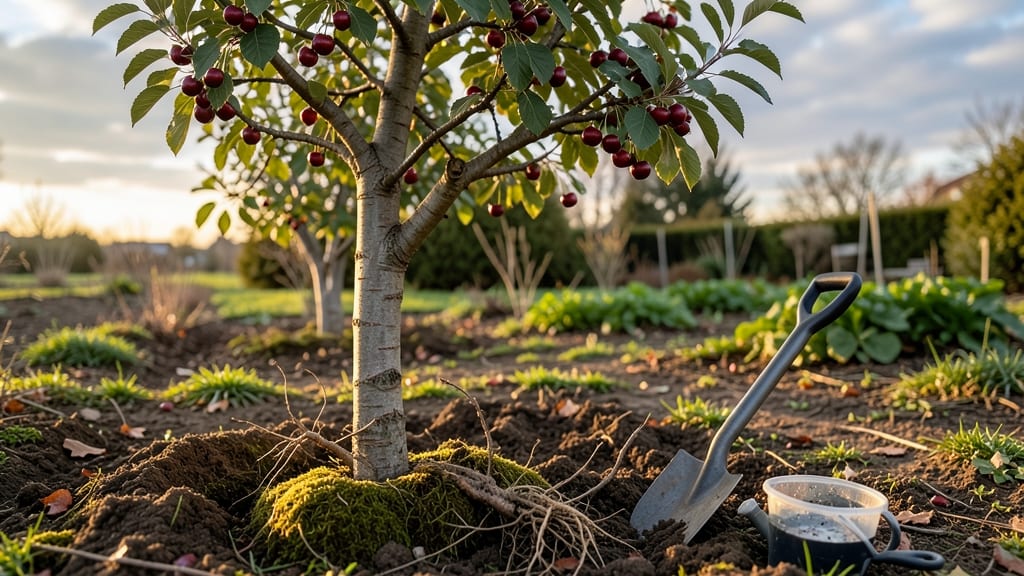
Planting a sour cherry tree in the Pacific Northwest isn’t just about digging a hole—it’s about setting up a cold-hardy fruit-bearing giant that thrives in your climate’s unique challenges.
I’ve planted mine in late fall when the soil stays workable but the air cools, giving roots time to establish before winter’s worst. The key? Choosing a spot where morning sun warms the fruit while afternoon shade prevents sunscald on those tender skins.
You’ll need a site with well-draining soil (amend heavy clay with compost), a spot at least 20 feet from other trees, and a hole twice as wide as the root ball but no deeper.
Pacific Northwest gardeners swear by dwarfing rootstock for smaller spaces—my tree stays manageable while still producing bushels. The secret weapon? A mulch ring of wood chips to protect roots from freeze-thaw cycles that split bark.
After planting, water deeply—three gallons—then check soil moisture weekly. The first year is critical: prune only to remove crossing branches, and watch for cherry leaf spot (spray copper fungicide preventatively).
By year three, you’ll be harvesting tart, deep-red fruit that turns into pies, jams, or fresh snacks. The tree’s slow growth means it outlives many gardeners, becoming a legacy feature.
For long-term health, fertilize lightly in early spring with 10-10-10, and thin fruit clusters to 6-8 cherries per spur for larger, sweeter harvests. Pacific Northwest winters test trees, but with these steps, your sour cherry will reward you for decades—no green thumb required.
📚 In This Guide
- What you need
- Instructions
- Tips and common mistakes
- Wrapping up and next steps
What you need
- ● Sour cherry tree sapling (choose a Prunus cerasus variety like 'Montmorency' or 'Balaton'—hardy to USDA Zones 3-6).
- ● Well-draining soil (amend with 3–5 gallons of compost per planting hole).
- ● Organic mulch (4–6 inches of wood chips or straw to retain moisture and regulate temperature).
- ● Slow-release fertilizer (10-10-10 or 5-10-10, ~1 lb per tree).
- ● Watering can or hose (with a gentle spray nozzle).
- ● Staking kit (2–3 wooden stakes + soft tree ties for young trees).
- ● Shovel or trowel (for digging planting holes, 12–18 inches deep).
- ● Pruners (bypass pruners for shaping and removing dead branches).
- ● Garden gloves (to protect hands from thorns and rough bark).
- ● Measuring tape (to ensure proper spacing—15–20 feet apart for full-size trees).
- ● Soil pH test kit (ideal pH: 6.0–7.0; amend with lime if needed).
- ● Tree guard (to protect from deer or rabbits).
- ● Drip irrigation system (for consistent moisture in dry spells).
- ● Fruit tree spray (organic copper fungicide to prevent blight).
- ● Sunlight meter (to confirm your site gets 6+ hours of sun daily).
- ● Seasonal pruning saw (for larger branches later on).
Step-by-step guide to planting sour cherry trees in cold climates
Here's how to establish hardy sour cherry trees that thrive in the Pacific Northwest's chilly conditions.
🌱 Step 1: Choose the Right Planting Site and Timing
Select a location with full sun exposure for at least 6-8 hours daily, as sour cherries need ample light to produce fruit. The soil should be well-drained—these trees hate soggy roots—and slightly acidic to neutral, with a pH between 6.0 and 7.0. I always test the soil before planting; you can pick up a simple test kit at any garden center.
Timing is critical in cold climates. Plant your bare-root sour cherry trees in early spring, just as buds begin to swell but before new growth starts. This gives roots time to establish before summer heat arrives. If you must plant in fall, do it at least 6-8 weeks before the first hard frost—roots need time to harden off before winter.
🪴 Step 2: Prepare the Planting Hole and Amend the Soil
Dig a hole that's twice as wide as the root ball but only as deep—planting too deep suffocates the roots. Loosen the sides of the hole with a shovel or your hands to encourage root spread. I like to add 2-3 inches of compost mixed into the native soil at the bottom of the hole for extra nutrients, but avoid heavy amendments that could compact around the roots.
Gently remove the tree from its container or packaging, and soak the roots in water for 10-15 minutes to rehydrate them if they look dry. Straighten the roots in the hole—never bend them—and place the tree so the graft union (the swollen area near the base) sits 2-3 inches above the soil line. This prevents rot and ensures strong regrowth.
💧 Step 3: Backfill, Water, and Mulch Properly
Fill the hole with native soil, tamping it down lightly as you go to remove air pockets. Water thoroughly after backfilling to settle the soil and eliminate gaps. You’ll know it’s right when the soil surface looks slightly damp but not glistening. Avoid compacting the soil too firmly—roots need room to breathe and expand.
Spread 3-4 inches of organic mulch (like wood chips or straw) around the base, keeping it 6 inches away from the trunk to prevent rot. Mulch helps retain moisture, regulate soil temperature, and suppress weeds. Water deeply again to encourage root growth—this is the most critical step for establishing a strong foundation.
☀️ Step 4: Provide Initial Care and Monitor Growth
For the first 2-3 weeks, check the soil moisture daily—sour cherry trees need consistent moisture but hate soggy conditions. Water deeply when the top 2-3 inches of soil feel dry, focusing on the root zone rather than wetting the leaves. This prevents fungal diseases that thrive in damp foliage.
Watch for new growth—you’ll see fresh leaves emerge within 4-6 weeks if the tree is thriving. If the leaves yellow or wilt, it’s often a sign of overwatering or poor drainage. In the first growing season, avoid fertilizing; the tree needs to focus on root development, not foliage. Prune only to remove any broken or diseased branches.
⏰ Step 5: Plan for Long-Term Cold-Climate Success
Sour cherry trees need winter protection in harsh climates. Once established, they handle cold well, but young trees benefit from a 4-6 inch layer of mulch around the base in late fall. Avoid heavy pruning in winter—do most pruning in late winter or early spring before buds swell to encourage strong new growth.
Here’s the thing—these trees need cross-pollination to fruit. If you plant only one variety, consider adding a second compatible sour cherry tree within 50-100 feet for pollination. With the right care, your tree will bear fruit in 3-5 years, and you’ll have a productive, cold-hardy addition to your orchard.
Tips & tricks for perfect sour cherry tree planting in cold climates
Common pitfalls—and how to sidestep every one—when establishing sour cherry trees in the Pacific Northwest's challenging conditions.
Site Selection Strategy: While the instructions emphasize full sun, I’ve found that morning sun with afternoon shade works best in hotter microclimates. The key is to avoid afternoon sun when temperatures exceed 85°F—this prevents leaf scorch while still providing the 6-8 hours of light these trees need. Consider existing tree canopies that might offer natural shade during peak heat hours.
Root Preparation Technique: That 10-15 minute root soaking is non-negotiable, but here's what nobody tells you—if your roots arrive completely dried out (common with mail-order trees), soak them for 20-30 minutes in cool water with a rooting hormone tablet dissolved. This gives struggling roots a better chance to rehydrate before planting. Just make sure they're not soggy when you handle them.
Mulching Mastery: The 3-4 inch mulch layer is perfect, but I've learned the hard way that too much mulch can suffocate roots. In our wet winters, I often see gardeners pile mulch too high—keep it at exactly 3-4 inches and maintain that 6-inch clearance from the trunk. Also, use coarse wood chips rather than fine bark—they break down slower and maintain better drainage.
Winter Protection Insight: That 4-6 inch winter mulch recommendation is spot-on, but here's the detail that matters: apply it after the ground freezes but before heavy snowfall. This creates an insulating barrier that prevents temperature fluctuations in the root zone. In particularly harsh winters, I've even wrapped young tree trunks with burlap for extra protection against windburn.
Pro Tips for Sour Cherry Tree Planting
- Common pitfalls—and how to sidestep every one—when establishing sour cherry trees in the Pacific Northwest's challenging conditions.
- Site Selection Strategy: While the instructions emphasize full sun, I’ve found that morning sun with afternoon shade works best in hotter microclimates.
- This gives struggling roots a better chance to rehydrate before planting.
Frequently asked questions
Got questions about planting sour cherry trees in the Pacific Northwest’s chilly climate? You’re not alone! Here are answers to the most common concerns—from timing to troubleshooting—to help you grow a thriving orchard.
What’s the best time of year to plant a sour cherry tree?
Plant in early spring (March–April) or early fall (September–October). Spring gives roots time to establish before summer heat, while fall planting avoids winter stress. Avoid planting in extreme cold or drought-prone months.
Can I grow sour cherries from seed, or should I buy a grafted tree?
While you can grow from seed, grafted trees are the way to go! They’re disease-resistant, produce fruit faster (3–5 years vs. 10+), and maintain consistent flavor. Seed-grown trees may take decades to fruit—and the fruit could be disappointing.
How do I protect my sour cherry tree from winter damage?
Sour cherries are cold-hardy, but young trees need extra care. Mulch heavily (4–6 inches) with wood chips, wrap the trunk with tree guard to prevent rodent damage, and avoid heavy snow buildup on branches. Prune in late winter to improve airflow.
What’s the ideal spacing between sour cherry trees?
Space trees 20–25 feet apart for standard varieties or 15–20 feet for dwarf cultivars. This ensures proper airflow (reducing disease) and room for root growth. Overcrowding leads to smaller yields and pest issues.
Why aren’t my sour cherry leaves turning green, and how do I fix it?
Pale or yellowing leaves often signal nutrient deficiencies (like nitrogen or magnesium) or pests (e.g., aphids). Test your soil and amend with compost or a balanced fertilizer. For pests, spray with neem oil or introduce beneficial insects like ladybugs.
Do sour cherries need a pollinator, and what varieties work best together?
Yes! Sour cherries are self-unfruitful—you need at least two compatible varieties for pollination. Top PNW pairings: Montmorency + Stella or Newton. Plant them within 50 feet of each other for best results.
Wrapping up and next steps
Planting a sour cherry tree in the Pacific Northwest’s chilly climate is a rewarding project that blends resilience with sweet rewards. 🌱 With the right soil prep, variety selection, and care, you’ll enjoy tart-sweet fruit and stunning spring blooms for years to come.
Whether you’re a beginner or a seasoned gardener, now’s the perfect time to dig in—literally!
Next steps:
- Mark your calendar for early spring (or fall) planting.
- Order your bare-root sapling or potted tree from a trusted nursery.
- Grab your gloves and get ready to turn that empty corner of your yard into a fruit-bearing paradise!
You’ve got this—bon appétit (and bon cherries!) ahead! 🍒