
Planting
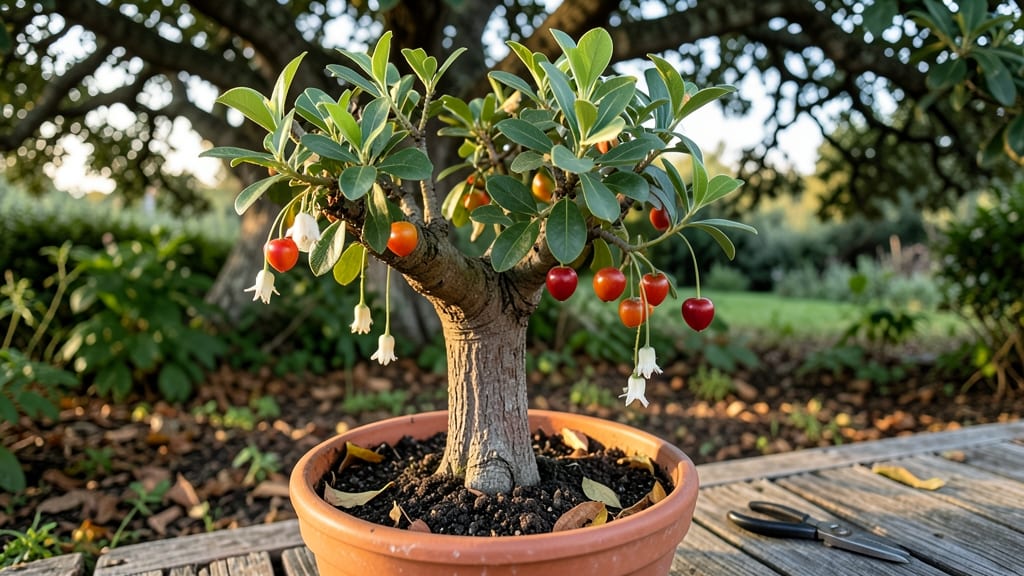
The strawberry tree plant thrives in the Pacific Northwest’s climate, offering both striking beauty and unexpected edible rewards. 🌿 I fell for it the first time I saw its peeling bark and clusters of tiny, fragrant white flowers—now I can’t imagine a garden without one.
This evergreen shrub isn’t just ornamental; it produces sweet, strawberry-like berries that birds adore and humans can enjoy (though they’re not the tastiest treat). Planting one in your yard means welcoming pollinators year-round, thanks to its long bloom season.
The key is mimicking its natural habitat: well-draining soil, partial shade in hot afternoons, and protection from harsh winds. Unlike fussy plants, it’s surprisingly low-maintenance once established, making it perfect for busy gardeners who still want impact.
You’ll love how it transforms your landscape with its glossy leaves and seasonal color shifts—from spring blossoms to autumn’s fiery berries. And the best part? It grows slowly but steadily, so you won’t be dealing with overgrown chaos.
Just give it space to spread its branches, and it’ll reward you for years. Whether you’re a beginner or a seasoned gardener, this plant delivers on both style and substance. Let’s get yours planted for a garden that works as hard as it looks!
📚 In This Guide
- What you need
- Instructions
- Tips and common mistakes
- Wrapping up and next steps
What you need
- ● Strawberry tree plant(s): 1–3 Arbutus unedo plants (saplings or mature trees, depending on your timeline)
- ● Size: 1–3 gallon containers (young plants) or 5+ gallon pots (mature trees)
- ● Well-draining soil: 50% native soil (sandy or loamy)
- ● 30% compost or aged manure
- ● 20% perlite or coarse sand (critical for PNW’s wet winters!)
- ● Planting site: Full sun to partial shade (6+ hours of sunlight daily)
- ● Sheltered from harsh winds (e.g., near a fence or building)
- ● Mulch: 2–3 inches of wood chips or pine straw (keep 6 inches away from the trunk)
- ● Watering can or hose: With a gentle spray nozzle (1–2 gallons per watering)
- ● Pruners: Sharp, sterilized bypass pruners (for shaping or removing dead branches)
- ● Trench shovel or spade (for digging holes 2x wider than the root ball)
- ● Garden gloves (to protect from thorns and rough bark)
- ● Soil pH test kit (ideal range: 5.0–6.5; amend with sulfur if needed)
- ● Fertilizer: Slow-release organic fertilizer (e.g., 10-10-10, applied in early spring)
- ● Tree stake & ties (if planting in windy areas; remove after 1 year)
- ● Drip irrigation system (for consistent moisture in dry spells)
- ● Check local frost dates—strawberry trees thrive in USDA Zones 7–9 (PNW is perfect!)
- ● Test soil drainage: Dig a hole, fill it with water, and measure how long it takes to drain (should be <24 hours).
- ● Plan for long-term care: Strawberry trees grow slowly (1–2 feet per year) but live for decades!
Step-by-step guide to planting and caring for a strawberry tree
Here's how to establish this Pacific Northwest favorite with minimal fuss.
🌱 Step 1: Choose the Perfect Planting Spot
The strawberry tree thrives in partial shade to full sun but handles Pacific Northwest winters beautifully. Look for a location with morning sun and afternoon shade—this mimics its native woodland edge habitat. The soil should drain well, but it tolerates a range of conditions, even clay.
I always check the site's moisture first. Press your finger 1-2 inches deep into the soil—if it feels compacted or stays wet for more than a day, amend with 2-3 inches of compost to improve drainage. The tree's roots spread widely but not deeply, so avoid areas where water pools.
Here's the thing—this plant grows 15-20 feet tall over time, so plant it at least 10 feet away from structures, sidewalks, or other plants. You'll thank yourself later when you're not pruning branches that hit your roof.
🪴 Step 2: Plant at the Right Time and Depth
Spring is ideal for planting strawberry trees in the Pacific Northwest, but they handle fall planting too. Dig a hole twice as wide as the root ball but only as deep—planting too deep suffocates the roots. The top of the root ball should sit level with the surrounding soil when finished.
Gently loosen the roots if they're circling in the container. Place the tree in the hole, then backfill with native soil mixed with 1-2 inches of compost. Water deeply to settle everything, then add a 2-inch layer of mulch (avoid wood chips—use bark or straw instead) to conserve moisture and protect roots.
Don't skip the watering after planting. The soil should feel moist to the touch for the first 2-3 weeks—this helps the roots establish quickly. Real talk: Overwatering is the biggest mistake here. The tree prefers even moisture but hates soggy soil.
☀️ Step 3: Maintain Water and Light for First Two Years
Strawberry trees are drought-tolerant once established, but young plants need consistent moisture. Water once a week during dry spells, aiming for 1-2 gallons per tree each time. You'll know it's enough when water runs out the drainage holes if planted in containers, or when the top 2 inches of soil feel moist in-ground.
Fertilize lightly in early spring with a balanced 10-10-10 formula—just ½ cup per year for young trees. Too much fertilizer makes the tree grow fast but weak. The Pacific Northwest's acidic soils often need a boost, so a slow-release organic fertilizer in spring works best.
Watch for new growth in early summer—that's your signal the tree is settling in. If leaves yellow, it's usually too much water. If they brown at the edges, it's thirsty. Both fix easily by adjusting your watering routine.
✂️ Step 4: Prune for Shape and Pollinator Health
Prune in late winter or early spring before new growth starts. Remove dead, diseased, or crossing branches first—this keeps air circulating and prevents pests. The strawberry tree's pink, fragrant flowers attract pollinators, so never cut them off unless the branch is damaged.
Shape the tree lightly by trimming overly long branches to maintain an open canopy. You'll see small red berries forming in summer—these aren't edible but are a fun bonus. The real star is the fall foliage, which turns brilliant red-orange, adding color to your garden.
I always prune with clean, sharp shears and sterilize them with rubbing alcohol between cuts. This prevents spreading disease, which strawberry trees are surprisingly susceptible to in damp Pacific Northwest summers.
Tips & tricks for perfect strawberry tree planting
These simple strategies will help your Pacific Northwest strawberry tree thrive from day one.
Soil Test First: Before planting, grab a small trowel and dig down 3-4 inches in your chosen spot. If the soil feels dense or stays clumpy when wet, mix in 2-3 inches of compost right into the planting hole. Strawberry trees love well-draining soil but can handle our region's natural acidity—just avoid waterlogged areas. The 15-20 feet height means deep roots, so proper drainage prevents future headaches.
Root Ball Secrets: When you remove your strawberry tree from its container, gently tease apart any circling roots with your fingers—this prevents girdling as the tree matures. If the root ball is tightly packed, make a few vertical cuts around the edges to encourage outward growth. Place it in the hole so the top sits level with the surrounding soil, not buried deeper. This ensures proper air circulation at the base.
Watering Wisdom: The 2-3 weeks of consistent moisture after planting are critical. Instead of watering lightly every day, give your tree 1-2 gallons at a time once a week during dry spells. Check moisture by pressing your finger 2 inches deep—if it feels dry, it's time to water. Mulch with 2 inches of bark or straw (not wood chips) to lock in moisture and protect roots from temperature swings.
Pruning Pro Tip: When shaping your tree in late winter, focus on removing branches that cross or rub against each other—they create entry points for disease in our damp summers. Leave the pink, fragrant flowers intact unless they're on damaged wood. The small red berries might look tempting, but they're not edible. The real reward is the fall foliage that turns brilliant red-orange—worth every careful cut!
Pro Tips for Strawberry Tree Plant
- These simple strategies will help your Pacific Northwest strawberry tree thrive from day one.
- Soil Test First: Before planting, grab a small trowel and dig down 3-4 inches in your chosen spot.
- Root Ball Secrets: When you remove your strawberry tree from its container, gently tease apart any circling roots with your fingers—this prevents girdling as the tree matures.
Frequently asked questions
Got questions about growing your own Arbutus menziesii (strawberry tree)?
You’re not alone—this frost-hardy beauty is stunning but comes with a few quirks. Here are the answers to the most common queries from gardeners in the Pacific Northwest and beyond.
How fast does a strawberry tree grow, and how big will it get?
A mature strawberry tree typically reaches 20–30 feet tall with a spread of 15–25 feet, depending on growing conditions. Growth is moderate to slow—expect about 1–2 feet per year in ideal settings. Patience is key! Dwarf cultivars (like Arbutus 'Compacta') stay smaller (6–10 feet), perfect for tighter spaces.
Can strawberry trees survive heavy frost and snow?
Native to the PNW, this tree thrives in USDA Zones 7–9 and handles down to 10°F without issue. Heavy snow may bend branches, but they’re flexible and resilient. Just avoid planting in frost pockets where cold air settles. Mulch around the base in winter for extra protection.
Why aren’t my strawberry tree’s leaves turning red in fall?
Don’t worry—not all strawberry trees turn red! Color intensity depends on the cultivar and growing conditions. Arbutus 'Marina' is famous for its vibrant fall hues, while others (like Arbutus 'El Dorado') may stay green. Stress from drought or poor soil can dull colors, so ensure well-draining, acidic soil (pH 5.0–6.5) and consistent moisture.
How do I attract more pollinators to my strawberry tree?
Strawberry trees are already a pollinator magnet, but you can boost their appeal! Plant native companion flowers like Ceanothus (California lilac) or Symphoricarpos (snowberry) nearby. Avoid pesticides, and provide a shallow water source (like a birdbath). Bees and hummingbirds will thank you!
What’s the best alternative if I can’t grow a strawberry tree?
If your climate or space is limited, consider these similar pollinator-friendly trees:
- Pacific Dogwood (Cornus nuttallii) – Stunning blooms, PNW-native.
- Oregon Grape (Mahonia aquifolium) – Evergreen, drought-tolerant, and berry-producing.
- Red Elderberry (Sambucus racemosa) – Fast-growing, wildlife-friendly.
- Madrona (Arbutus menziesii’s cousin!) – Smooth bark, similar care.
Wrapping up and next steps
The strawberry tree plant is a fantastic addition to Pacific Northwest gardens—its frost-hardy nature, vibrant flowers, and wildlife-friendly appeal make it a standout choice. Whether you’re drawn to its edible fruit, ornamental beauty, or ecological benefits, this resilient tree offers something for every gardener.
Ready to elevate your landscape? Grab your gloves, mark a sunny spot, and start planting—your garden (and pollinators!) will thank you. 🌱✨