
Pruning
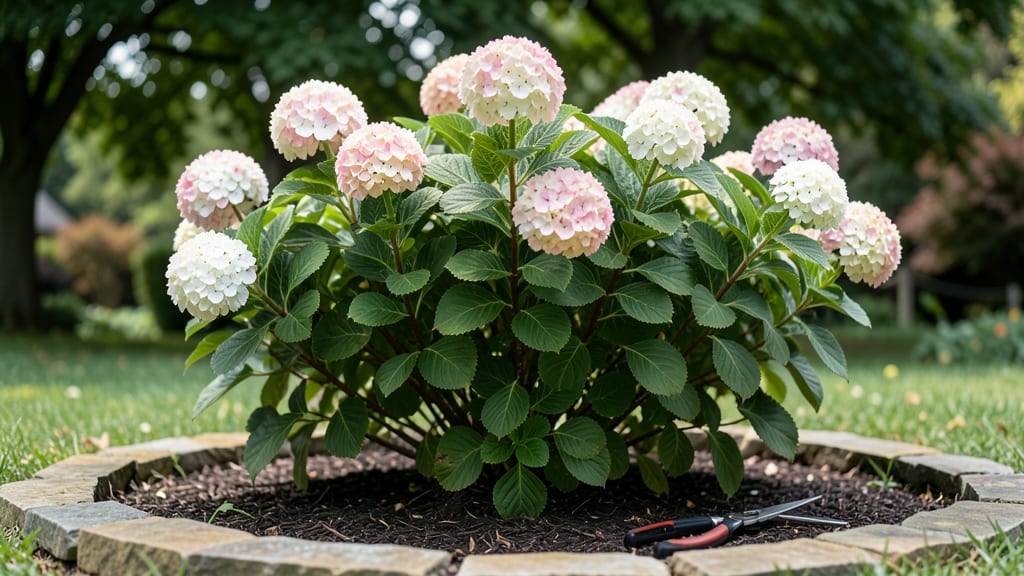
Transforming your strawberry vanilla hydrangea into a showstopping tree form takes patience and precision—but the fragrant, lush results are worth every snip. 🌿 I’ve shaped mine into a dramatic, multi-stemmed focal point that blooms from spring through fall, and the secret lies in strategic pruning during the right seasons.
The key isn’t just cutting back; it’s sculpting a strong, upright structure while encouraging those signature vanilla-scented blooms to thrive year after year.
You’ll need sharp pruners, a sturdy ladder (for taller branches), and a clear vision of your tree’s final shape—whether that’s a rounded vase form or a more formal, tiered silhouette.
Start by removing any crossing or weak branches in early spring, then follow up with light shaping cuts after each flush of blooms. The goal is to create a balanced canopy while keeping the center open for airflow, which prevents disease and encourages those fragrant clusters to multiply.
What you’ll end up with is a fragrant, architectural centerpiece that smells like a strawberry shortcake breeze and stays in bloom longer than most hydrangeas. The branches will fill out with sturdy wood, the blooms will grow denser, and your neighbors will ask how you pulled off that "tree-like" look.
The best part? Once you’ve established the structure, maintenance is minimal—just a little trimming each year to keep it looking intentional.
This method works in zones 5-9, whether you’re shaping a young plant or revitalizing an overgrown one. The same principles apply if you’re growing in containers or the ground, though container-grown trees may need slightly more frequent pruning to control size.
Let’s get those branches looking like a masterpiece—and keep those blooms coming.
📚 In This Guide
- What you need
- Instructions
- Tips and common mistakes
- Wrapping up and next steps
What you need
- ● Pruning shears: Bypass pruners (sharp, clean, and sterilized with rubbing alcohol to prevent disease). Specs: 5–8 inch blades, ergonomic grip.
- ● Hand pruners: For smaller branches (avoid dull tools—splintering hurts your plant!). Specs: 6–7 inch bypass or anvil (for thicker stems).
- ● Loppers: For branches ½–2 inches thick. Specs: Long handles (20+ inches) for leverage.
- ● Pruning saw: For stubborn, thick branches (1.5+ inches). Specs: Curved blade for clean cuts.
- ● Gloves: Heavy-duty gardening gloves (protect against thorns and sap). Specs: Nitrile-coated for grip.
- ● Disinfectant: 70% isopropyl alcohol or bleach solution (1 part bleach to 9 parts water) to sterilize tools between cuts.
- ○ Pruning sealant: Optional but helpful for large cuts (e.g., Tanglefoot Tree Wound Pruning Sealer).
- ● Twine or plant ties: Soft garden twine to secure branches during shaping.
- ● Sturdy ladder or step stool: For reaching higher branches safely. Note: Hydrangeas can grow 6–10 feet tall!
- ● Hydrangea food: Acid-loving plant fertilizer (e.g., Miracle-Gro Azalea, Camellia & Rhododendron Food) to boost post-pruning growth.
- ● Mulch: Wood chips or pine straw to retain moisture and regulate soil temperature.
- ● Plant markers: Labels to track pruned sections (great for multi-year tree forms!).
- ● Camera or sketchpad: To document your progress or plan cuts before you start.
- ● Safety gear: Long sleeves/pants (hydrangea leaves can be prickly!) and closed-toe shoes.
Step-by-step pruning guide for your strawberry vanilla hydrangea tree form
Here's how to coax that showstopping tree form into a fragrant, blooming masterpiece.
🌿 Step 1: Understand the Growth Habits of Your Hydrangea
Strawberry Vanilla hydrangeas bloom on new wood, meaning all flowers develop from current season's growth. This changes how we prune—aggressive cuts in late winter would remove next year's blooms. Instead, we focus on shaping the tree form while preserving next season's potential.
Identify your hydrangea's main trunk and primary scaffold branches—they'll form the vertical structure of your tree. These branches should be spaced 6-12 inches apart along the trunk. Look for branches growing at 45-degree angles or wider; these will form the sturdiest framework.
Here's the thing—your hydrangea's natural growth is bushy, not tree-like. We'll need to selectively remove lower branches to create that clean trunk while maintaining the plant's health. Don't rush this step; take time to visualize the final tree shape before making any cuts.
✂️ Step 2: Perform the Initial Tree Form Pruning in Late Winter
Wait until late February to early March when the plant is fully dormant but before new growth begins. This timing ensures you're not cutting off potential blooms while still allowing you to shape the plant before spring growth starts.
Begin by removing any dead, diseased, or crossing branches first. Cut these back to the trunk or to a healthy outward-facing bud. Use clean, sharp pruners to make cuts at a 45-degree angle just above a bud or lateral branch. For branches thicker than ½ inch, make the cut just outside the branch collar.
Next, identify the lowest branches you want to keep as part of your tree form. These should be spaced 6-12 inches apart vertically. Remove all branches below your lowest desired branch—these will be cut back to the trunk. Make these cuts just above a bud or lateral branch growing outward from the trunk.
☀️ Step 3: Maintain the Tree Form Through Seasonal Pruning
After the initial shaping, your seasonal pruning will focus on three key areas: maintaining the tree structure, controlling size, and encouraging abundant blooms. Start with light pruning after flowering (late June to early July) to shape the plant and remove any unwanted growth.
During this summer pruning, remove any suckers growing from the base of the plant or from the trunk below your lowest branch. These will compete with your tree form for energy. Also, cut back any branches that are growing too close together—aim for 6-12 inches of space between branches to allow good air circulation and light penetration.
For branches that are growing too long or leggy, you can cut them back by up to ⅓ of their length. Always cut just above a leaf node or outward-facing bud. This encourages bushier growth and more flower production. Watch for new growth at the cut points—this is your signal that the plant is responding well to the pruning.
⏰ Step 4: Annual Winter Pruning to Refine the Tree Form
Each winter, repeat your late winter pruning to maintain the tree form. This is when you'll make any major adjustments to the shape or structure. Focus on removing any branches that are growing inward or crossing over others—these will rub together and create wounds where diseases can enter.
You can also do some light thinning of older branches to encourage new growth. Remove branches that are older than 3-4 years, as these produce fewer flowers. Cut these back to a younger, more vigorous branch or to the trunk if necessary. Remember, we're always working with new wood bloomers—preserve next year's potential.
As your tree form matures, you'll develop a rhythm with the pruning. I like to take photos of my hydrangea before and after pruning each year to track its development. This helps me see how the tree form is evolving and make adjustments as needed. The goal is a balanced, open structure that allows light and air to reach all parts of the plant.
Tips & tricks for perfect strawberry vanilla hydrangea tree form
Transforming your hydrangea into a stunning tree form takes patience and precision—here's how to elevate your pruning game.
Visualize First: Before making any cuts, step back and visualize your tree form. Sketch a rough outline of your desired shape on paper first. This helps you identify which branches to keep and which to remove. I always mark the lowest branch I want to preserve—this becomes your reference point for all other cuts. The key is maintaining that 6-12 inch spacing between branches along the trunk to create that elegant vertical structure.
Tool Preparation: Never underestimate the importance of sharp tools. Dull pruners create jagged cuts that heal poorly and invite disease. Clean your pruners with rubbing alcohol between cuts to prevent spreading bacteria. For branches thicker than ½ inch, use loppers instead of hand pruners—they provide the leverage needed for clean cuts just outside the branch collar. I keep a small spray bottle of water handy to dampen the cut surfaces immediately after pruning, which helps reduce moisture loss.
Seasonal Timing Insight: The late February to early March window for initial pruning is critical because it's when your hydrangea is fully dormant but hasn't yet begun active growth. If you miss this window, you risk cutting off potential blooms. For summer pruning after flowering, I recommend doing this on a cloudy day—less direct sunlight reduces stress on the plant. The ⅓ length reduction for leggy branches works best when done in early summer before the plant puts too much energy into vertical growth.
Health Monitoring: After pruning, keep an eye out for signs of stress like yellowing leaves or wilting. These can indicate you've removed too much foliage at once. A good rule of thumb is to never remove more than ⅓ of the plant's total foliage in any single pruning session. For the first few weeks after major pruning, I water deeply once a week to help the plant recover and establish new growth.
Pro Tips for Strawberry Vanilla Hydrangea Tree Form
- Transforming your hydrangea into a stunning tree form takes patience and precision—here's how to elevate your pruning game.
- Visualize First: Before making any cuts, step back and visualize your tree form.
- Tool Preparation: Never underestimate the importance of sharp tools.
Frequently asked questions
When is the best time to prune my hydrangea tree form?
The ideal time to prune is late winter or early spring (before new growth starts). For this variety, avoid heavy pruning in fall—it can stimulate tender growth that may not survive winter. Light shaping in summer is fine, but avoid cutting back into old wood after mid-July.
How much can I trim back my hydrangea tree form?
For Strawberry Vanilla, prune back 1/3 of the oldest stems to encourage new growth and maintain a balanced shape. Never cut into last year’s blooming wood (look for brown, woody stems)—this variety flowers on both old and new wood, so preserve some mature branches for summer blooms.
Why aren’t my hydrangeas blooming as much as they used to?
Several factors could be at play:
- Over-pruning: Cutting too aggressively removes next year’s flower buds.
- Poor sunlight: This variety needs 6+ hours of sun for optimal blooms.
- Nutrient deficiency: Test soil pH (aim for 5.5–6.2) and amend with hydrangea-specific fertilizer in spring.
Can I grow Strawberry Vanilla in a container?
Yes! This tree form adapts well to containers, but choose a large pot (18"+ diameter) with drainage holes and use a well-draining potting mix. Move containers indoors or to a sheltered spot in winter if temperatures drop below 10°F (-12°C). Fertilize monthly during growing season.
How do I protect my hydrangea from pests or diseases?
Prevent issues with:
- Proper spacing (3–4 feet apart) for airflow.
- Regular inspections for aphids, spider mites, or powdery mildew (treat with neem oil if needed).
- Avoid overhead watering to prevent fungal diseases.
Wrapping up and next steps
The strawberry vanilla hydrangea tree form is a fragrant, show-stopping addition to any garden—but its magic lies in intentional pruning. By mastering the timing, tools, and techniques outlined here, you’ll unlock year-round blooms and a lush, vibrant plant that steals the show. 🌸
Ready to transform your outdoor space? Start small: pick one pruning session this season, then build your confidence. Before you know it, your hydrangea will be thriving—and your neighbors will be asking for your secrets!