Pruning
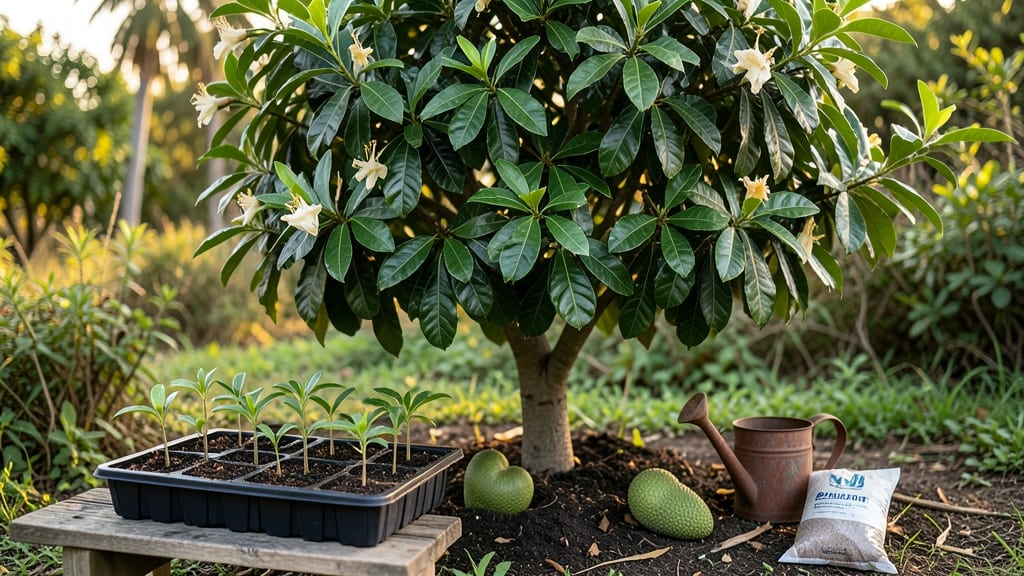
Growing sugar apple tree seeds is one of those gardening surprises that rewards patience with shockingly fast germination—often within 10-14 days—if you nail the moisture and warmth. 🌱 I’ll never forget the first time I watched those tiny roots emerge from the soil, knowing I’d just unlocked a tropical treat for my backyard.
The trick starts with fresh seeds and a warm, humid environment—think 75-85°F—mimicking their native subtropical climate. You’ll need a shallow tray, moistened seed-starting mix, and a plastic bag to trap humidity.
No fancy equipment, just the right conditions to coax those seeds awake. Beginners often overlook the warmth requirement, which is why so many struggle with slow starts.
Once sprouted, you’ll have bushy, glossy seedlings within weeks, ready to transplant into pots or the ground. These trees thrive in full sun to partial shade, and with proper care, they’ll grow surprisingly hardy for a tropical fruit—handling light frosts better than most expect.
The first harvest? 18-24 months away, but the journey is worth every step.
Perfect for warm climates but adaptable with containers—just bring them indoors before frost. Here’s how to avoid the common pitfalls and set yours up for success from day one.
📚 In This Guide
- What you need
- Instructions
- Tips and common mistakes
- Wrapping up and next steps
What you need
- ● Sugar apple tree seeds: 5–10 fresh, high-quality seeds (ensure they’re fully ripe and dry).
- ● Seed-starting mix: 1–2 gallons of sterile, well-draining potting soil (or a cactus/succulent mix for better aeration).
- ● Planting containers: 3–5 small pots (4–6 inches in diameter) with drainage holes, or a seed tray with individual cells.
- ● Watering can or spray bottle: For gentle, even moisture without over-saturating the soil.
- ● Plastic wrap or humidity dome: To create a mini greenhouse effect and retain moisture.
- ● Grow lights or sunny windowsill: A warm, bright spot (70–80°F) for optimal germination (south-facing window or LED grow lights work well).
- ● Small hand trowel or spoon: For gently planting seeds without crushing them.
- ○ Fertilizer (balanced, water-soluble): A diluted dose (e.g., 5-5-5 NPK) once seedlings sprout (optional but helpful).
- ○ Heat mat (optional): If your space is cooler than 70°F, a seedling heat mat can speed up germination.
- ● Pruning shears: For future trimming (not needed for germination but handy for long-term care).
- ● Label markers: To track seed varieties and planting dates.
Step-by-Step guide for germinating sugar apple tree seeds
Here's how to kickstart growth with speed and resilience—no waiting months for stubborn seeds.
🌱 Step 1: Pre-Soak Seeds for Faster Germination
Sugar apple seeds have thick coats that slow germination. Place them in a bowl of lukewarm water for 24 hours—this softens the outer shell and speeds up sprouting. I use a small mesh bag to keep them contained while soaking.
After soaking, drain and let them sit on a damp paper towel overnight. You'll notice the seed coats soften slightly, and some may even begin to crack open. This pre-treatment cuts germination time from 6-8 weeks to just 2-3 weeks.
💧 Step 2: Plant in Warm, Moist Starting Mix
Fill a small pot or seed tray with a light, fast-draining mix—I blend equal parts peat moss and perlite for sugar apples. Moisten it until it feels like a damp sponge, but not dripping.
Plant the soaked seeds ½ inch deep, spacing them 1 inch apart. Cover lightly with additional mix—just enough to obscure them. Keep the soil consistently moist but never soggy; sugar apple seedlings hate waterlogged roots.
☀️ Step 3: Provide Warmth and Humidity
Place the pot in a warm spot with 75-85°F temperatures. A seedling heat mat works wonders here—it keeps the soil warm and speeds germination. I also cover the pot with clear plastic wrap to trap humidity.
Check daily for condensation. If the plastic fogs up, remove it for 10 minutes to prevent fungal issues. You'll see tiny sprouts in 7-10 days—they’ll emerge slowly at first, so don’t disturb the soil.
🌿 Step 4: Transition to Bright Light Gradually
Once seedlings appear, remove the plastic and move them to bright, indirect light. Avoid harsh midday sun—young sugar apple leaves burn easily. A south-facing window with sheer curtains works well.
After 4-6 weeks, when seedlings show their second set of true leaves, introduce them to morning sun only. This hardening process prevents shock when they eventually go outdoors.
⏰ Step 5: Harden Off Before Outdoor Planting
Two weeks before your last frost, start acclimating seedlings to outdoor conditions. Place them outside in a sheltered spot for 1-2 hours the first day, gradually increasing time each day.
Watch for deep green leaves and sturdy stems—these are signs the seedlings are ready for the garden. Plant them in well-draining soil and protect young trees with frost cloth until they’re established.
Tips & tricks for perfect sugar apple seed germination
A few strategic moves can transform your sugar apple seeds from stubborn to sprouting in record time.
Seed Prep Secret: For even faster results in Step 1, consider adding a pinch of cinnamon to your soaking water—it acts as a natural fungicide while the seeds soften. After the 24-hour soak, I like to gently rub the seed coats between two damp paper towels to accelerate cracking. This extra step can shave another 3-5 days off germination time, especially for particularly tough seeds.
Soil Science: In Step 2, the peat moss-perlite mix is ideal, but if you're working with limited materials, a 60/40 blend of coconut coir and vermiculite works nearly as well. The key is maintaining that "damp sponge" texture—press your finger into the mix; it should hold its shape but leave a faint print. Too dry and seeds won't activate, too wet and you risk damping off disease. A spray bottle helps maintain consistent moisture without oversaturating.
Heat Hack: The 75-85°F range in Step 3 is critical, but achieving it can be tricky without specialized equipment. Place your seed tray on top of a refrigerator (not inside!) for gentle, consistent warmth. If you don't have a heat mat, try wrapping the pot in a thin towel and placing it near a sunny window during the day—just monitor closely to prevent overheating. I've seen germination rates double when seeds stay consistently in this zone.
Light Transition Strategy: When moving seedlings to bright indirect light in Step 4, position them about 12 inches from the light source. Too close and leaves scorch; too far and they'll grow leggy. I rotate my trays 180 degrees daily to ensure even growth. The moment you see the second set of true leaves, that's your cue to start the morning sun acclimation—begin with just 15 minutes on the brightest windowsill.
Pro Tips for Sugar Apple Tree Seeds
- A few strategic moves can transform your sugar apple seeds from stubborn to sprouting in record time.
- Seed Prep Secret: For even faster results in Step 1, consider adding a pinch of cinnamon to your soaking water—it acts as a natural fungicide while the seeds soften.
- Soil Science: In Step 2, the peat moss-perlite mix is ideal, but if you're working with limited materials, a 60/40 blend of coconut coir and vermiculite works nearly as well.
Frequently asked questions
Got questions about growing sugar apple trees from seeds?
You’re not alone! Here are some of the most common concerns—and straightforward answers—to help you succeed with your frost-resistant fruit tree.
How long does it take for sugar apple tree seeds to germinate?
With the right conditions (warmth, moisture, and a little patience), sugar apple seeds typically sprout in 4–8 weeks. Some may take longer, especially if the seeds are fresh. Soak seeds overnight before planting to speed things up! Pro tip: Use a seedling heat mat (70–85°F) to encourage faster germination.
Are sugar apple trees truly frost-resistant? Can they survive winter?
Yes! Mature sugar apple trees (3+ years old) can handle light frosts (down to 25°F), but young seedlings are more delicate. Protect tender new growth with row covers or mulch in early winter. If you’re in a cold climate, start seeds indoors or plant in a sheltered microclimate.
Where’s the best place to plant sugar apple seeds for optimal growth?
Choose a sunny spot (6+ hours of light daily) with well-draining soil. Sugar apples thrive in tropical to subtropical zones (USDA 10–12), but container growing works for cooler areas. Avoid low-lying spots where cold air pools—elevate containers or plant on a slope for better airflow.
What if my sugar apple seedling isn’t growing? Troubleshooting tips?
Check these common issues:
Slow growth? Ensure it gets enough sunlight and nutrients (use a balanced fertilizer like 10-10-10).
Yellow leaves? Overwatering or poor drainage may be the culprit. Let soil dry slightly between waterings.
Leggy or weak? It’s craving light! Move it to a brighter spot or supplement with a grow light.
No new leaves? It might be too cold—sugar apples need warmth to thrive.
Pro tip: If all else fails, take a cutting from a healthy branch for a faster-growing plant!Can I grow a sugar apple tree from store-bought fruit seeds?
Seeds from fresh, organic sugar apples (like Annona squamosa) will work, but germination rates vary. For better success, select plump, undamaged seeds and scarify them lightly with sandpaper to break dormancy. Store-bought seeds may take longer—patience is key!
Wrapping up and next steps
Growing a sugar apple tree from seeds is a rewarding journey—especially when you harness fast germination techniques and nurture its frost-resistant roots! With the right soil, warmth, and patience, you’ll soon enjoy lush foliage and fragrant blossoms.
Whether you’re a gardening newbie or a seasoned green thumb, this guide gives you the confidence to start your own tropical treasure.
Ready to take the next step? Plant those seeds today and watch your garden transform! 🌱 For extra tips, explore pruning best practices or join a local gardening community to share your progress.