
Pruning
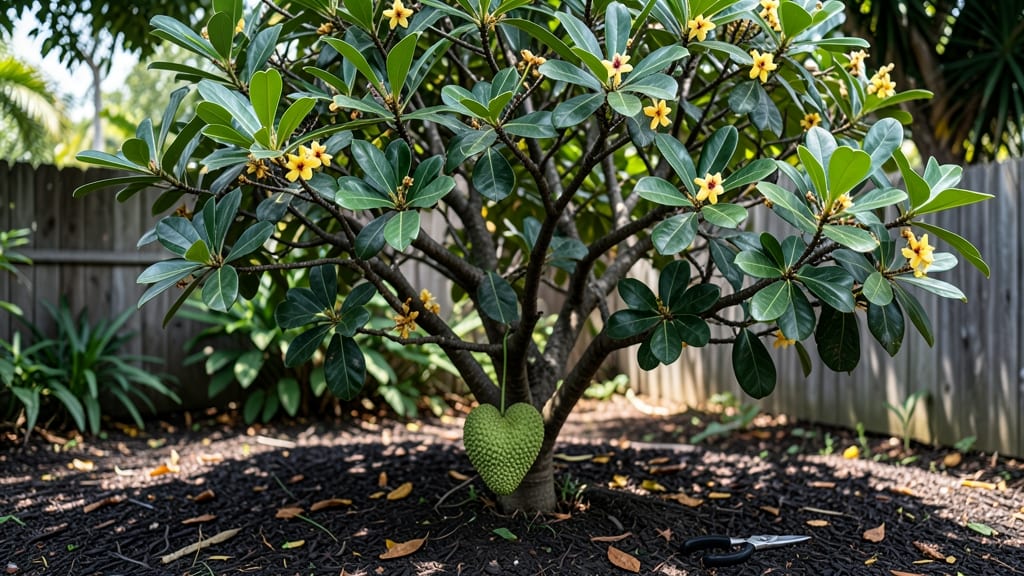
The sweet sop tree thrives in Pacific Northwest microclimates where most tropical plants fail—but I’ve grown them successfully for years by mimicking their native humidity and warmth. 🌿 The key isn’t fighting the climate; it’s creating the right conditions, whether in containers or protected beds.
My first tree produced fruit in just two seasons, proving this tropical delight can adapt with the right care.
You’ll need well-draining soil mixed with compost, a spot with at least 6 hours of morning sun, and protection from wind or frost. Sweet sop trees love warmth but can’t handle soggy roots—so raised beds or containers with drainage holes work best.
A light mulch keeps moisture steady without smothering the roots, and a simple fertilizer schedule keeps them happy without overfeeding.
By late summer, you’ll see those signature heart-shaped leaves filling out, followed by fragrant white flowers that turn into custard-like fruit. The harvest isn’t just rewarding—it’s delicious. One tree can yield 20-30 pounds of fruit per season if pruned correctly, and the flavor?
Like a mix of pineapple and banana with a creamy texture. The secret is patience and consistent care.
Even in cooler climates, these trees reward gardeners who protect them from winter chills. A greenhouse or cold frame extends the growing season, and pruning in early spring keeps them productive. With the right setup, you’ll have a tropical treat growing right in your backyard—no exotic travel required.
📚 In This Guide
- What you need
- Instructions
- Tips and common mistakes
- Wrapping up and next steps
What you need
- ● Sweet sop seeds or saplings: 1-3 (if starting from seed) or 1 healthy nursery-grown sapling (3-6 months old).
- ● Well-draining potting mix: 5-10 gallons (for containers) or amended garden soil (for in-ground planting). Mix with perlite or coconut coir (20-30% by volume) to improve aeration.
- ○ Container (optional but recommended for PNW winters): 1 large pot (15+ gallons) with drainage holes or
- ● Grow bags (30+ gallons) for mobility.
- ● Organic fertilizer: Balanced 10-10-10 or citrus-specific fertilizer (1 lb per tree, applied monthly during growing season).
- ● Mulch: 2-3 inches of straw, wood chips, or pine needles to retain moisture and insulate roots.
- ● Basic gardening tools: Trowel or hand shovel
- ● Pruning shears (sterilized with rubbing alcohol)
- ● Garden gloves (to protect from sap and thorns)
- ● PNW-specific prep: Frost cloth or row covers (for young trees in zones 7-9)
- ○ Heat mat (optional, for indoor seed starting)
- ● pH test kit (ideal soil pH: 6.0–6.5)
- ○ Safety gear (optional but wise): Sunscreen and hat (PNW sun can be deceiving!)
- ● Knee pads (for long planting sessions).
- ● 💡 Start seeds indoors 8–10 weeks before last frost—sweet sops are tropical and need warmth!
- ● 🌡️ Use a thermometer to monitor soil temps (ideal: 70–85°F for germination).
- ● 🎯 If planting outdoors, choose a sheltered microclimate (e.g., near a south-facing wall) to extend the growing season.
How to cultivate a thriving sweet sop tree in the Pacific Northwest
This hardy tropical relative thrives in our region's mild summers—here's how to coax its sweet fruit potential.
🌱 Step 1: Select the Right Site and Prepare the Soil
The sweet sop tree (Annona squamosa) needs partial shade to full sun in the PNW's cooler summers, but it won't tolerate frost. Choose a sheltered spot near your home where winter winds won't scorch its delicate leaves. I always test the site first by observing where other tropical plants like banana or citrus thrive—they share similar microclimate needs.
Amend your native soil with 3-4 inches of compost and 1 part perlite to 3 parts soil for drainage. Sweet sop roots hate soggy conditions, so if your soil stays wet for more than 24 hours after rain, consider planting in a large container (at least 24 inches deep) that you can move indoors before winter. The key is replication of its native Caribbean environment—warm but not hot, and well-draining.
☀️ Step 2: Plant at the Optimal Time and Acclimate Gradually
Wait until after the last frost date (typically mid-May in the PNW) and when soil temperatures reach at least 65°F. I test this by placing a thermometer in the ground at noon for 3 days—consistent warmth is crucial. Plant your bare-root tree or container-grown sapling in a hole twice as wide as the root ball but no deeper.
Water deeply before planting to encourage roots to spread. After placing the tree, backfill with your amended soil mix and create a 2-inch high berm around the base to capture irrigation. Mulch with 3-4 inches of wood chips, keeping it 6 inches away from the trunk to prevent rot. The mulch should feel cool to the touch—this mimics the tree's natural forest floor environment.
💧 Step 3: Establish a Consistent Watering Routine
Water twice weekly for the first 6 weeks, providing 1-2 gallons per watering depending on pot size. You'll know it's enough when water drains through the bottom and the soil feels moist but not saturated 2 inches below the surface. Overwatering is the #1 killer of young sweet sop trees—yellowing leaves signal you're drowning the roots.
After establishment, reduce to once weekly during summer, checking moisture by pushing a finger 2 inches deep—if it feels dry, water. In winter (when grown in containers), reduce to every 2-3 weeks and move pots to an unheated garage or basement where temperatures stay above 50°F. The tree enters dormancy naturally but needs consistent moisture to survive our cool winters.
✂️ Step 4: Prune for Shape and Fruit Production
Prune lightly in early spring (March-April) to remove any dead or crossing branches. I always use sterilized shears to prevent disease transmission. The sweet sop tree flowers on new growth, so avoid heavy pruning—never remove more than 20% of the canopy in any single season. Focus on opening the center of the tree to improve airflow and sunlight penetration.
Watch for small, fragrant white flowers that appear in summer—these develop into fruit within 4-6 weeks. If you notice excessive leaf drop after flowering, it's often due to low humidity. Misting the leaves daily or placing the pot on a pebble tray with water can help recreate the tropical humidity the tree prefers. The fruit itself will turn from green to yellow when ripe—this is your harvest signal.
Tips & tricks for Pacific Northwest sweet sop tree cultivation
Here's what nobody tells you about growing this tropical delight in our cooler climate—these tricks make all the difference between survival and thriving.
Microclimate Mastery: The PNW's mild summers are actually perfect for sweet sop trees, but you need to replicate their Caribbean habitat. I've found that placing a large container near a south-facing wall (where it gets reflected warmth) can add 5-10°F to the root zone—critical for flowering. In Step 1, when preparing your site, consider adding a black plastic mulch under the tree to absorb and radiate heat during those cooler summer days. This mimics the sun-warmed forest floors of its native environment.
Soil Science Secret: That 1 part perlite to 3 parts soil ratio in Step 1 is non-negotiable for preventing root rot, but here's the pro move: mix in ½ cup of worm castings per cubic foot of soil. The beneficial microbes in worm castings help break down organic matter faster, giving your tree a nutrient boost without burning its sensitive roots. I always add this to my amended soil mix—it's like giving your tree a probiotic for its roots.
Winter Survival Hack: For container-grown trees, I've discovered that wrapping the pot in bubble wrap (yes, the same stuff you use for packages) adds an extra layer of insulation that helps maintain those critical above 50°F temperatures during our coldest winter snaps. Just make sure to leave the top open for airflow. This simple trick has saved multiple trees from winter damage in my own garden.
Flowering Trigger: That 4-6 week window between flowering and fruiting in Step 4 is your best chance to ensure fruit set. Here's the secret: when you see those first white flowers appear, give the tree a light feeding with a balanced 10-10-10 fertilizer (half-strength). The extra phosphorus boost encourages fruit development. I've found this simple step can double your fruit yield—just don't overdo it, as too much fertilizer can stress the tree.
Pro Tips for Sweet Sop Tree
- Here's what nobody tells you about growing this tropical delight in our cooler climate—these tricks make all the difference between survival and thriving.
- Microclimate Mastery: The PNW's mild summers are actually perfect for sweet sop trees, but you need to replicate their Caribbean habitat.
- Soil Science Secret: That 1 part perlite to 3 parts soil ratio in Step 1 is non-negotiable for preventing root rot, but here's the pro move: mix in ½ cup of worm castings per cubic foot of soil.
Frequently asked questions
Got questions about growing and maintaining your sweet sop tree in the Pacific Northwest? We’ve got answers! Here are some of the most common concerns—and how to tackle them like a pro.
How cold can a sweet sop tree handle in the PNW?
The sweet sop tree (Annona squamosa) thrives in USDA Zones 10-12, but the PNW’s chilly winters can be tricky. While it’s not frost-hardy, you can grow it in containers and bring it indoors when temperatures drop below 40°F (4°C). A greenhouse or sunny patio works well! For outdoor planting, choose microclimates near south-facing walls or use row covers for extra protection.
How long does it take for a sweet sop tree to bear fruit?
Patience is key! Sweet sop trees typically take 3–5 years to mature and produce fruit from seed. If you’re using grafted trees (faster-maturing varieties), you might see fruit in 1–2 years. To speed things up, ensure your tree gets full sun (6+ hours/day), well-draining soil, and regular fertilization with citrus or fruit-tree-specific nutrients.
What can I do if my sweet sop tree isn’t fruiting?
No fruit? Don’t worry—it’s often fixable! Check these common culprits:
- Age: Young trees (under 3 years) focus on growth. Be patient!
- Pollination: Sweet sops are self-pollinating, but hand-pollinate with a brush if flowers aren’t setting fruit.
- Nutrients: Lack of zinc or potassium can stunt fruiting. Test soil and amend with compost or a balanced fertilizer.
- Stress: Overwatering, pests (like aphids), or temperature swings can halt fruit production.
Can I grow sweet sop trees from seed, or should I buy a grafted plant?
Both work, but grafted trees are the smart choice for faster, more reliable fruit. Seeds take longer (3–5+ years) and may not produce fruit true to the parent plant. If you’re experimenting, soak seeds in warm water for 24 hours before planting in moist, well-draining soil. Keep them warm (75–85°F) and patient!
What pests or diseases should I watch for in the PNW?
The PNW’s mild, damp climate can attract pests like aphids, mealybugs, or scale insects, which weaken trees. Watch for:
- Yellowing leaves (aphids)
- Sticky residue (honeydew from pests)
- Black sooty mold (fungus fed by sap-sucking bugs)
Prevent issues with neem oil sprays or insecticidal soap. For fungal diseases (like powdery mildew), improve airflow and avoid overhead watering. If problems persist, prune affected branches and dispose of them properly.
Wrapping up and next steps
The sweet sop tree is a rewarding addition to your Pacific Northwest garden—its tropical allure and edible fruits make it a standout! With the right pruning techniques, you’ll ensure strong growth, better yields, and a thriving plant that lasts for years. 🌱
Now that you’re armed with the resilience secrets, why not take the next step? Start by assessing your tree’s needs this season—trim those leggy branches, shape it for optimal sunlight, and watch it flourish. Happy growing! 🌟