
Pruning
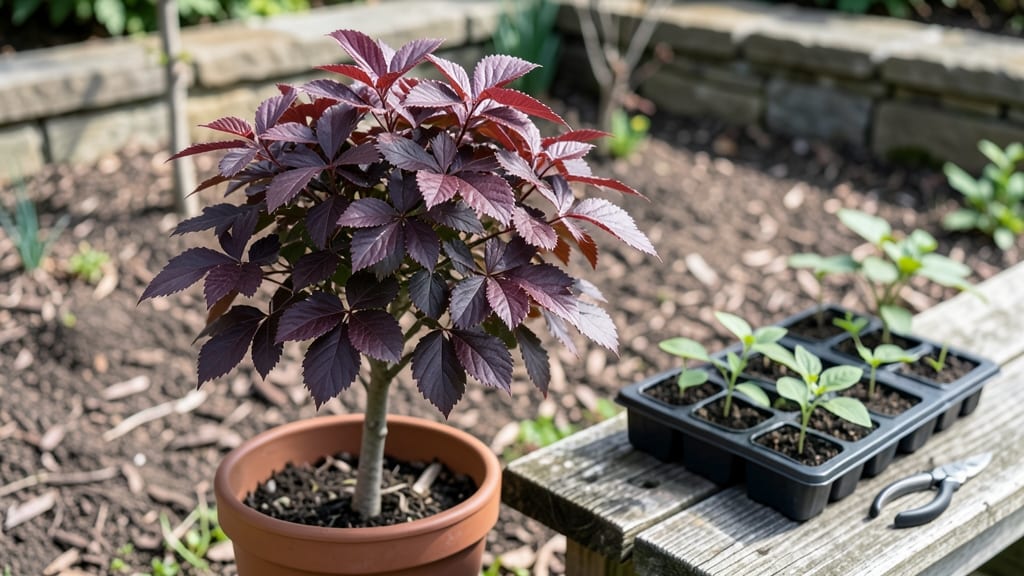
Tree planter pots turned my cramped patio into a mini forest. 🌳 These vertical space-savers let you grow trees where grass won't grow—balconies, sidewalks, even rooftop gardens. The right pot makes all the difference between a struggling sapling and a thriving statement piece.
Start with material that matches your climate: ceramic for Mediterranean heat, fiberglass for sun exposure, or plastic for lightweight mobility. Size matters too—5-gallon minimum for dwarf varieties, 15+ gallons for small ornamental trees. Drainage holes are non-negotiable unless you love root rot.
You’ll end up with a garden that looks intentional, not crowded. Imagine a Japanese maple in a glazed ceramic planter next to your door, its leaves catching morning light. Or a fruit tree in a wheelbarrow planter doubling as a side table. The possibilities redefine small-space gardening.
Works for urban balconies, suburban driveways, or even as living room centerpieces. The key is matching tree size to pot capacity and styling for your home’s vibe—whether that’s rustic, modern, or whimsical. Let’s make your space greener without the yard.
📚 In This Guide
- What you need
- Instructions
- Tips and common mistakes
- Wrapping up and next steps
What you need
- ● Tree Planter Pots: 1–3 pots (depending on the number of trees/shrubs)
- ● Size: 10–20 gallons (for small trees) or 5–10 gallons (for shrubs/herbs)
- ● Material: Fabric (breathable), plastic (durable), or ceramic (aesthetic)
- ● Growing Medium: High-quality potting mix (avoid garden soil—it compacts!)
- ○ Optional: Perlite or vermiculite (10–20% mix) for drainage
- ● Slow-release fertilizer (5–10 lbs per pot)
- ● Plants: 1–3 dwarf or slow-growing trees (e.g., Japanese maple, citrus, or fruit trees)
- ● OR compact shrubs/herbs (e.g., rosemary, lavender, or dwarf boxwood)
- ● Must-Haves: Trowel or small shovel
- ● Watering can or hose with a gentle spray nozzle
- ● Gloves (to protect your hands!)
- ● Nice-to-Haves: Drill (for adding drainage holes if needed)
- ● Level (to ensure pots sit straight)
- ● Mulch (to retain moisture and suppress weeds)
- ● Support stakes (for young, top-heavy trees)
- ● A sunny or partially shaded spot (check plant light requirements!)
- ● Access to water (pots dry out faster than ground soil)
- ● Basic knowledge of your USDA hardiness zone (to pick climate-appropriate plants)
- ○ Optional: A wall mount or sturdy shelf (if hanging pots)
Step-by-Step guide to setting up tree planter pots
Transform tight spaces into lush vertical gardens with these easy-to-follow steps.
🪴 Step 1: Choose and Prepare Your Tree Planter Pots
Select pots with drainage holes at least 6 inches in diameter—this prevents root rot by allowing excess water to escape. I like fabric grow bags because they expand as roots grow and mimic natural soil conditions. If using rigid containers, drill extra holes if the manufacturer's aren't sufficient.
Line the bottom with 1-2 inches of gravel or broken pottery to create a drainage layer. This keeps roots from sitting in water while allowing airflow. Skip this step if using self-watering pots with built-in reservoirs—they’re designed to handle moisture differently.
🌱 Step 2: Layer Soil for Optimal Root Development
Fill the bottom ⅓ of the pot with a well-draining potting mix (avoid garden soil—it compacts and suffocates roots). I blend 50% potting mix, 30% perlite, and 20% compost for the perfect balance of nutrients and aeration. Moisten the mix until it’s damp but not soggy—think of a wrung-out sponge.
For larger trees, add a slow-release fertilizer (like 10-10-10) mixed into the bottom layer. This gives roots a steady nutrient boost as they establish. If planting small saplings, skip the fertilizer—you’ll add it later when the tree is more established.
☀️ Step 3: Plant and Secure Young Trees
Dig a hole twice as wide as the root ball but no deeper than the container’s original depth. Gently remove the tree from its nursery pot and loosen any circling roots with your fingers—this encourages outward growth. Place the tree in the center of the pot and fill gaps with additional potting mix, pressing lightly to eliminate air pockets.
For stability, especially in windy areas, anchor the tree with 3-4 wooden stakes tied loosely to the pot’s sides. Use soft ties (like old T-shirts) to avoid damaging the trunk as it grows. Water deeply immediately after planting to settle the soil and remove air gaps.
💧 Step 4: Water and Monitor for Early Growth
Water until 1 inch of water drains from the bottom—this ensures roots get soaked without drowning. Check soil moisture daily for the first week by sticking your finger 1 inch deep; if it’s dry, water again. Overwatering is the #1 killer of container trees, so let the top ½ inch of soil dry between waterings.
Place pots in partial sun (4-6 hours daily) for the first month to reduce stress. Young trees need gentle acclimation—too much sun too soon can scorch leaves. Watch for wilting or yellowing; these are signs of overwatering or insufficient light, respectively.
⏰ Step 5: Maintain Long-Term Health and Growth
Fertilize every 6-8 weeks during the growing season with a balanced liquid fertilizer (like 20-20-20) diluted to half strength. Over-fertilizing burns roots, so always water the pot first to avoid salt buildup. In winter, reduce feeding to every 12 weeks or stop entirely if the tree is dormant.
Rotate pots quarter-turn weekly to ensure even sunlight exposure. You’ll notice new growth leaning toward the light—this is normal, but rotating prevents permanent bending. Prune any dead or yellowing leaves with clean, sharp shears to redirect energy to healthy growth.
Tips & tricks for perfect tree planter pots
These subtle adjustments will help your vertical garden thrive without the guesswork.
Drainage Layer Strategy: When creating that 1-2 inch drainage layer in Step 1, I recommend using clean river rocks instead of broken pottery. They last longer, don't break down over time, and create more consistent airflow around roots. If you're using self-watering pots, you can skip this entirely—their built-in reservoirs handle moisture retention differently, so just follow the manufacturer's guidelines for watering.
Soil Mix Customization: For the 50-30-20 soil blend in Step 2, consider adding a handful of worm castings to the compost portion. These natural nutrient boosters improve root development and microbial activity without altering the perfect aeration balance. If you're planting citrus trees, add a bit of sand to prevent compaction around the roots.
Staking Technique: In Step 3, when securing your tree with 3-4 wooden stakes, I've found that bamboo stakes work better than wooden ones—they're lighter, easier to adjust, and less likely to split as the tree grows. Make sure to tie them loosely enough that you can still slide a finger between the tie and the trunk. This prevents girdling as the tree expands.
Watering Visual Cue: The "1 inch of water draining" guideline in Step 4 can be tricky to judge. Here's my trick: Use a clear plastic bottle with measurement markings to pour water into the pot until you see it running out the drainage holes. This gives you a precise visual reference rather than estimating. For the first week, I check moisture by lifting the pot—if it feels light, it's time to water again.
Pro Tips for Tree Planter Pot
- These subtle adjustments will help your vertical garden thrive without the guesswork.
- Drainage Layer Strategy: When creating that 1-2 inch drainage layer in Step 1, I recommend using clean river rocks instead of broken pottery.
- Soil Mix Customization: For the 50-30-20 soil blend in Step 2, consider adding a handful of worm castings to the compost portion.
Frequently asked questions
Got questions about maximizing your small space with tree planter pots? You’re not alone! Here are some of the most common queries—and their easy answers—to help you grow confidently.
What’s the best time of year to plant trees in pots?
For most trees, early spring or fall is ideal—when temperatures are mild, and roots can establish without extreme heat or cold. Avoid planting in peak summer or winter. If you’re in a warm climate, late winter can also work, but always check your tree’s specific needs (e.g., citrus thrives in spring).
How often should I water a tree in a planter pot?
Watering depends on your tree’s size, pot material, and climate, but a general rule is 1–2 times per week in summer (daily for small pots in hot weather) and every 2–3 weeks in winter. Check soil moisture by sticking your finger 1–2 inches deep—if it’s dry, water thoroughly. Drainage holes are a must to prevent root rot!
Can I use regular pots, or do I need special tree planter pots?
While you can use standard pots, tree planter pots are designed with depth, stability, and aeration in mind. Look for pots with 18+ inches of depth (for mature roots), wide bases (to prevent tipping), and fabric or slotted sides (to reduce root circling). DIY solutions like large fabric grow bags work too!
Why is my tree in a pot struggling? Troubleshooting tips.
Common issues and fixes:
- Yellow leaves: Overwatering or poor drainage. Let soil dry slightly between waterings and upgrade to a pot with better drainage.
- Stunted growth: Root-bound or nutrient-deficient soil. Repot every 2–3 years and use a balanced fertilizer (like 10-10-10) in spring.
- Tipping over: Wind or uneven weight distribution. Bury the pot halfway in the ground or use a sandbag for stability.
How long can a tree stay in a planter pot before it needs repotting?
Most trees should be repotted every 2–3 years to accommodate root growth, but it varies by species. Signs it’s time: Roots circling the pot, soil drying out too fast, or the tree outgrowing its space. If you’re keeping the tree long-term, consider gradually upsizing pots (e.g., 5-gallon → 15-gallon) or transitioning to ground planting.
Wrapping up and next steps
Transforming your small yard into a lush, green haven is easier than ever with tree planter pots—they’re the perfect solution for maximizing space without sacrificing style or sustainability. 🌱 Whether you’re a beginner or a seasoned gardener, these versatile pots let you grow trees, shrubs, or even veggies in tight spaces, proving that big dreams don’t need big yards.
Ready to get started? Pick your favorite design, gather your supplies, and plant with confidence!
- Next step: Browse our tree planter pot collection and choose the one that fits your vision.
- Pro tip: Tag us in your green thumb projects—we’d love to see your progress! 📸