
Pruning
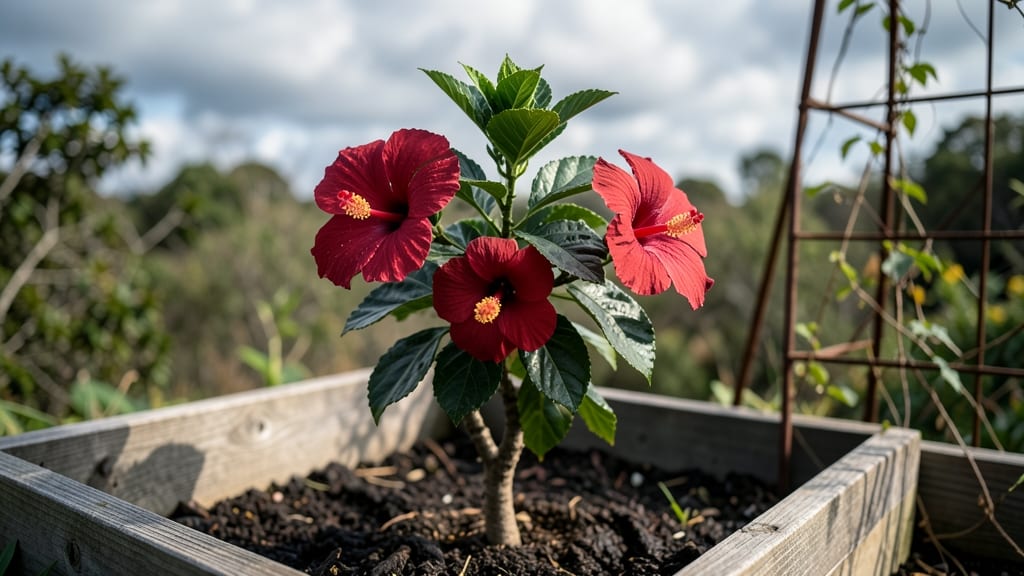
Your tropical hibiscus tree can bloom year-round in the Pacific Northwest—yes, even through our famously damp winters. 🌺 I've spent years perfecting the pruning routine that keeps mine covered in flowers from spring to frost, and the secret isn't complicated: it's about timing, technique, and understanding how these tropical divas respond to our cooler climate.
The key starts with pruning in late winter when new growth begins, not when you see buds forming. You'll need sharp bypass pruners, rubbing alcohol for cuts, and a clear day to work—no soggy branches here.
The goal is to shape the tree while encouraging dense, bushy growth that produces more blooms. I've found that cutting back by about one-third each year keeps my 10-foot specimen lush and flowering continuously.
What you'll end up with is a tree that looks like it belongs in Hawaii, not Seattle. The flowers stay vibrant, the branches fill in, and you'll have three distinct bloom cycles instead of just one.
The first flush comes in early summer, then again in fall, and with the right winter care, you'll get a bonus round in spring before the rainy season really sets in.
This method works for both container-grown hibiscus and in-ground plantings, though containers let you move the tree to sheltered spots during our coldest months. The pruning itself takes about 45 minutes for a mature tree—less if you do it regularly.
Here's exactly how to make it happen without sacrificing next year's blooms.
📚 In This Guide
- What you need
- Instructions
- Tips and common mistakes
- Wrapping up and next steps
What you need
- ● Pruning shears: Bypass pruners (sharp, sterilized with rubbing alcohol) for clean cuts on small branches.
- ● Loppers: 1 pair (8–12" blades) for thicker branches (up to 2" diameter).
- ● Hand saw: Pruning saw with a fine-tooth blade for stubborn, woody stems.
- ● Gloves: Heavy-duty, cut-resistant gloves (hibiscus thorns are no joke!).
- ● Disinfectant: 70% isopropyl alcohol or bleach solution (1 part bleach to 9 parts water) to sterilize tools between cuts.
- ● Rag or paper towels: For wiping tools and hands post-pruning.
- ○ Pruning sealant: Optional but helpful for large cuts (e.g., Tanglefoot Tree Wound Pruning Seal).
- ● Timing: Prune in late winter or early spring (Feb–March) for PNW’s mild climate, or after flowering if in a warmer microclimate.
- ● Weather: Choose a dry, overcast day to avoid stressing the tree.
- ● Safety gear: Long sleeves/pants (thorns!) and sturdy shoes (branches may fall).
- ● Water: 1 gallon jug + hose for post-pruning hydration.
- ● Trash bag: 1 large bag for debris (hibiscus leaves are heavy!).
- ● 🌡️ Hardiness hack: If your hibiscus is potted, move it to a protected location (e.g., near a south-facing wall) during winter to prevent cold damage.
- ● ✨ Fertilizer boost: After pruning, add a balanced fertilizer (10-10-10) to support new growth.
- ● 🔥 Dead wood test: Tap branches—if they sound hollow, they’re dead and should be removed.
Step-by-step guide for pruning your Pacific Northwest tropical hibiscus
Here's how to keep your hibiscus blooming nonstop—even in our damp climate.
✂️ Step 1: Time Your First Pruning for Late Winter
Prune your tropical hibiscus in late January or early February—just as new growth begins. This is critical because cold snaps can still hit the PNW, and fresh cuts heal faster when temperatures are stable above 45°F. Wait until you see pale green buds forming along the branches; these signal the plant's natural flush of spring growth.
Use clean, sharp pruning shears to make cuts at a 45-degree angle, about ¼ inch above a leaf node. Avoid cutting into old wood—you'll know it's too mature if the center is hollow or the bark is thick. I always prune on a dry morning so the wounds have time to dry and seal naturally before evening moisture sets in.
🌿 Step 2: Shape for Airflow and Light Penetration
Step back and examine your plant's structure. Tropical hibiscus needs open, airy branches to prevent fungal diseases common in our damp climate. Remove any crossing branches first—these rub against each other and create wounds. Then, trim back overly long stems to ⅓ of their length, cutting just above a set of leaves that face outward.
Here's the thing—hibiscus blooms on new wood, so aggressive pruning actually encourages more flowers. I like to create a rounded, vase-like shape rather than a formal hedge. Avoid cutting into the main trunk unless it's absolutely necessary, as this stresses the plant. Watch for water sprouts (thin, upright growth) and remove them completely—they sap energy from flowering.
☀️ Step 3: Summer Maintenance for Continuous Blooms
After the initial pruning, your hibiscus will reward you with a spring flush of blooms. But to keep flowers coming all season, you need to lightly prune every 6-8 weeks. Look for spent blooms and cut the stem back to the next leaf node—this redirects energy to new growth rather than seed production.
In the PNW's humid summers, fungus gnats can become a problem. I always wipe down fresh cuts with a 70% isopropyl alcohol pad to sterilize them. If you notice yellowing leaves, check the undersides for white fungal growth—this means you're pruning too late in the season or the plant is stressed. At that point, hold off on pruning until spring.
⏰ Step 4: Prepare for Winter with Minimal Pruning
Contrary to what many gardeners think, tropical hibiscus doesn't need heavy pruning in fall. Instead, focus on removing only dead or diseased branches and any growth that looks stunted or yellowed. These are signs the plant is struggling with our cooler, wetter weather.
I like to give my hibiscus a light trim in late October to clean up any messy growth, but I avoid heavy cuts. The goal is to reduce stress so the plant can focus on protecting itself during winter. If you live in a Zone 8 or colder area, consider moving potted hibiscus indoors near a south-facing window where temperatures stay above 50°F—this prevents shock and keeps the plant healthy for next year's blooms.
Tips & tricks for perfect tropical hibiscus tree pruning
Let me save you from the common mistakes that turn vibrant blooms into sad, sparse branches.
Timing is Everything: That late January to early February window isn't just a suggestion—it's when your hibiscus naturally starts its growth cycle. I've seen gardeners prune too early and get shocked branches, or too late and miss the bloom boost. Look for those pale green buds as your signal to start. And remember, temperatures need to stay above 45°F for proper healing—our PNW winters can be tricky, so check your forecast!
Angle Matters More Than You Think: When you make those cuts at a 45-degree angle about ¼ inch above a leaf node, you're not just following instructions—you're creating the perfect conditions for new growth. The angled cut helps water run off, preventing rot in our damp climate. And always cut just above a leaf node where new buds form—this is where your plant's future blooms will emerge. I can't tell you how many times I've seen people cut too close to the node and stunt future growth.
Summer Pruning Secret: Those 6-8 week intervals might seem frequent, but they're what keeps your hibiscus flowering continuously. Here's what nobody tells you—when you remove spent blooms, you're not just cleaning up, you're telling the plant to focus its energy on producing more flowers rather than seeds. And that 70% isopropyl alcohol wipe-down? It's your secret weapon against fungus gnats in our humid summers. Trust me, your plant will thank you with bigger, brighter blooms.
Winter Care That Makes a Difference: That light October trim isn't about shaping—it's about stress reduction. Heavy cuts now can leave your plant vulnerable to our cooler, wetter weather. If you're in Zone 8 or colder, moving potted hibiscus indoors near a south-facing window (where temps stay above 50°F) can make all the difference between a healthy plant and one struggling to recover. I've revived many a neglected hibiscus just by giving it this simple winter protection.
Pro Tips for Tropical Hibiscus Tree
- Let me save you from the common mistakes that turn vibrant blooms into sad, sparse branches.
- Timing is Everything: That late January to early February window isn't just a suggestion—it's when your hibiscus naturally starts its growth cycle.
- Angle Matters More Than You Think: When you make those cuts at a 45-degree angle about ¼ inch above a leaf node, you're not just following instructions—you're creating the perfect conditions for new growth.
Frequently asked questions
Got questions about keeping your tropical hibiscus tree thriving in the Pacific Northwest? Here are some common concerns—and their solutions—to help you master year-round pruning and blooms!
How do I prune a tropical hibiscus tree to encourage more flowers?
Prune your hibiscus tree after blooming (late summer/early fall) to shape it and promote new growth. Cut back 1/3 of the oldest stems to the nearest leaf node, and trim leggy branches to encourage bushier, flower-filled growth. Avoid heavy pruning in winter—hibiscus trees are sensitive to cold!
Can I prune my tropical hibiscus tree in winter?
Light pruning (removing dead or damaged branches) is fine in winter, but avoid heavy cuts. Hibiscus trees are semi-tropical and can struggle with cold stress. Wait until spring (after frost risk passes) for major shaping. If your tree is potted, move it indoors or to a sheltered spot during harsh PNW winters!
How long does it take for a pruned hibiscus tree to bloom again?
With proper care, you’ll see new buds in 6–12 weeks after pruning. Healthy trees respond quickly to pruning, especially if they’re fertilized with a balanced, acid-loving plant food (like 10-10-10 or a hibiscus-specific blend). Keep it in bright, indirect light and water consistently for the best results.
What if my hibiscus tree isn’t blooming after pruning?
Check these fixes:
- Light: Hibiscus needs 6+ hours of sunlight daily—move it closer to a south-facing window or use grow lights.
- Fertilizer: Feed with a high-potassium, low-nitrogen fertilizer (like 5-10-10) every 4–6 weeks during growing season.
- Water: Keep soil consistently moist but not soggy—wilting or overwatering can stress the tree.
- Age: Young trees (under 2 years) may need time to mature before blooming.
Are there cold-hardy hibiscus alternatives for the PNW?
If tropical hibiscus struggles in your climate, try these hardier options:
Variety
Hardiness Zone
Bloom Time
Hibiscus moscheutos (Swamp Hibiscus)
Zones 5–9
Summer to early fall
Hibiscus syriacus (Rose of Sharon)
Zones 5–9
Mid-summer to frost
Hibiscus coccineus (Scarlet Hibiscus)
Zones 5–9
Summer
These varieties handle PNW winters better but may still need winter protection in colder microclimates.
Wrapping up and next steps
Your tropical hibiscus tree can thrive year-round in the Pacific Northwest with the right pruning care! By following seasonal techniques—like winter shaping, spring revitalization, and summer maintenance—you’ll encourage vibrant blooms and healthy growth. Remember, patience and consistency are key, so don’t rush the process.
Ready to give your hibiscus the love it deserves? Start with a quick trim this week—grab your tools, review the steps, and watch your tree flourish! 🌺✨