Pruning
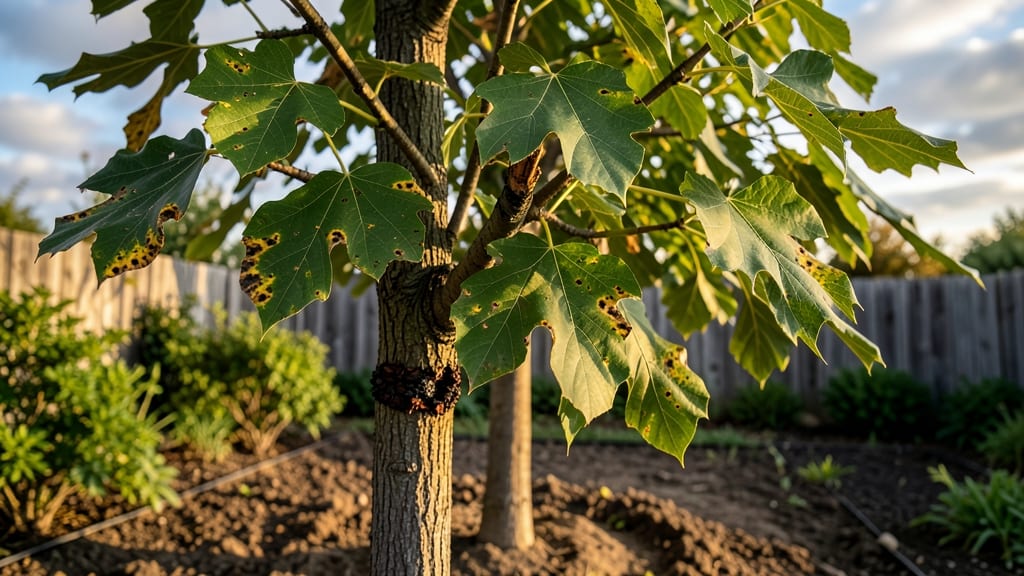
Even the sturdiest tulip poplar tree faces problems—so when its leaves suddenly turn brown and drop like autumn leaves in July, it’s not just a bad hair day—it’s a cry for help. 🌳 These towering beauties are tough, but they face five classic issues that can turn a stately tree into a sad shadow of itself if you ignore them.
I’ve seen anthracnose fungus turn vibrant foliage into a sad, spotted mess, and watched borers hollow out trunks faster than you can say "landscaping disaster."
The good news? Most of these issues have simple fixes once you spot them early. Think of it like a checkup for your tree—pruning weak branches, treating fungal spots with copper spray, and keeping the soil loose so roots breathe.
My neighbor’s poplar went from looking like a fire victim to thriving in just two seasons after we tackled the root rot and compacted soil. The secret isn’t fancy tools; it’s knowing what to look for and acting fast.
You’ll end up with a tree that stays lush, sturdy, and full of life instead of a sad, skeletal reminder of what went wrong. The key is catching problems before they spiral—think of it as tree CPR.
We’ll cover the five most common issues, how to spot them, and the straightforward fixes that actually work, so you can enjoy that shade without the stress.
Whether your tree’s struggling with pests, disease, or just poor growing conditions, these solutions scale from small yards to big landscapes. Let’s get that tulip poplar back to its majestic self—before it’s too late.
📚 In This Guide
- What you need
- Instructions
- Tips and common mistakes
- Wrapping up and next steps
What you need
- ● Pruning tools: 1 sharp bypass pruners (for clean cuts on branches ≤¾ inch thick)
- ● 1 pruning saw (for branches 1–3 inches thick)
- ● 1 loppers (for branches 2–4 inches thick)
- ● 1 pole pruner (for high branches, 10–20 ft reach)
- ● Diagnostic tools: 1 hand lens (10x magnification) (for inspecting bark, leaves, or pests)
- ● 1 pH test kit (for soil analysis, if nutrient deficiency is suspected)
- ● 1 moisture meter (to check soil hydration levels)
- ● Safety gear: 1 pair cut-resistant gloves (to protect hands during pruning)
- ● 1 safety goggles (to shield eyes from debris)
- ● 1 earplugs (if using a chainsaw for large branches)
- ● Treatment supplies: 1 fungicide (copper-based or systemic, like Neem Oil or Propiconazole)
- ● 1 insecticidal soap (for soft-bodied pests like aphids or scale)
- ● 1 borer-resistant sealant (like Tanglefoot or Ortho Fruit Tree Spray)
- ● 1 mulch (3–4 inches of wood chips or shredded bark to retain moisture)
- ● 1 chainsaw (for branches >4 inches thick—only if experienced!)
- ● 1 tree wound dressing (like Pruning Seal, though not always recommended for tulip poplars)
- ● 1 spray bottle (for targeted fungicide/insecticide application)
- ● 1 wheelbarrow (to haul debris or mulch)
- ● 1 tree tie or zip tie (for securing heavy branches post-pruning)
How to diagnose and fix tulip poplar tree issues
Here's how I tackle the most common tulip poplar problems—no guesswork, just clear fixes.
🌿 Step 1: Identify Leaf Discoloration and Yellowing
Start by examining the leaves for yellowing or browning patches. Tulip poplars often develop chlorosis (yellowing between leaf veins) when soil pH is too high or iron is deficient. Check the soil around the base—if it feels alkaline (pH above 7.0), that's your culprit. I like to test with a simple pH kit from the garden center.
Look for other clues: if only new growth is yellow, it's likely iron deficiency. If older leaves yellow first, check for nutrient imbalances. Don't panic if you see some yellowing—tulip poplars naturally shed leaves in fall, but widespread yellowing signals trouble.
🌱 Step 2: Check for Fungal Diseases and Cankers
Inspect the trunk and branches for sunken, discolored patches or oozing sap—these are classic signs of cankers or fungal infections. I run my fingers along the bark to feel for rough, cracked areas. Tulip poplars are prone to verticillium wilt, which causes wilting leaves and dark streaks in the wood when cut open.
If you spot fungal growth (black or white mold), avoid touching it—fungal spores spread easily. Prune infected branches 6 inches below the visible damage with clean, sharp shears. Sterilize your tools between cuts with rubbing alcohol to prevent spreading disease.
💧 Step 3: Assess Watering and Root Health
Tulip poplars need consistent moisture but hate soggy roots. Check the soil 12 inches deep—if it's bone-dry, water deeply until moisture reaches that depth. If the soil stays waterlogged, you may have poor drainage or root rot. I dig a small hole near the trunk to inspect roots: healthy roots are white or tan, while rotten ones are mushy and dark.
For waterlogged soil, improve drainage by adding 2-3 inches of compost to the root zone and mulching with 3-4 inches of wood chips to retain moisture without suffocating roots. Avoid compacting the soil around the base—tulip poplars need room for their extensive root system.
✂️ Step 4: Address Pest Infestations
Look for signs of borers (tiny holes in bark or sawdust-like frass) or aphids (sticky residue on leaves). I tap branches over a white sheet to spot falling insects. Tulip poplars attract poplar borers, which tunnel under the bark. If you see wilting despite proper watering, borers could be blocking water flow.
For borers, inject beneficial nematodes into the holes or apply neem oil spray during dormancy. For aphids, blast them off with water or use insecticidal soap. Prune heavily infested branches and dispose of them in sealed bags—never compost pest-ridden plant material.
☀️ Step 5: Evaluate Sunlight and Environmental Stress
Tulip poplars need full sun to partial shade (6+ hours of direct light daily). If leaves scorch (brown, crispy edges), the tree may be getting too much afternoon sun. On the other hand, leggy growth or sparse foliage signals insufficient light. Observe the tree's position—nearby buildings or mature trees can cast unexpected shade.
If environmental stress is the issue, adjust by thinning nearby vegetation or moving young trees to a sunnier spot. Avoid transplanting mature trees—once established, tulip poplars handle stress poorly. Mulch the base with 3-4 inches of organic mulch to regulate soil temperature and reduce stress.
Tips & tricks for diagnosing tulip poplar tree issues
These practical tips will help you spot problems early and fix them before they become serious.
Leaf Color Clues: When checking for chlorosis in Step 1, compare the yellowing to the underside of healthy leaves. The undersides should be a vibrant green—if they're pale or yellow too, your tree needs more than just pH adjustment. Iron deficiency often shows up first on new leaves, so focus there when testing for nutrient issues.
Pruning Precision: In Step 2, when cutting branches with fungal infections, make your cuts at a 45-degree angle just outside the branch collar. This helps water run off properly and prevents future rot. Always sterilize your pruning tools between cuts to avoid spreading disease—just a quick wipe with rubbing alcohol works.
Root Inspection: For Step 3, use a trowel to gently loosen soil around the base before inspecting roots. Healthy roots should spring back when squeezed, while rotten ones will collapse. If you find root rot, avoid watering until the soil dries out completely—often a few weeks of letting the soil dry helps recover.
Pest Detection: In Step 4, set up a white sheet under the tree and tap branches to spot falling insects. Poplar borers leave behind sawdust-like frass (insect droppings) that looks like tiny wood shavings. If you find these, treat immediately—borers can kill a tree within a year if left untreated.
Pro Tips for Tulip Poplar Tree Problems
- These practical tips will help you spot problems early and fix them before they become serious.
- Leaf Color Clues: When checking for chlorosis in Step 1, compare the yellowing to the underside of healthy leaves.
- Pruning Precision: In Step 2, when cutting branches with fungal infections, make your cuts at a 45-degree angle just outside the branch collar.
Frequently asked questions
Got questions about keeping your tulip poplar tree healthy and thriving? Here are some of the most common concerns—and expert answers to help you tackle them like a pro!
What are the most obvious signs that my tulip poplar tree is sick or dying?
Ailing tulip poplars often show yellowing leaves (chlorosis), thinning canopies, or oozing sap from cracks in the bark. Look for fungal growths (like cankers) or insect damage (e.g., holes from borers). Act fast! If branches die back or the tree leans unnaturally, it may need urgent care—prune dead wood and consult a local arborist.
When is the best time to prune a tulip poplar to prevent disease?
Prune in late winter or early spring (before buds swell) to avoid spreading fungal spores. Never prune during wet weather—clean tools with rubbing alcohol between cuts to prevent bacterial infections. Pro tip: Remove no more than 25% of the canopy in one season to avoid stressing the tree.
How do I tell if my tulip poplar has borer worms or beetles?
Check for small, round exit holes (1/8"–1/4" wide) in the bark or sawdust-like frass (insect waste) near the base. Tap branches—hollow-sounding wood signals infestation. Act now! Use beneficial nematodes or systemic insecticides (like imidacloprid) for severe cases. Prune infested branches 12" below the damage.
Can I replace a diseased tulip poplar with a different tree?
Yes! If your tree is beyond saving, consider disease-resistant alternatives like white oak, sycamore, or green ash. Tulip poplars are stunning but prone to verticillium wilt and anthracnose. Choose a spot with good drainage and space for mature growth (50–70' tall/wide). Always test soil pH (ideal: 6.0–7.0) before planting.
Why does my tulip poplar’s bark keep peeling or splitting?
Peeling bark is normal for tulip poplars (they’re exfoliating trees!), but deep cracks or oozing sap signal stress. Causes include sun scald, poor watering, or winter injury. Fix it: Mulch 3" deep (keep it away from the trunk) and water deeply 1–2x/week in dry spells. Avoid over-fertilizing—it weakens bark.
Wrapping up and next steps
Tulip poplar trees are stunning additions to any landscape, but like all plants, they can face challenges.
From fungal infections to pest invasions, understanding these common tulip poplar tree problems is the first step to keeping your tree healthy and thriving. 🌳 With the right care—like proper pruning, monitoring for signs of distress, and addressing issues early—you can help your tree bounce back stronger than ever.
Ready to take action? Start by inspecting your tree regularly and tackling issues head-on. If you’re unsure about a diagnosis or treatment, don’t hesitate to consult a local arborist or extension service—they’re there to help!
A little effort now can mean a vibrant, long-lasting tulip poplar for years to come. 💪