
Pruning
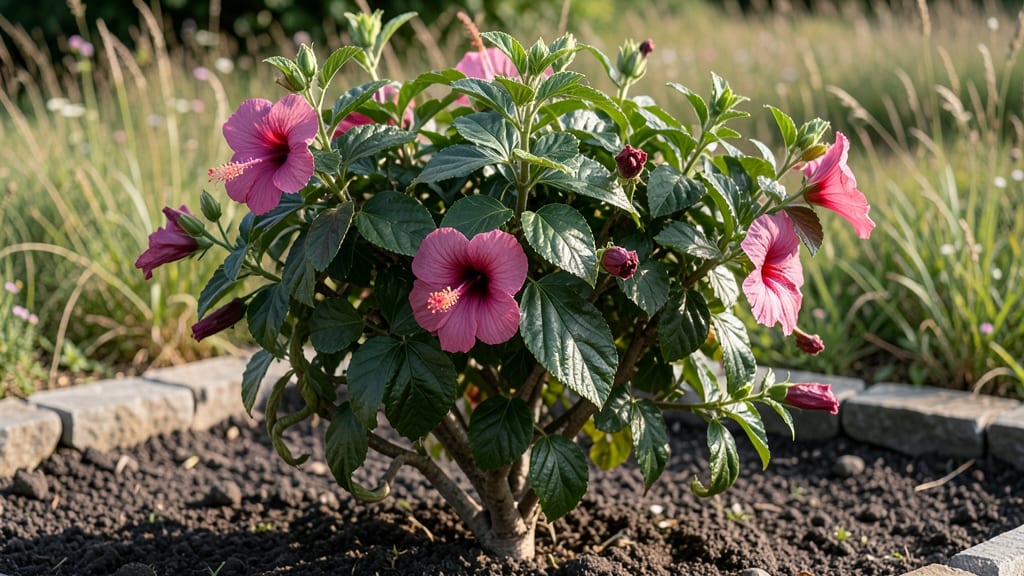
Your twisted hibiscus tree could be the Pacific Northwest's most dramatic focal point—if you prune it right. ✨ I learned the hard way that these striking trees need careful shaping to survive our damp winters and thrive through summers.
The key isn't just cutting back; it's understanding when, how much, and where to trim for that signature twisted silhouette while keeping the plant healthy.
Start with the right tools: clean, sharp pruners, gloves, and a ladder if your tree is tall. The best time to prune is late winter or early spring, just as new growth begins.
You'll want to remove dead or crossing branches first, then shape the remaining growth to encourage that iconic twisted form. For frost-prone areas, avoid heavy pruning in fall—it leaves the tree vulnerable to cold damage.
What you'll end up with is a tree that looks like a living sculpture, with sturdy branches that support vibrant blooms all season. The twisted structure makes it naturally wind-resistant, perfect for coastal gardens.
Plus, proper pruning means fewer pests and diseases creeping in through weak growth points. Think of it as giving your tree both artistry and longevity.
This method works for both young trees you're shaping from scratch and mature specimens needing rejuvenation. The same principles apply whether you're working with the 'Twisted Sister' cultivar or other contorted hibiscus varieties. Ready to transform your garden's centerpiece? Let's get those pruners out.
📚 In This Guide
- What you need
- Instructions
- Tips and common mistakes
- Wrapping up and next steps
What you need
- ● Pruning shears: Sharp, bypass-style shears (for clean cuts on smaller branches). Size: 6–8 inches.
- ● Loppers: Heavy-duty loppers (for thicker branches, up to 2 inches in diameter). Look for: Ratcheting or bypass blades.
- ○ Pruning saw: Curved-tooth saw (for branches thicker than 2 inches). Optional but handy: A folding saw for portability.
- ● Gloves: Garden gloves with reinforced palms (to protect against thorns and rough bark). Material: Leather or heavy-duty synthetic.
- ● Disinfectant: 70% isopropyl alcohol or a pruning sealant (to prevent disease spread).
- ● Cleaning supplies: Rag or paper towels
- ● Mild soap (e.g., dish soap) and water
- ● Ladder or step stool: Sturdy and tall enough to reach the tree’s highest branches. Safety tip: Use a non-slip surface or a friend to stabilize!
- ○ Twine or zip ties: (Optional) For temporarily securing branches during pruning.
- ● Timing: Prune in early spring (before new growth) or late winter (when the tree is dormant). Avoid pruning in fall—it can stress the tree before winter.
- ● Weather: Choose a dry, overcast day to minimize sap bleeding and reduce the risk of fungal infections.
- ● Safety gear: Safety glasses (to shield eyes from debris)
- ● Long sleeves/pants (to protect against thorns and sun exposure)
- ● Tree assessment: Inspect the tree beforehand for dead, diseased, or crossing branches—mark them with tape or twine if needed.
- ● Sterilize tools: Wipe blades with rubbing alcohol before and after pruning to avoid contaminating cuts. 🦠
- ● Sharp is key: Dull tools crush branches instead of making clean cuts—test your shears on a small branch first! ⚡
- ● Disposal: Remove pruned branches from your yard to prevent pests or diseases from lingering. Compost only healthy, disease-free clippings.
How to prune a twisted hibiscus tree for frost resistance
Here’s the method I’ve used to keep my twisted hibiscus thriving through Pacific Northwest winters.
🌿 Step 1: Assess the Tree’s Structure and Frost Damage
Start by examining your twisted hibiscus in early spring, just as new growth begins. Look for any branches that died back from frost—these will be brittle and brown, not the vibrant green of healthy wood. I always run my fingers along the branches to feel for dry, papery bark that signals winter damage.
Identify the main trunk and primary branches that form the tree’s signature twisted silhouette. These are your structural anchors and should be prioritized for preservation. Mark any branches that cross or rub together, as these create weak points where disease can enter.
✂️ Step 2: Prune for Airflow and Frost Hardiness
Using sharp, sterilized pruning shears, remove any dead or damaged branches first. Cut just outside the branch collar—the swollen area where the branch meets the trunk—to encourage clean healing. I make my cuts at a 45-degree angle about ¼ inch above a bud or lateral branch to guide new growth.
Next, thin out any crowded branches to improve airflow. Twisted hibiscus needs good circulation to dry quickly after rain, which prevents fungal issues. Remove no more than 25% of the foliage in one pruning session—this keeps the tree strong enough to handle late frosts.
🌱 Step 3: Shape for Winter Resilience
Focus on maintaining the tree’s natural twisted form while opening the center to sunlight. I step back frequently to visualize how light and air move through the branches. Cut back any leggy growth that’s stretching toward the sun—these are weak and more susceptible to frost damage.
For frost-prone areas, prioritize pruning branches that face north or east, as they receive less winter sun. Shorten these by about one-third to reduce exposure to cold winds. Always prune after the last expected frost date in your zone—typically mid-May in the Pacific Northwest.
💧 Step 4: Post-Pruning Care for Frost Recovery
Water deeply after pruning to help the tree recover. The roots need moisture to support new growth, especially if you’ve removed a significant portion of branches. I apply a 2-3 inch layer of mulch around the base (but not touching the trunk) to insulate roots during future frosts.
Monitor the tree for new growth over the next few weeks. Healthy leaves should emerge within 4-6 weeks of pruning, signaling the tree is recovering well. If you notice yellowing leaves, it’s usually a sign of over-pruning—cut back on future sessions.
Tips & tricks for pruning your twisted hibiscus tree
Real talk: Pruning twisted hibiscus isn't just about cutting branches—it's about sculpting resilience. Here's what I've learned after years of keeping mine thriving through PNW winters.
Timing is Everything: That mid-May window after last frost isn't just a suggestion—it's critical. Early spring pruning can stimulate new growth that might not survive late frosts. I've seen too many gardeners rush this step and lose their tree's structure. Mark your calendar for when your zone's last frost date typically falls.
The 25% Rule: Never remove more than 25% of foliage in one session—this is non-negotiable for frost-prone areas. I learned this the hard way when I over-pruned and my tree struggled to recover. Think of it like giving your tree a haircut—you want to shape it, not shave it. The 25% guideline ensures your twisted hibiscus maintains enough energy to handle winter's challenges.
Branch Angle Secrets: Those 45-degree cuts aren't just for looks—they're about directing water runoff away from the branch collar. I always make my cuts just outside this swollen area to prevent water pooling, which can lead to rot. The quarter-inch clearance above buds or lateral branches guides new growth in the direction you want, maintaining that signature twisted shape.
Mulch Matters: That 2-3 inch layer of mulch isn't just decoration—it's insulation. I've found that mulch helps maintain soil temperature, which is crucial for root health during our unpredictable PNW winters. Just remember to keep it 2-3 inches away from the trunk to prevent moisture buildup that could attract pests.
Pro Tips for Twisted Hibiscus Tree
- Real talk: Pruning twisted hibiscus isn't just about cutting branches—it's about sculpting resilience.
- Timing is Everything: That mid-May window after last frost isn't just a suggestion—it's critical.
- The 25% Rule: Never remove more than 25% of foliage in one session—this is non-negotiable for frost-prone areas.
Frequently asked questions
Got questions about pruning your twisted hibiscus tree in the Pacific Northwest? You’re not alone! Here are answers to the most common queries—from timing tips to frost-proofing tricks.
When should I prune my twisted hibiscus to survive PNW winters?
Prune your twisted hibiscus late winter or early spring (February–March) before new growth starts. This timing helps it harden off before frost and avoids late-season cuts that could expose tender wood. In mild PNW winters, a light prune in fall (October) can also encourage denser growth—just avoid heavy cuts!
How do I know if I’m pruning too much or too little?
Aim to remove no more than 20–30% of the tree’s total branches per year. Look for dead, crossing, or overcrowded branches—these are prime candidates. Over-pruning weakens the tree, while under-pruning can lead to leggy growth. Twisted hibiscus thrives on structure, so focus on shaping rather than drastic reductions.
Will pruning help my twisted hibiscus survive PNW frosts?
Pruning improves airflow and sunlight penetration, which reduces frost damage by preventing ice buildup on branches. However, twisted hibiscus is semi-hardy (USDA Zone 8–10), so winter protection is key. After pruning, wrap the trunk with burlap and mulch the base with 6–8 inches of straw. In harsh winters, consider a lightweight frost cloth over the canopy.
Are there alternatives to twisted hibiscus for PNW frost-prone gardens?
If you love dramatic, vertical growth but need frost-hardier options, try:
- Japanese maple (Acer palmatum) – Hardy to Zone 5, with stunning foliage.
- Smoke tree (Cotinus) – Zone 4–8, drought-tolerant, and great for texture.
- Ninebark (Physocarpus) – Zone 3–7, low-maintenance, and blooms reliably.
- Dwarf conifers (e.g., Picea pungens ‘Glauca Globosa’) – Frost-proof and compact.
My twisted hibiscus leaves are yellowing after pruning—what’s wrong?
Yellowing leaves post-prune are usually normal stress, but check for:
- Overwatering – Hibiscus hates soggy roots. Let soil dry between waterings.
- Nutrient deficiency – Feed with balanced fertilizer (10-10-10) in spring.
- Pests – Inspect for aphids or spider mites (spray with neem oil if needed).
- Fungal issues – Prune in dry weather and sterilize tools with rubbing alcohol.
Wrapping up and next steps
The twisted hibiscus tree isn’t just a stunning addition to your Pacific Northwest garden—it’s a resilient, frost-defying masterpiece that rewards patience and care.
With the right pruning techniques, you’ll encourage its unique growth, vibrant blooms, and long-term health. Now’s your chance to transform your outdoor space into a vertical garden showstopper!
Ready to take the next step? Grab your tools, schedule a pruning session on a mild day, and watch your twisted hibiscus thrive. Happy gardening! 🌿✨