
Pruning
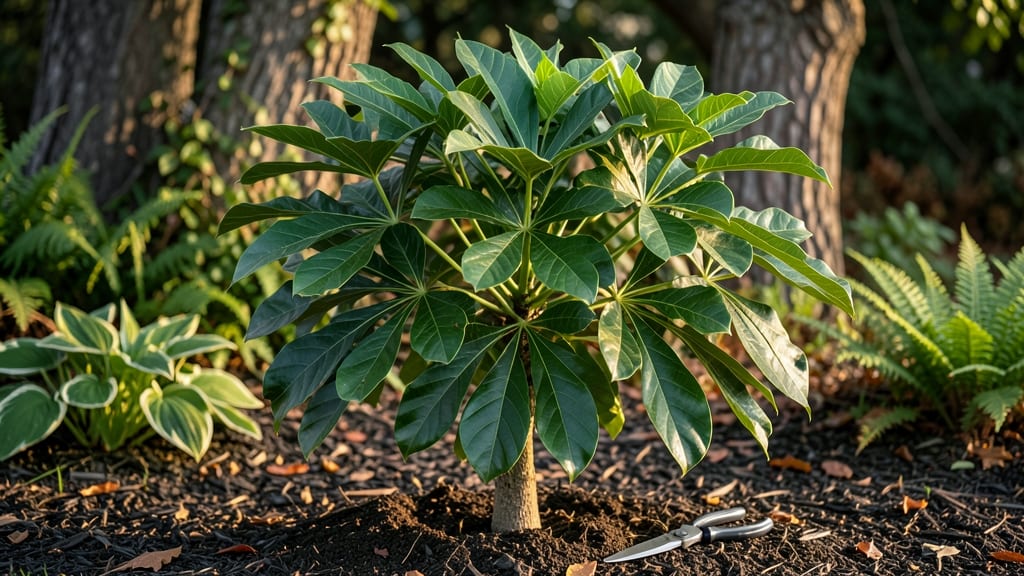
Growing an umbrella tree outdoors transforms any yard into a lush, year-round privacy screen that thrives in all four seasons. 🌿 I’ve watched mine go from a delicate sapling to a towering, leafy fortress—its glossy fronds blocking nosy neighbors while letting sunlight filter through like a natural curtain.
The key? Matching its tropical roots to your climate without smothering it with fuss.
This tree loves warmth but isn’t picky—partial shade to full sun works, as long as you protect it from harsh afternoon rays in hot zones.
Well-draining soil is non-negotiable (think sandy loam or amended native dirt), and watering should mimic its rainforest habits: deep soaks weekly in summer, then letting it rest in winter. Prune back leggy stems in spring to encourage bushier growth, and you’ll have a neighborhood-jealousy-worthy backdrop within three years.
What you’ll end up with is a low-maintenance giant that handles heat, humidity, and even light frost (down to 20°F) if you bring it indoors for winter. The leaves stay vibrant year-round, and unlike bamboo or evergreens, it doesn’t turn into a fire hazard.
Plus, deer and rabbits leave it alone—unlike most of my other plants.
Best part? It scales to your needs: 5-foot-tall in containers for patios or 20-foot-tall as a hedge with time. Whether you’re masking a chain-link fence or adding tropical drama to a courtyard, this tree delivers privacy without the upkeep. Let’s get yours thriving outdoors.
📚 In This Guide
- What you need
- Instructions
- Tips and common mistakes
- Wrapping up and next steps
What you need
- ● Umbrella tree seedlings or saplings (3–5 plants per 10-foot section for dense coverage; choose Schefflera actinophylla or Schefflera arboricola varieties).
- ● High-quality potting soil or well-draining garden mix (50 lbs minimum for planting 3–5 trees).
- ● Organic compost or slow-release fertilizer (10-10-10 NPK ratio, 1 lb per plant).
- ● Mulch (wood chips or pine straw) (2–3 inches thick, enough to cover the root zone).
- ● Watering can or hose with a gentle spray nozzle (for deep, consistent hydration).
- ● Pruning shears or loppers (sharp, sterilized tools for shaping and maintenance).
- ● Gloves and long sleeves (to protect against thorns and sun exposure).
- ● Stakes and soft ties (for young trees to ensure stability in windy areas).
- ● Slow-release fertilizer spikes (for hassle-free seasonal feeding).
- ● Anti-transpirant spray (to reduce water loss during hot months).
- ● Decorative trellis or lattice (to guide growth and add aesthetic appeal).
- ● Soil moisture meter (to monitor hydration levels accurately).
- ● Plant food with micronutrients (for extra vigor, especially in poor soil).
How to plant and maintain an umbrella tree for year-round privacy
Here's the straightforward approach I've used to create lush, evergreen privacy screens that thrive through all seasons.
🌱 Step 1: Choose the Perfect Planting Location
Umbrella trees (Schefflera actinophylla) need bright, indirect light to maintain their glossy foliage and compact growth habit. A spot that receives 4-6 hours of morning sun with afternoon shade works best in most climates. Avoid deep shade—leaves will yellow and grow sparse over time.
Check your site's moisture patterns before planting. Umbrella trees dislike soggy roots, so avoid low-lying areas where water pools. If your yard has heavy clay soil, amend the planting area with 2-3 inches of compost mixed into the top 12 inches of soil to improve drainage. I always test drainage by digging a 12-inch hole, filling it with water, and watching how quickly it drains—if it takes more than 30 minutes, you'll need to raise the planting mound.
🪴 Step 2: Plant at the Right Depth and Spacing
Dig a hole twice as wide as the root ball but only as deep as the container's root base. Umbrella trees resent being buried too deeply, which can cause stem rot. Gently remove the plant from its container and loosen any circling roots with your fingers—this encourages outward growth instead of root binding.
For privacy screens, space plants 8-10 feet apart in rows 6-8 feet apart. This creates a dense, natural barrier while allowing airflow to reduce disease risk. After placing the tree in the hole, backfill with native soil mixed with 1 part compost to the original soil line. Water deeply to settle the soil and eliminate air pockets, then add a 2-inch layer of mulch (keeping it 6 inches away from the trunk) to conserve moisture and suppress weeds.
☀️ Step 3: Water Deeply and Establish a Routine
Newly planted umbrella trees need 1-2 inches of water per week for the first 6-8 weeks to help roots establish. Water deeply 2-3 times per week (or as needed) until the soil is 6 inches deep and evenly moist. You'll know it's right when water runs out the drainage holes if planted in containers, or when the top 2 inches of soil feel damp when checked with your finger.
Here's the thing—umbrella trees are drought-tolerant once established, but they hate inconsistent moisture. After the initial establishment period, water once every 10-14 days unless you experience prolonged dry spells (over 2 weeks without rain). Deep watering encourages strong root growth, while shallow watering leads to weak, surface roots that dry out quickly.
✂️ Step 4: Prune for Shape and Health
Prune umbrella trees in late winter or early spring before new growth begins. This is when the plant is dormant but about to burst with energy. Remove any dead, diseased, or crossing branches first—these compete for resources and can invite pests. Use clean, sharp pruners to make cuts just above a leaf node (the bump where leaves attach) to encourage bushier growth.
To maintain privacy screen density, trim back one-third of the longest branches each year. You'll see new growth fill in quickly, creating a fuller look. Avoid heavy pruning in summer—it stresses the plant and can lead to leaf drop. If you notice leggy growth reaching toward the light, it's a sign your tree needs more shade or a slight trim to encourage branching.
🌿 Step 5: Protect Through Seasonal Shifts
Umbrella trees handle USDA zones 10-11 year-round, but if you're in cooler zones (8-9), protect them from frost and cold snaps. Wrap the trunk in burlap and cover the canopy with frost cloth when temperatures dip below 32°F. I've seen these trees bounce back beautifully after light frost damage, but severe freezes can kill the plant entirely.
In summer, watch for spider mites on the undersides of leaves—these thrive in dry conditions. Mist the foliage occasionally or spray with neem oil if you spot fine webbing. Fertilize lightly in early spring with a balanced, slow-release fertilizer (10-10-10) to support new growth. Over-fertilizing leads to weak stems and excessive leaf growth at the expense of structural strength.
Tips & tricks for perfect umbrella tree privacy screens
Here's what I've learned after years of growing these trees—details that make all the difference between a struggling plant and a thriving privacy screen.
Lighting Precision: In Step 1, when selecting your planting location, pay special attention to the 4-6 hours of morning sun requirement. East-facing windows or areas with morning sunlight but afternoon shade work best. I've noticed that even slight variations—like planting too close to a west-facing window—can cause leaf scorch during summer afternoons. A quick test: Observe how sunlight moves across your yard throughout the day before committing to a spot.
Drainage Test: The 30-minute drainage test in Step 1 is non-negotiable for clay soil areas. If water pools longer than 30 minutes, create a raised planting mound by adding extra compost or even a layer of gravel beneath the planting hole. I've had to dig up and replant trees that were struggling in soggy soil—don't make that mistake. For containers, always use pots with drainage holes and elevate them on feet to prevent waterlogging.
Spacing Strategy: When planting for privacy in Step 2, the 8-10 foot spacing between plants might seem generous, but trust me—it's crucial. This spacing allows for airflow that prevents fungal diseases while still creating a dense screen. For faster privacy, you can plant trees 6-7 feet apart (optional), but be prepared to do more aggressive pruning as they mature to maintain that airflow.
Pruning Timing: The late winter/early spring pruning window in Step 4 is perfect because it coincides with the tree's natural dormancy period. I always prune right before the first signs of new growth appear. This timing ensures the tree has plenty of energy to recover and produce new leaves. Avoid summer pruning unless absolutely necessary—it stresses the plant and can lead to those unsightly leggy growth patterns we want to prevent.
Pro Tips for Umbrella Tree Outdoors
- Here's what I've learned after years of growing these trees—details that make all the difference between a struggling plant and a thriving privacy screen.
- Lighting Precision: In Step 1, when selecting your planting location, pay special attention to the 4-6 hours of morning sun requirement.
- Drainage Test: The 30-minute drainage test in Step 1 is non-negotiable for clay soil areas.
Frequently asked questions
Got questions about keeping your umbrella tree (Schefflera actinophylla) thriving outdoors? Here are some of the most common concerns—and their solutions—to help you enjoy year-round privacy without the hassle.
How fast does an umbrella tree grow, and when will it provide privacy?
Umbrella trees grow 2–3 feet per year under ideal conditions. A 10-foot-tall tree (ready for privacy screening) typically takes 3–5 years from planting. Plant it in full sun for faster growth, and expect dense foliage to fill in within 2–3 years.
Can umbrella trees survive winter outdoors, or do they need protection?
These tropical beauties are hardy to USDA Zones 10–11. In colder climates (Zones 8–9), wrap the trunk with burlap or use a frost cloth to shield leaves. For Zones below 8, plant in containers and move indoors during winter. Mulch the base to retain warmth.
How and when should I prune my umbrella tree for shape and health?
Prune in late winter or early spring before new growth starts. Use clean, sharp shears to trim dead or overcrowded branches at the node. For shaping, cut just above a leaf stem to encourage bushier growth. Avoid heavy pruning in fall—it stresses the tree before winter.
What pests or diseases commonly affect outdoor umbrella trees, and how do I treat them?
Watch for spider mites, scale insects, or fungal leaf spots. Treat pests with neem oil or insecticidal soap. For fungal issues, remove affected leaves and apply copper fungicide. Ensure proper spacing (6–10 feet apart) for airflow to prevent diseases. Pro tip: Regularly inspect undersides of leaves for early signs!
Are there alternatives to umbrella trees for outdoor privacy?
Yes! Consider native options like Holly (evergreen), Crape Myrtle (fast-growing), or Arborvitae (drought-tolerant). For tropical vibes, try Ficus microcarpa or Chinese Elm. Choose based on your climate—umbrella trees excel in warm, humid areas but may struggle in extreme cold or drought.
Wrapping up and next steps
The umbrella tree is your ultimate year-round privacy solution—elegant, low-maintenance, and thriving in all four seasons! 🌿 With its lush foliage and adaptable nature, it transforms any outdoor space into a serene retreat while requiring minimal pruning to keep it looking its best.
Whether you're a gardening pro or just starting, this tree offers effortless beauty and versatility for any landscape.
Ready to elevate your outdoor space? Start by selecting the perfect spot, gathering your tools, and giving your umbrella tree the care it deserves. Watch it flourish and enjoy the privacy and shade it provides for years to come!