
Trees
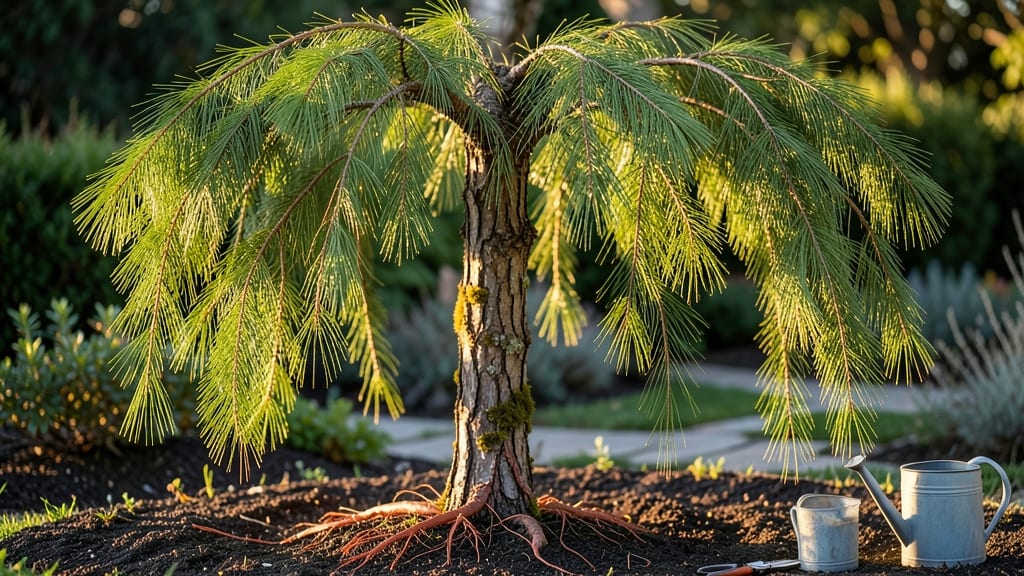
Weeping cypress trees bring dramatic vertical drama to Pacific Northwest gardens, their graceful branches cascading like living waterfalls. 🌿 I planted mine near a shady pond last spring, and within months, the silvery-blue foliage transformed a dull corner into a serene focal point.
These trees thrive where others struggle—handling frost, humidity, and even soggy soil like a pro.
The secret to their success lies in the details: partial shade, moist but well-draining soil, and 6-8 feet of space to spread their elegant habit. They’re low-maintenance once established, though they adore regular watering in their first year.
For extra flair, pair them with hostas or ferns—their soft textures complement the cypress’s architectural form beautifully.
By year three, you’ll have a 10-foot-tall living sculpture that stays lush even after winter’s freeze. The needles release a fresh, piney scent when brushed, and their evergreen presence adds year-round interest. Just watch for spider mites in dry spells—their only real nemesis.
Perfect for rain gardens, pond edges, or as a dramatic entryway specimen. Let’s get yours growing!
📚 In This Guide
- What you need
- Instructions
- Tips and common mistakes
- Wrapping up and next steps
What you need
- ● Weeping Cypress Trees (Chamaecyparis nootkatensis 'Pendula'): 1–3 mature trees (3–5 ft tall) for focal points
- ● 5+ smaller nursery-grown saplings (1–2 ft) for hedges or groupings
- ● Pro tip: 🌡️ Choose Zone 5–8 hardy varieties for PNW resilience!
- ● High-quality soil amendments: 5–10 lbs peat moss or compost per tree (for drainage + nutrients)
- ○ 2–3 lbs sulfur (optional, for acidic soil lovers)
- ● Mulch: 3–4 inches pine bark or cedar chips (retains moisture, deters weeds)
- ● Shovel or tree spade (for minimal root disturbance)
- ● Garden gloves (heavy-duty for handling sharp cypress foliage)
- ● Wheelbarrow (for soil/mulch transport)
- ● Watering hose with soaker nozzle (deep hydration is key!)
- ○ Optional: Tree stakes + ties (if planting in windy areas)
- ● Full-sun to partial shade location (6+ hours sunlight for best weeping habit)
- ● Well-draining soil (amend clay soil with sand if needed)
- ● Space! Mature trees spread 10–15 ft wide—plan accordingly.
- ● Permit check: 📊 Verify local regulations if planting near waterways (some PNW areas restrict invasive species).
Step-by-Step guide to planting and cultivating weeping cypress trees
Here's how to establish these graceful trees for long-term beauty in Pacific Northwest climates.
🪴 Step 1: Select and Prepare the Planting Site
Weeping cypress trees thrive in moist, well-drained soil with partial shade to full sun—ideal for Pacific Northwest gardens. Choose a location with at least 6 feet of vertical clearance above and below ground to accommodate their mature height and root spread. I always test soil moisture by digging a 6-inch hole—if water pools after 30 minutes, amend with 2 inches of compost to improve drainage.
Acidic soil (pH 5.5-6.5) suits these trees best. Test your soil with a kit—if your reading is above 7.0, mix in 1 pound of sulfur per 100 square feet and retest in 6 weeks. Avoid planting near concrete or pavement, as their shallow roots can lift sidewalks over time.
🌱 Step 2: Plant with Proper Spacing and Support
Dig a hole twice as wide as the root ball but only as deep—planting too deep suffocates roots. Gently loosen the root ball's edges with your fingers to encourage outward growth. Place the tree in the center, backfill with native soil (not amended mix), and tamp lightly to eliminate air pockets. For 4 trees, space them 12-15 feet apart to allow mature canopies to blend naturally.
Stake only if wind is a concern in your area. Use 2 stakes per tree, positioned 6 inches from the trunk at opposite sides, and secure with 1-inch wide fabric strips (not wire, which can girdle the trunk). Water deeply immediately after planting to settle soil around roots—you'll know it's right when water drains evenly without pooling.
☀️ Step 3: Establish Watering and Mulching Routine
Newly planted weeping cypress need deep watering 2-3 times per week for the first 6 months, providing 1-2 gallons per tree each time. Check soil moisture by inserting your finger 2 inches deep—water when dry. Overhead sprinklers can cause fungal issues, so use a soaker hose placed 12 inches from the trunk for targeted hydration.
Apply 3 inches of wood chips or pine bark mulch in a 3-foot diameter ring around each tree, keeping mulch 6 inches away from the trunk to prevent rot. Replenish mulch annually in late winter—this conserves moisture, regulates soil temperature, and suppresses weeds. Pacific Northwest winters are mild, but young trees benefit from a 2-inch layer of straw over the root zone during the coldest months.
✂️ Step 4: Prune for Structure and Health
Prune weeping cypress only to remove dead, diseased, or crossing branches—never shear for shape. Use clean, sharp pruners to make cuts just outside the branch collar in late winter or early spring. Avoid heavy pruning, as these trees grow slowly and respond poorly to aggressive trimming. I target no more than 20% of the canopy in any single year.
Watch for cypress tip blight, a fungal disease common in damp climates. Remove infected branches immediately and sterilize tools with 70% rubbing alcohol. Healthy trees develop fine, feathery foliage—if you notice brown, crispy tips, increase airflow by thinning lower branches and reduce overhead watering.
Tips & tricks for perfect weeping cypress cultivation
Here's what I've learned from years of growing these stunning trees in Pacific Northwest gardens—details that make all the difference.
Soil Preparation Insight: That 30-minute water test in Step 1 is your best friend. If water pools after 30 minutes, you're dealing with clay soil that needs serious drainage improvement. I've seen too many weeping cypress struggle because their roots suffocate in compacted soil. For heavy clay, consider creating raised beds or installing drainage pipes beneath the planting area. The goal is to mimic their natural wetland habitat while preventing root rot.
Root Ball Technique: When loosening the root ball edges in Step 2, think of it like untangling a delicate sweater—gentle pressure works best. I've made the mistake of being too aggressive and actually damaging the fine feeder roots. If you're planting multiple trees, use a small pruning saw to carefully trim any circling roots in the root ball before planting. This encourages outward growth rather than girdling the tree as it matures.
Watering Strategy: The 2-3 times per week guideline in Step 3 is perfect for our region's mild summers, but watch for signs of overwatering. If you notice yellowing leaves or mushrooms sprouting near the base, you're likely overdoing it. Pacific Northwest winters are wet enough that you can reduce watering to once every 10-14 days once trees are established, unless we have an unusually dry spell. A moisture meter is worth the investment for these sensitive trees.
Mulch Layering: That 3-inch mulch ring in Step 3 isn't just for looks—it's a protective barrier. I've found that adding a layer of landscape fabric between the mulch and soil prevents weeds from competing for nutrients while still allowing water to penetrate. For extra insulation in our cooler months, consider mixing in a small amount of leaf mold into the mulch—it adds organic matter that improves soil structure over time.
Pro Tips for Weeping Cypress Trees
- Here's what I've learned from years of growing these stunning trees in Pacific Northwest gardens—details that make all the difference.
- Soil Preparation Insight: That 30-minute water test in Step 1 is your best friend.
- Root Ball Technique: When loosening the root ball edges in Step 2, think of it like untangling a delicate sweater—gentle pressure works best.
Frequently asked questions
Got questions about weeping cypress trees? You’re not alone! Here are answers to the most common inquiries—whether you're planning a garden, troubleshooting, or just curious about these stunning evergreens.
How cold can weeping cypress trees tolerate?
Weeping cypress trees (like Taxodium distichum) are hardy to USDA Zones 6-10, meaning they can handle temperatures down to 0°F (-18°C) with proper care. In colder climates, mulching and winter watering help protect roots. Just avoid planting in exposed, windy spots!
How fast do weeping cypress trees grow?
These trees grow at a moderate pace—about 12-24 inches per year under ideal conditions. Growth slows in poor soil or drought, but they’re still faster than many ornamental trees. Patience pays off—their graceful draping takes years to develop fully!
Do weeping cypress trees need a lot of water?
Young trees love consistent moisture, especially in their first 2 years. Once established, they’re drought-tolerant but thrive near ponds or with occasional deep watering. Pro tip: Mulch heavily to retain soil moisture and protect roots in hot summers.
What’s a good alternative if I can’t grow weeping cypress?
If your climate is too cold or wet, consider:
- Dwarf Alberta Spruce (compact, cold-hardy, and elegant)
- Italian Cypress (taller, drought-tolerant, but less cold-resistant)
- Weeping Willow (fast-growing, but needs more space and water)
Why are the tips of my weeping cypress turning brown?
Brown tips often signal overwatering, root rot, or fungal issues. Check drainage—these trees hate soggy roots! Prune dead tips in early spring, and ensure soil isn’t compacted. Fun fact: Brown spots can also mean winter burn; water deeply in late fall to prep for cold snaps.
Wrapping up and next steps
Weeping cypress trees bring a touch of serene beauty and resilience to the Pacific Northwest’s landscapes, thriving even in chilly climates. Their graceful, drooping branches and frost-resistant nature make them a stunning yet practical choice for gardens and outdoor spaces.
Whether you're a seasoned gardener or just starting, adding one to your yard could be a rewarding step toward creating a peaceful, evergreen haven.
Ready to bring some vertical elegance to your space? Start by researching local nurseries or checking planting conditions in your area—then take the first step toward cultivating your own weeping cypress masterpiece! 🌿✨