
Pruning
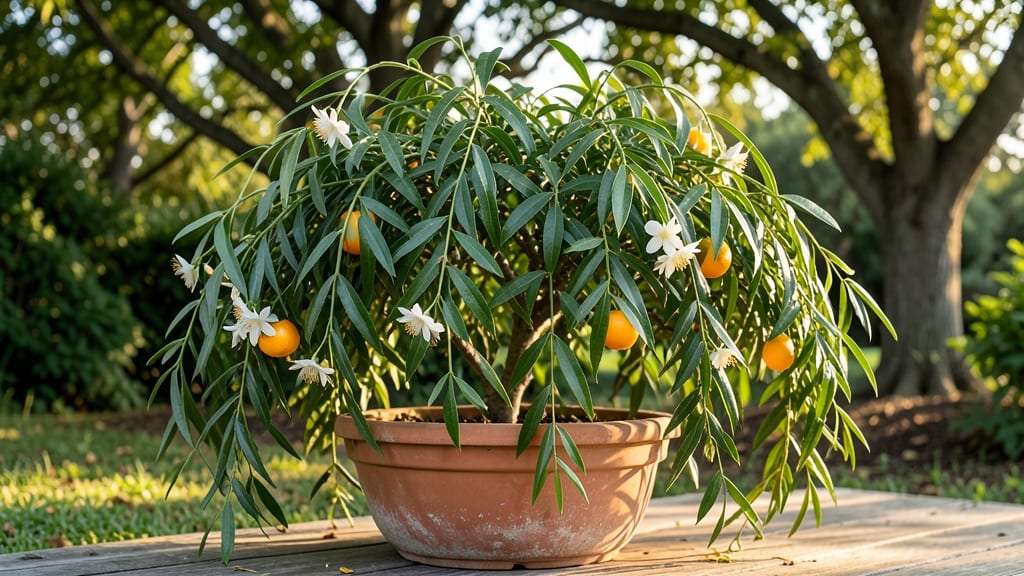
Transform your Pacific Northwest yard with a weeping dragon orange tree—a stunning, cold-hardy citrus that thrives where most orange trees would freeze. 🌿 I’ve grown mine through three winters here, and the secret isn’t just choosing the right variety—it’s pruning before the first frost to protect its delicate branches.
This isn’t your grandma’s citrus tree; it’s a dramatic, cascading beauty that handles 15°F temperatures with the right care.
You’ll need sharp pruning shears, a pair of gloves, and a clear day in late fall to work before hard freezes set in. The goal is to shape the tree into its signature weeping form while removing weak growth that won’t survive winter.
Think of it like giving your tree a winter coat—thicker canopies and fewer exposed branches mean better survival. Most people over-prune in fear, but this tree actually benefits from a lighter touch, focusing on structural support rather than drastic cuts.
By spring, you’ll see lush, vibrant new growth where last year’s frost-bitten branches once were. The tree rewards patience with glossy, dark green foliage and clusters of fragrant white blossoms that eventually give way to small, tart-sweet oranges.
Even in rainy PNW summers, this variety stays disease-resistant when pruned correctly—no soggy roots or fungal issues here. The payoff? A tree that looks like a tropical escape, even when your neighbors’ citrus trees are struggling.
Works equally well in containers for patios or planted in-ground where it can spread its branches gracefully. The key is consistency: prune annually, fertilize lightly in early spring, and watch it become the showstopper of your garden. Ready to make yours the talk of the neighborhood?
📚 In This Guide
- What you need
- Instructions
- Tips and common mistakes
- Wrapping up and next steps
What you need
- ● Pruning shears or loppers: Sharp, sterilized tools (bypass pruners for small branches, loppers for thicker stems). Quantity: 1-2 pairs.
- ● Hand pruners: For delicate trimming (e.g., removing dead or frost-damaged leaves). Quantity: 1.
- ● Rubbing alcohol (70% isopropyl) or bleach solution: To sterilize tools between cuts. Quantity: Small bottle or spray.
- ● Disposable gloves: Nitrile or latex-free for safety. Quantity: 1 pair.
- ○ Pruning sealant (optional but helpful): Tree wound sealant to protect cuts (e.g., Tanglefoot Tree Wound Pruning Seal). Quantity: Small tube.
- ● Disposable bags or bucket: For collecting pruned debris. Quantity: 1-2.
- ○ Marking twine or flags: To label branches for future reference (optional but useful for complex pruning). Quantity: Small roll.
- ● Knowledge of your tree’s growth habit: Study your weeping dragon orange tree’s structure beforehand (e.g., where frost damage typically occurs).
- ● Weather check: Prune on a dry, mild day (avoid frost or extreme heat).
- ○ Optional: Thin, long-sleeved clothing to protect from thorns or sap.
- ○ Optional: Magnifying glass for inspecting small cuts or pests.
- ○ Optional: Camera or sketchbook to document pruning decisions.
Step-by-Step pruning for your weeping dragon orange tree
Here's how to keep your citrus thriving in the Pacific Northwest's cooler climate.
✂️ Step 1: Time Your Pruning for Optimal Growth
Prune your weeping dragon orange tree in late winter or early spring, just as new growth begins but before buds swell. This timing lets the tree recover before summer heat arrives. I wait until after the last frost when nighttime temperatures stay above 35°F—any earlier and you risk exposing tender new growth to cold damage.
If you missed the window, you can do a light shaping prune in early summer after flowering, but avoid heavy cuts then. The tree's energy should focus on fruit development, not recovery. Look for dormant buds along branches—these tell you where new growth will emerge if you make cuts.
🌿 Step 2: Remove Dead, Damaged, or Crossing Branches
Start by inspecting the tree for dead wood—branches that snap when bent or have no green tissue inside when cut. Remove these first with clean, sharp pruners. Next, look for branches growing toward the center of the tree or rubbing against others. These crossing branches compete for sunlight and can create wounds where disease enters.
Make your cuts just outside the branch collar—the swollen area where the branch meets the trunk. Never leave stubs, as these invite rot. For larger branches over ½ inch thick, use loppers and make the cut at a slight angle to prevent water pooling on the wound.
☀️ Step 3: Shape for Airflow and Light Penetration
Weeping dragon oranges need good airflow to prevent fungal diseases common in the Pacific Northwest's damp climate. Step back and visualize the tree's natural shape—aim for an open, vase-like form that lets light reach all branches. Start by thinning out 10-20% of the canopy by removing the oldest, thickest branches first.
For the weeping habit, focus on encouraging downward growth by pruning upward-shooting branches. Cut these back to a bud facing outward to promote horizontal branching. Avoid shearing—this creates dense, shaded growth that produces fewer fruit. Instead, make precise cuts to maintain an airy structure.
⏰ Step 4: Protect Against Frost After Pruning
After pruning, your tree will be more vulnerable to frost until new growth hardens. If a late frost is forecast within 2-3 weeks, cover the tree with frost cloth at night. Secure the edges tightly to prevent cold air from seeping in. Remove the cover during the day to allow sunlight and airflow.
For extra protection, apply a 2-inch layer of mulch around the base (but not touching the trunk) to insulate roots. Water deeply before the first frost to help the tree withstand cold temperatures. Watch for brown, crispy leaves after frost—they'll drop naturally, but new growth should emerge within 2-3 weeks if the tree survived.
🪴 Step 5: Clean Up and Monitor for New Growth
After pruning, sterilize your tools with rubbing alcohol to prevent spreading disease. Rake up and dispose of all clippings—never leave them under the tree, as they can harbor pests and fungi. Now's also the time to fertilize lightly with a balanced citrus fertilizer to support new growth.
Within 3-4 weeks, you should see new green shoots emerging from the pruned areas. These indicate the tree is recovering well. If you see no new growth after 6 weeks, check for signs of stress like yellowing leaves or wilting branches—these could signal over-pruning or disease.
Tips & tricks for perfect weeping dragon orange tree pruning
Real talk: Pruning citrus in the Pacific Northwest can feel intimidating—but these tricks will help you avoid common mistakes and keep your weeping dragon thriving.
Timing is Everything: The late winter/early spring window is critical because it lets your tree recover before summer heat arrives. If you're unsure about frost dates, check your local agricultural extension service—they provide frost-free dates for your exact region. I always mark my calendar for after the last frost when nighttime temps stay above 35°F consistently for at least 3 nights.
Branch Collar Technique: When removing branches in Step 2, focus on cutting just outside the branch collar—the swollen area where the branch meets the trunk. This is where the tree's natural healing begins. I use a sharp pruner and make clean cuts at a slight angle for branches over ½ inch thick to prevent water pooling, which can lead to rot. For smaller branches, a single cut is all you need.
Canopy Thinning Strategy: In Step 3, aim to thin out 10-20% of the canopy by removing the oldest, thickest branches first. This opens up the center for better airflow and sunlight penetration—critical for preventing fungal diseases in our damp climate. I visualize the tree's natural vase shape and work from the inside out, removing branches that are crossing or growing inward first.
Frost Protection Hack: If you're pruning in early summer (after missing the spring window), focus on light shaping only. For frost protection after pruning, I've found that wrapping the frost cloth loosely around the tree—like a blanket—works better than tightly securing it. This allows for better airflow during the day while still providing protection at night. Remember to remove it completely during daylight hours.
Pro Tips for Weeping Dragon Orange Tree
- Real talk: Pruning citrus in the Pacific Northwest can feel intimidating—but these tricks will help you avoid common mistakes and keep your weeping dragon thriving.
- Timing is Everything: The late winter/early spring window is critical because it lets your tree recover before summer heat arrives.
- Branch Collar Technique: When removing branches in Step 2, focus on cutting just outside the branch collar—the swollen area where the branch meets the trunk.
Frequently asked questions
Got questions about your Weeping Dragon Orange Tree? You're not alone! Here are answers to common concerns—from pruning timing to winter prep—so you can keep this stunning PNW-friendly tree thriving.
How cold can a Weeping Dragon Orange Tree handle?
This frost-resistant citrus can survive brief dips to 15–20°F with proper care. However, prolonged exposure below 25°F may damage leaves or fruit. Pro tip: Mulch heavily, wrap the trunk, and move potted trees indoors if frost is forecasted for days.
When’s the best time to prune for Pacific Northwest winters?
Prune after the last frost in spring (typically late April–May in the PNW) to avoid frost damage to fresh cuts. Why? New growth is more resilient to winter chills. Avoid heavy pruning in fall—it stresses the tree before dormancy.
Can I prune a Weeping Dragon Orange Tree in winter?
Light structural pruning (removing dead/diseased branches) is fine in late winter (Feb–March) when the tree is dormant. But avoid heavy cuts! Winter pruning can expose the tree to sunscald or frost damage. Save major shaping for spring.
What’s a good alternative if my tree gets frostbitten?
If branches die back, don’t panic! The Weeping Dragon is highly regenerative. Trim dead wood to the largest healthy bud below the damage. It’ll sprout new growth by late spring. For severe cases, consider layering or propagating from healthy stems.
Why are my leaves turning yellow after pruning?
Yellowing can mean over-pruning or nutrient stress. If >25% of foliage was removed, feed with a balanced citrus fertilizer (e.g., 6-6-6) and water deeply. Wait 4–6 weeks before fertilizing again.
Wrapping up and next steps
The Weeping Dragon Orange Tree is a stunning addition to Pacific Northwest gardens, but its success hinges on smart frost-resistant pruning. By mastering the right techniques—like timing, tool care, and strategic cuts—you’ll nurture a resilient, vibrant tree that thrives even in cooler climates. 🌱✨
Now that you’re armed with knowledge, roll up your sleeves and give your tree the TLC it deserves! Start with a small pruning session this weekend—your future harvest (and happy tree!) will thank you. Happy pruning!