
Pruning
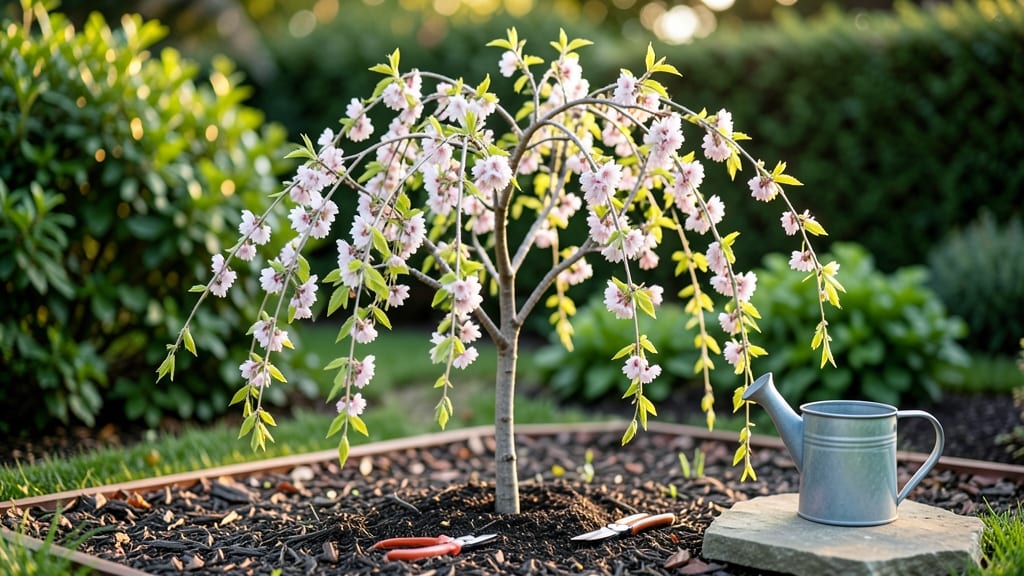
The willow cherry tree (Prunus × cistena) transforms any yard into a seasonal masterpiece—its delicate spring blooms, glossy foliage, and fiery fall colors make it a standout. I planted mine five years ago, and every pruning session reveals how this tree rewards patience with lush, healthy growth.
The key isn’t just cutting branches; it’s understanding when and why to shape it for maximum beauty and longevity.
This tree thrives in full sun with well-draining soil, though it tolerates partial shade and average garden soil better than many ornamentals. Young trees need regular watering to establish roots, but once mature, they handle drought surprisingly well.
My 3-foot-tall sapling now stands over 10 feet tall with minimal fuss—proof that willow cherries are both elegant and low-maintenance.
With proper pruning, you’ll unlock vibrant blooms in spring, dense foliage all summer, and stunning fall color that lasts weeks. The tree’s natural shape makes it perfect for small gardens, urban landscapes, or as a striking focal point.
I’ll show you exactly how to prune for health, not just looks—so your tree stays strong year after year.
Whether you’re trimming for shape, removing dead wood, or encouraging new growth, this blueprint keeps your willow cherry tree thriving through every season. Let’s get started with the tools and timing that make all the difference.
📚 In This Guide
- What you need
- Instructions
- Tips and common mistakes
- Wrapping up and next steps
What you need
- ● Pruning shears: Bypass pruners (sharp, 4- to 6-inch blades) for small branches.
- ● Loppers: 8- to 10-inch loppers for thicker branches (½ to 1½ inches in diameter).
- ● Pruning saw: Curved-tooth saw for branches 2+ inches thick.
- ● Disinfectant: 70% isopropyl alcohol or bleach solution (1 part bleach to 9 parts water) to sterilize tools.
- ○ Gloves: Cut-resistant or gardening gloves (optional but recommended for thorns!).
- ● Rubbing alcohol or hand sanitizer: For cleaning hands post-pruning.
- ● Pruning sealant: Tree wound sealant (controversial but useful for large cuts—skip if your tree is young/healthy).
- ● Ladder or step stool: For reaching higher branches safely.
- ● Trash bags or bucket: To collect pruned branches and debris.
- ● Notebook & pen: For tracking pruning notes (e.g., branch sizes, dates).
- ● Safety glasses: Protect your eyes from debris.
- ● Know your tree: Confirm it’s a willow cherry (Prunus subhirtella)—look for delicate pink/white flowers and thorny branches!
- ● Best timing: Prune in late winter or early spring (before buds swell) for optimal health.
- ● Weather check: Avoid pruning on windy or rainy days—aim for a calm, dry day.
Step-by-step pruning guide for willow cherry trees
Here's how to keep your tree thriving with seasonal pruning techniques.
Assess the Tree Structure in Late Winter
Start pruning in late winter while the tree is still dormant, before buds begin to swell. This is the best time to see the tree's natural shape and remove any dead, diseased, or crossing branches. I always begin by removing any branches that are completely dead—they'll be brittle and snap easily when bent.
Next, look for branches that rub against each other or grow inward. These are called water sprouts or crossing branches, and they'll compete for nutrients and eventually cause damage. Use sharp pruning shears to make clean cuts just outside the branch collar—the swollen area where the branch meets the trunk. Avoid leaving stubs, as they can invite disease.
For larger branches, use a pruning saw to make a smooth cut at a slight angle. Never leave a jagged edge, as it can split over time. If you're unsure about a cut, step back and visualize how the tree will look without it—you're shaping its future growth pattern.
Thin the Canopy for Airflow and Light
Willow cherry trees benefit from selective thinning to improve airflow and sunlight penetration. Focus on removing branches that are growing too densely or blocking light from reaching the inner canopy. Aim to thin the tree by no more than 25% in a single season—this prevents stress and allows for gradual, healthy regrowth.
Start at the outer edges of the tree and work your way inward. Remove branches that are growing straight up or downward, as these can create a weak structure. Instead, encourage branches that grow at a 45-degree angle—they provide better stability and a more natural shape. If you're pruning a young tree, prioritize removing branches that are growing too close to the ground.
Watch for sucker growth—these are vigorous shoots that sprout from the base or along the trunk. While they might seem like extra growth, they drain energy from the tree. Snip them off at the base with clean shears. This step is especially important if you want to maintain a tidy, well-shaped tree.
Shape and Maintain Through the Growing Season
After the initial late-winter pruning, monitor your tree throughout the growing season for any new growth that needs attention. This includes removing any deadheading—the process of trimming back spent flowers or fruit—to encourage new blooms. Willow cherry trees produce beautiful flowers, but leaving them on can weaken the tree if overloaded.
If your tree develops long, leggy branches, it’s a sign it needs more light. Prune these back by one-third to encourage bushier growth. Always make cuts just above a leaf node or outward-facing bud to promote healthy regrowth. Avoid cutting back into the trunk or large branches, as this can harm the tree's structure.
In early summer, give your tree a light pruning to remove any water sprouts or suckers that may have appeared. These shoots grow quickly and can detract from the tree's shape. Use sharp shears to make clean cuts, and avoid tearing the bark. This step keeps the tree looking neat and prevents overcrowding.
Prepare for Winter with Final Adjustments
As winter approaches, do a final check of your tree to ensure it’s ready for the cold. Remove any damaged or diseased branches that may have appeared during the growing season. These can harbor pests or diseases that could overwinter and affect next year's growth. Dispose of any pruned material by bagging it and throwing it in the trash—not composting it—to prevent the spread of disease.
If your tree has weak or crossing branches, now is the time to address them before the tree goes dormant. Make clean cuts at the branch collar, and avoid leaving stubs. This final pruning helps the tree enter dormancy in the best possible condition, ready to burst into growth come spring.
For older trees, consider structural pruning to maintain a strong framework. Remove any branches that are too large or weak to support themselves, as they can break under snow or ice. This step is especially important if you live in an area with heavy winter storms. A well-pruned tree is less likely to suffer damage and will recover more quickly if it does.
Tips & tricks for perfect willow cherry tree pruning
Mastering the art of pruning transforms your willow cherry tree from just another landscape feature into a thriving centerpiece. Here's what I've learned after years of shaping these beautiful trees.
Timing is Everything: Late winter pruning—when the tree is still dormant—isn't just a suggestion, it's essential. This timing prevents stress on the tree and lets you see the natural structure clearly. I've seen trees recover beautifully after late winter cuts, but spring pruning can stimulate unwanted growth and weaken the tree. If you miss the late winter window, wait until early summer for light maintenance pruning only.
The 25% Rule: Never remove more than 25% of the tree's canopy in a single season. This guideline prevents over-stressing the tree and allows for gradual, healthy regrowth. I learned this the hard way when I over-pruned a young tree one season—it took two years to recover properly. Think of it as giving your tree a spa day rather than a haircut that's too drastic.
Branch Angle Matters: When shaping your tree, always look for branches growing at a 45-degree angle—they create the strongest structure. Vertical branches are weak and prone to breaking, while downward-growing branches can create a messy look. In Step 2, when you're thinning the canopy, prioritize these angled branches to maintain a natural, strong framework that can withstand storms and heavy fruit loads.
Clean Cuts Prevent Problems: Always make cuts just outside the branch collar using sharp, clean tools. I can't stress this enough—dull tools tear the bark, creating wounds that invite disease. For larger branches, use a pruning saw to make smooth, angled cuts that won't split over time. This attention to detail is what separates a healthy tree from one that struggles season after season. In Step 1, when you're removing dead branches, this precision makes all the difference.
Pro Tips for Willow Cherry Tree
- Mastering the art of pruning transforms your willow cherry tree from just another landscape feature into a thriving centerpiece.
- Timing is Everything: Late winter pruning—when the tree is still dormant—isn't just a suggestion, it's essential.
- The 25% Rule: Never remove more than 25% of the tree's canopy in a single season.
Frequently asked questions
Got questions about keeping your willow cherry tree (Prunus x cistena) thriving with the right pruning? Here are some of the most common ones—and their answers!
When is the best time to prune a willow cherry tree?
The ideal time is late winter or early spring (just before buds swell) to encourage healthy growth. Avoid pruning in fall, as it can stimulate late-season growth that’s vulnerable to frost damage. For light shaping, you can prune lightly in summer, but avoid heavy cuts.
How much can I prune a willow cherry tree without harming it?
Willow cherries are hardy and can handle moderate pruning—up to 25-30% of the canopy in a single session. Avoid removing more than 1/3 of the branches at once to prevent stress. Focus on dead, diseased, or crossing branches first, then thin out for airflow.
Why are my willow cherry tree leaves yellowing after pruning?
Yellowing leaves post-pruning usually means over-pruning or nutrient stress. If you cut too aggressively, the tree may struggle to support new growth. Water deeply and apply a balanced fertilizer (like 10-10-10) in spring. If yellowing persists, check for pests (like spider mites) or fungal issues.
Can I prune a willow cherry tree into a specific shape (e.g., espalier or hedge)?
Willow cherries respond well to structured pruning. For espalier, train branches along a fence/wall in late winter and prune back to encourage lateral growth. For hedges, prune twice a year—once in spring and again in summer—to maintain density. Use sharp tools and make clean cuts!
What’s the difference between pruning for flowers vs. fruit on a willow cherry?
Willow cherries produce showy spring flowers (not edible fruit). To enhance blooms:
- Prune lightly in late winter to remove dead wood and open the canopy for sunlight.
- Avoid heavy cuts that reduce next year’s flower buds.
Wrapping up and next steps
The willow cherry tree thrives with the right pruning care—whether you’re shaping it for beauty, health, or fruit! By mastering seasonal trims, disease prevention, and tool prep, you’ll keep this stunning tree vibrant year-round. 🌿✂️
Ready to take action? Grab your tools, pick your season, and start pruning with confidence. Your willow cherry tree—and your garden—will thank you!