
Pruning
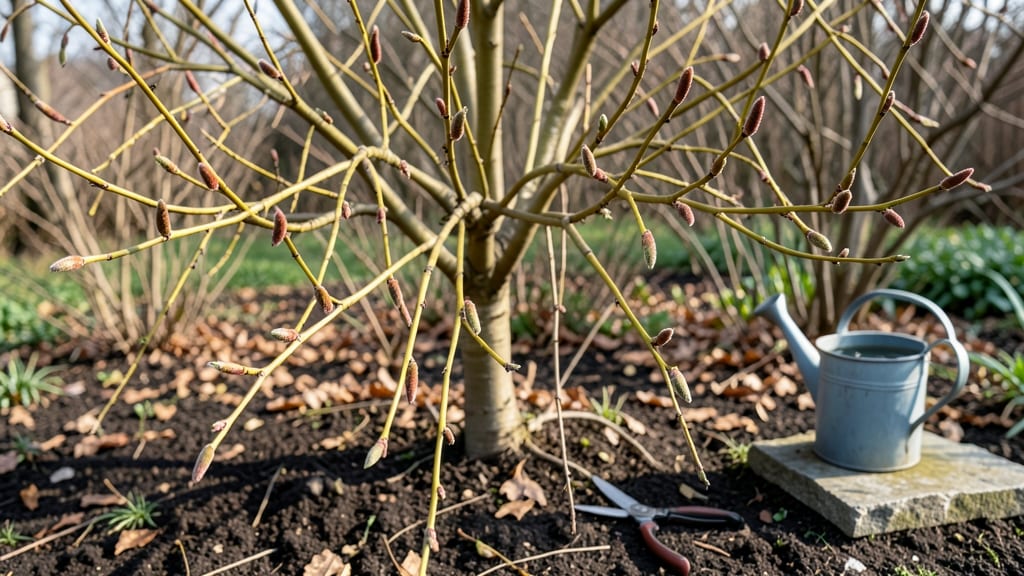
Willow tree buds are nature’s promise of renewal—those fuzzy, golden clusters that appear before leaves even think about unfurling. 🌿 I’ve learned that pruning at the right time isn’t just about shaping the tree; it’s about encouraging those buds to burst into vibrant new growth, especially for varieties like pussy willow or weeping willow.
The secret lies in layered pruning, a technique that keeps the tree balanced while maximizing bud potential.
Most gardeners prune willows in late winter or early spring, just as buds begin to swell, but timing matters. A sharp pair of pruners and a clear day are all you need—no fancy tools required.
The key is cutting back 1/3 of the oldest branches each year, which forces the tree to focus energy on fresh, bud-heavy growth. I’ve seen willows recover from heavy pruning in just a few weeks, their buds plumping up like tiny green balloons.
What you’ll end up with is a willow that’s not just surviving but thriving—dense foliage, stronger branches, and those iconic fuzzy buds that turn heads in early spring.
The right soil (moist but well-drained) and full sun make all the difference, but even neglected willows bounce back with the right pruning approach. This method works for both young saplings and mature trees, so it’s never too late to start.
For those curious about propagation, willow cuttings root effortlessly in water—just snap a branch with buds and watch roots sprout in weeks. Whether you’re pruning for health or growing new trees, the payoff is the same: lush, healthy willows that keep coming back stronger every year.
Let’s get those buds growing!
📚 In This Guide
- What you need
- Instructions
- Tips and common mistakes
- Wrapping up and next steps
What you need
- ● Pruning shears: Bypass pruners (for small buds, 5–7 inches long) – 1 pair
- ● Loppers: 18–24 inches long (for thicker branches) – 1 pair
- ● Pruning saw: Curved blade (for stubborn, woody stems) – 1
- ● Gloves: Heavy-duty, cut-resistant (to protect from thorns/buds) – 1 pair
- ● Disinfectant: 70% isopropyl alcohol or pruning sealant (to prevent disease spread) – small bottle
- ● Sharpener: File or pruning tool sharpener (keep blades razor-sharp!) – 1
- ○ Ladder: Sturdy, extendable (if buds are high up) – 1, optional
- ● Buckets/bags: For collecting pruned buds/debris – 2–3
- ● Safety gear: Eye protection (goggles) and long sleeves/pants – 1 set
- ● Weather check: Prune on a dry, calm day (avoid rain/frost for 24–48 hours).
- ● Tree assessment: Identify dead, diseased, or crossing branches before you start.
- ● Clean workspace: Clear debris, tools, and pets/kids from the area.
- ● Know your layers: Research willow tree bud growth patterns (e.g., Salix babylonica vs. Salix fragilis) for targeted pruning.
Step-by-step guide for pruning willow tree buds
Here's how to encourage vigorous new growth while keeping your willow tree strong.
✂️ Step 1: Time Your Pruning for Maximum Regrowth
Willow trees respond best to pruning in late winter or early spring, just before new buds begin to swell. This timing gives the tree's energy reserves a chance to rebuild before the growing season kicks in. Look for the first signs of bud swelling—those plump, elongated buds along the branches. That's your cue that the tree is waking up and ready for shaping.
If you must prune later in the season, avoid cutting after mid-summer. Pruning too late can stimulate tender new growth that won't harden off before winter, leaving branches vulnerable to cold damage. I've seen willows pruned in fall develop weak, spindly shoots that freeze back completely—so don't skip this timing rule.
🌿 Step 2: Identify and Select Healthy Buds to Preserve
Examine each branch carefully, focusing on the buds along the main stems and side branches. Healthy buds are firm, plump, and dark brown or reddish-brown in color. Avoid cutting back to any buds that look shriveled, cracked, or covered in black sooty mold—these won't produce strong new growth.
Willow trees naturally produce buds in clusters along their branches. When pruning, make your cuts just above a cluster of 3-5 healthy buds. This layered approach creates multiple growth points, which will result in thicker, more vigorous new shoots. I like to visualize the branch like a ladder—each cut should leave a "rung" of buds to support future growth.
✂️ Step 3: Make Clean, Precise Cuts at the Right Angle
Use sharp, clean pruning shears to make your cuts at a 45-degree angle, about ¼ inch above a bud that faces outward on the branch. This angled cut helps water run off instead of pooling at the cut surface. If you cut too close to the bud, you risk damaging it; too far away, and the new shoot may grow at an awkward angle.
For thicker branches over ½ inch in diameter, use loppers and make your cuts just outside the branch collar—the swollen area where the branch meets the trunk. Never leave stubs. Willow wood is naturally weak when cut, so smooth cuts heal better and are less prone to splitting. I always make a second cut slightly deeper to create a clean break line before removing the branch completely.
☀️ Step 4: Encourage New Growth with Proper Aftercare
After pruning, give the tree a deep watering to help it recover from the stress of cutting. Willow trees have extensive root systems that can support rapid regrowth, but they need moisture to fuel that process. Water the root zone thoroughly until water runs out the drainage holes if growing in containers, or seeps into the surrounding soil if planted in the ground.
In the weeks following pruning, you'll notice new shoots emerging from the buds you preserved. These will grow quickly—willow trees can put on 12-24 inches of growth in a single season if conditions are right. Monitor the new growth for any signs of disease or pest issues, especially aphids which love tender new willow shoots. A quick spray with water can often dislodge them before they become a problem.
Tips & tricks for pruning willow tree buds
Here's what I've learned after years of shaping willows—these small details make all the difference for healthy new growth.
Timing is Everything: That late winter/early spring window is critical because willows store energy in their roots over winter. I've seen trees pruned too early still dormant, and those cuts heal poorly. Watch for those plump buds—when they start swelling, that's your exact moment to prune. If you're unsure, do a quick scratch test: gently scrape the bark on a small branch. If green shows through, the tree is waking up and ready.
The 3-5 Bud Rule: This layered approach isn't just theory—it works because willows naturally grow in clusters. When you preserve 3-5 buds per cut, you're creating a natural support system for new shoots. Think of it like building a staircase: each "rung" of buds gives the new growth something to lean against as it develops. I've seen single-bud cuts produce weak, floppy shoots that break easily in wind.
Cutting Technique Secrets: That 45-degree angle isn't arbitrary—it's about physics. Water naturally runs off sloped cuts, preventing rot at the cut surface. For thicker branches, the two-cut method I use creates a clean break line that heals faster. I've had branches split when I tried to make one clean cut on willow's naturally weak wood. And always cut just outside the branch collar—never leave that swollen area exposed.
Aftercare Makes the Difference: The deep watering after pruning isn't just about hydration—it's about signaling to the tree that it's safe to focus on new growth. I've seen pruned willows that didn't get proper aftercare produce sparse, weak shoots. That 12-24 inches of potential growth only happens when roots have the moisture they need to support it. And don't skip the aphid watch—those little pests can sap the energy from tender new shoots before they even get established.
Pro Tips for Willow Tree Buds
- Here's what I've learned after years of shaping willows—these small details make all the difference for healthy new growth.
- Timing is Everything: That late winter/early spring window is critical because willows store energy in their roots over winter.
- The 3-5 Bud Rule: This layered approach isn't just theory—it works because willows naturally grow in clusters.
Frequently asked questions
Got questions about willow tree buds and layered pruning? You’re not alone! Here are some of the most common queries—plus quick, actionable answers to keep your willow thriving.
When is the best time to prune willow tree buds for new growth?
The ideal time is late winter or early spring, just before buds swell but before leaves emerge. This timing ensures you’re cutting back dormant wood while still allowing the tree to recover quickly. Avoid pruning in fall—willow trees are prone to disease when stressed in cooler months.
Why are my willow tree buds turning brown or dying after pruning?
Brown buds often signal over-pruning or disease. Willow trees can handle aggressive cuts, but if you remove too much (over ⅓ of the canopy at once), shock can occur. Also, check for signs of black knot fungus or canker—sterilize tools between cuts and avoid pruning during wet weather to prevent spread.
Can I use willow tree buds for propagation? How do I do it?
Willow buds are perfect for layering or cutting propagation. For layering, bend a low branch to the ground, bury a section (about 6 inches deep), and secure it. Roots should form in 4–6 weeks. For cuttings, take 6–12 inch sections with buds, strip leaves, and plant in moist soil—keep them humid until roots develop (2–3 weeks).
What’s the difference between pruning for buds vs. pruning for shape?
Pruning for buds focuses on cutting just above a healthy bud (usually ¼–½ inch above) to encourage vertical growth. For shape, you’ll make more angled cuts to redirect branches or thin out dense areas. Willows respond well to both—just avoid "heading back" (cutting back to a lateral bud) unless you want bushier growth.
Should I prune willow tree buds if it’s been raining or snowing?
Wait for dry, calm weather—willow trees heal faster in ideal conditions. Wet or windy days can stress the tree, slow healing, or even spread disease. If you must prune after rain, do so in the morning so cuts have time to dry before evening dew sets in.
Pro Tip:
Use a sharp bypass pruner (not anhedge trimmer) for clean cuts—this reduces tear and minimizes disease entry points. And if your willow is near water, prune before spring floods to avoid spreading debris or pathogens.
Wrapping up and next steps
Mastering the art of layered pruning willow tree buds unlocks the secret to vibrant, resilient growth—and you’ve got all the tools to make it happen! 🌿 Whether you’re a seasoned gardener or just starting, this technique ensures your willow thrives with minimal stress and maximum beauty.
Ready to watch your tree flourish?
Your next step? Grab those pruners and schedule your first pruning session—early spring is prime time! Start small, observe your tree’s response, and adjust as needed. With patience and practice, you’ll cultivate a willow that’s the envy of the neighborhood. Happy pruning! 🌱✨