
Trees
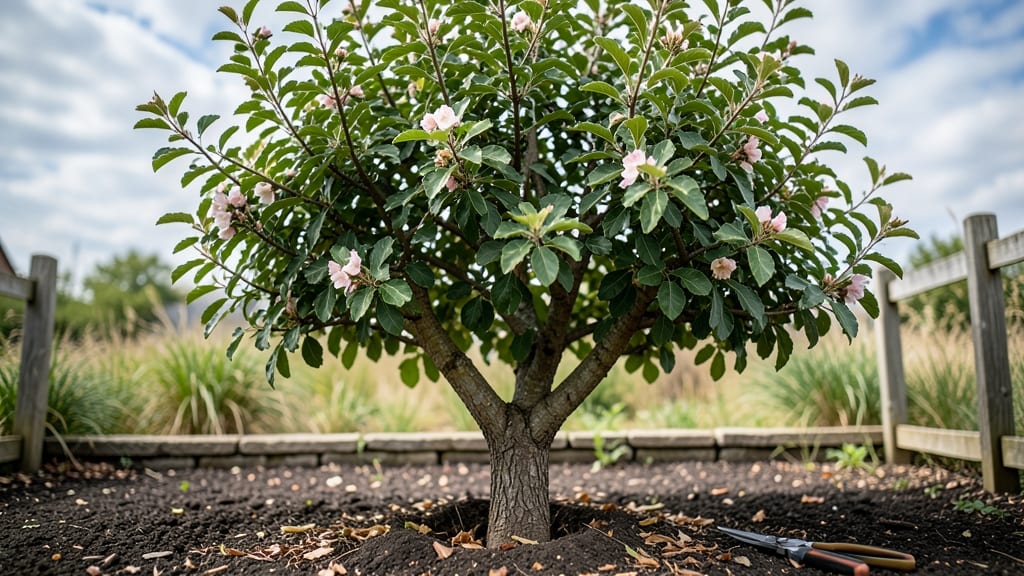
Growing a Yellow Delicious apple tree in the Pacific Northwest means crisp, sweet apples that thrive in your chilly climate—no fancy orchard needed. 🌳 I’ve watched mine go from a bare root sapling to a fruit-bearing powerhouse in just three seasons, and the secret isn’t complicated: it’s all about matching the tree’s needs to the region’s natural rhythm.
The key is starting with the right conditions: well-draining soil, full sun, and a spot where it can spread its roots without competition. Pacific Northwest gardeners know the struggle of soggy winters—so we’ll focus on drainage, mulching, and winter protection to keep your tree productive year after year.
By spring, you’ll see those telltale pink blossoms, and before you know it, you’ll be picking apples that taste like childhood memories.
📚 In This Guide
- What you need
- Instructions
- Tips and common mistakes
- Wrapping up and next steps
What you need
- ● Tree: 1-2 Yellow Delicious apple tree (bare-root or container-grown, 1-3 years old). Choose disease-resistant cultivars like 'Golden Delicious' or 'Yellow Transparent'.
- ● Soil: 50 lbs well-draining compost (e.g., cow manure or worm castings).
- ● 20 lbs balanced fertilizer (10-10-10 or organic options like alfalfa meal).
- ○ Optional: 10 lbs sulfur (if soil pH is >6.5; Yellow Delicious thrives in acidic soil (pH 5.5–6.5)).
- ● Planting Site: Full sun (6+ hours/day).
- ● Space: 20–25 feet between trees (or 15 feet if dwarf variety).
- ● Tools: 1 shovel (for digging).
- ● 1 pruning shears (sterilized with rubbing alcohol).
- ● 1 wheelbarrow (for soil/amendments).
- ● 1 garden hose or watering can (with 1–2 gallons capacity).
- ● 1 mulch (3–4 inches of wood chips or straw; keep 6 inches from trunk).
- ● Pollination: Plant a second apple tree (e.g., Granny Smith) within 50 feet for cross-pollination. 🐝
- ● Pest Control: Neem oil spray (for aphids/mites).
- ● Row covers (to protect from birds/squirrels).
- ● Support: 1 tree stake (if young tree needs stability in windy PNW sites).
- ● Soil Test Kit: To check pH/nutrients before planting (PNW Extension offices offer free testing!).
Step-by-step instructions for planting and caring for a Yellow Delicious apple tree
Here's how to establish a thriving cold-hardy orchard staple in your Pacific Northwest garden.
🌱 Step 1: Select and Prepare the Planting Site
Choose a location with full sun exposure (at least 6-8 hours daily) and well-draining soil that's slightly acidic (pH 6.0-6.5). Yellow Delicious trees thrive in the Pacific Northwest's cooler climates, but they need protection from strong winds—plant near a fence or natural windbreak if needed.
Test your soil first. Dig a 12-inch deep hole and examine the drainage. If water pools after 30 minutes, amend with 2-3 inches of compost and 1 inch of coarse sand to improve aeration. The tree's root system will spread aggressively, so allow 20 feet between trees or structures.
Here's the thing—Yellow Delicious trees are grafted, so the rootstock matters. If planting bare-root, soak roots in lukewarm water for 1-2 hours before planting to revive them. For container-grown trees, remove the pot and gently loosen any circling roots.
🪴 Step 2: Plant at the Correct Depth and Stake for Support
Position the tree so the graft union (visible swollen area near the base) sits 2-3 inches above the finished soil line. This prevents buried bark from rotting. Spread the roots outward in the hole, ensuring they're not twisted or bent. Backfill with native soil mixed with 1 gallon of compost to encourage strong root establishment.
Firm the soil gently around the roots with your hands or a trowel, creating a slight basin at the base to help water pool. Planting too deep or too shallow are the two fastest ways to kill a young tree—double-check that depth before backfilling completely. Water deeply immediately after planting to eliminate air pockets.
Install a 4-5 foot tall stake and secure the tree with a soft tree tie (never wire, which can girdle the trunk). The tie should be snug but allow slight trunk movement as the tree grows. This support prevents wind rock, which can damage roots and bark.
☀️ Step 3: Establish a Watering and Mulching Routine
Water deeply 2-3 times per week for the first 6 months, ensuring moisture reaches 12-18 inches down. You'll know it's enough when the soil feels damp to your touch at that depth. Yellow Delicious trees are drought-tolerant once established, but young trees need consistent moisture to develop strong roots.
Apply 3-4 inches of organic mulch (like wood chips or straw) in a 3-foot diameter circle around the tree, keeping it 6 inches away from the trunk. This mulch layer conserves moisture, regulates soil temperature, and suppresses weeds. Replenish mulch annually as it breaks down—never let it pile against the trunk.
Fertilize lightly in early spring with a balanced 10-10-10 fertilizer (about 1/2 cup) spread over the root zone. Yellow Delicious trees don't need heavy feeding, but they do benefit from micronutrients like zinc and boron—these are critical for fruit set. Avoid high-nitrogen fertilizers after mid-summer, as new growth won't harden off before winter.
✂️ Step 4: Prune for Structure and Airflow in Late Winter
Prune dormant trees in late February or early March before buds swell. Remove dead, diseased, or crossing branches first—these are the easiest to spot. Then shape the tree by opening the center to allow sunlight and airflow to reach the interior. Yellow Delicious trees produce best when they're not overcrowded.
Cut back suckers (shoots growing from the base or rootstock) immediately—they drain energy from the main tree. For scaffold branches, aim to keep 5-7 well-spaced limbs with a central leader. Make cuts just outside the branch collar to prevent damage. Sterilize pruning tools with rubbing alcohol between cuts to prevent bacterial spread.
This is the moment that matters: thin fruit in early summer when apples are golf-ball sized. Remove every other apple to leave 4-6 inches between remaining fruits. This ensures larger, higher-quality harvests and reduces disease pressure from overcrowded fruit.
Tips & tricks for perfect Yellow Delicious apple tree planting
These practical insights will help you avoid common pitfalls and maximize your orchard's potential in Pacific Northwest conditions.
Site Selection Insight: The 6-8 hours of daily sunlight requirement is non-negotiable for Yellow Delicious trees—partial shade will reduce fruit quality and yield. I've seen trees in east-facing locations thrive better than west-facing ones because morning sun prevents afternoon heat stress. If your property has limited sun exposure, consider a dwarf variety that can be planted closer to structures for partial shade tolerance.
Root Revival Technique: That 1-2 hour soaking for bare-root trees isn't just about hydration—it's about reviving the root system's natural enzymes. Use lukewarm water (around 70°F) and avoid cold water straight from the tap, which can shock the roots. For container-grown trees, gently teasing apart circling roots prevents girdling as the tree matures. This simple step prevents the "death spiral" of root-bound trees that struggle to establish.
Depth and Staking Strategy: The 2-3 inches above soil line for the graft union might seem like a small margin, but burying it too deep causes suffocation while planting too shallow exposes it to temperature fluctuations. I recommend using a small stake during planting to mark the correct depth before backfilling. For staking, choose a location on the tree's prevailing wind side—this prevents the stake from becoming a wind catcher that damages the trunk over time.
Watering Wisdom: Those first 6 months are critical for root development, but overwatering is just as damaging as underwatering. The 12-18 inch moisture depth guideline means you should be able to push a trowel down easily without resistance. In our wet Pacific Northwest climate, I've found that watering in the morning allows excess moisture to evaporate before evening, reducing fungal risks. Consider a drip irrigation system for consistent moisture without soil compaction.
Pro Tips for Yellow Delicious Apple Tree
- These practical insights will help you avoid common pitfalls and maximize your orchard's potential in Pacific Northwest conditions.
- Site Selection Insight: The 6-8 hours of daily sunlight requirement is non-negotiable for Yellow Delicious trees—partial shade will reduce fruit quality and yield.
- Root Revival Technique: That 1-2 hour soaking for bare-root trees isn't just about hydration—it's about reviving the root system's natural enzymes.
Frequently asked questions
Got questions about growing your own Yellow Delicious apple tree in the Pacific Northwest? You’re not alone! Here are some of the most common queries—plus straightforward answers to help you cultivate a thriving orchard.
How cold-hardy is the Yellow Delicious apple tree for PNW winters?
The Yellow Delicious variety is highly cold-hardy, thriving in USDA Zones 4–8—perfect for the PNW’s chilly winters! It can handle temperatures as low as -25°F (-32°C) once established. Young trees may need winter protection (like burlap wraps or mulch) until their roots are well-settled.
When should I plant a Yellow Delicious apple tree in Washington or Oregon?
For best results, plant your tree in early spring (March–April) or late fall (October–November). This gives roots time to establish before summer heat or winter frost. Avoid planting during extreme cold or drought. Pro tip: Dig a hole twice as wide as the root ball for optimal drainage!
How long does it take for a Yellow Delicious tree to bear fruit?
With patience and care, your tree will produce its first harvest in 4–6 years. However, some trees may take up to 8 years, especially in cooler PNW climates. Pollination is key—plant a second variety (like Granny Smith) nearby for cross-pollination.
What pests or diseases should I watch for in PNW Yellow Delicious trees?
Common issues include:
- Apple maggots: Use floating row covers during flowering.
- Cedar apple rust: Remove nearby junipers or treat with fungicide in spring.
- Fire blight: Prune infected branches in dry weather to prevent spread.
Can I grow a Yellow Delicious apple tree in a container in the PNW?
Yes, but it’s challenging! Dwarf varieties (like ‘Goldspur’) work best in large containers (at least 15–20 gallons). Ensure it gets full sun (6+ hours/day) and deep watering. Move pots indoors or to a sheltered spot during freezing winters. Note: Container trees may yield smaller fruit.
Wrapping up and next steps
Growing a Yellow Delicious apple tree in the Pacific Northwest is a rewarding journey—one that combines resilience, beauty, and delicious harvests! 🌳🍏 With the right soil, cold-hardy care, and a little patience, you’ll enjoy crisp, golden apples for years to come.
Whether you’re a seasoned gardener or just starting, this tree offers a perfect blend of practicality and charm.
Ready to take the next step? Start by selecting your sapling—local nurseries or trusted online sources are great places to begin. Then, mark your calendar for early spring planting and get ready to savor the fruits of your labor! 🌱✨