
Trees
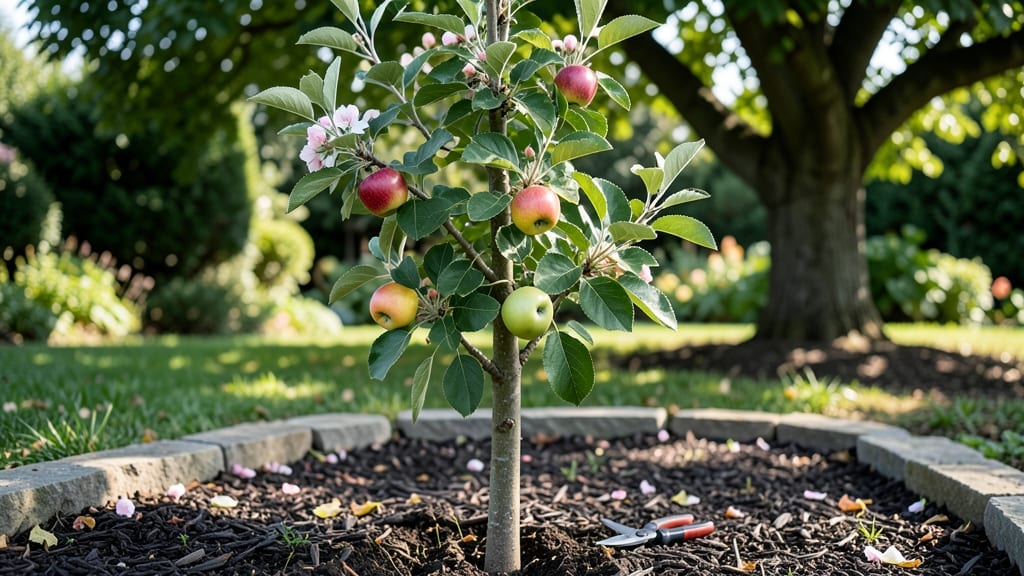
One tree, five apple varieties—my backyard orchard now fits on a patio. 🌳 These 5-in-1 apple trees pack four to five different apple types onto a single trunk, so you get a harvest of flavors without needing acres of space.
The secret lies in how the grafts work together, but even beginners can master this with the right approach.
You’ll need well-draining soil, a sunny spot with at least 6 hours of light daily, and patience—these trees take 3-5 years to produce their first full harvest. The beauty?
Each grafted variety ripens at slightly different times, stretching your harvest from late summer through fall. My Granny Smith and Honeycrisp grafts alone have cut my grocery bill in half.
By pruning strategically each winter, you’ll encourage stronger growth and better fruit set. The tree handles pests like most apples, but I’ve found neem oil sprays keep codling moths at bay. Within a few years, you’ll have a mini orchard that neighbors will envy—no farm required.
Works in containers for small spaces, or planted in-ground for bigger yields. The key is choosing a rootstock that matches your climate zone. Let’s get those varieties growing!
📚 In This Guide
- What you need
- Instructions
- Tips and common mistakes
- Wrapping up and next steps
What you need
- ● 5-in-1 Apple Tree: 1 dwarf or semi-dwarf tree (choose a variety like Honeycrisp, Fuji, or Gala for best results).
- ● Pot or Planter: 1 large container (15–20 gallons) with drainage holes, or a raised bed (4’x4’ minimum for 5-in-1 systems).
- ● High-Quality Potting Soil: 1 bag of well-draining, organic soil mix (or a blend of 60% topsoil, 30% compost, and 10% perlite/sand).
- ● Fertilizer: 1 slow-release granular fertilizer (10-10-10 or organic options like fish emulsion).
- ● Watering Can or Hose: 1 with a gentle spray nozzle for even moisture.
- ● Pruning Shears: 1 pair of sharp, sterilized shears (for shaping and maintenance).
- ● Mulch: 2–3 inches of organic mulch (wood chips or straw) to retain moisture.
- ○ Stakes & Twine (Optional but Helpful): 2–3 stakes and soft twine to support young trees.
- ● Tree Support Cage: 1 collapsible metal or plastic cage for taller varieties.
- ● Drip Irrigation Kit: 1 small system to automate watering (great for busy gardeners!).
- ● Pest Control: Neem oil spray or copper tape to deter pests naturally.
- ● Grow Lights (Indoor Setups): 1–2 LED grow lights for early spring/fall growth boosts.
- ● Soil pH Test Kit: 1 kit to ensure your soil is slightly acidic (pH 6.0–6.5).
How to plant and care for 5-in-1 apple trees
Here's the straightforward way to create a compact, high-yield orchard in your backyard.
🪴 Step 1: Choose the Right Location and Prepare the Soil
Select a sunny spot with at least 6 hours of direct sunlight daily—apple trees thrive where they can soak up warmth. Avoid low-lying areas where cold air settles, as frost damage can kill young trees. Test your soil's pH first; apple trees prefer 6.0-6.5. If yours is too acidic, amend with lime before planting.
Dig a 12-inch deep hole for each of the 4 trees (since 5-in-1 trees share a rootstock). Loosen the soil at the bottom to encourage root growth. Mix 2-3 gallons of compost into the native soil you removed—this improves drainage and nutrient availability. Avoid fresh manure, which can burn tender roots.
🌱 Step 2: Plant the Trees Properly for Optimal Growth
Place each tree in its hole so the graft union (the swollen area where the scion meets the rootstock) sits 2-3 inches above soil level. This prevents the union from being buried, which can cause rot. Space the 4 trees in a square pattern, about 12 feet apart—this mimics a traditional orchard layout but in miniature.
Backfill with the amended soil, tamping gently to remove air pockets. Water deeply to settle the roots, then add a 3-inch layer of mulch (wood chips or straw) around the base. Keep mulch 4 inches away from the trunk to prevent moisture buildup that invites disease. Stake only if necessary—apple trees are sturdy, but young trees may need support in windy areas.
☀️ Step 3: Water and Fertilize for Strong Establishment
Water deeply once a week during the first growing season, ensuring moisture reaches 12 inches down. Shallow watering encourages weak root systems. You'll know you're doing it right when the soil feels damp 6 inches below the surface. Avoid wetting the foliage to prevent fungal diseases like apple scab.
Apply a balanced 10-10-10 fertilizer in early spring, following package rates. Feed again in mid-summer for a second flush of growth. Over-fertilizing leads to excessive leafy growth at the expense of fruit production—stick to the recommended amounts. Prune back any suckers (shoots growing from the rootstock) immediately to direct energy upward.
✂️ Step 4: Prune and Train for Maximum Fruit Production
Prune in late winter or early spring before buds swell. Remove dead, crossing, or inward-growing branches first to open the center of the tree. Thin out excess growth to improve airflow—this reduces disease risk. Aim for an open vase shape to allow sunlight to reach all branches evenly.
Thin fruit in late spring when apples are pea-sized. Leave 1 apple per cluster, spacing them 4-6 inches apart. This ensures larger, higher-quality fruit. If birds are a problem, cover young trees with fine netting—they won't deter determined critters, but it buys you time until the trees mature.
🍏 Step 5: Maintain Long-Term Health and Harvest
Monitor for aphids, codling moths, and apple scab—common pests and diseases in compact orchards. Use neem oil or horticultural oil for prevention, applying in early spring before buds open. Avoid chemical sprays if possible, as they can harm bees and other pollinators. Handpick damaged fruit early to prevent spread.
Harvest when apples easily detach from the tree with a slight twist. Varieties on 5-in-1 trees typically ripen over 2-3 weeks, so check weekly. Store unripe fruit in a cool, dark place to finish ripening. Enjoy the bounty—or share it! With proper care, these space-saving trees can produce dozens of apples annually in just a fraction of the space.
Tips & tricks for perfect 5-in-1 apple trees
Turning your backyard into a productive mini-orchard takes more than just planting—these insights will help you maximize your space and yield.
Location and Soil Secrets: That 6 hours of sunlight isn't just a minimum—aim for full sun exposure (8+ hours) if possible, especially in cooler climates. I've seen trees in partial shade produce smaller fruit, so position them where they'll get morning sun at least. For soil prep, consider adding a handful of wood ash to your compost mix if your soil tests slightly acidic—it naturally raises pH without harsh chemicals.
Planting Precision: When positioning your 4 trees in that square pattern, remember the "windbreak rule"—place one tree slightly higher than the others if your yard has prevailing winds. This creates a natural windbreak for all trees. Also, the 2-3 inches above soil level for the graft union is non-negotiable, but if your soil settles after planting, add more soil later rather than burying the union.
Watering Wisdom: That deep watering once a week during the first season is crucial, but here's the trick: water in the morning so foliage dries completely before evening. Wet leaves overnight create perfect conditions for apple scab. I use a moisture meter to check that 6-inch depth—when it reads dry, it's time to water again, not on a fixed schedule.
Pruning Pro Tips: When thinning fruit to 1 apple per cluster, focus on apples facing outward—this maximizes sunlight exposure and air circulation. For pruning, always make cuts just outside the branch collar (that swollen area where branches meet the trunk). I carry a small pruning saw for thicker branches and sterilize my tools with rubbing alcohol between cuts to prevent disease spread.
Pro Tips for 5 In 1 Apple Trees
- Turning your backyard into a productive mini-orchard takes more than just planting—these insights will help you maximize your space and yield.
- Location and Soil Secrets: That 6 hours of sunlight isn't just a minimum—aim for full sun exposure (8+ hours) if possible, especially in cooler climates.
- Planting Precision: When positioning your 4 trees in that square pattern, remember the "windbreak rule"—place one tree slightly higher than the others if your yard has prevailing winds.
Frequently asked questions
Got questions about growing a 5-in-1 apple tree? You’re not alone! Here are some of the most common queries—and their practical answers—to help you get started with confidence.
How much space do I really need for a 5-in-1 apple tree?
A 5-in-1 tree is designed to save space, but it still needs 6–8 feet of diameter (or the width of a standard parking space) to thrive. Since it’s grafted with five varieties, branches will spread, so avoid planting near fences or structures. Pro tip: If space is tight, opt for a columnar or dwarf variety of the 5-in-1 tree for even smaller footprints!
How long does it take for a 5-in-1 apple tree to bear fruit?
Patience is key! Most 5-in-1 trees take 3–5 years to produce fruit after planting, though some varieties may yield earlier. Proper care—like watering, pruning, and fertilizing—can slightly speed up the process. Bonus: Once established, these trees can produce apples for 20+ years!
Can I grow a 5-in-1 apple tree in a container or pot?
While possible, it’s not ideal for long-term health. Containers limit root growth, which can stress the tree and reduce fruit quality. If you must pot it, use a large container (at least 15–20 gallons) with drainage holes and repot every 2–3 years. For best results, plant in well-draining soil in the ground.
What’s the best way to protect my 5-in-1 tree from pests or diseases?
Prevention is your best defense! Start with healthy soil and proper spacing to improve airflow. Monitor for common pests like aphids or codling moths, and use neem oil or insecticidal soap if needed. Prune regularly to remove diseased branches, and consider organic fungicides if fungal issues arise. Pro tip: Planting companion herbs like mint or basil nearby can deter some pests naturally!
Do all five apple varieties on a 5-in-1 tree ripen at the same time?
Nope! Each variety has its own harvest window, typically spanning 4–6 weeks in late summer to fall. Some may ripen earlier (like Fuji), while others (like Gala) mature later. Keep a harvest log to track ripening times and enjoy a season-long apple feast!
Wrapping up and next steps
Transforming your backyard into a thriving 5-in-1 apple orchard is not just possible—it’s a rewarding adventure! With these space-saving trees, you’ll enjoy four distinct apple varieties (plus a bonus!) in minimal room, perfect for small gardens or urban homesteads.
The key? Patience, proper care, and a little creativity—and soon, you’ll be harvesting crisp, delicious fruit while saving space and money.
Ready to take the next step? Start small—plant one tree this season, experiment with pruning, and watch your orchard grow! Whether you’re a seasoned gardener or a curious beginner, your backyard bounty awaits. 🍏✨