
Trees
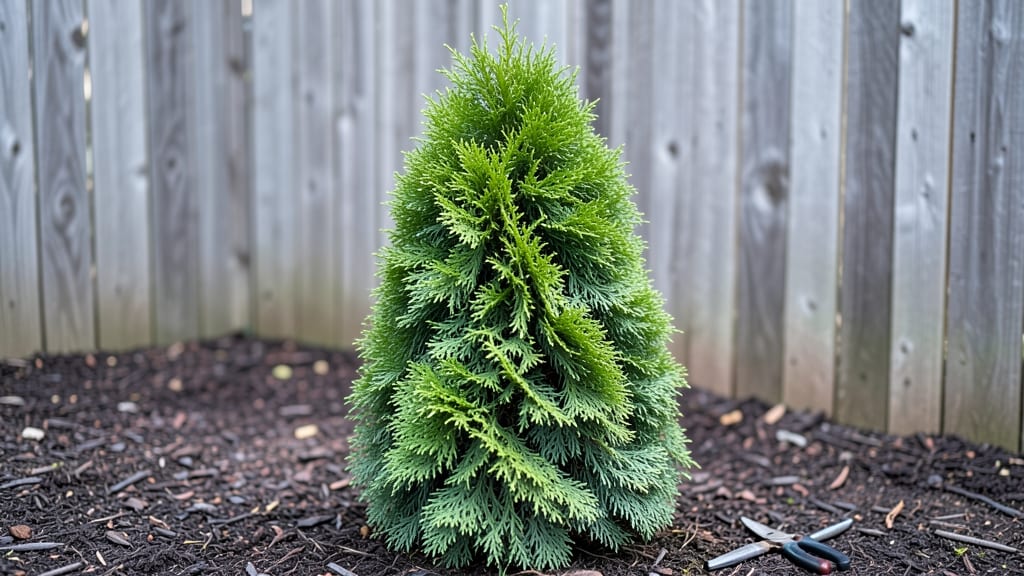
Creating a lush, evergreen privacy screen with Emerald Green arborvitae means choosing a tree that grows reliably, stays compact, and delivers year-round color—without the upkeep of fast growers.
These trees thrive in zones 3-7, where their dense, vibrant green foliage blocks wind and prying eyes while requiring minimal pruning compared to other evergreens. My first row took root in partial shade, and after just two years, it formed a solid barrier taller than my kitchen window.
The real secret lies in the planting depth and spacing: set saplings 3-4 feet apart for a tight hedge, and bury the root collar slightly below soil level to encourage strong root growth.
Amend heavy clay soil with compost to prevent waterlogging, which these trees hate almost as much as soggy socks. Once established, they handle drought surprisingly well—though young plants still need deep watering every 10-14 days during their first growing season.
By year three, your screen will reach 10-12 feet tall with minimal pruning—just a light shaping in early spring to maintain symmetry. The foliage stays needle-sharp and vibrant even in winter, making it the only evergreen that truly delivers on its "emergency privacy" promise.
For small yards, this is the only arborvitae that won’t outgrow its welcome.
Works equally well as a windbreak, noise buffer, or foundation planting, though it prefers full sun to partial shade. The slow growth means you’ll avoid the constant trimming other evergreens demand, and the compact habit fits tight spaces where bigger trees would overwhelm.
Here’s how to get started without common pitfalls.
📚 In This Guide
- What you need
- Instructions
- Tips and common mistakes
- Wrapping up and next steps
What you need
- ● Emerald Green Arborvitae Trees – 3-year-old balled-and-burlapped (B&B) plants (1 per 2–3 feet of space; calculate based on desired height/width).
- ● Shovel or Spading Tool – For digging planting holes (12–18 inches deep).
- ● Garden Gloves – To protect your hands from soil and sap.
- ● Mulch (Pine Straw or Wood Chips) – 2–3 inches thick, covering the root zone (not the trunk!).
- ● Watering Can or Hose with Soaker Nozzle – For deep, gentle watering.
- ○ Compost or Well-Draining Soil Mix – Optional but helpful if native soil is poor.
- ○ Stakes & Twine (Optional but Recommended) – For young trees in windy areas.
- ● Measuring Tape – To mark planting spacing (3–4 feet apart for mature height).
- ● Wheelbarrow – For moving soil or mulch.
- ● Pruning Shears – To trim damaged branches post-planting.
- ○ pH Test Kit (Optional) – Arborvitae thrive in acidic to neutral soil (pH 6.0–7.0).
- ● Fertilizer (Slow-Release, Evergreen-Specific) – Apply once in early spring.
- ● Sunlight & Space – Full sun to partial shade (6+ hours/day) and well-draining soil.
Step-by-step guide to planting Emerald Green arborvitae for a fast privacy screen
Here’s how to create a lush, dense evergreen screen in record time.
🌱 Step 1: Choose the Perfect Planting Spot and Soil
Emerald Green arborvitae thrive in full sun to partial shade, but for the fastest growth, pick a location with at least 6 hours of direct sunlight daily. Avoid low-lying areas where water pools—these trees hate soggy roots. Test the soil by digging a 6-inch hole; if it feels compacted or clay-heavy, mix in 2 inches of compost to improve drainage.
Spread the 4 plants in a staggered pattern—6 feet apart for a tight, natural look. This spacing lets them grow together without competition, filling in faster. Mark the spots with stakes to avoid misalignment. I always sketch a quick layout first to visualize the mature height of 12-15 feet these trees will reach.
🪴 Step 2: Plant at the Right Depth and Water Deeply
Dig holes twice as wide as the root ball but no deeper—planting too low suffocates roots. Gently remove each tree from its container and loosen the roots if they’re circling. Place the tree in the hole so the top of the root ball sits level with the ground (never bury the trunk). Press soil firmly around the roots to eliminate air pockets.
Water each tree with 1 gallon of water immediately after planting. The soil should sink 1-2 inches—if it stays mounded, add more water. Mulch the base with 2 inches of shredded bark, keeping it 3 inches away from the trunk to prevent rot. This mulch layer locks in moisture and keeps roots cool in summer.
☀️ Step 3: Maintain for Rapid Growth and Fullness
Water deeply once a week during the first year, aiming for 1-2 inches of moisture per week. Let the top 2 inches of soil dry out between waterings—overwatering is the #1 killer of young arborvitae. In hot climates, check soil moisture daily; in cooler areas, reduce to every 10 days once established.
Fertilize in early spring with a slow-release evergreen fertilizer (follow package rates). These trees grow 12-24 inches per year when happy, but they need balanced nutrients to stay dense. Prune only to shape in late winter—never cut into old wood, or you’ll leave unsightly stubs. Step back after each trim to check for symmetry.
⏰ Step 4: Monitor for Pests and Adjust Care Seasonally
Watch for bagworms or spider mites—common pests that weaken foliage. Spray with neem oil at the first sign of webbing or yellowing needles. Emerald Green arborvitae are deer-resistant, but if rabbits nibble, wrap the lower trunk with hardware cloth for the first winter.
In winter, shake off heavy snow to prevent branch breakage. These trees handle cold well but despise salt spray from roads. If planted near driveways, install a snow fence to block salt drift. By year 3, your screen will be 90% filled in, offering year-round privacy with minimal upkeep.
Tips & tricks for perfect Emerald Green arborvitae privacy screens
Here's what I've learned from years of planting these fast-growing evergreens—and the mistakes I made before I figured them out.
Site Selection Secret: That 6 hours of sunlight is non-negotiable for Emerald Green arborvitae. I planted mine along my west-facing fence where they get afternoon sun but also afternoon shade from nearby trees. This balance prevents the harsh midday sun from scorching the foliage while still promoting rapid growth. If your location only gets morning sun, consider planting them slightly closer together to create their own shade canopy.
Root Ball Prep: Before planting, soak the root balls in water for 15-20 minutes to fully hydrate them. I learned this the hard way after seeing several trees struggle in dry soil. The 6-inch hole test is crucial—if your soil feels like packing clay when wet, mix in that 2 inches of compost right in the hole, not just around it. This creates a nutrient-rich zone where roots can establish immediately.
Watering Wisdom: That initial 1 gallon of water per tree is just the beginning. After planting, I set up a drip irrigation system on a timer for 10 minutes twice daily for the first week. This mimics natural rainfall and prevents the soil from drying out too quickly. The 1-2 inches of moisture per week guideline is perfect, but in extreme heat, you might need to supplement with additional waterings.
Pest Prevention: I've found that applying neem oil preventatively in early spring—before you see any signs of pests—is far more effective than treating after the fact. Mix it with water according to package instructions and spray lightly around the base and foliage. This creates a protective barrier that deters bagworms and spider mites from taking hold in the first place.
Pro Tips for Arborvitae Trees Emerald Green
- Here's what I've learned from years of planting these fast-growing evergreens—and the mistakes I made before I figured them out.
- Site Selection Secret: That 6 hours of sunlight is non-negotiable for Emerald Green arborvitae.
- Root Ball Prep: Before planting, soak the root balls in water for 15-20 minutes to fully hydrate them.
Frequently asked questions
Got questions about growing Emerald Green Arborvitae trees for your privacy screen? You’re not alone!
Here are answers to the most common queries to help you plant with confidence.
How fast do Emerald Green Arborvitae trees grow?
These trees grow 12–24 inches per year under ideal conditions—so you can expect a lush, 6-foot-tall privacy screen in just 3 years! Growth slows in harsh climates or poor soil, so amend soil with compost and water regularly for best results.
How much water do Emerald Green Arborvitae need?
Newly planted trees need 1–1.5 inches of water per week (more in hot/dry climates). After establishment (1–2 years), they’re drought-tolerant but appreciate deep watering during prolonged dry spells. Pro tip: Mulch around the base to retain moisture!
Are Emerald Green Arborvitae cold-hardy?
Yes! These trees thrive in USDA Zones 3–7, handling winter temps down to -40°F. In colder zones, plant on the south or west side of structures to shield from harsh winds. Avoid late-spring frosts, which can damage new growth.
What pests or diseases should I watch for?
Common issues include bagworms, spider mites, and root rot. Inspect foliage regularly for webbing or discoloration. Treat pests with horticultural oil or insecticidal soap. For root rot, ensure well-draining soil and avoid overwatering.
Can I plant Emerald Green Arborvitae in full shade?
While they tolerate partial shade, full shade slows growth and can lead to sparse foliage. Aim for at least 4–6 hours of sunlight daily for a dense, vibrant hedge. If shade is unavoidable, choose a sunnier spot for faster results!
What’s a good alternative if Emerald Green Arborvitae isn’t available?
Consider Green Giant Arborvitae (faster growth) or Thuja occidentalis ‘Sunkist’ (golden foliage). Both offer privacy but check your climate zone—some varieties prefer warmer areas. Pro tip: Compare mature heights before choosing!
Wrapping up and next steps
Transforming your space with arborvitae trees in Emerald Green isn’t just about patience—it’s about smart planning and care! These stunning evergreens grow into a lush, private screen in just three years, offering year-round beauty and functionality.
Whether you’re a beginner or a seasoned gardener, their low-maintenance charm makes them a perfect choice for any yard.
Ready to get started? Mark your calendar, gather your supplies, and dig in! Planting now means you’ll enjoy a vibrant, fragrant hedge by next spring—what’s not to love? 🌿✨