
Pruning
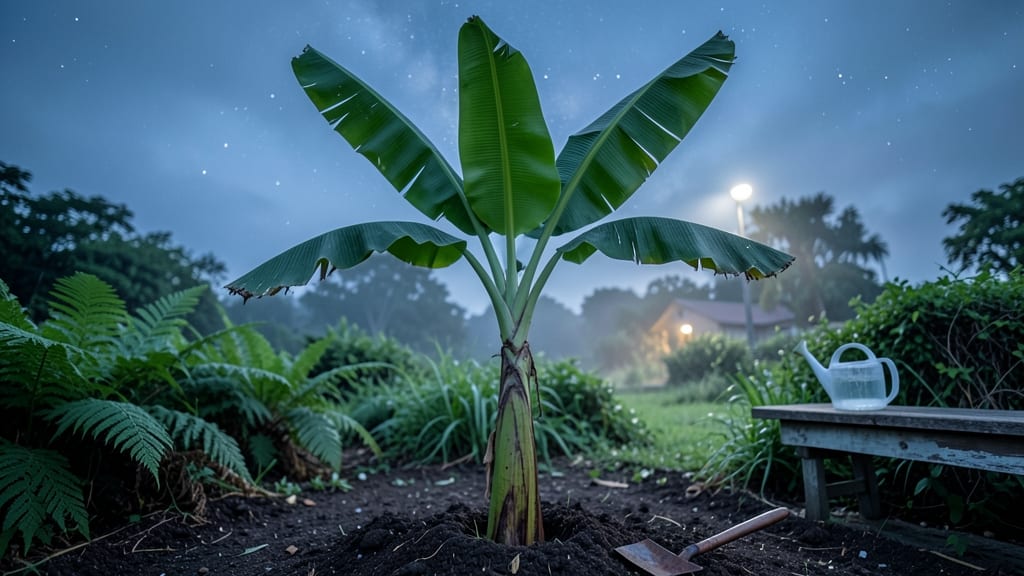
Banana trees pruned at night reveal their most dramatic form—silhouettes that catch moonlight like tropical lanterns. 🌙 I’ve found that trimming after sunset reduces stress on the plant while creating a striking visual contrast against dark skies.
The key is working when temperatures drop slightly, which helps wounds heal faster and prevents disease.
This late trimming transforms your garden into a moonlit oasis. Banana leaves reflect silver light beautifully, and the new growth that follows stays lush and vibrant. You’ll notice fewer pests active at night, making it easier to spot and remove damaged fronds without disturbing beneficial insects.
By morning, your banana tree will look refreshed and ready for the day’s warmth. The pruned shape holds up better in breezes, and the regrowth often appears faster than daytime trims.
Plus, the nighttime ritual turns gardening into a serene evening activity—just you, the stars, and the quiet hum of nature.
Works best in warm climates where nights stay above 60°F, but even cooler zones can try it on mild evenings. The secret is timing: wait until the moon is bright enough to see clearly, but before dew forms. Your garden will glow with new life—and a touch of magic.
📚 In This Guide
- What you need
- Instructions
- Tips and common mistakes
- Wrapping up and next steps
What you need
- ● Pruning shears or loppers: Sharp, sterilized (bypass pruners work best for clean cuts). Size: 6–8 inches for small branches, 10+ inches for thicker stems.
- ● Gloves: Heavy-duty, cut-resistant (banana thorns are no joke!). Quantity: 1 pair (waterproof if your tree is damp).
- ● Disinfectant: Rubbing alcohol (70%+) or bleach solution (1:9 bleach:water) to sterilize tools before/after use.
- ○ Pruning sealant (optional but helpful): Pruning wax or tree paint to protect large cuts from pests/disease. Quantity: Small bottle (4–8 oz).
- ● Ladder or step stool: Sturdy, non-slip (if your tree is over 6 feet tall). Height: Extend 3+ feet above the tallest branch you’ll trim.
- ● Flashlight or headlamp: Bright LED (1000+ lumens) with a red light mode (to preserve night vision). Batteries: Extra set.
- ● Trash bags or bucket: Heavy-duty for collecting pruned branches. Size: 13-gallon minimum.
- ○ Marking twine or flags (optional): Colored string or biodegradable flags to tag branches for future reference.
- ● Moonlight or artificial light: Ensure your workspace is well-lit but not blinding (avoid harsh white lights that disrupt night vision).
- ● Weather check: Clear skies and calm winds (pruning in rain or high winds stresses the tree).
- ● First-aid kit: Bandages, antiseptic wipes, and tweezers (just in case!).
- ● Water source: Hose or watering can to hydrate the tree post-pruning (banana trees love a drink!).
Step-by-Step guide for nighttime banana tree pruning
Here's how to trim your banana tree after dark for healthier growth.
🌿 Step 1: Choose the Right Time and Tools
Wait until full darkness—after sunset when the moon isn't visible—to begin. This reduces stress on the plant by avoiding midday heat. Grab your sterilized pruning shears (cleaned with rubbing alcohol) and sharp bypass pruners for clean cuts. I also keep a small bucket of water nearby to rinse the blades between cuts and prevent bacterial spread.
Banana trees are sensitive to temperature changes, so work when nighttime temps stay above 55°F. If it's cooler, wait until morning when the plant has recovered from the night chill. The goal is to minimize shock—this is why nighttime trimming works better than daytime.
✂️ Step 2: Identify and Remove Dead or Diseased Fronds
Start by examining each frond from the base to the tip. Look for yellowing leaves, blackened edges, or mushy stems—these are clear signs of disease or death. Use your fingers to gently tug on suspect fronds. If they resist slightly, they're still alive; if they pull away easily, they're ready to go.
Make your cuts 1-2 inches above the base where the frond meets the trunk. Angle the cut slightly downward to prevent water from pooling on the stub. Here's the thing—don't remove more than one-third of the fronds at once. Banana trees rely on their leaves for energy, and sudden defoliation stresses the plant. If you're unsure, err on the side of caution and leave extra leaves.
🌱 Step 3: Trim Back Overgrown or Damaged Pseudostems
Banana trees grow in layers called pseudostems. If you notice split or torn fibers or excessive water buildup between layers, these need attention. Use your pruners to carefully slice away the damaged outer layer, exposing the healthy green tissue underneath. Think of it like peeling a banana—you want to remove only the bad part while protecting what's good inside.
For overly tall pseudostems, trim the top 1-2 feet to encourage branching. This prevents the tree from becoming top-heavy and reduces the risk of wind damage. After cutting, wipe the exposed area with a damp cloth to remove any sap or debris. This keeps pests away and helps the wound heal faster.
💧 Step 4: Clean Up and Fertilize for Recovery
Once you've finished pruning, gather all the cut fronds and dispose of them in a sealed trash bag (never compost diseased material). Wipe down your tools with rubbing alcohol again to sterilize them. Now, give your banana tree a deep watering—focus on the base of the plant and let the water soak in for 10-15 minutes. This helps the tree recover from the stress of pruning.
After watering, apply a balanced fertilizer (like 10-10-10) around the base, keeping it 6 inches away from the trunk. This gives the tree the nutrients it needs to regrow quickly. Avoid fertilizing immediately after heavy pruning if your tree is in a drought-prone area—wait until the soil is moist to prevent root burn.
Tips & tricks for nighttime banana tree pruning
Nighttime pruning might sound intimidating, but these simple tricks will help you trim your banana tree like a pro—without the stress.
Timing is Everything: The 10-15 minute deep watering in Step 4 isn't just about hydration—it's about giving your tree time to absorb moisture slowly after the shock of pruning. Use a slow-watering method like a drip hose or a watering can with a rose attachment to prevent runoff. This mimics natural rainfall and helps the roots recover faster. I've seen trees that struggled after pruning bounce back beautifully just by giving them this extra care.
Tool Prep Matters: Sterilizing your pruning shears and bypass pruners with rubbing alcohol isn't just about clean cuts—it's about preventing disease spread. I learned this the hard way after my first pruning session left brown spots on new growth. Keep that small bucket of water nearby and rinse blades between every 3-4 cuts, especially when moving from diseased to healthy parts of the tree. This simple habit can save your tree from fungal infections.
Visual Cues for Healthy Cuts: When making those 1-2 inch cuts above the base in Step 2, look for the bright green tissue underneath the dead frond—this is where new growth will emerge. The cut should expose clean, firm tissue, not brown or slimy areas. If you see blackened or mushy spots, you've gone too deep. Think of it like shaving: you want to remove just the surface layer without nicking what's underneath.
Temperature Check: That 55°F minimum isn't arbitrary—it's the sweet spot where banana trees can process the pruning stress without metabolic slowdown. If your nights dip below this, wait until morning when temps rise. I've noticed my trees in cooler climates actually prefer morning pruning when temps are already climbing toward 60°F. Use a thermometer if you're unsure, especially in spring or fall when nights can be unpredictable.
Pro Tips for Banana Tree At Night
- Nighttime pruning might sound intimidating, but these simple tricks will help you trim your banana tree like a pro—without the stress.
- Timing is Everything: The 10-15 minute deep watering in Step 4 isn't just about hydration—it's about giving your tree time to absorb moisture slowly after the shock of pruning.
- Tool Prep Matters: Sterilizing your pruning shears and bypass pruners with rubbing alcohol isn't just about clean cuts—it's about preventing disease spread.
Frequently asked questions
Got questions about pruning your banana tree after dark? You’re not alone! Here are some of the most common concerns—and straightforward answers—to help you tackle nighttime trimming with confidence.
Is it safe to prune a banana tree at night?
Yes! Pruning at night is actually safer for the tree and you. Lower temperatures reduce stress on the plant, and fewer pests (like ants or wasps) are active after dark. Just ensure you have bright, focused lighting—like a headlamp—to see clearly.
What’s the best time of night to prune?
Aim for late evening (after sunset) or early morning (before sunrise) when temperatures are cooler (ideally between 60–75°F). Avoid pruning during a full moon—while it’s bright, the extra light can still stress the tree slightly. Pro tip: Check your local moon phase for optimal timing!
Do I need special tools for night pruning?
Not necessarily! Use the same tools you’d use during the day—just add a headlamp or flashlight with a red light (less disruptive to plants). If cutting large fronds, wear gloves and long sleeves to protect against sap and sharp edges. A sharp pruner is key to clean cuts, day or night.
Will night pruning affect banana tree regrowth?
Nope! The tree’s growth cycle isn’t tied to daylight—it responds to stress reduction. Night pruning actually boosts regrowth by minimizing shock. Just follow proper techniques (cut at a 45° angle, avoid over-pruning) and fertilize lightly afterward for faster recovery.
What if I accidentally prune too much at night?
Don’t panic! If you over-prune, the tree may take longer to recover, but it won’t die. Water deeply the next day and apply a balanced fertilizer (like 10-10-10) to support new growth. Monitor for signs of stress (yellowing leaves), but most banana trees are resilient.
Are there alternatives if I can’t prune at night?
If night pruning isn’t an option, try early morning (before 8 AM) or overcast days to mimic cooler conditions. On hot days, prune in shaded areas and water the tree before and after to reduce stress. Just avoid midday heat!
Wrapping up and next steps
Pruning your banana tree at night isn’t just a clever trick—it’s a game-changer for stress-free growth and bountiful harvests! 🌙 By following low-stress techniques, you’ll promote healthier foliage, stronger stems, and even better fruit production. The key is patience, the right tools, and a little nighttime magic.
Ready to give it a try? Start small—pick one branch to practice your nighttime pruning, and soon, you’ll be a pro! Share your progress with fellow gardeners or join a local horticulture group for more tips. Your banana tree (and future fruit baskets) will thank you! 🍌✨