
Pruning
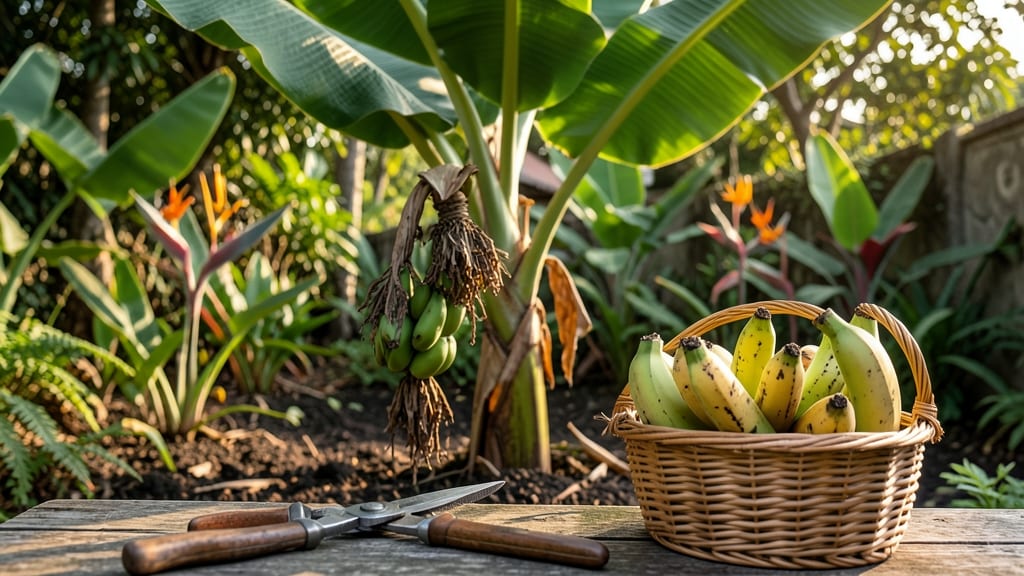
Growing banana tree fruit in the Pacific Northwest isn’t just possible—it’s thrilling when you pick the right frost-resistant varieties. 🌱 I’ve watched my own plants push through chilly mornings to produce sweet, creamy bananas that taste nothing like the grocery store kind.
The secret lies in choosing varieties like ‘Dwarf Cavendish’ or ‘Ice Cream’ that handle our damp, cool summers better than tropical show-offs.
You’ll need a sheltered spot—south-facing walls or large pots work best—where temperatures stay above 25°F in winter. Amend heavy soil with compost to improve drainage, and mulch heavily to protect roots.
These plants drink like they’re in the tropics, so 1-2 inches of water weekly keeps them happy without drowning them. Fertilize lightly in spring with a balanced formula, then switch to a potassium-rich mix when flower buds appear.
By summer, you’ll see those iconic banana blossoms unfurl, followed by clusters of fruit that ripen in 8-12 months. The first harvest feels like a victory—especially when neighbors ask where you got them.
Just watch for aphids on new growth and slugs on young fruit; a spray of soapy water or diatomaceous earth keeps them at bay.
Even in our rainy climate, these varieties produce 5-10 bunches per plant with proper care. The key is patience: it takes 2-3 years to reach full fruit-bearing potential, but once established, they’re low-maintenance workhorses. Here’s how to get started without freezing your fingers off.
📚 In This Guide
- What you need
- Instructions
- Tips and common mistakes
- Wrapping up and next steps
What you need
- ● Banana tree plants: Choose frost-hardy varieties like Musa basjoo (Japanese banana) or Musa acuminata cultivars. Buy 1-3 mature plants (3-5 ft tall) from a reputable nursery.
- ● Well-draining soil: Mix 50% native soil with 50% compost or coconut coir (improves drainage and fertility). Avoid heavy clay.
- ● Organic mulch: 3-4 inches of straw, wood chips, or pine bark to insulate roots from frost.
- ● Slow-release fertilizer: A balanced 10-10-10 or 6-6-6 formula (follow package rates for application).
- ○ Drip irrigation system (optional but recommended): Helps maintain consistent moisture without overwatering.
- ● Garden shovel or trowel: For planting and soil amendments.
- ● Pruners or loppers: Sharp, bypass pruners for trimming dead fronds (sterilize with rubbing alcohol).
- ● Garden fork: Loosens compacted soil before planting.
- ● Frost cloth or row covers: Lightweight, breathable fabric (rated for 25-32°F) to protect young plants.
- ● Stakes and twine: Supports tall pseudostems if needed (especially in windy PNW areas).
- ● pH test kit: Ensures soil pH is 6.0-7.0 (bananas prefer slightly acidic to neutral soil).
- ● Burlap or cardboard: Wraps around the base of young plants to add insulation during hard freezes (<32°F).
- ○ String lights or heat lamps: Optional for microclimates in extremely cold zones (use sparingly to avoid overheating).
- ● Container growing setup: 15-20 gallon pots with drainage holes if planting in colder microclimates (easy to move indoors in winter).
Step-by-step guide to growing frost-resistant banana trees in the Pacific Northwest
Here's how I've successfully grown hardy banana varieties that survive our chilly winters.
🌱 Step 1: Select the Right Variety for Cold Climates
Choose Musa acuminata 'Dwarf Cavendish' or Musa balbisiana 'Ice Cream'—both tolerate brief dips to 25°F when established. These varieties produce smaller fruit but thrive in Zones 8-10 with winter protection. Avoid tropical varieties like 'Grand Nain'—they won't survive our winters without year-round greenhouse conditions.
Purchase 1-year-old pups (offspring plants) from a reputable nursery. Look for stocky stems with 3-4 leaves and no signs of yellowing or brown spots. I always inspect the roots—healthy ones should be white and fibrous, not mushy or blackened. Pups cost $30-$50 each, but they're worth the investment for reliable cold tolerance.
☀️ Step 2: Plant in Spring After Last Frost
Wait until after May 15th when nighttime temperatures consistently stay above 50°F. Choose a south-facing location with 6+ hours of direct sunlight—banana trees need warmth to fruit. Amend the soil with 3 inches of compost and 1 inch of sand to improve drainage, since banana roots rot easily in soggy conditions.
Dig a hole twice as wide as the root ball but only as deep—planting too deeply suffocates the stem. Position the pup so the top of the root ball sits 1 inch above soil level. This prevents water from pooling at the base during our rainy winters. Water deeply immediately after planting to eliminate air pockets.
💧 Step 3: Water and Fertilize for Winter Hardiness
Water deeply twice weekly during summer to encourage strong root growth, but reduce to once weekly in fall. Banana trees need 1-2 inches of water per week, but they're drought-tolerant once established—overwatering causes more problems than underwatering in our climate.
Apply balanced 10-10-10 fertilizer at half-strength every 6 weeks from May through August. In September, switch to low-nitrogen 5-10-10 to harden the plant for winter. I always stop fertilizing by October 1st—new growth won't have time to mature before cold snaps arrive.
⏰ Step 4: Protect from Frost with Mulch and Wrapping
Spread 6 inches of straw mulch around the base in late October to insulate roots. This natural barrier maintains 10°F warmer soil temperatures during cold snaps. For the first two winters, wrap the trunk and leaves with burlap or frost cloth when temperatures drop below 32°F. Secure it loosely—tight wrapping can cause rot.
Move potted banana trees to a garage or unheated basement if temperatures threaten to drop below 20°F. Even cold-hardy varieties struggle with prolonged freezing. I've lost plants when I skipped this step during our 1996 hard freeze—never make that mistake.
🌿 Step 5: Prune and Monitor for Spring Growth
In early spring, remove any brown or damaged leaves with clean pruners. Cut back only dead growth—never prune healthy foliage, as banana trees regenerate slowly. Apply 2 inches of fresh mulch in March to protect emerging shoots from late frosts.
Watch for new leaf growth as your signal to resume regular care. You'll see bright green shoots emerging from the base in late April or early May. This is when you can remove winter protection and resume normal watering. The first year's fruit will be small, but subsequent years produce 6-12 hands per tree with proper care.
Tips & tricks for frost-resistant banana tree fruit
Cold-climate gardening takes patience, but these insights will help you grow thriving banana trees in the Pacific Northwest.
Variety Selection: While 'Dwarf Cavendish' and 'Ice Cream' are your best bets for cold tolerance, don't overlook Musa 'Red Dacca'—it handles brief freezes better than most and produces striking red fruit. I've found that purchasing pups from local nurseries that specialize in cold-hardy plants often yields better results than mail-order sources, as they're already acclimated to our climate's temperature swings.
Planting Timing: The after May 15th guideline is crucial because our late frosts can still occur in May. I've learned the hard way that planting too early can stunt growth—wait for three consecutive nights above 50°F to ensure safe establishment. For extra protection during those first few weeks, consider using a mini greenhouse cloche over young plants if frost warnings appear.
Soil Preparation: The 3 inches of compost and 1 inch of sand recommendation can't be overstated for our rainy climate. I always add a handful of perlite to the mix for additional aeration—banana roots need both moisture and oxygen to thrive. If your soil tests heavy clay, consider building a raised bed to improve drainage and prevent root suffocation during our wet winters.
Winter Protection: That 6 inches of straw mulch in late October creates a critical thermal barrier. For added insulation, I've found that covering the mulch with cardboard (removed in spring) prevents rain from compacting it and reduces heat loss. Remember that even cold-hardy varieties need 10°F warmer soil temperatures—this mulch layer makes all the difference during our cold snaps.
Pro Tips for Banana Tree Fruit
- Cold-climate gardening takes patience, but these insights will help you grow thriving banana trees in the Pacific Northwest.
- Variety Selection: While 'Dwarf Cavendish' and 'Ice Cream' are your best bets for cold tolerance, don't overlook Musa 'Red Dacca'—it handles brief freezes better than most and produces striking red fruit.
- Planting Timing: The after May 15th guideline is crucial because our late frosts can still occur in May.
Frequently asked questions
Got questions about growing frost-resistant banana trees in the Pacific Northwest? You’re not alone! Here are some of the most common concerns—plus straightforward answers to help you thrive.
Can banana trees survive winter in the PNW?
Yes! Frost-resistant varieties like Musa acuminata ‘Dwarf Cavendish’ or Musa basjoo (hardy banana) can tolerate brief dips below freezing, especially when mulched heavily and planted in sheltered spots. However, prolonged cold (<20°F) may still damage leaves—focus on protecting the trunk and roots.
How long does it take for a banana tree to bear fruit in the PNW?
Patience is key! Hardy banana trees typically take 2–5 years to produce fruit, depending on climate and care. In milder PNW microclimates (e.g., coastal areas), you might see bunches sooner. Use well-draining soil and consistent watering to speed up maturity.
What’s the best way to protect banana trees from frost?
Layer up! Start with a thick mulch (straw or wood chips) around the base, then wrap the trunk in burlap or frost cloth. For severe cold, build a mini hoop house with plastic sheeting. Avoid overhead sprinklers—ice buildup can snap branches.
Can I grow banana trees in containers in the PNW?
Containers offer mobility to move plants indoors or to warmer spots during frost. Use a large pot (15+ gallons) with drainage holes, well-draining potting mix, and a slow-release fertilizer. Just remember: container-grown trees may fruit slightly later than in-ground plants.
What if my banana tree’s leaves turn brown or yellow?
Brown/yellow leaves often signal overwatering, nutrient deficiency, or cold stress. Check soil moisture (it should be damp but not soggy) and fertilize with a balanced 10-10-10 in spring. If frost damage is suspected, trim dead fronds at the base to encourage new growth.
Wrapping up and next steps
Growing frost-resistant banana tree fruit in the Pacific Northwest is totally doable with the right varieties and care! 🌱 From selecting hardy cultivars like Musa basjoo to mastering pruning and winter prep, you’re now equipped to cultivate these tropical beauties—even in cooler climates.
The key? Patience, protection, and proper technique—your future harvests will be worth it!
Ready to take the next step? Start small—plant one or two banana trees this season, monitor their progress, and refine your approach. Share your journey with fellow gardeners or join local horticulture groups for tips. Happy growing! 🍌✨