
Pruning
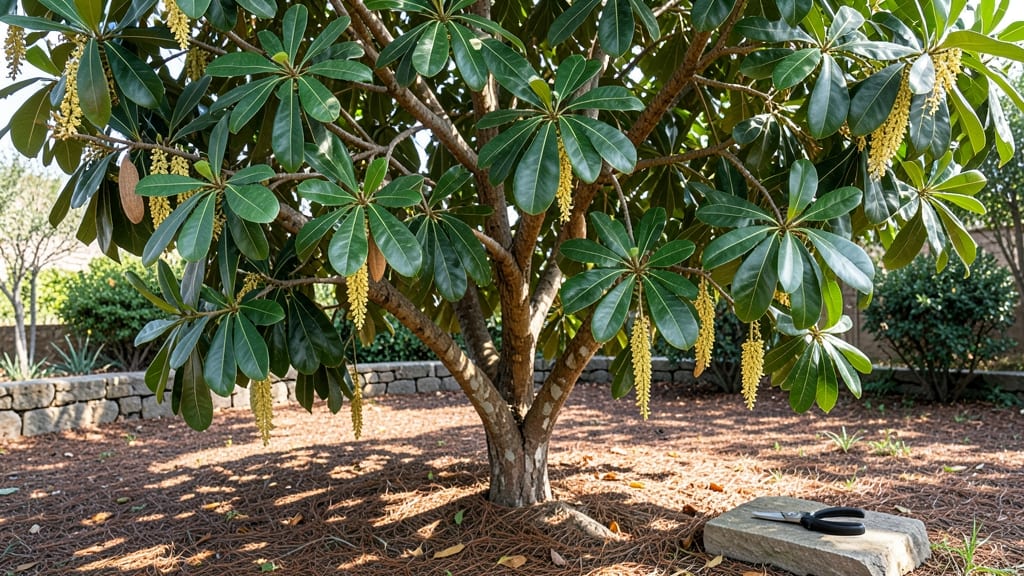
The beach almond tree thrives with strategic pruning that balances its natural coastal resilience with Pacific Northwest winters. I’ve trimmed mine for years, and the key is understanding when to shape for wind resistance while preserving its iconic, glossy foliage—especially after frost.
The tree’s ability to handle salt spray and occasional chilling makes it a standout for coastal gardens, but pruning wrong can stress it or invite disease. My first attempts left bare spots where branches had been overcut, but now I’ve dialed in a method that keeps it lush and productive.
You’ll need sharp pruning shears, a ladder (for taller branches), and a clear day—no pruning after rain or when frost is forecasted. The best time is late winter or early spring, just as new growth begins, when the tree’s energy shifts from dormancy.
Focus on removing dead wood first, then thin out crowded branches to improve airflow and sunlight penetration. This isn’t just about aesthetics; it’s about ensuring the tree’s signature leathery, maple-like leaves stay vibrant all season.
What you’ll achieve is a tree that’s both ornamental and functional—its edible nuts ripen in fall, and its dense canopy provides shade that’s perfect for coastal patios.
The pruning process itself is satisfying: you’ll see fresh, dark green shoots emerge within weeks, and the tree’s natural shape becomes even more striking. Even in the PNW’s milder winters, this method keeps the beach almond tree thriving year after year.
This approach works for urban gardens, large landscapes, or even large containers—just scale the tools accordingly. If you’re new to pruning, start small with one branch at a time, and always cut just above a leaf node.
The goal isn’t perfection; it’s helping the tree grow stronger and more resilient, just like it does by the sea.
📚 In This Guide
- What you need
- Instructions
- Tips and common mistakes
- Wrapping up and next steps
What you need
- ● Pruning shears: Bypass pruners (sharp, 6–8” blades) for small branches.
- ● Loppers: 1 pair (8–12” handles) for medium branches (½–2” thick).
- ● Pruning saw: 1 curved-tooth saw for thick branches (2”+ diameter).
- ● Gloves: Heavy-duty, cut-resistant (e.g., Mechanix or gardening gloves).
- ● Disinfectant: 70% isopropyl alcohol or a 10% bleach solution (1 part bleach to 9 parts water) to sterilize tools between cuts.
- ● Rubbing alcohol or hand sanitizer: For quick tool cleaning.
- ● Tarp or drop cloth: 10’x10’ to collect debris.
- ○ Pruning sealant: Optional (e.g., tree wound dressing) for large cuts.
- ● Extension pole: For hard-to-reach branches (adjustable 6–10’).
- ● Ladder: Sturdy, 3-section (12–16’ height) with non-slip feet.
- ● Safety glasses: To protect against debris.
- ● Work boots: With ankle support for uneven terrain.
- ● Notebook & pen: To sketch pruning plans or note branch sizes.
- ● Tree growth regulator: (e.g., hydrogen peroxide spray) for post-pruning care.
- ● Weather check: Prune on a dry, calm day (avoid frost or rain within 24 hours).
- ● Safety first: Wear long sleeves/pants to avoid scratches from thorns.
- ● Know your tree: Beach almond trees (Terminalia catappa) thrive in USDA Zones 9–11 but can handle PNW’s mild winters—prune after dormancy (late winter/early spring).
- ● Clear the area: Remove lawn furniture, toys, or pets from a 10-foot radius.
Step-by-step guide for pruning your beach almond tree
Here’s how to maintain your frost-hardy beach almond while keeping it healthy and productive.
Assess the Tree’s Structure and Health
Start by examining your beach almond tree in late winter or early spring, before new growth begins. Look for dead, diseased, or crossing branches—these are your first targets. Healthy branches have smooth bark and vibrant buds, while dead wood feels brittle and snaps easily when bent.
I always check for signs of frost damage, like brown or cracked bark, especially in the Pacific Northwest’s chillier zones. If you spot any, mark those areas for removal to prevent further spread. Use a small pruning knife to scrape a tiny section of bark—if it’s green underneath, the branch is still alive.
Remove Dead, Diseased, and Crowded Branches
Begin with the easiest cuts: remove any branches that are dead, diseased, or rubbing against others. Use clean, sharp pruners to make cuts just outside the branch collar—the swollen area where the branch meets the trunk. This ensures the tree heals properly and reduces the risk of infection.
For larger branches, I recommend using a three-step cut method: First, make an undercut about 12 inches out from the trunk. Then, cut from the top about 2 inches further out. Finally, clean up the stub by cutting just outside the branch collar. This prevents tearing and promotes faster healing.
Thin Out the Canopy for Better Airflow
Beach almond trees thrive with good airflow, so thin out the canopy by removing about 20% of the smaller, interior branches. Focus on branches that are growing inward or crossing others—these compete for sunlight and nutrients. Aim to create an open, vase-like shape that allows light to penetrate to the lower branches.
I usually step back every few cuts to visualize the tree’s structure. The goal is to maintain a balanced shape while encouraging new growth at the outer edges. Avoid over-pruning—removing too many branches at once can stress the tree, especially in the Pacific Northwest’s cooler climate.
Shape the Tree for Frost Resistance
Since beach almond trees are frost-resistant but can still suffer from cold damage, prune to encourage a strong, sturdy structure. Shorten overly long branches by about one-third to reduce wind damage and improve resilience. Avoid cutting back to stubs—always leave a small bud or branch to promote new growth.
Pay special attention to the tree’s lower branches. While beach almonds can handle some frost, removing weak or damaged lower limbs helps prevent snow or ice buildup, which can break branches. Use a hand saw for thicker branches, and always make cuts at a slight angle to prevent water from pooling.
Clean Up and Apply Protective Measures
After pruning, rake up and dispose of all debris to reduce the risk of disease. Sterilize your pruners with rubbing alcohol or a bleach solution to prevent spreading pathogens. If you notice any signs of pests or disease, treat the tree with an appropriate organic or chemical solution as needed.
Finally, apply a thin layer of mulch around the base of the tree, keeping it about 2 inches away from the trunk. This helps retain moisture and insulate the roots during the colder Pacific Northwest winters. Water the tree deeply after pruning to help it recover and encourage new growth.
Tips & tricks for perfect beach almond tree pruning
Here's what nobody tells you about keeping your beach almond thriving through Pacific Northwest winters.
Timing is Everything: Late winter or early spring is the absolute best time to prune your beach almond, right before new growth begins. I learned this the hard way after pruning too early in January—my tree struggled to recover before the growing season. The Pacific Northwest's unpredictable weather means you want to avoid pruning when frost is still a daily threat, as new cuts can be more vulnerable to cold damage.
Branch Collar Matters: When making cuts in Step 2, focus on cutting just outside the branch collar—the swollen area where the branch meets the trunk. I see so many people cutting flush with the trunk, which creates wounds that heal poorly. The branch collar contains protective cells that help the tree seal the cut naturally. For larger branches, that three-step cut method really works—start with the undercut 12 inches out, then make your top cut 2 inches further out, and finally clean up the stub. This prevents tearing and gives your tree the best chance to heal properly.
Visualizing the Canopy: In Step 3, when you're thinning out the canopy, step back every few cuts to visualize the tree's structure. I usually do this after removing about 5-6 branches. You want to create that open, vase-like shape that allows sunlight to reach all parts of the tree. Think of it like creating a window for light—every cut should improve airflow and reduce competition between branches. If you're unsure, take a photo before you start so you can compare your progress.
Frost Resistance Strategy: When shaping your tree for frost resistance in Step 4, remember that beach almonds can handle some frost but aren't completely immune. Shortening overly long branches by about one-third helps them withstand wind and ice better. I always check the lower branches first—these are most vulnerable to snow and ice buildup. Make those cuts at a slight angle to prevent water from pooling, which can lead to rot. And never cut back to stubs—always leave a small bud or branch to encourage new growth.
Pro Tips for Beach Almond Tree
- Here's what nobody tells you about keeping your beach almond thriving through Pacific Northwest winters.
- Timing is Everything: Late winter or early spring is the absolute best time to prune your beach almond, right before new growth begins.
- Branch Collar Matters: When making cuts in Step 2, focus on cutting just outside the branch collar—the swollen area where the branch meets the trunk.
Frequently asked questions
Got questions about pruning your beach almond tree? You’re not alone! Here are answers to the most common concerns—whether you're a first-time pruner or just looking to refine your technique in the Pacific Northwest’s climate.
When is the best time to prune a beach almond tree?
The ideal window is late winter to early spring (February–March), before new growth begins. This timing helps avoid frost damage and aligns with the tree’s natural dormancy. Never prune in fall—it can stimulate tender growth that’s vulnerable to winter freezes. For severe pruning (like structural shaping), prioritize mild PNW winters!
How do I protect my beach almond tree from frost after pruning?
Beach almonds are frost-tolerant, but fresh cuts are still at risk. Apply a dormant oil spray in late winter to seal wounds, and avoid heavy pruning if a hard freeze (<15°F) is forecast. For young trees, wrap the trunk with burlap or use tree guards to shield from cold winds. Mulch the base with wood chips (3–4 inches) for extra insulation.
Can I prune a beach almond tree in summer? What are the risks?
Summer pruning is possible but risky—it can stress the tree and reduce next year’s harvest. If you must trim, do so after fruit drop (July–August) and keep cuts minimal. Avoid heavy pruning; focus on removing only dead, diseased, or crossing branches. Pro tip: Water deeply before and after to help the tree recover!
What if my beach almond tree isn’t producing nuts after pruning?
Several factors could be at play: over-pruning (cutting >25% of foliage), poor pollination, or nutrient deficiency. First, check for male and female flowers—beach almonds need both! If the tree is healthy but still bare, fertilize with nitrogen-rich compost in early spring. For persistent issues, consult a local PNW arborist to rule out pests or disease.
Are there alternatives to pruning if my beach almond tree is small or young?
For young trees (<3 years old), selective pruning is key—focus on removing only dead wood or water sprouts. Avoid shaping until the tree establishes a strong structure. Instead, prioritize training branches to grow outward (not inward) for better airflow. Thinning dense foliage slightly can also improve fruit production without harsh cuts.
What should I do if I accidentally prune too much?
Don’t panic! If you’ve removed more than intended, stop pruning immediately to avoid shock. Water the tree deeply and apply a balanced fertilizer (like 10-10-10) to support recovery. Monitor for new growth—if none appears within 4–6 weeks, consider a foliar spray with seaweed extract to boost resilience. Severe over-pruning may require professional help.
Wrapping up and next steps
The beach almond tree is a stunning, frost-resistant gem perfect for the Pacific Northwest’s climate—and with the right pruning techniques, you’ll keep it thriving for years! 🌿 Whether you’re trimming for shape, health, or fruit production, remember to prune in late winter or early spring, use sharp tools, and prioritize airflow.
Your efforts will reward you with vibrant blooms, delicious nuts, and a resilient tree that stands up to local weather.
Ready to give your beach almond tree the care it deserves? Roll up your sleeves, grab your pruners, and schedule that pruning session soon! Your tree—and your future harvests—will thank you. 🌟