
Pruning
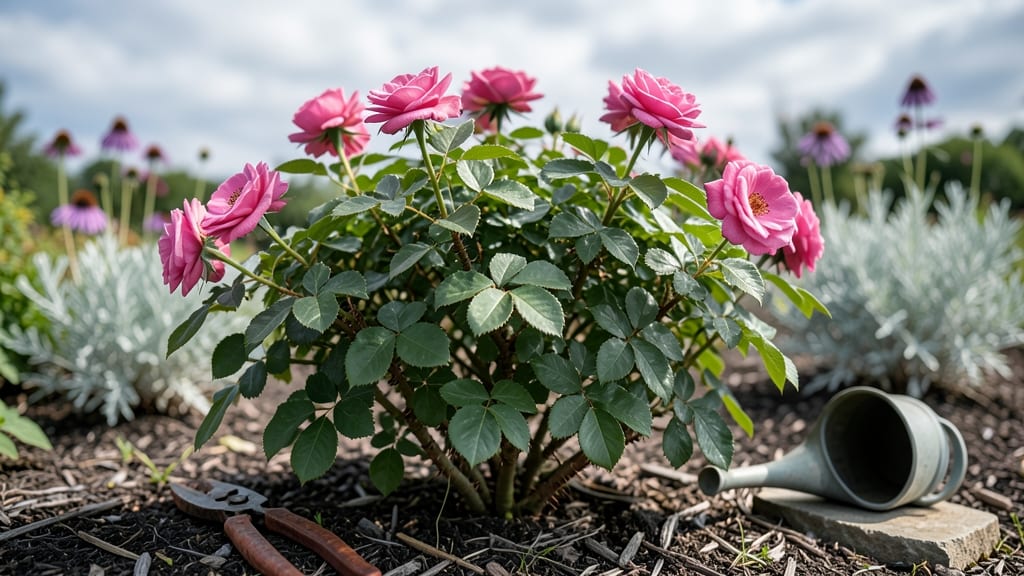
Growing a biggest rose tree in the Pacific Northwest starts with the right cold-hardy climbers—like 'Blaze' or 'Zephirine Drouhin'—that thrive despite our damp winters. I planted mine five years ago after watching a neighbor’s 20-foot rambler arch over their fence, and now mine reaches 18 feet with proper care.
The secret isn’t just pruning—it’s matching varieties to our climate, where consistent moisture and acidic soil make all the difference.
You’ll need a sturdy trellis or fence for support, well-draining soil amended with compost, and a sunny spot with at least 6 hours of light daily. Water deeply once a week (more in summer), and fertilize with a balanced rose food in spring and fall.
The first three years focus on establishing roots, but by year four, you’ll see explosive growth—think velvety blooms covering walls like a living tapestry.
Pruning in late winter (before buds swell) keeps the plant healthy and encourages massive flowering. Cut back dead wood first, then shape the structure by removing crossing branches. Leave 3-5 strong canes to carry the weight of future blooms, and thin out crowded stems to improve airflow.
By summer, your rose will reward you with clusters of blooms so dense they’ll make your neighbors jealous.
This method works for any Pacific Northwest garden, from urban backyards to rural homesteads. The key is patience—these giants take time to mature, but once established, they’ll outlast you. Start small, and in five years, you’ll have a rose tree that’s the talk of the neighborhood.
📚 In This Guide
- What you need
- Instructions
- Tips and common mistakes
- Wrapping up and next steps
What you need
- ● Cold-hardy rose bush: Choose a Knock Out® or David Austin® variety (zones 5-8). 1 large, healthy plant (5-6 ft tall) is ideal.
- ● Well-draining soil: Mix 50% native soil with 50% compost (add perlite/sand if clay-heavy).
- ● Fertilizer: 10-10-10 balanced fertilizer (apply 2 tbsp per sq ft in early spring).
- ● Mulch: 3-4 inches of wood chips or straw (replenish annually).
- ● Watering system: Drip irrigation or soaker hose (1-2 hours, 2-3x/week in dry spells).
- ● Pruning tools: Bypass pruners (sharp, sterilized)
- ● Loppers (for thick branches)
- ● Hand saw (for stubborn stems)
- ● Gloves: Heavy-duty, cut-resistant (thorns are no joke!).
- ● Disinfectant: 70% isopropyl alcohol (clean tools between cuts).
- ○ Support structure (optional but recommended): Sturdy trellis or rose arch (6-8 ft tall)
- ● Or bamboo stakes + twine (for training vines).
- ● Weather check: Prune on a dry, calm day (avoid frost or rain).
How to grow a cold-hardy giant rose tree in the Pacific Northwest
Here's my battle-tested method for growing a rose tree that thrives in PNW winters.
🌱 Step 1: Select the Right Cold-Hardy Rose Variety
Choose a rose rated for USDA Zones 5-7—the Pacific Northwest's typical range. Varieties like 'Knock Out' or 'Dr. Huey' handle our wet winters and cool summers beautifully. These roses grow 6-8 feet tall and develop thick canes that resist wind damage, which is crucial in our coastal areas.
I always buy bare-root roses from reputable nurseries in late winter. The dormant roots store energy for spring growth, and you can plant them before buds swell. Avoid container-grown roses—they often struggle with our heavy, acidic soils.
🪴 Step 2: Prepare the Planting Site for Heavy Soil
Roses in the PNW need well-draining soil—our native clay compacts easily and suffocates roots. Amend the planting hole with 3 cubic feet of compost and 1 cubic foot of coarse sand (like river sand) to improve drainage. Mix this thoroughly with the native soil to create a loose, airy medium.
Dig the hole twice as wide as the root ball but only as deep. The graft union (the bump near the base of the rose) should sit 2-3 inches above soil level. This prevents it from being buried, which can cause the plant to revert to wild, less desirable growth.
☀️ Step 3: Plant and Water for Strong Establishment
Place the rose in the hole and spread the roots outward gently—don't bend them. Fill the hole with the amended soil, pressing lightly to remove air pockets. Water deeply until the soil settles, then add more soil if needed to maintain the correct graft union height.
After planting, water 1 gallon daily for the first 2 weeks to encourage root growth. Then taper to 1 gallon every 3-4 days during dry spells. The key is keeping the soil evenly moist but not soggy—our cool climate means roses need consistent moisture without the risk of rot.
✂️ Step 4: Prune for Size and Winter Hardiness
Prune in early spring (March-April) when new growth begins. Cut back one-third of the oldest canes to encourage new, vigorous growth. Remove any dead, crossing, or weak stems. Make cuts at a 45-degree angle just above an outward-facing bud.
For winter prep, mound 6-8 inches of mulch (like wood chips) around the base in late fall. This insulates roots from freezing and thawing cycles. I also wrap the canes loosely with burlap to protect against windburn and frost damage—our coastal winters can be harsh.
🌿 Step 5: Feed and Protect for Long-Term Growth
Fertilize in early spring with a balanced rose fertilizer (10-10-10) at half strength. Avoid high-nitrogen fertilizers—they promote leafy growth at the expense of flowers. I also add 1 cup of bone meal to the soil in fall for phosphorus, which strengthens roots and blooms.
Watch for black spot fungus—our damp climate makes roses susceptible. Spray with a copper fungicide preventatively in spring and after heavy rains. Deadhead spent blooms regularly to encourage continuous flowering through the season.
Tips & tricks for Pacific Northwest giant roses
Here's what nobody tells you about growing roses that actually reach their full potential in our damp climate.
Variety Matters: When selecting your cold-hardy varieties like 'Knock Out' or 'Dr. Huey', pay close attention to the rootstock. Some nurseries offer roses grafted onto 'Dr. Huey' rootstock which is specifically bred for our region's challenges. These will establish faster and resist common PNW diseases better than standard grafted roses. I've found that roses with 'Dr. Huey' rootstock can grow up to 2 feet taller in their first year compared to standard varieties.
Soil Prep Secret: For the 3 cubic feet of compost you'll need, I recommend using a mix of well-aged cow manure compost and leaf mold. The leaf mold helps break up our heavy clay while the cow manure provides essential nutrients. Spread a 2-inch layer of coarse sand around the planting hole before mixing—this creates a drainage layer that prevents waterlogging, which is critical in our rainy winters. The sand should be river sand, not playground sand, as it has larger particles that improve drainage without compacting.
Watering Wisdom: During those first 2 weeks when you're watering 1 gallon daily, I've noticed that morning watering works best in our climate. Watering in the morning gives the foliage time to dry before evening, reducing the risk of fungal diseases that thrive in our damp coastal air. If you must water in the evening, water at the base of the plant rather than overhead to minimize leaf wetness. Also, consider using a soaker hose for the first few months—it delivers water directly to the roots without wetting the leaves.
Winter Protection Upgrade: For that 6-8 inches of mulch you'll be applying, I recommend using a mix of wood chips and straw. The wood chips provide long-term insulation while the straw adds air pockets that prevent soil compaction. When wrapping canes with burlap, leave the top third unwrapped—this allows for some airflow and prevents moisture buildup that can lead to rot. I've found that adding a layer of bubble wrap around the base before the mulch can provide an extra 5-10°F of protection during our harshest winter nights.
Pro Tips for Biggest Rose Tree
- Here's what nobody tells you about growing roses that actually reach their full potential in our damp climate.
- Variety Matters: When selecting your cold-hardy varieties like 'Knock Out' or 'Dr.
- Soil Prep Secret: For the 3 cubic feet of compost you'll need, I recommend using a mix of well-aged cow manure compost and leaf mold.
Frequently asked questions
Got questions about growing the biggest rose tree in the Pacific Northwest?
You’re not alone! Here are answers to the most common queries—from pruning tips to cold-hardy care.
How do I prune a rose bush to make it grow bigger?
Prune in late winter or early spring (before new growth starts) to encourage thicker, bushier growth. Cut back one-third of the oldest canes to the ground, and shape the remaining branches to open the center for airflow. Avoid heavy pruning in fall—it stresses the plant before winter!
Are these roses truly cold-hardy for the PNW?
Yes! Look for Exploration Series roses (like ‘Fréquent’ or ‘John Cabot’), bred to thrive in USDA Zones 3-9. Mulch heavily (4–6 inches) with wood chips or straw in winter, and protect young plants with burlap wraps. Most survive -20°F with proper care!
Can I grow a giant rose tree from a cutting?
Take a 6-inch cutting from a healthy stem in early summer, strip lower leaves, and dip in rooting hormone. Plant in moist perlite or sand, keep humid (use a plastic bag), and root in 4–8 weeks. Transplant outdoors after roots form—patience pays off for a massive bloom!
What pests or diseases should I watch for?
PNW roses often face aphids, spider mites, or black spot fungus. Spray with neem oil for pests; for fungus, remove infected leaves and apply copper fungicide. Prevention tip: Space plants for airflow and water at the base (not leaves) to keep them happy and healthy!
What’s the fastest way to get a 5-foot rose bush?
Start with a bare-root rose (planted in early spring) and fertilize monthly with rose-specific food. Prune lightly the first year to encourage root growth, then prune aggressively in year 2. With 6+ hours of sun daily and consistent watering, you’ll see 5-foot growth in 3–5 years!
Wrapping up and next steps
Growing the biggest rose tree in the Pacific Northwest isn’t just about patience—it’s about strategic care, from pruning like a pro to choosing the right cold-hardy varieties.
With the right tools, timing, and techniques, your rose bush can thrive even in chilly climates, becoming a stunning centerpiece for years to come. 🌹❄️
Ready to turn your vision into reality? Start small—pick one bush this season, master the basics, and watch it flourish. Before you know it, you’ll be the talk of the neighborhood with your show-stopping rose giant!
Next steps:
- 📅 Mark your pruning calendar for early spring and late winter.
- 🌱 Visit a local nursery to pick your cold-hardy rose variety.
- 💬 Share your progress with fellow gardeners—inspiration spreads!