
Pruning
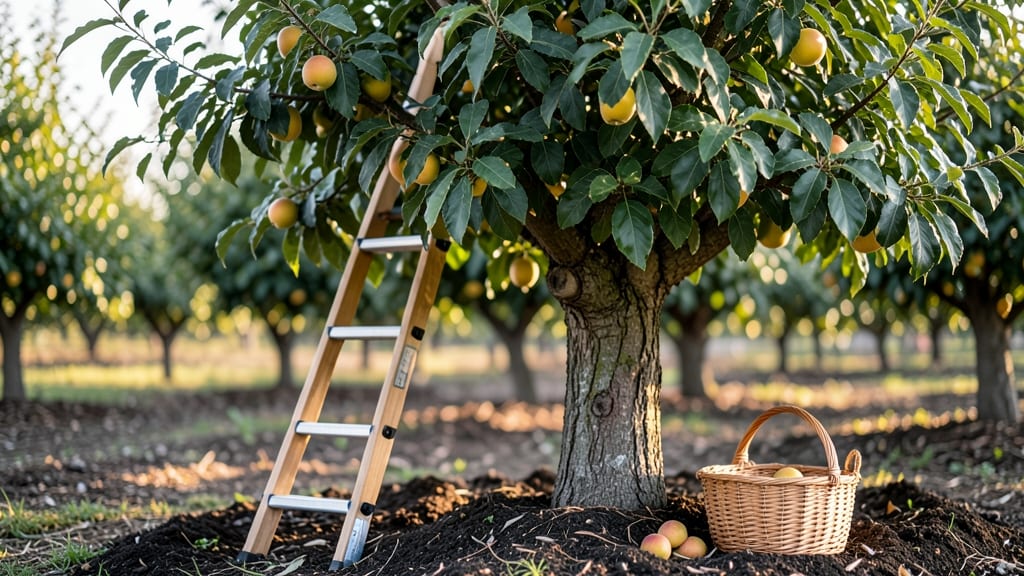
The Goldmine nectarine tree is the Pacific Northwest's secret weapon for backyard fruit lovers—it thrives where most stone fruits give up, producing sweet, juicy nectarines even in cooler climates.
I planted mine last spring after years of struggling with finicky peach varieties, and now it's the star of my small orchard. The key? Its cold-hardy roots and compact growth habit mean you can grow it in containers or small yards without sacrificing harvests.
This nectarine doesn't demand perfect soil—just well-draining earth with a touch of compost works wonders. Plant it where it gets 6+ hours of sun daily, and water deeply once a week after establishment (overwatering is the real enemy).
The real magic happens in winter when most fruit trees hibernate: Goldmine's branches stay sturdy, and its blossoms arrive reliably each spring. Pruning in late winter keeps it manageable and boosts fruit production—trust me, your arms will thank you.
By summer, you'll be picking golden-orange fruits with honeyed flavor, often before the birds notice them. The tree's vertical growth means you can train it against a fence or trellis, saving space while maximizing sunlight exposure. Even in rainy PNW summers, the fruits stay firm and delicious—no soggy mess here.
With proper care, a single Goldmine can feed your family for months, making it the most rewarding small-space fruit tree I've ever grown.
Whether you're a first-time fruit grower or a seasoned orchard keeper, this tree adapts beautifully. Just remember: thin the fruit early to avoid overcrowding, and watch for aphids (a quick spray of soapy water keeps them away).
The first harvest will change how you think about backyard fruit growing—no more driving to the store for mediocre nectarines when you've got your own Goldmine producing them at home.
📚 In This Guide
- What you need
- Instructions
- Tips and common mistakes
- Wrapping up and next steps
What you need
- ● Pruning shears: Sharp, bypass-style shears (for cuts under ½ inch thick). Pro tip: 💡 Sanitize blades with rubbing alcohol between cuts to prevent disease!
- ● Loppers: 1 pair (for cuts up to 2 inches thick). Look for ratcheting or bypass blades for precision.
- ● Pruning saw: 1 lightweight saw (for thick branches >2 inches). Curved blades work best for vertical trees.
- ○ Disposable gloves: 1 pair (nitrile or leather, rated for thorn protection). Optional: Add a gardening apron to keep tools organized!
- ● Sealing wax: 1 small tub (for sealing large cuts >½ inch). Choose a tree-specific formula (e.g., Tanglefoot Tree Wound Pruning Seal).
- ● Marking twine or flags: 1 roll of twine + small stakes (to tag branches for removal). Bonus: Use color-coded flags to track pruning zones!
- ● Wheelbarrow or bucket: 1 (for collecting debris). A 5-gallon bucket with a lid works great for composting.
- ● Knowledge: Basic understanding of open-center vs. central-leader pruning (nectarines thrive in the open-center style!). Resource: Watch a 5-minute video on PNW-specific pruning techniques.
- ● Weather check: Prune on a dry, cloudy day (avoid frost or rain within 24 hours).
- ○ Optional tools: Pole saw (for high branches).
- ● Extension pole with pruners (for vertical trees).
- ● Ladder (if tree exceeds 10 feet). Safety tip: 🎯 Use a sturdy, 3-point ladder and secure it to the tree!
- ● Spray bottle with water (to clean tools mid-prune).
- ● Safety gear: Sunglasses (to shield eyes from debris).
- ● Long sleeves/pants (to protect from thorns).
How to plant and maintain a nectarine Goldmine tree in the Pacific Northwest
This cold-hardy variety thrives with proper site selection and care—here's my battle-tested approach.
Choose the Perfect Planting Location
Select a site with full sun exposure for at least 6-8 hours daily—Goldmine nectarines demand warmth to ripen properly. In the Pacific Northwest's cooler climate, position the tree where it receives afternoon sun protection from prevailing winds, which can scorch tender fruit. Avoid low-lying areas where cold air pools, as this variety only tolerates down to -15°F when fully established.
Test your soil's drainage by digging a 12-inch deep hole—if water pools after 30 minutes, amend with 3 inches of coarse sand mixed into the native soil. Goldmine trees hate soggy roots, and poor drainage is the #1 reason they fail in wet climates. The ideal pH range is 6.0-7.0, so test your soil and adjust with lime or sulfur if needed before planting.
Plant at the Right Time and Depth
Plant bare-root trees in early spring, 2-3 weeks before your last frost date, when soil temperatures reach 50°F. Container-grown trees can go in slightly earlier, but avoid fall planting—the roots won't establish before winter. Dig a hole twice as wide as the root ball but no deeper, as planting too low suffocates the graft union and encourages disease.
Loosen the roots gently if pot-bound, then place the tree in the hole so the graft union sits 2-3 inches above soil level. Backfill with native soil mixed with 1 part compost (use the 4 cubic feet you've prepared), tamping lightly to eliminate air pockets. Water deeply to settle the soil—you'll know it's right when moisture reaches 12 inches down without pooling.
Establish Proper Watering and Mulching
Water deeply every 5-7 days during the first growing season, providing 1-2 gallons per week depending on rainfall. Young trees need consistent moisture to develop strong roots, but avoid overhead watering after planting—direct streams can dislodge the soil. Instead, use a soaker hose at the base until the soil is 6 inches deep.
Apply 3 inches of mulch (use the wood chips you've prepared) around the base, keeping it 6 inches away from the trunk to prevent rot. Refresh the mulch annually in late winter—this conserves moisture, regulates soil temperature, and suppresses weeds. Never let the mulch pile touch the trunk, as this creates a moist environment perfect for fungal diseases like silver leaf.
Prune for Structure and Fruit Production
Prune in late winter while the tree is still dormant, removing any dead, crossing, or inward-growing branches first. Open the center of the tree to improve airflow and sunlight penetration—Goldmine varieties produce better fruit when branches receive direct light. Cut back last year's growth by 25% to encourage vigorous new shoots, which will bear fruit next season.
Thin fruit in early summer when fruits are 1 inch in diameter, leaving 6-8 inches between each nectarine. This prevents overcrowding and ensures larger, sweeter fruit. Use pruning shears to remove excess fruit at the stem junction—never tear it off, as this damages the branch. After pruning, apply a fruit tree fertilizer with 10-10-10 ratio to replenish nutrients lost during growth.
Winterize for Pacific Northwest Conditions
In late fall, wrap the trunk of young trees (under 3 years old) with tree guard to protect against voles and rodent gnawing, which can girdle the bark. Mound 6 inches of extra mulch around the base after the first hard frost to insulate roots—this variety handles cold well, but sudden temperature swings can stress young trees.
Remove any mummified fruit left on the tree after harvest, as these can harbor diseases over winter. Prune out any suckers growing from the base or graft union, as these divert energy from the main tree. In very cold winters (below -10°F), wrap the trunk with burlap for additional protection, but only if snow cover isn't already providing insulation.
Tips & tricks for perfect nectarine Goldmine tree care
A few strategic moves can transform your Goldmine nectarine from a struggling sapling to a thriving fruit powerhouse in the Pacific Northwest's challenging climate.
Site Selection Nuances: When evaluating your location's afternoon sun protection, consider using temporary shade cloth during the hottest summer months to prevent sunburn on tender new growth. I've seen Goldmine trees in full sun locations develop scorch marks even with the afternoon breeze—this is especially critical in the first two growing seasons when bark is most vulnerable. The 6-8 hours of sunlight requirement is non-negotiable, but quality matters more than quantity when it comes to afternoon exposure.
Soil Preparation Insight: The 30-minute drainage test is your best friend for avoiding waterlogged roots. If you're working with heavy clay soil, consider creating raised beds for your Goldmine—this gives you better control over drainage while still allowing roots to access moisture during dry spells. I've had remarkable success with 50% native soil, 30% coarse sand, and 20% compost blends that maintain excellent drainage while providing nutrients.
Planting Depth Technique: Positioning the graft union 2-3 inches above soil level is crucial for preventing disease, but many gardeners overlook the importance of creating a slight berm around the base after planting. This small elevation helps prevent water from pooling against the trunk during heavy rains. After planting, I always create a shallow moat around the base to direct water away from the trunk while still allowing it to reach the roots.
Winter Protection Strategy: While the Goldmine's -15°F tolerance is impressive, sudden temperature swings below -10°F can still stress young trees. I've found that wrapping the trunk with burlap not only provides insulation but also creates a physical barrier against curious rodents. For extra protection in exposed locations, consider adding a layer of straw mulch over the wood chips—this adds another insulating layer without creating moisture issues.
Pro Tips for Nectarine Goldmine Tree
- A few strategic moves can transform your Goldmine nectarine from a struggling sapling to a thriving fruit powerhouse in the Pacific Northwest's challenging climate.
- Site Selection Nuances: When evaluating your location's afternoon sun protection, consider using temporary shade cloth during the hottest summer months to prevent sunburn on tender new growth.
- Soil Preparation Insight: The 30-minute drainage test is your best friend for avoiding waterlogged roots.
Frequently asked questions
Got questions about growing your own nectarine goldmine tree in the Pacific Northwest? You’re not alone!
Here are the most common queries—and answers—to help you cultivate this cold-hardy, vertical fruit powerhouse with confidence.
How cold-hardy is the Nectarine Goldmine Tree?
The Nectarine Goldmine Tree is USDA Zone 5-9 hardy, making it a stellar choice for the Pacific Northwest’s chilly winters. It can survive temperatures down to -20°F (-29°C) once established, though young trees may need winter protection (like burlap wraps) during their first few years. Plant in well-draining soil and avoid low-lying areas where frost pools.
When is the best time to plant a Nectarine Goldmine Tree?
For the Pacific Northwest, early spring (March-April) or fall (September-October) are ideal planting times. Spring gives roots time to establish before summer heat, while fall allows them to settle before winter dormancy. Avoid planting in extreme heat or frost—both can stress young trees. If buying bare-root, plant as soon as possible to minimize shock!
How do I encourage vertical growth for easier harvesting?
This tree thrives in a spindle or central leader form, which naturally grows upward. To guide it:
- Prune competitive branches in late winter to maintain a single main stem.
- Use trellis stakes or a strong support system (like a 6-foot vertical post) to train the trunk.
- Avoid heavy pruning in summer—focus on shaping in dormant season.
Do Nectarine Goldmine Trees need cross-pollination?
Nope! This variety is self-pollinating, meaning you only need one tree to produce sweet, juicy nectarines. However, planting a second tree (even another Goldmine) can boost yield by up to 20% thanks to increased pollinator activity. Bonus: More trees = more shade for your garden!
Why aren’t my Nectarine Goldmine Tree’s fruits ripening evenly?
Uneven ripening often stems from sun exposure or water stress. Try these fixes:
- Check sunlight: Ensure the tree gets 6+ hours of direct sun daily. Shady spots delay ripening.
- Water consistently: Deep water 1-2 times per week (more in summer) and mulch to retain moisture.
- Thin fruit clusters if overloaded—too many fruits can drain the tree’s energy.
What’s a good alternative if I can’t grow a Nectarine Goldmine Tree?
If space or climate is a concern, consider these Pacific Northwest-friendly alternatives:
- Dwarf peach trees (e.g., ‘Bonanza’): Cold-hardy and compact.
- Columnar apple trees (e.g., ‘Columnar Red Delicious’): Vertical growth, low-maintenance.
- Blueberry bushes: Thrives in acidic soil and produces year after year.
Wrapping up and next steps
Growing a nectarine goldmine tree in the Pacific Northwest isn’t just about fruit—it’s about transforming your space into a thriving, cold-hardy orchard with minimal effort! With the right pruning techniques, you’ll unlock years of juicy, flavorful harvests while keeping your tree healthy and compact.
Whether you’re a seasoned gardener or just starting out, this vertical fruit powerhouse proves that big rewards come from small, strategic steps.
Ready to turn your backyard into a nectarine paradise? Start today by grabbing your pruning shears and sketching out your tree’s future shape! 🌱✨