
Blooming
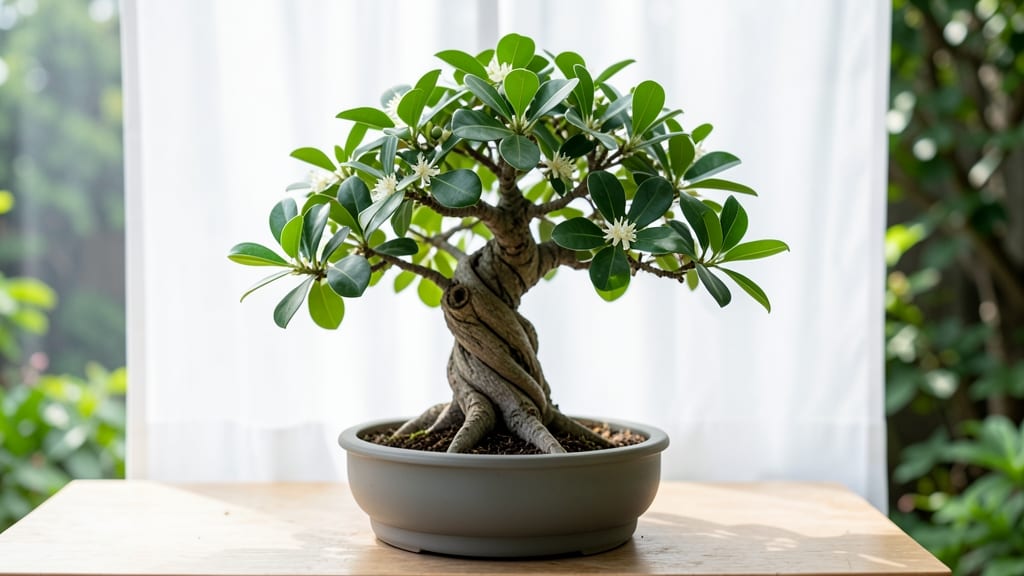
A blooming bonsai tree isn’t just art—it’s a living conversation between your hands and nature’s patience. 🌸 I’ve watched my azalea bonsai burst into pink blooms after years of careful pruning, and the secret lies in treating it like a full-sized plant with tiny proportions.
The difference between a bonsai that flowers and one that just grows leaves comes down to three things: knowing when to prune, how to coax buds through winter, and which species rewards your efforts with color.
Most people focus on the wrong things—like watering schedules or fancy pots—when the real magic happens in late winter. That’s when you adjust light exposure, tweak fertilizer ratios, and decide whether to let your tree rest or push for early blooms.
My jasmine bonsai, for example, needs six weeks of cooler temperatures before it’ll even consider flowering, while cherry bonsai respond better to sharp pruning cuts right after blooming season. The species matters more than the pot size.
By spring, you’ll see the payoff: clusters of delicate flowers that smell like a spring meadow, all on a tree that fits in your palm. The key is consistency—no dramatic changes in care—and trusting the process, even when buds drop unexpectedly.
That first bloom feels like a high-five from nature, and once you’ve done it right, you’ll never go back to leaf-only bonsai again.
Whether you’re starting with a nursery bonsai or shaping your own from a cutting, the principles stay the same. The hardest part? Waiting. But that’s where the real satisfaction comes from—knowing you’ve nurtured something extraordinary, one careful season at a time.
📚 In This Guide
- What you need
- Instructions
- Tips and common mistakes
- Wrapping up and next steps
What you need
- ● Bonsai Tree: A flowering species like Azalea, Camellia, or Japanese Maple (5–10 years old for best blooms).
- ● Well-draining soil: Akadama, pumice, and lava rock mix (3:1:1 ratio). 5–10 lbs per pot.
- ● Pot: Ceramic or unglazed clay (12–18" diameter, with drainage holes).
- ● Pruning tools: Concave pruning shears (for shaping).
- ● Wire cutters (for removing training wire).
- ● Training wire: Aluminum or copper (1–3mm gauge, 5–10 ft roll).
- ● Fertilizer: Slow-release bonsai fertilizer (balanced NPK 10-10-10 or bloom-specific like 5-10-10).
- ● Watering can: Rose-head nozzle (for gentle watering).
- ● Root hook: For gentle root pruning (stainless steel, 6–8" long).
- ● Humidity tray: Peat moss or water-filled tray to retain moisture (12"x12" size).
- ● Grow lights: LED full-spectrum (for indoor blooming, 12–16 hrs/day).
- ● Bloom boosters: Hydrogen peroxide (3%) (1 tsp/gallon of water) or seaweed extract for extra nutrients.
- ● Decorative elements: Miniature rocks, moss, or figurines for styling.
Step-by-Step guide to cultivating a blooming bonsai tree
Here's how to coax delicate flowers from your miniature masterpiece—without sacrificing structure.
🌱 Step 1: Select the Right Species for Year-Round Color
Not all bonsai bloom—choose from proven floral varieties like juniper procumbens 'Nana' (tiny blue berries), azalea indica (spring blooms), or serissa foetida (tiny white flowers). I recommend starting with a 2-3 year old tree already trained, since younger specimens focus energy on growth rather than flowers.
Look for a tree with healthy, vibrant foliage and no signs of pests. The roots should fill the pot completely—if you can see bare soil at the edges, it's been neglected. Azaleas and junipers are the most forgiving for beginners, while serissa demands precise humidity and light.
☀️ Step 2: Master the Light and Temperature Balance
Blooming bonsai need bright, indirect light—think morning sun with afternoon shade. Place your tree near an east-facing window or under a grow light—12-14 hours daily. Too much direct sun scorches leaves, while insufficient light stunts flowering. I keep mine on a rotating stand to ensure even exposure.
Temperature swings trigger blooming—most floral bonsai thrive at 60-75°F—but need a 10-15°F drop for 4-6 weeks before budding. For indoor trees, move them to a cooler room or basement during winter. Watch for buds forming at leaf junctions—this is your cue that the temperature shift worked.
💧 Step 3: Water and Feed for Floral Production
Water when the top ½ inch of soil feels dry—but never let it dry completely. Overwatering causes root rot, which kills flowers before they open. I use the finger test—stick your index finger in the soil; if it's damp past the first knuckle, wait another day. Mist foliage daily in dry climates to maintain humidity.
Feed with a balanced 10-10-10 fertilizer—diluted to half strength every 2 weeks during spring/summer. Switch to a high-phosphorus formula (5-10-5)—when buds form to encourage blooming. Stop fertilizing in fall—this forces the tree into dormancy, setting up next year's flowers.
✂️ Step 4: Prune and Shape Without Sacrificing Flowers
Prune immediately after blooming to shape the tree, but never cut into wood that's already budded—this removes next year's flowers. Use sharp, clean shears—and make cuts just above a leaf node. For azaleas, I remove spent blooms by cutting the stem back to the first healthy leaf.
Wiring is best done in late summer when the tree is semi-dormant. Wrap wire gently around branches—no tighter than a pencil—and leave it for 4-6 weeks—until new growth pushes against it. Remove wire before it cuts into the bark, or you'll scar the tree permanently.
🪴 Step 5: Repot and Refresh the Soil
Repot every 2-3 years—or when roots circle the pot. Use a well-draining bonsai mix—typically 60% inorganic (like akadama) and 40% organic (peat moss). I repot in early spring before new growth starts, trimming 20-30% of roots—especially thick, woody ones.
After repotting, place the tree in shade for 2 weeks—this reduces transplant shock. Water lightly every other day until new growth appears. The first year after repotting is critical—your tree will focus on root recovery, so don't expect heavy blooming until the second spring.
Tips & tricks for perfect blooming bonsai trees
Real talk: Getting your bonsai to bloom takes patience and precision—but these tricks will help you avoid the most common pitfalls.
Species Selection Matters: In Step 1, don't just grab any bonsai—serissa foetida needs precise humidity while azalea indica thrives with more forgiveness. I've seen beginners ruin perfectly good trees by choosing the wrong variety. For first-time bloomers, stick with azalea indica—it's the most reliable for consistent spring flowers.
Light Positioning is Critical: That 12-14 hours of light in Step 2 isn't just about duration—it's about quality. Place your tree on a rotating stand and adjust it every 2-3 days to ensure even exposure. I learned this the hard way when my tree developed uneven growth from sitting too long in one spot. East-facing windows work best for morning sun exposure.
Temperature Tricks for Bud Formation: The 10-15°F drop mentioned in Step 2 is your secret weapon. For indoor trees, I move mine to my basement (which stays around 55°F) for 4-6 weeks before buds appear. Watch for those tiny buds forming at leaf junctions—they're your confirmation that the temperature shift worked. If you don't see buds after 6 weeks, extend the cooler period by another week.
Fertilizer Timing is Everything: When you switch to that high-phosphorus 5-10-5 formula in Step 3, time it right—apply it only when you first see buds forming. I make a habit of checking for buds every morning after my 4-6 week cool period. Too early, and you'll encourage leaf growth instead of flowers. Too late, and you might miss the bloom cycle entirely.
Pro Tips for Blooming Bonsai Tree
- Real talk: Getting your bonsai to bloom takes patience and precision—but these tricks will help you avoid the most common pitfalls.
- Species Selection Matters: In Step 1, don't just grab any bonsai—serissa foetida needs precise humidity while azalea indica thrives with more forgiveness.
- Light Positioning is Critical: That 12-14 hours of light in Step 2 isn't just about duration—it's about quality.
Frequently asked questions
Got questions about nurturing a blooming bonsai tree? You’re not alone—these tiny floral wonders require extra care! Below, we’ve answered the most common queries to help you keep your bonsai thriving and in full bloom.
What’s the best time of year to prune a blooming bonsai?
Prune your bonsai after flowering (late spring to early summer) to avoid cutting off next year’s buds. Light trimming can happen year-round, but avoid heavy pruning during winter dormancy. For spring-bloomers like azaleas, wait until after the flowers fade to shape the tree.
How often should I water a blooming bonsai?
Water when the top 1 inch of soil feels dry—usually every 2–3 days in summer, but adjust for humidity and pot size. Overwatering is deadly! Use a moisture meter or the "lift-and-check" method: if the pot feels light, it’s time to water. (Pro tip: Use room-temperature water to avoid shocking roots.)
Can I keep a blooming bonsai indoors year-round?
Most blooming bonsai (like jasmine or orchid) thrive indoors, but they need bright, indirect light (east/west windows) and 6+ hours of sunlight daily. Avoid drafts or heating vents, which dry out soil. For tropical species, a humidifier helps! (Outdoor varieties need winter protection.)
Why isn’t my bonsai blooming? Troubleshooting tips.
Common culprits:
- Lack of light: Move it to a sunnier spot (south-facing window or grow light).
- Over/under-watering: Check soil moisture and adjust frequency.
- Stress from repotting: Wait 1–2 years after repotting before expecting blooms.
- Age/maturity: Some bonsai (like ficus) take 3–5 years to bloom!
What’s the easiest blooming bonsai for beginners?
Start with orchid bonsai (hardy and forgiving) or jasmine bonsai (fragrant and fast-growing). Other beginner-friendly picks:
- Azalea bonsai (loves acid soil)
- Carmona (fukien tea) bonsai (tolerates low light)
- Pomegranate bonsai (drought-resistant)
How do I fertilize a blooming bonsai?
Use a balanced liquid fertilizer (10-10-10 or 20-20-20) during growing season (spring–fall). Dilute to half-strength and apply every 2–4 weeks. For flowering species, switch to a high-phosphorus fertilizer (like 10-30-20) in early spring to encourage blooms. (Flush soil with water monthly to prevent salt buildup.)
Wrapping up and next steps
Witnessing your blooming bonsai tree burst into vibrant color is a rewarding journey that blends patience, care, and a touch of artistic flair. 🌸 Whether you’re a beginner or an enthusiast, the key lies in selecting the right species, mastering pruning techniques, and providing the ideal environment—all while embracing the magic of miniature floral displays year-round.
Ready to turn your green thumb into floral art? Start small: pick a single blooming bonsai variety, gather your tools, and dive in! Every bloom is a celebration of your dedication—so go ahead, nurture that vision, and let your bonsai garden flourish. 🌱✨