
Pruning
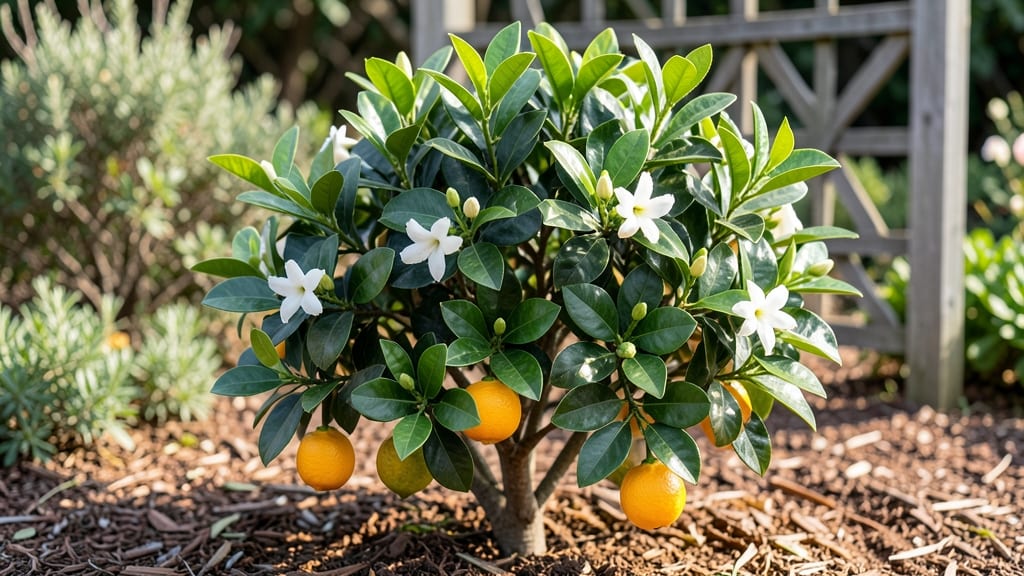
Growing a calamondin lemon tree in the Pacific Northwest is like having a tiny, frost-hardy citrus wonder in your backyard—something I never thought possible until I tried it myself. 🌱 This little tree thrives where most citrus would freeze, producing tart, fragrant lemons perfect for cooking or garnishing drinks.
The secret lies in its ability to handle cooler temperatures, but it still needs the right care to flourish in our damp, mild climate.
You’ll need a 5-gallon container or well-draining soil in a sheltered spot, since even this tough tree can’t handle heavy frost. Prune lightly in late winter to encourage bushier growth, and avoid overwatering—calamondins hate soggy roots.
The real magic happens when you see those bright green leaves and tiny, aromatic fruits forming by late summer. It’s a game-changer for gardeners who love citrus but live where oranges and limes struggle.
With the right spot and a little attention, you’ll end up with a compact, evergreen tree that keeps producing lemons year after year. The scent alone—bright and zesty—makes it worth the effort.
Plus, the tree’s glossy leaves and delicate flowers add a tropical touch to any garden, even in rainy climates. Once you’ve mastered the basics, you can experiment with growing it indoors during harsh winters or even training it as a bonsai.
Fair warning: These trees are slow to start but become reliable performers over time. If your leaves yellow or growth stalls, it’s usually a sign of overwatering or poor drainage.
But with the right balance, you’ll have a citrus tree that outlasts most others—something truly special for Pacific Northwest gardeners. Let’s get yours thriving!
📚 In This Guide
- What you need
- Instructions
- Tips and common mistakes
- Wrapping up and next steps
What you need
- ● Pruning shears: Bypass pruners (sharp, 6–8" blades) for clean cuts on small branches.
- ● Loppers: For thicker branches (1–2" diameter), with a ratcheting or bypass design.
- ○ Pruning saw: For stubborn, woody stems (optional but helpful for mature trees).
- ● Rubbing alcohol (70%+) or bleach solution: 1 part bleach to 9 parts water (to sterilize tools between cuts).
- ● Garden gloves: Heavy-duty, cut-resistant (to protect from thorns and sap).
- ● Disposable pruning bags or bucket: For collecting trimmings (prevents pests/diseases).
- ● Permanent marker: For labeling branches if doing structured pruning.
- ● Hand pruners with anvil design: For quick cuts on soft growth (though bypass is ideal for citrus).
- ● Tree wound dressing: Pruning sealant (controversial but useful for large cuts in very cold PNW winters).
- ● Ladder or step stool: If your tree exceeds 6–8 feet tall (safety first!).
- ● Spray bottle with water: To rinse tools and reduce sap buildup.
- ● Camera or sketchpad: To document your tree’s structure before pruning.
Step-by-step guide to growing a hardy calamondin lemon tree
Here's how to nurture this citrus beauty through its first year in your PNW garden.
🌱 Step 1: Choose the Right Container and Soil Mix
Start with a 10-12 inch diameter pot that has drainage holes—calamondins hate soggy roots. I like to use a mix of 60% potting soil, 30% perlite, and 10% compost for excellent drainage while retaining moisture. This citrus loves slightly acidic soil, so add a handful of peat moss to the mix if your soil leans alkaline.
Fill the pot halfway with your prepared mix, then tap the container gently on the table to settle the soil. This prevents air pockets that could hinder root growth. The reason we use this ratio is calamondins need air around their roots but also consistent moisture—too much perlite dries them out too fast.
🌿 Step 2: Plant Your Tree and Provide Initial Care
Remove the young calamondin from its nursery pot and gently loosen the roots if they're circling. Place it in the prepared container so the root flare (where roots meet trunk) sits just above the soil line. Fill around the roots with your mix, pressing lightly to eliminate air gaps.
Water thoroughly until water runs freely from the drainage holes. This ensures all air pockets are eliminated and the roots make immediate contact with moist soil. Place your new tree in a spot with bright, indirect light for the first week—direct PNW sun can be too intense for a newly planted tree.
☀️ Step 3: Master Light and Watering for First-Year Growth
Calamondins need 6-8 hours of morning sun daily but will appreciate afternoon shade during summer's hottest months. In the PNW, this means placing them near a south-facing window or under a patio where they get sun but aren't baked all afternoon. You'll know your tree is getting enough light when new leaves emerge with vibrant green color rather than pale yellow.
Water when the top 1-2 inches of soil feel dry—stick your finger in the soil to check. During winter months, you can let the soil dry out slightly more between waterings. Overwatering is the #1 killer of calamondin trees, so always ensure your pot has drainage holes and you're using well-draining soil mix.
✂️ Step 4: Prune for Shape and Encourage Fruit Production
Once your tree reaches about 18-24 inches tall, it's time for your first pruning. Use clean, sharp pruners to trim back any leggy growth or branches growing inward. I like to cut just above a leaf node where new growth will emerge. This encourages a bushier shape and better air circulation, which prevents fungal issues.
Remove any suckers (shoots growing from the base of the tree) immediately—they drain energy from your main plant. After pruning, give your tree a light feeding with a balanced citrus fertilizer (10-10-10 ratio) to help it recover and promote new growth. You'll see fresh new leaves emerging within 2-3 weeks—that's your sign the pruning was successful.
🪴 Step 5: Prepare for Winter and Long-Term Care
As temperatures drop below 40°F in winter, move your calamondin indoors to a bright location or wrap the pot in bubble wrap to protect roots from cold drafts. These trees are more frost-resistant than other citrus, but they still prefer to stay above freezing. Watch for any leaves that turn yellow or drop—this is normal in winter dormancy but excessive leaf drop can indicate cold stress.
Every spring, repot your calamondin if it's become root-bound (roots circling the bottom of the pot). Choose a container just 2 inches larger in diameter and refresh the soil mix. This gives your tree room to grow while preventing root shock from too much new space. With proper care, your calamondin will reward you with fragrant white flowers and tiny, tart-sweet fruits within 2-3 years.
Tips & tricks for growing a hardy calamondin lemon tree
Here's what nobody tells you about keeping your citrus thriving in our rainy climate.
Soil Science: That 60-30-10 soil ratio is your secret weapon for PNW growing. If your local potting soil feels heavy, add an extra 5% coconut coir to improve aeration without sacrificing moisture retention. I've found calamondins actually perform better with slightly more compost (15%) in winter months when growth slows—just reduce the perlite to 25% to maintain drainage. The key is keeping that balance between air and moisture, especially during our damp winters.
Lighting Strategy: For indoor growers, supplement those 6-8 hours of morning sun with a simple LED grow light for 4-5 hours in the afternoon. Position it 12-18 inches above the tree—too close and you'll burn the leaves. I run mine on a timer during cloudy PNW days, and my tree grows just as vigorously as outdoor specimens. Watch for leaves stretching toward light (etiolation)—this means it needs more intensity.
Watering Wisdom: The finger-check method works, but here's the pro move: use a moisture meter for the first month to get a feel for your tree's needs. Calamondins in 10-12 inch pots typically need water every 5-7 days in summer, but this can stretch to 10-12 days in winter. The meter helps you avoid both overwatering (which causes root rot) and underwatering (which stresses the tree). I've learned the hard way that soggy soil is the silent killer of these trees.
Winter Survival: When moving indoors below 40°F, place your tree near an east-facing window where it gets gentle morning light. Avoid south-facing windows—the intense afternoon sun can scorch leaves after they've acclimated to cooler indoor temps. I've had success using a small space heater (set to low) near the tree to maintain consistent temperatures, especially in unheated garages or basements. Just keep it away from direct heat sources.
Pro Tips for Calamondin Lemon Tree
- Here's what nobody tells you about keeping your citrus thriving in our rainy climate.
- Soil Science: That 60-30-10 soil ratio is your secret weapon for PNW growing.
- Lighting Strategy: For indoor growers, supplement those 6-8 hours of morning sun with a simple LED grow light for 4-5 hours in the afternoon.
Frequently asked questions
How cold can a calamondin lemon tree tolerate?
Calamondin lemon trees are far more frost-resistant than most citrus, handling brief dips to 20–25°F (-6 to -4°C). However, prolonged exposure below 28°F (-2°C) can damage leaves or fruit. In PNW winters, protect young trees with burlap wraps or move potted plants indoors.
Can I grow a calamondin lemon tree outdoors year-round in the PNW?
Yes—but with precautions! Mature trees in USDA Zones 9–11 thrive outdoors. In cooler zones (like most of the PNW), plant in containers for winter mobility or mulch heavily and shelter with frost cloth. Pro tip: Avoid soggy soil in winter, as cold roots + excess moisture = trouble.
How long does it take for a calamondin lemon tree to bear fruit?
Patience is key! With ideal care, calamondins may produce tiny, tart fruits in 2–3 years. In the PNW, expect smaller harvests due to shorter growing seasons. Prune aggressively in early spring to encourage fruit-bearing branches and protect blossoms from late frosts.
Why are my calamondin leaves turning yellow?
Yellow leaves often signal overwatering, nutrient deficiency, or root stress. Check soil moisture—calamondins prefer well-draining soil. Yellowing between veins? Likely iron deficiency (common in PNW’s alkaline soil). Amend soil with chelated iron or use citrus-specific fertilizer.
Can I propagate a calamondin lemon tree from cuttings?
Take 4–6 inch cuttings from healthy, non-flowering branches in spring/summer. Dip in rooting hormone, plant in moist perlite/sand mix, and cover with a plastic bag to retain humidity. Roots typically form in 4–8 weeks. Bonus: This method preserves the parent tree’s frost resistance!
Wrapping up and next steps
Growing a calamondin lemon tree in the Pacific Northwest isn’t just possible—it’s a rewarding adventure! With the right pruning techniques, you’ll nurture a thriving, frost-resistant citrus gem that brightens your space and delights your taste buds. Start small, stay consistent, and watch your tree flourish year after year.
Ready to take the next step? Grab your pruning shears and get started today! 🌱✨ Whether you’re a seasoned gardener or a curious beginner, your calamondin tree awaits your care—and the sweet, tangy rewards that come with it.