
Pruning
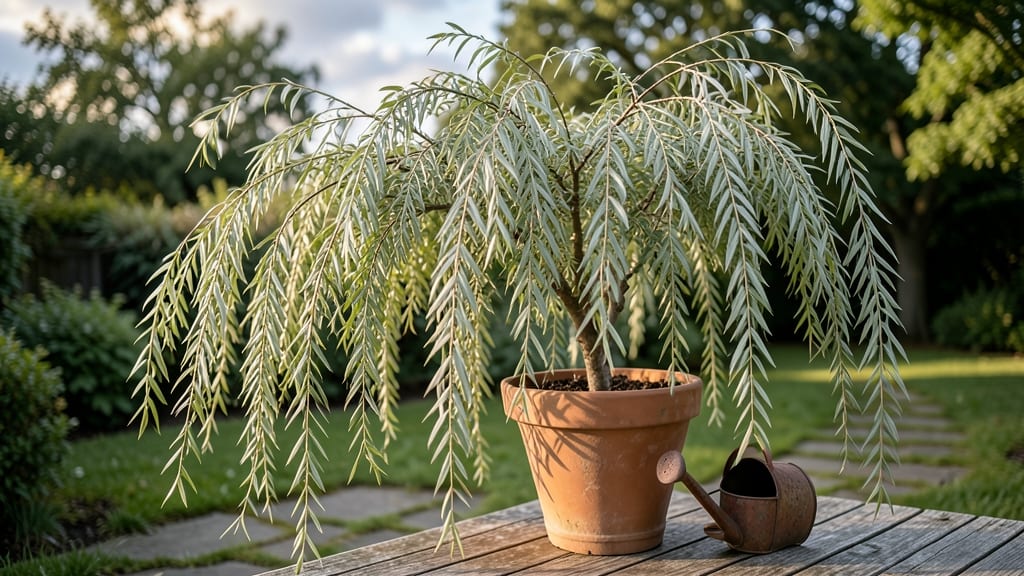
A dappled Japanese willow tree transforms any Pacific Northwest garden into a serene, textured masterpiece with its delicate arching branches and frost-resistant charm. 🌿 I planted mine near a small pond last spring, and now it casts intricate shadows that dance across the patio all afternoon.
The way its leaves shimmer in morning light makes it the perfect vertical accent—whether you want a focal point or a natural privacy screen.
This tree thrives in moist soil and partial shade, making it ideal for water gardens, rain gardens, or alongside ponds. Its graceful, weeping form pairs beautifully with hostas, ferns, and ornamental grasses, creating layers of movement and texture.
The best part? It handles our region’s cold snaps like a champ, so you won’t have to worry about winter damage ruining your design.
Imagine a garden where sunlight filters through its branches, turning the ground into a patchwork of light and shadow. You’ll love how it softens harsh lines, frames views, or even creates a romantic walkway when planted in pairs.
The dappled effect alone makes it worth considering—plus, it grows at a manageable pace, so you can shape it over time.
Whether you’re designing a cottage garden, a modern landscape, or a serene retreat, this tree adds elegance without overwhelming the space. It’s the kind of plant that grows more beautiful with each passing season, and it works just as well in a small urban yard as a sprawling estate.
Let’s talk placement and pairing ideas next!
📚 In This Guide
- What you need
- Instructions
- Tips and common mistakes
- Wrapping up and next steps
What you need
- ● Bypass pruning shears: Sharp, high-quality shears (e.g., Felco F-2 or equivalent) for clean cuts on smaller branches.
- ● Loppers: 1 pair (18–24" handle) for thicker branches (up to 2" diameter).
- ● Pruning saw: 1 curved-bladed saw (8–10" length) for branches over 2" in diameter.
- ● Ladder or step stool: Sturdy, extendable (12–16 ft recommended) for taller trees.
- ● Gloves: Heavy-duty, cut-resistant gloves (e.g., Mechanix or gardening-specific) to protect hands.
- ● Disinfectant (70% isopropyl alcohol or pruning sealant): 1 small bottle to sterilize tools between cuts and seal larger wounds.
- ● Heavy-duty trash bags: 2–3 bags (30-gallon size) for debris cleanup.
- ● Rake or leaf blower: 1 for clearing fallen leaves/debris post-pruning.
- ● Pole pruner: Extendable for high branches (10–15 ft reach).
- ● Tree wound dressing: Pruning paste (e.g., Tanglefoot Tree Wound Pruning Seal) for large cuts.
- ● Safety gear: Goggles and long sleeves for protection from sap or falling debris.
- ● Notebook & pen: To jot down pruning notes or track growth patterns.
- ● Mulch (wood chips or straw): 2–3 bags to replenish the base after pruning.
How to plant and care for a dappled Japanese willow tree
This graceful tree thrives in the Pacific Northwest’s climate—here’s how to grow one successfully.
🌱 Step 1: Choose the Right Location for Planting
The dappled Japanese willow (Salix integra 'Hakuro-Nishiki') loves moisture and partial shade, making it perfect for Pacific Northwest gardens. Plant it where it gets morning sun and afternoon shade, especially in hotter summer months. Avoid full sun—its delicate leaves burn easily. I always check the spot by observing how sunlight moves across the area throughout the day before digging.
This tree grows 6-10 feet tall and spreads 4-6 feet wide, so give it plenty of room. If planting near a water feature or in a damp area, even better—it thrives with its feet in moist soil. The roots are shallow but aggressive, so avoid planting near foundations or sidewalks where they might crack over time.
🪴 Step 2: Prepare the Soil and Plant the Tree
Dig a hole twice as wide as the root ball but only as deep—planting too deep suffocates the roots. Amend the native soil with 2-3 inches of compost mixed into the bottom of the hole to improve drainage and fertility. The dappled willow tolerates many soil types but performs best in loamy, well-draining soil with a slightly acidic to neutral pH (6.0-7.0).
Gently remove the tree from its container and loosen any circling roots with your fingers. Place it in the hole so the top of the root ball sits 1-2 inches above ground level—this prevents waterlogging. Backfill with the amended soil, tamping lightly as you go to remove air pockets. Water deeply to settle the soil and encourage root contact.
☀️ Step 3: Water and Mulch for Moisture Retention
Water the tree deeply once a week for the first month, then taper to every 10-14 days once established, depending on rainfall. The Pacific Northwest’s damp climate means you won’t need to water often, but keep an eye on the soil—top 2 inches should stay moist but not soggy. Overwatering can lead to root rot, especially in heavy clay soils.
Spread a 2-3 inch layer of mulch (like shredded bark or wood chips) around the base, keeping it 3 inches away from the trunk to prevent rot. Mulch helps retain moisture and regulates soil temperature. Replenish mulch annually in early spring to maintain its protective layer. Avoid piling mulch against the trunk—this traps moisture and invites pests.
✂️ Step 4: Prune and Maintain for Healthy Growth
This tree needs minimal pruning, but I always trim back any dead, damaged, or crossing branches in late winter or early spring before new growth begins. Use clean, sharp pruners to make cuts just outside the branch collar for the cleanest heal. Avoid heavy pruning—this willow grows best when left to its natural, airy shape.
Watch for signs of stress, like yellowing leaves or stunted growth, which can signal overwatering, poor drainage, or nutrient deficiency. A light application of balanced fertilizer (10-10-10) in early spring can give it a boost if needed. The dappled willow is generally low-maintenance, but a little care goes a long way in keeping it lush and vibrant.
Tips & tricks for perfect dappled Japanese willow tree planting
Here's what nobody tells you about making this tree thrive in your Pacific Northwest garden.
Location Scouting: Before digging, spend a full day observing your potential planting spot. The dappled Japanese willow's variegated leaves need morning sun to maintain their striking white and green patterns, but afternoon shade protects them from the intense summer sun that can scorch the delicate foliage. I always check for at least 4-6 hours of morning sunlight and 2-4 hours of afternoon shade—this balance is key to those beautiful variegated leaves staying vibrant year-round.
Soil Prep Secret: While the instructions mention amending with 2-3 inches of compost, I've found adding a handful of perlite or coarse sand to the mix helps prevent compaction in clay-heavy Pacific Northwest soils. This improves drainage while maintaining moisture retention—the perfect balance for willow roots. Mix it thoroughly with the native soil before planting to create an ideal loamy texture that mimics the tree's natural habitat.
Planting Depth Check: That 1-2 inch elevation above ground level is crucial—it prevents waterlogging that can suffocate the roots. I use a level to verify the top of the root ball sits perfectly at this height. Pro tip: After planting, create a slight berm around the base to help direct water away from the trunk while keeping the roots moist. This simple technique prevents the common issue of crown rot that can plague newly planted willows.
Mulch Placement: The 2-3 inch layer of mulch should extend out to the tree's mature width (4-6 feet), not just around the base. This creates a moisture-retentive zone that mimics the tree's natural wetland habitat. I always use cedar mulch because it naturally repels pests while breaking down slowly. Remember to keep that 3-inch clearance from the trunk—this prevents moisture buildup that can cause rot and attract pests like slugs.
Pro Tips for Dappled Japanese Willow Tree
- Here's what nobody tells you about making this tree thrive in your Pacific Northwest garden.
- Location Scouting: Before digging, spend a full day observing your potential planting spot.
- Soil Prep Secret: While the instructions mention amending with 2-3 inches of compost, I've found adding a handful of perlite or coarse sand to the mix helps prevent compaction in clay-heavy Pacific Northwest soils.
Frequently asked questions
Got questions about caring for your dappled Japanese willow tree? You’re not alone!
Here are answers to the most common queries from gardeners in the Pacific Northwest—whether you’re pruning for the first time or troubleshooting a tricky issue.
How often should I prune a dappled Japanese willow tree?
Prune your willow once a year, ideally in late winter or early spring (February–March) before new growth begins. This timing helps avoid disease and encourages lush, healthy foliage. Avoid heavy pruning in fall—it can stimulate tender growth that won’t survive frost.
Can dappled Japanese willow trees survive heavy frost?
This variety is one of the hardiest willows, tolerating temperatures down to -15°F (-26°C). However, young trees may need mulch or burlap wraps for extra protection in extreme cold snaps. Their dappled leaves also help insulate branches naturally.
What’s the best way to prune for a full, bushy shape?
Focus on selective thinning: Remove 1/3 of the oldest stems at the base to encourage new growth. Trim back any overly leggy branches by 1/3 of their length—this redirects energy to denser foliage. Avoid "topping" (cutting the main trunk); it stresses the tree and reduces frost resistance.
Why are my willow leaves turning yellow or brown?
Yellowing leaves often signal overwatering or poor drainage. Brown edges or spots? Likely fungal issues (like powdery mildew) or salt buildup from winter de-icing. Fix it: Improve drainage, space trees 10–15 feet apart for airflow, and apply neem oil if fungus is suspected.
Are there frost-resistant alternatives to dappled Japanese willow?
Yes! If you love the dappled effect, try:
- Pussy Willow (Salix discolor) – Early blooms + cold hardiness.
- Weeping Willow (Salix babylonica) – Classic but needs well-drained soil.
- Globe Willow (Salix alba ‘Tortuosa’) – Twisty branches, -30°F tolerance.
Wrapping up and next steps
The dappled Japanese willow tree isn’t just a stunning addition to your Pacific Northwest garden—it’s a low-maintenance, frost-resistant powerhouse that thrives with minimal effort. By mastering the right pruning techniques, you’ll ensure its graceful arching form and vibrant foliage for years to come. 🌿
Ready to give your tree the care it deserves? Roll up your sleeves, grab your pruners, and start pruning! Whether you’re a seasoned gardener or a beginner, every trim brings you closer to a lush, healthy landscape that’s the envy of the neighborhood.