
Pruning
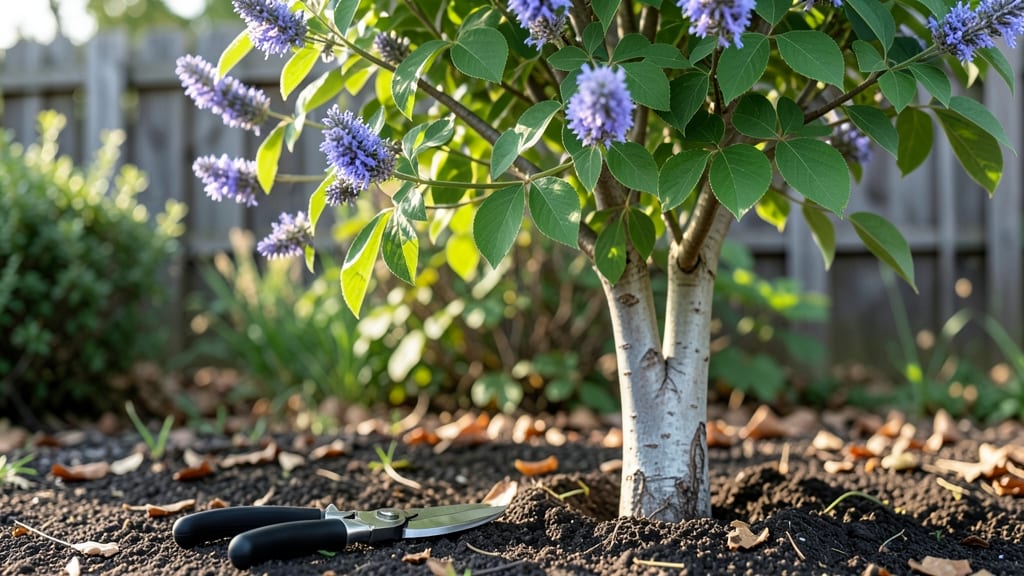
Pruning a chaste tree isn’t just about shaping—it’s about unlocking its full potential. ✨ I’ve watched this hardy shrub go from leggy and sparse to a lush, flowering powerhouse after mastering three simple cuts each year.
The key is timing: late winter, mid-summer, and early fall, when the plant’s energy shifts naturally.
You’ll need basic tools—a sharp pair of pruners, gloves, and maybe a small saw for thicker branches. The process takes about 30 minutes for a mature plant, and the payoff?
More blooms, stronger growth, and a shape that fits your space perfectly. Even if you’ve never pruned before, these steps make it foolproof.
By late spring, you’ll see fresh green growth where you made cuts, followed by clusters of fragrant purple flowers that hummingbirds adore. The plant stays compact, resists disease, and produces more blooms year after year. No more hiding that chaste tree in the corner—it’ll become your garden’s star.
Works for both container-grown and in-ground chaste trees, and adapts to different climates. Let’s get those pruners ready—your shrub’s best season starts now.
📚 In This Guide
- What you need
- Instructions
- Tips and common mistakes
- Wrapping up and next steps
What you need
- ● Pruning shears: Bypass pruners (sharp, 6–8" blades) for clean cuts on small branches (1" or less in diameter). Quantity: 1 pair.
- ● Loppers: Bypass or anvil type (8–10" blades) for medium branches (1.5–3" diameter). Quantity: 1 pair.
- ● Pruning saw: Curved-tooth saw (for branches >3" diameter). Quantity: 1.
- ● Gloves: Leather or heavy-duty garden gloves (protects hands from thorns and sap). Quantity: 1 pair.
- ● Disinfectant: 70% isopropyl alcohol or bleach solution (1:10 ratio with water) to sterilize tools between cuts. Quantity: Small spray bottle or wipe.
- ○ Pruning sealant: Optional but recommended for larger cuts (>1" diameter) to prevent disease. Quantity: Small tube.
- ● Ladder or step stool: Sturdy, extendable (if tree exceeds 6 ft tall). Quantity: 1.
- ● Trash bags: Heavy-duty for collecting pruned branches. Quantity: 2–3.
- ● Hand saw: For stubborn, thick branches that loppers can’t handle.
- ● Pole pruner: If the tree is tall, and you prefer not to climb.
- ● Marking spray: Water-soluble paint to tag cuts for future reference.
- ● Safety glasses: Protects eyes from debris.
- ● Work apron: Keeps tools handy and protects clothing.
Step-by-step guide for pruning chaste tree for year-round health
Here's how to keep your chaste tree thriving through every season with just three focused cuts.
✂️ Step 1: Late Winter Cleanup Cut (Before Bud Break)
Start your pruning in late winter—right before you see buds swelling on the branches. This is the perfect time because the tree is dormant, and you won’t accidentally remove any new growth. Grab your sharp pruning shears and remove any dead, diseased, or crossing branches first. These are easy to spot—they’re brown, brittle, or growing inward toward the center of the tree.
Next, look for weak or thin branches that don’t contribute to the tree’s structure. Thin branches are often less than ¼ inch in diameter and won’t produce much foliage. Cut these back to a healthy outward-facing bud or branch junction. This ensures the tree directs its energy to stronger growth. I always make my cuts at a 45-degree angle, just above a bud or branch collar, to prevent water from pooling and causing rot.
Here’s the thing—chaste trees are naturally dense, so resist the urge to over-prune. You’re not shaping a topiary; you’re just tidying up. Aim to remove no more than 20-25% of the tree’s foliage in this first cut. If you take too much, the tree will struggle to leaf out in spring. Watch for new buds forming along the branches as you work—they’ll guide you on where to stop.
✂️ Step 2: Mid-Summer Light Pruning (After Flowering)
After your chaste tree finishes flowering in early to mid-summer, it’s time for a lighter touch. This cut is all about encouraging air circulation and shaping the tree for the next season. Start by removing any suckers—those are the little shoots growing from the base or along the trunk. They’re weak and compete with the main branches for nutrients, so snip them off at the base.
Next, look for branches that are rubbing against each other. These will eventually create wounds where disease can take hold. Use your shears to trim the offending branch back to a healthy branch junction or bud. If a branch is growing straight up, you can also shorten it by about one-third to encourage it to bush out. This is where your tree starts to fill in and look fuller. You’ll notice the branches thicken slightly as they respond to the cut, which is a good sign you’re doing it right.
Don’t forget to check for overcrowded areas where branches are too close together. Thin these out by removing the smallest or weakest branch in the cluster. This step is more about maintenance than drastic changes, so keep it gentle. If your tree is already lush, you might only need to remove a few branches. The goal here is to keep the tree open and airy, not to strip it bare.
✂️ Step 3: Fall Renewal Pruning (After Leaf Drop)
Once the chaste tree has shed its leaves in fall, it’s time for the final cut of the year. This is your chance to shape the tree for winter and remove any last-minute weak growth. Start by pruning back any long, leggy branches that grew too much during the summer. These are often thin and pale, sticking out from the main canopy. Cut them back to a stronger branch or bud to encourage a more compact shape.
Now, take a step back and look at the tree’s overall form. Chaste trees have a natural, rounded shape, so your goal is to enhance that silhouette. If one side looks sparse, you can lightly prune the opposite side to balance it out. Avoid heavy cuts now—you don’t want to stress the tree before winter. Instead, focus on refining the structure so it looks neat and tidy as it heads into dormancy.
Before you finish, give the tree a once-over for any remaining dead or damaged branches. These can hide in plain sight until the leaves are gone. Cut them out cleanly, and you’ll be left with a healthy, well-shaped tree ready to handle winter. This final pruning is all about preparation, so take your time and make precise cuts. You’ll thank yourself next spring when the tree bursts back to life with fresh, vibrant foliage.
Tips & tricks for perfect chaste tree pruning
These simple tricks will help you maintain your chaste tree's health and beauty without overdoing it.
Timing is Everything: Late winter is your best window for the first cut—right before buds begin to swell. This timing ensures you're working with dormant wood, which heals faster and prevents accidental removal of new growth. I've learned the hard way that cutting too early can stress the tree, while waiting too long risks removing next year's blooms. Look for those tiny bud swellings as your cue to start.
Precision Cuts Matter: When pruning branches less than ¼ inch in diameter, always cut at a 45-degree angle just above a healthy outward-facing bud or branch collar. This angle prevents water from pooling at the cut site, which can lead to rot. I use a small marker to identify bud locations before making cuts—it's a game-changer for maintaining clean, precise cuts that promote better regrowth.
Seasonal Balance: The 20-25% foliage guideline in Step 1 is crucial—this prevents over-pruning which can shock the tree. In summer, focus on removing only suckers and rubbing branches rather than making structural changes. Fall pruning should be minimal, just refining the shape. I always think of these cuts as "maintenance" rather than "reshaping"—chaste trees have natural beauty that we're just enhancing, not altering dramatically.
Tool Maintenance: Sharp pruning shears make all the difference. Dull blades crush stems instead of cutting cleanly, which can damage the tree and invite disease. I clean my shears with rubbing alcohol after each use and sharpen them annually. For larger branches, consider using loppers or a pruning saw—these tools give you better leverage and control for cleaner cuts on thicker branches.
Pro Tips for Chaste Tree Pruning
- These simple tricks will help you maintain your chaste tree's health and beauty without overdoing it.
- Timing is Everything: Late winter is your best window for the first cut—right before buds begin to swell.
- Precision Cuts Matter: When pruning branches less than ¼ inch in diameter, always cut at a 45-degree angle just above a healthy outward-facing bud or branch collar.
Frequently asked questions
Got questions about chaste tree pruning?
Here are some of the most common ones—plus straightforward answers to keep your tree thriving year-round.
When is the absolute best time to prune a chaste tree?
The ideal window is late winter or early spring (just before new growth starts). This minimizes stress and disease risk. A light summer trim (to shape or remove dead branches) is fine, but avoid heavy pruning after July—it can stunt fall blooms and weaken next year’s growth.
Can I prune a chaste tree in fall, or will it hurt the plant?
Fall pruning is risky for chaste trees (Vitex). Heavy cuts in autumn can leave wounds vulnerable to fungal diseases or frost damage. If you must prune, stick to removing only dead/diseased wood—never more than 20% of the canopy. Wait until late winter for major reshaping.
What’s the difference between “structural pruning” and “maintenance pruning” for chaste trees?
Structural pruning
(done in late winter) focuses on removing crossing, weak, or inward-growing branches to create an open center and strong framework. Maintenance pruning (light trims in spring/summer) keeps the tree tidy, encourages airflow, and removes suckers or overgrown stems.
My chaste tree is bleeding sap after pruning—is this normal?
Yes! Chaste trees (like maples) ooze sap when cut, but it’s not harmful unless it’s excessive or accompanied by wilting leaves. To reduce sap flow, prune on a dry, cool day and use clean, sharp tools. Seal larger cuts (over ½ inch) with pruning sealant to prevent pests.
Should I fertilize my chaste tree after pruning?
Only if the tree looks stressed (yellowing leaves, stunted growth). Use a balanced, slow-release fertilizer (like 10-10-10) in early spring before new growth starts. Avoid fertilizing right after pruning—it can burn fresh cuts. Focus on watering deeply instead to help recovery.
Wrapping up and next steps
Mastering chaste tree pruning is your ticket to a thriving, healthy plant year-round! By focusing on three strategic cuts—spring shaping, summer thinning, and late-winter cleanup, you’ll boost airflow, encourage lush growth, and prevent pests. Remember, consistency is key, and a little effort now saves big headaches later.
Ready to roll up your sleeves? Grab your tools and schedule your first pruning session this weekend! Your chaste tree—and your garden—will thank you. 🌿✨