
Trees
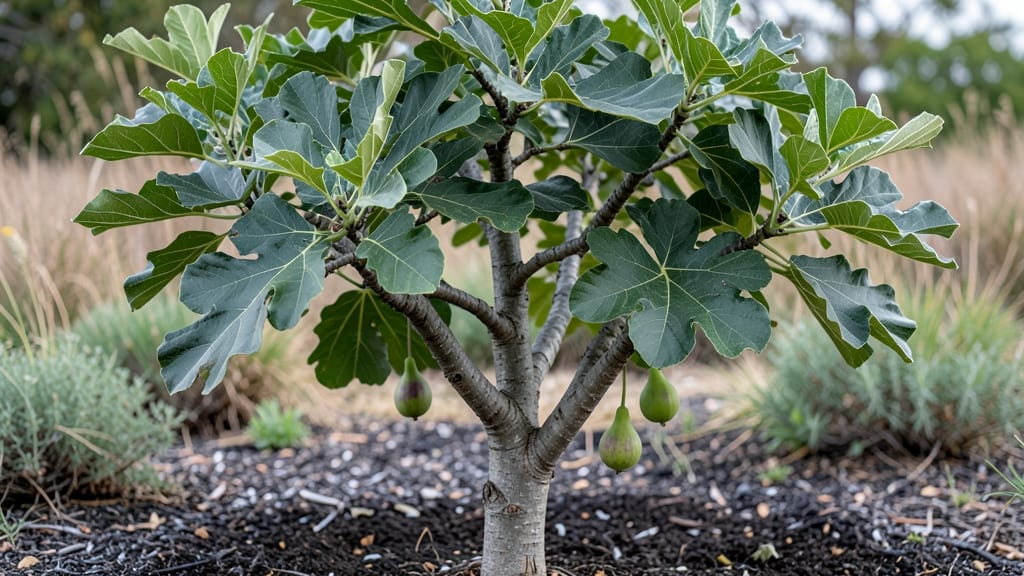
Growing Chicago-hardy fig trees in the Pacific Northwest feels like cheating the system—figs thriving where they shouldn’t, bearing sweet fruit through winters that’d freeze most varieties. 🌿 These cold-resistant types (like 'Chicago Hardy' and 'Desert King') defy expectations, producing edible figs even in Zone 6’s chill.
I learned this the hard way after my first attempt died back to the ground—until I discovered winter protection tricks that actually work.
The secret isn’t just picking the right variety—it’s matching them to your microclimate. Pacific Northwest gardens need well-draining soil, full sun, and a sheltered spot to survive frost. Plant in late spring after the last frost date, and mulch heavily to protect roots.
These trees reward patience with bold, glossy leaves and surprising harvests, even when neighbors’ figs fail.
Winter care makes all the difference. Wrap the trunk in burlap, mound extra mulch, and consider a mini greenhouse frame for heavy freezes. Prune in early spring to shape the tree and remove dead wood, but leave some old growth—it’s where next year’s fruit forms.
With these steps, you’ll watch your figs grow taller than your fence and produce fruit year after year.
Even in rainy climates like the PNW, these figs thrive with minimal fuss. The biggest mistake? Skipping winter prep. I’ve seen trees survive Zone 5 winters with proper protection—proof that cold-hardy figs aren’t just a Chicago myth. Ready to grow one that outlasts your neighbors’? Let’s get started.
📚 In This Guide
- What you need
- Instructions
- Tips and common mistakes
- Wrapping up and next steps
What you need
- ● Fig Tree Variety: Choose cold-hardy varieties like Chicago Hardy, Desert King, or Osborn Prolific (USDA Zones 5-8).
- ● Container or Planting Site: Container: 15-20 gallon pot with drainage holes (1 per tree).
- ● In-Ground: Well-draining soil (amend with compost if needed).
- ● Soil Amendments: 5 lbs of compost or aged manure per planting hole.
- ● 1 cup perlite or sand (for drainage).
- ● Mulch: 2-3 inches of wood chips or straw (to insulate roots).
- ● Watering Supplies: Garden hose with adjustable nozzle (or drip irrigation system for containers).
- ● Water storage container (5+ gallons for initial watering).
- ● Gardening Tools: Trowel or spade (for planting).
- ● Pruning shears (sterilized).
- ● Gloves (to protect from thorns and sap).
- ○ Cold Protection (Optional but Recommended): Frost cloth or bubble wrap (for young trees in early spring/fall).
- ● Burlap wraps (to shield from harsh winds).
- ● Fertilizer: Balanced 10-10-10 or organic fig tree fertilizer (apply sparingly, 2-3 times per year).
- ● Location: Full sun (6+ hours daily) and shelter from strong winds.
- ● Timing: Plant bare-root trees in early spring or container-grown trees in late spring/early summer.
- ● Local Regulations: Check if your area requires permits for large trees.
How to plant and care for cold-hardy fig trees in the Pacific Northwest
These resilient varieties thrive where others freeze—here’s how to set them up for success.
🪴 Step 1: Choose the Right Variety and Location
Select a cold-hardy fig variety like 'Chicago Hardy' or 'Celeste,' which tolerate 15-20°F without damage. Figs need full sun—at least 6-8 hours daily—so pick a south-facing spot near your home’s wall for winter protection. The Pacific Northwest’s damp winters mean poor drainage kills roots, so avoid low areas where water pools.
I always test the spot by observing how long it stays dry after rain. If puddles linger past 24 hours, amend the soil with 3-4 inches of gravel beneath the root zone or plant on a slight mound. A sheltered location—like against a brick wall or under eaves—helps shield from harsh winds that dry leaves and stress plants.
🌱 Step 2: Plant in Well-Draining Soil with Mulch
Figs despise soggy roots, so blend 50% native soil with 50% coarse sand or perlite to improve drainage. Dig a hole twice as wide as the root ball but only as deep—planting too deep suffocates the graft union (critical for cold resistance). Gently loosen the roots before placing the tree in the hole, then backfill with the amended mix.
Water deeply right after planting to settle the soil, then spread 3-4 inches of wood chips or straw mulch around the base, keeping it 6 inches away from the trunk. Mulch insulates roots in winter but never pile it against the stem—this traps moisture and invites rot. In the Pacific Northwest, winter mulch should stay in place until spring thaw.
☀️ Step 3: Water Deeply and Prune for Structure
Figs need deep, infrequent watering—1-1.5 gallons per week in summer, less in winter. Water at the base, avoiding leaves to prevent fungal diseases like leaf spot. You’ll know it’s right when the top 6 inches of soil feel dry but the lower roots stay moist. Overwatering is the #1 killer of young figs here.
Prune in late winter or early spring before new growth starts. Remove any dead, crossing, or inward-growing branches first. Then, shape the tree by cutting back one-third of the current season’s growth to encourage bushier, more productive branches. Figs fruit on new wood, so aggressive pruning in fall weakens next year’s crop.
✂️ Step 4: Protect from Winter Chill and Pests
The Pacific Northwest’s wet winters stress figs, so wrap the trunk in burlap or tree wrap to prevent bark splitting from temperature swings. I also loosely cover the canopy with frost cloth on the coldest nights (below 25°F), securing it with stakes but leaving airflow to avoid rot. Remove it by mid-morning to let sunlight warm the tree.
Watch for aphids and fig beetles—common in PNW gardens. Spray infested branches with neem oil (mix 1 tbsp per gallon of water) in early spring before pests multiply. Figs are low-maintenance, but these small steps keep them thriving where most varieties fail.
Tips & tricks for perfect Chicago hardy fig trees
Between us, these cold-hardy figs are game-changers for PNW gardeners—but only if you nail a few key details. Here's what nobody tells you about making them thrive where others fail.
Site Selection Secret: That south-facing spot isn't just about sunlight—it's about microclimates. I've seen figs survive at 15°F in protected spots while others nearby died. Look for areas where cold air pools settle out, like slightly elevated ground or against a warm wall. The key is finding that sweet spot where you get your required 6-8 hours of sun but avoid frost pockets that linger past dawn.
Soil Science: The 50-50 soil blend is non-negotiable, but here's the trick: sterilize your sand or perlite first by baking it at 200°F for 30 minutes to kill any pathogens. I also add a handful of mycorrhizal fungi to the planting hole—these beneficial microbes help roots absorb water and nutrients more efficiently, especially important during our damp winters. The graft union warning in Step 2 is critical: if buried too deep, it can rot and kill your tree.
Winter Protection Hack: For those nights dipping below 25°F, I double up on protection. First, wrap the trunk with burlap, then create a loose tent with frost cloth supported by stakes—leave the top open like a teepee to allow airflow. This prevents moisture buildup that causes rot while still protecting tender leaves. Remove it by mid-morning to prevent overheating during sunny winter days.
Pruning Insight: That one-third pruning rule in Step 3 works wonders, but timing matters more than you'd think. I prune when buds are just starting to swell—this ensures you're cutting back last year's growth while preserving next year's potential. Watch for "water sprouts" (thin, vertical growth) and remove them immediately—they sap energy from fruit production.
Pro Tips for Chicago Hardy Fig Trees
- Between us, these cold-hardy figs are game-changers for PNW gardeners—but only if you nail a few key details.
- Site Selection Secret: That south-facing spot isn't just about sunlight—it's about microclimates.
- Soil Science: The 50-50 soil blend is non-negotiable, but here's the trick: sterilize your sand or perlite first by baking it at 200°F for 30 minutes to kill any pathogens.
Frequently asked questions
Got questions about growing Chicago Hardy fig trees in your Pacific Northwest garden? You’re not alone! Here are answers to the most common concerns—from planting tips to winter prep—so you can enjoy these cold-resistant beauties with confidence.
What’s the best time to plant Chicago Hardy fig trees in the PNW?
Plant in early spring (March–April) or early fall (September–October) when soil temps are above 60°F but nights are still cool. This gives roots time to establish before summer heat or winter frost. Avoid planting in late summer—young trees struggle with heat stress!
How cold can Chicago Hardy figs tolerate, and how do I protect them in winter?
These figs survive down to 10°F (-12°C) with proper care. For extra protection:
- Wrap the trunk in burlap or tree wrap to prevent sunscald.
- Mound mulch (6–8 inches) around the base (but not against the trunk).
- Use a frost cloth or mini greenhouse for young trees in harsh winters.
When and how do I harvest Chicago Hardy figs?
Figs ripen in late summer to early fall (August–September). Harvest when they’re soft, slightly wrinkled, and easily detached from the tree. Pick with stems attached to prolong shelf life. Store at room temp for 2–3 days or refrigerate for up to a week.
What pests or diseases should I watch for, and how do I treat them?
Common issues include:
- Fig beetles: Handpick or use neem oil sprays.
- Root rot: Ensure well-draining soil and avoid overwatering.
- Powdery mildew: Prune for airflow and apply baking soda spray (1 tsp baking soda + 1 quart water + a drop of soap).
Can I grow Chicago Hardy figs in containers, or do they need to be planted in the ground?
Yes! They thrive in large containers (15+ gallons) with drainage holes. Use a mix of potting soil + perlite and move pots to a sunny spot in summer. In winter, bring containers indoors (garage or unheated shed) if temps drop below 20°F. Dwarf varieties like ‘Little Miss Figgy’ are ideal for pots.
Pro Tip: Watering Wisdom
Chicago Hardy figs are drought-tolerant once established, but young trees need deep watering 1–2x/week during dry spells. Morning watering prevents fungal issues. Let soil dry slightly between waterings—soggy roots = trouble!
Wrapping up and next steps
Growing Chicago Hardy Fig Trees in your Pacific Northwest garden is not only possible—it’s a rewarding way to enjoy fresh, homegrown figs even in cooler climates! 🌱 With the right cold-resistant varieties and a little care, you’ll soon be harvesting sweet, juicy fruit year after year.
Whether you’re a seasoned gardener or just starting out, these hardy figs bring beauty, shade, and delicious rewards to your outdoor space.
Ready to take the next step? Start by selecting your favorite variety—like ‘Chicago Hardy’ or ‘Desert King’—and give your garden a taste of fig perfection! Plant with confidence, and soon, you’ll be sharing your harvest with friends and family. Happy gardening! 🍇