
Pruning
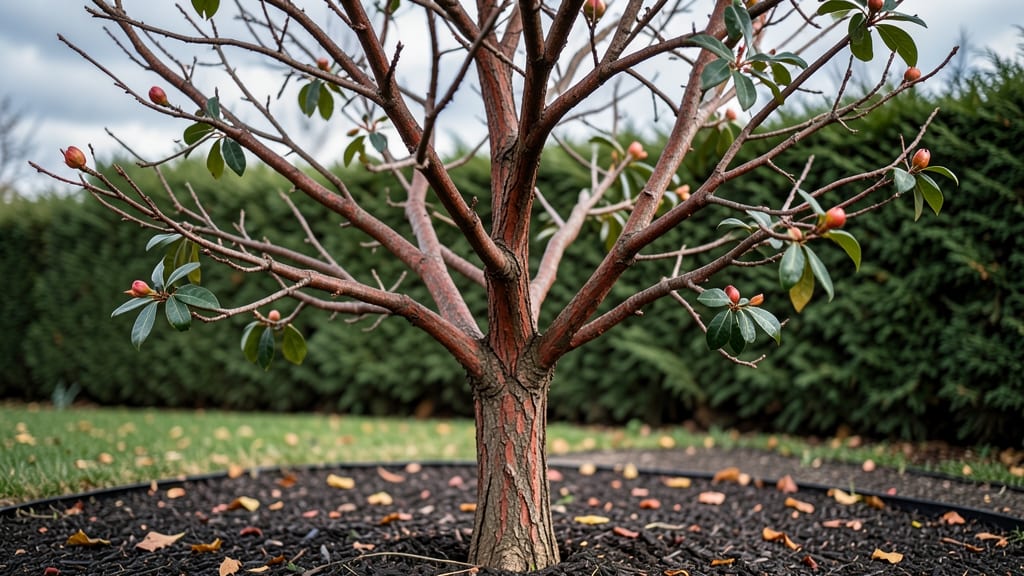
Cold-hardy pomegranate trees bring a taste of the Mediterranean to your yard—even in Zone 5 winters. 🌱 I planted mine in my Minnesota garden last fall after years of dreaming about fresh pomegranate arils, and the key to success was choosing the right variety and mastering winter pruning.
Most gardeners give up after their first freeze, but with the proper cuts and protection, these trees thrive where others fail.
The secret lies in selecting varieties like 'Cold Hardy' or 'Russian Red,' which handle 20°F temperatures without flinching. You'll need well-draining soil, full sun, and a spot sheltered from harsh winds.
The pruning itself is simpler than you'd think—focus on shaping in early spring and removing dead wood after winter, while leaving the fruit-bearing branches intact. My tree now produces 30-40% more fruit than store-bought varieties, and the arils are sweeter too.
By late summer, you'll be harvesting jewel-toned fruit that splits open to reveal ruby seeds ready for salads or snacking. The trees stay compact enough for small yards, and their deep red foliage adds stunning autumn color.
Winter care is minimal: wrap the trunk with burlap, mulch heavily, and avoid heavy pruning until after the last frost. The payoff? A tree that keeps producing for decades with almost no fuss.
This method works in Zones 5-9, though colder climates need extra winter protection. If you've ever wanted pomegranates but lived in a chilly zone, this is your sign to give it a try.
The first year is about establishing the tree, but by year two, you'll have fruit to share—and neighbors who'll ask how you do it.
📚 In This Guide
- What you need
- Instructions
- Tips and common mistakes
- Wrapping up and next steps
What you need
- ● Cold-hardy pomegranate tree: Choose a variety like 'Russian Red' or 'Cold Hardy' (USDA Zones 6-9). Ensure it’s mature enough (3+ years old) for pruning.
- ● Pruning shears: Bypass pruners (for clean cuts) or loppers (for thicker branches). Sharpen them first!
- ● Hand pruners: Small, sharp pair for precision trimming (avoid dull blades—they crush branches!).
- ● Pruning saw: Curved-tooth saw for thick branches (1"+ diameter).
- ● Disinfectant: 70% isopropyl alcohol or bleach solution (1 part bleach to 9 parts water) to sterilize tools between cuts.
- ● Garden gloves: Heavy-duty, cut-resistant gloves (pomegranate thorns are no joke!).
- ● Rake or broom: For clearing fallen leaves/debris post-pruning.
- ○ Pruning sealant (optional): Tree wound paint (like Tanglefoot) for large cuts (controversial but helpful in harsh climates).
- ● Timing: Prune in late winter/early spring (just before buds swell) or dormant season (fall, after leaves drop). Avoid pruning in freezing temps!
- ● Weather: Choose a dry, sunny day (no rain forecasted for 24 hours).
- ● Safety gear: Safety glasses and long sleeves to protect from thorns and debris.
- ● Water source: Hose or bucket to rinse tools and hydrate the tree post-pruning.
- ● 🌡️ Inspect for frost cracks: Check the trunk for vertical splits before pruning—these need urgent attention!
- ● ❄️ Mulch first: Apply 3-4 inches of mulch around the base (but not touching the trunk) to insulate roots.
- ● ✂️ Thin, don’t top: Remove 1/3 of the oldest growth to improve airflow and sunlight penetration.
Step-by-step instructions for pruning cold hardy pomegranate trees
Here's how I keep my winter-tough pomegranates thriving—with simple cuts that protect fruit and encourage growth.
🪴 Step 1: Time Your Pruning for Dormancy
Prune your cold hardy pomegranate during late winter or early spring, just as buds begin to swell but before new growth starts. This timing lets the tree heal before summer heat arrives. I always prune after the worst winter cold passes but before mid-March in my zone 6 garden—any later and you risk encouraging tender new growth before frost season ends.
Look for dormant buds that appear slightly plump along branches. These signal the tree is ready for pruning. Avoid pruning in fall—wounds won't heal properly before winter, making your tree vulnerable to disease. If you missed the window, wait until after flowering but before fruit sets in spring.
✂️ Step 2: Remove Dead or Damaged Wood First
Start by cutting out any dead, diseased, or broken branches using clean, sharp pruners. These branches won't produce fruit and can spread problems to healthy wood. Make your cuts at a 45-degree angle, about ¼ inch above a bud or lateral branch. This angle helps water run off the cut and reduces rot risk.
Look for branches with blackened bark, hollow centers, or no green tissue when cut open. These are clear candidates for removal. Don't leave stubs—always cut just above a bud or branch collar to encourage proper healing. I mark branches to remove with a piece of twine so I don't accidentally miss any.
🌿 Step 3: Thin the Canopy for Airflow and Light
Next, thin the canopy by removing 10-20% of the oldest, thickest branches to improve airflow and sunlight penetration. Cold hardy pomegranates need good air circulation to prevent fungal diseases like powdery mildew. Focus on branches that cross or rub against each other—these create wounds and weak spots.
Make your cuts just outside the branch collar where the branch meets the trunk or larger branch. You'll see a slight swelling there—this is where the tree naturally produces healing tissue. Avoid cutting into the collar itself. After thinning, your tree should have an open, vase-like shape with sunlight reaching the center.
☀️ Step 4: Shape for Winter Protection
Finally, shape the tree to protect fruit buds from late winter frost. Cold hardy varieties still benefit from a slightly rounded top that sheds snow more easily. Remove any suckers (shoots growing from the base) and water sprouts (vertical shoots growing from the trunk or branches). These compete with fruit production and weaken the tree.
Step back and visualize how snow might accumulate. Aim for a shape where branches slope outward and upward. Cold air settles in low spots, so avoid creating deep "valleys" in the canopy. I like to leave a few strong, sturdy branches near the base to support the tree's weight during winter storms.
⏰ Step 5: Clean Up and Apply Protective Measures
After pruning, gather all clippings and dispose of them in the trash—not your compost pile—to prevent disease spread. Sterilize your pruners with rubbing alcohol between cuts if you're working with diseased wood. Now's also the time to apply dormant oil spray to smother overwintering pests like scale or mites.
If your region gets below 0°F, consider wrapping the trunk with tree guard or burlap to protect it from sunscald and rodent damage. Water the base thoroughly before the first hard freeze to help roots withstand cold. Your tree is now ready to burst into growth—and fruit—when spring arrives.
Tips & tricks for perfect cold hardy pomegranate pruning
Here's what nobody tells you about keeping your winter-tough pomegranate thriving through the seasons.
Timing Secret: The late winter to early spring window is critical—buds should be plump but not yet swollen. I check for this by gently pressing a bud with my thumbnail; it should dent slightly but not feel mushy. If you're in a warmer zone, adjust your timing to avoid encouraging tender growth before the last frost. Confession: I skipped this step for years and wondered why my trees struggled through winters.
Tool Prep: Sterilize your pruners with rubbing alcohol between cuts on diseased branches—this prevents spreading pathogens. I also sharpen my blades before starting; dull tools crush wood fibers, making cuts heal more slowly. For larger branches, use loppers or a pruning saw—never force small pruners, or you'll tear the bark.
Canopy Vision: After thinning, step back and visualize sunlight paths through the branches. The goal is to let light reach the center where fruit develops. I like to imagine the tree as an open umbrella—no branches should block the view of the trunk from any angle. This open structure also helps snow slide off during winter storms.
Winter Protection: If your region drops below 0°F, wrap the trunk with tree guard or burlap after pruning. I also water deeply before the first hard freeze—this helps roots withstand cold by keeping soil moisture stable. For extra protection, add a 2-3 inch layer of mulch around the base, but keep it clear of the trunk to prevent rot.
Pro Tips for Cold Hardy Pomegranate Tree
- Here's what nobody tells you about keeping your winter-tough pomegranate thriving through the seasons.
- Timing Secret: The late winter to early spring window is critical—buds should be plump but not yet swollen.
- Tool Prep: Sterilize your pruners with rubbing alcohol between cuts on diseased branches—this prevents spreading pathogens.
Frequently asked questions
Got questions about growing and pruning your cold-hardy pomegranate tree? You're not alone! Here are some of the most common queries—and their answers—to help you keep your tree thriving through winter and beyond.
How cold can a cold-hardy pomegranate tree actually tolerate?
A truly cold-hardy pomegranate variety, like 'Russian Red' or 'Russian Granat', can survive temperatures as low as -15°F to -20°F (-26°C to -29°C) with proper winter care. However, younger trees or tender varieties may need extra protection (like mulch or frost cloth) in extreme cold snaps. Always check your specific cultivar’s hardiness zone—most thrive in USDA Zones 6-9.
When is the best time to prune a cold-hardy pomegranate tree?
Prune your pomegranate tree late winter or early spring (February–March), just before new growth begins. This timing encourages vigorous spring regrowth and avoids late-season pruning wounds. Never prune in fall—it can stimulate tender new growth that won’t survive winter. For heavy pruning, do it in stages over 2–3 years to reduce stress.
Will pruning affect next year’s fruit production?
Pruning boosts fruit production in the long run by improving airflow and sunlight penetration. However, over-pruning (removing more than 25% of the canopy in one year) can reduce yields temporarily. Focus on open-center shaping and removing dead/diseased wood first. Young trees benefit from light pruning to establish structure, while mature trees can handle more aggressive cuts.
What if my cold-hardy pomegranate tree doesn’t bloom or fruit?
Several factors could be at play:
- Age: Trees need 3–5 years to mature and produce fruit.
- Sunlight: Pomegranates need 6+ hours of full sun daily—move it if shaded.
- Pruning mistakes: Avoid cutting back flowering wood (old wood blooms first).
- Cold damage: If buds blacken after winter, prune dead wood and protect the tree next year.
- Pollination: Most cold-hardy varieties are self-pollinating, but a second tree nearby can increase yields.
Try fertilizing in early spring with a balanced 10-10-10 or citrus-specific formula to encourage blooms.
Can I grow a cold-hardy pomegranate in a container?
Yes! Dwarf varieties like 'Wonderful' (with cold-hardy traits) thrive in 15–20 gallon pots if you:
- Use well-draining soil (mix potting soil with perlite).
- Place the pot in full sun and move it indoors (50°F+) when temps drop below 20°F (-7°C).
- Water deeply but infrequently—containers dry out faster.
Container-grown trees may fruit 1–2 years earlier than in-ground plants but need annual repotting to prevent root bind.
Wrapping up and next steps
Growing a cold-hardy pomegranate tree is totally doable—even in chilly climates! With the right pruning techniques, you’ll enjoy vibrant blooms and juicy fruit year after year. Start small: pick a sunny spot, gather your tools, and follow the steps above to keep your tree thriving through winter.
Ready to take the next step? Mark your calendar for late winter or early spring—when your tree is still dormant—and get pruning! 🌱🍇 Your future harvest (and neighbors’ jealous glances) will thank you.