
Pruning
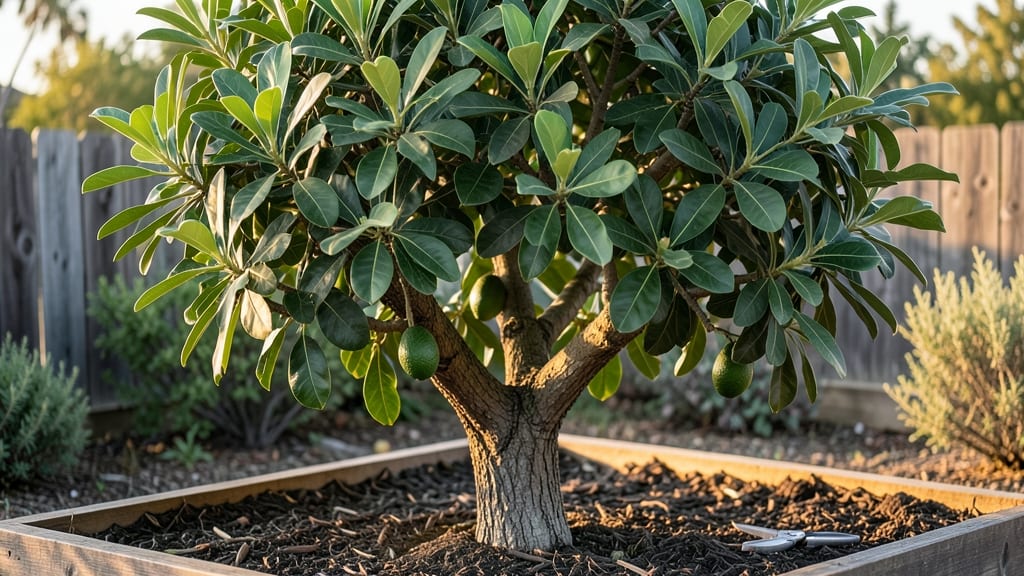
Growing a cold-resistant avocado tree in your yard means tropical fruit within reach—even when winter chills the air. 🌱 I planted mine in Portland after years of dreaming, and now it thrives where standard varieties would freeze.
The secret starts with choosing the right variety like 'Gwen' or 'Mexicola,' bred to handle temperatures down to 20°F without wrapping.
Your tree needs rich, well-draining soil with plenty of organic matter—think compost mixed into the planting hole. Water deeply once a week (more in summer heat), but never let it sit soggy.
The key to winter survival? A 4-6 inch mulch ring around the trunk to insulate roots, plus a protective microclimate near your house or garage where heat radiates.
By spring, you'll see glossy new leaves and—with patience—creamy-yellow fruit ripening by late fall. The payoff? Homegrown avocados that taste nothing like store-bought, plus the joy of nurturing a plant most gardeners assume is impossible in cold zones. Let's get your tree growing strong.
This method works for zones 7-9, but even cooler climates can try container growing with winter protection. The biggest challenge? Patience—avocados take 3-5 years to bear fruit, but every leaf unfurling is worth it. Ready to try?
📚 In This Guide
- What you need
- Instructions
- Tips and common mistakes
- Wrapping up and next steps
What you need
- ● Cold-hardy avocado tree sapling: Choose a Mexican avocado (Persea americana) variety like ‘Hass’ or ‘Lamb Hass,’ which can tolerate brief cold snaps (down to 15°F (-9°C)). Look for nursery-grown plants labeled for Zone 8-10 with a dwarf rootstock for easier care.
- ● 5-gallon container or planting pot: Use a well-draining pot with drainage holes (minimum 12-inch diameter for saplings). Terracotta or fabric grow bags work well.
- ● High-quality potting mix: A blend of 60% peat moss or coconut coir, 30% perlite or pumice, and 10% compost. Avoid heavy garden soil—it retains too much moisture.
- ● Slow-release fertilizer: A balanced 10-10-10 or 8-3-9 formula designed for citrus/avocado plants. Apply 1-2 tbsp per gallon of soil at planting.
- ○ Mulch (optional but recommended): 3-4 inches of straw or wood chips to insulate roots and retain moisture.
- ● Pruning shears: Bypass pruners (sharp, 5-7 inch blades) for clean cuts.
- ● Trowel or small shovel: For transplanting or repotting.
- ● Garden gloves: Heavy-duty nitrile-coated gloves to protect against sap and thorns.
- ● Watering can or hose with gentle spray nozzle: Avocados hate soggy roots—water deeply but infrequently.
- ○ Thermometer (optional): A soil thermometer to monitor root-zone temps (ideal: 60-85°F).
- ● Frost cloth or row covers: Lightweight 30-40g frost fabric to protect young trees during unexpected cold snaps.
- ● Sunlight: A south-facing window (indoors) or full sun (6+ hours/day) outdoors in a microclimate (e.g., near a heat-retaining wall).
- ● Temperature control: Keep indoor temps between 60-80°F. Avoid drafts or heaters near the plant.
- ● Humidity: Maintain 50-70% humidity—use a humidifier or pebble tray if indoors.
- ● Patience: Cold-resistant avocados grow slowly—expect 1-3 years before first fruit (if conditions are ideal!).
How to grow a cold-resistant avocado tree in the Pacific Northwest
Here's how to nurture a hardy avocado that thrives despite chilly winters.
🌱 Step 1: Choose the Right Variety and Start with a Pit
Select a cold-hardy variety like 'Gwen' or 'Mexicola'—these can tolerate brief dips to 20°F with proper protection. Start with a fresh avocado pit from a store-bought fruit. Remove the pit carefully, leaving the brown skin intact to protect the delicate interior. Here's the thing—don't rush the germination process. The pit needs time to develop roots before transplanting.
Place the pit upright in a small container filled with well-draining potting mix, leaving the top half exposed. Keep the soil consistently moist but never soggy. I like to use a spray bottle to mist the soil—this prevents overwatering while keeping the environment humid. Within 2-8 weeks, you'll see a small root emerge from the bottom, followed by a sprout from the top. This is your signal that germination has begun.
🪴 Step 2: Provide Warmth and Light for Seedling Growth
Once your avocado seedling has 2-3 inches of stem and a few leaves, it's time to move it to a larger pot—6-8 inches in diameter—with fresh potting mix. Avocados love warmth, so place the pot in a sunny window or under a grow light for 12-14 hours daily. If your home runs cooler than 65°F, supplement with a small heat mat to keep the roots cozy. Real talk: Avocado seedlings are sensitive to cold drafts, so avoid placing them near doors or windows that open frequently.
Rotate the pot quarter-turn weekly to prevent the seedling from leaning toward the light. You'll notice new leaves emerging in a spiral pattern—this is a good sign of healthy growth. Once the seedling reaches 12-18 inches tall, it's ready for its first pruning. Use clean, sharp scissors to trim just above a leaf node to encourage bushier growth. This step is critical for shaping the tree early and preventing a single, weak stem.
☀️ Step 3: Transition to Outdoor Conditions Gradually
When outdoor temperatures consistently stay above 50°F at night, it's time to acclimate your avocado to the Pacific Northwest climate. Start by placing the pot outside in a sheltered, partially shaded spot for 1-2 hours the first day. Gradually increase exposure over 2-3 weeks, moving the plant to a sunnier location each day. Avocados need full sun to thrive, but young trees can scorch in intense afternoon light.
Watch for signs of stress—yellowing leaves or wilting indicate the plant needs more shade or water. Once the seedling tolerates 6+ hours of direct sun without wilting, it's ready for its permanent outdoor home. Choose a location with southern exposure to maximize sunlight. If you live in a particularly cold region, consider overwintering the pot indoors near a sunny window or under grow lights.
⏰ Step 4: Protect from Frost and Winter Chill
Before the first frost, move your avocado indoors or protect it with burlap wraps, frost cloth, or a small greenhouse. Even cold-hardy varieties can suffer damage if temperatures drop below 20°F. I've found that wrapping the pot in insulating foam and placing it against a south-facing wall helps retain heat. If you're growing in a container, consider burying the pot slightly in the ground for added insulation.
During winter, reduce watering significantly—avocados enter a dormant phase and need less moisture. Keep the soil slightly moist but not wet. If you notice leaves dropping or stems becoming brittle, increase humidity with a pebble tray or misting. Once spring arrives and nighttime temperatures stay above 50°F, resume regular watering and fertilizing. This is the moment that matters: Your avocado will reward you with new growth and eventually, fruit, if given the right care.
Tips & tricks for growing cold-hardy avocado trees
Confession: I nearly killed my first avocado seedling by rushing the process. Here's what I learned the hard way about nurturing these tropical divas in our chilly climate.
Germination Patience: Those 2-8 weeks for germination can feel like forever, but rushing it by overwatering or using soggy soil will drown your pit before it even starts. I now use a clear container so I can monitor root development without disturbing the soil. The key is consistency—mist the soil daily but never let it pool at the bottom. You'll know you're on track when you see that first root poking through like a tiny white ghost.
Lighting Strategy: The 12-14 hours of daily light is non-negotiable for seedling growth, but don't assume your sunny window is enough. I supplement with a basic LED grow light on a timer to ensure consistent light exposure. Position it just above the plant so leaves don't touch the bulb—avocados hate heat stress from direct contact. Watch for leaves stretching toward the light; if they're growing leggy, you need more intensity or duration.
Cold Protection Layering: When we hit that 20°F threshold, I triple up on protection: the avocado's natural cold tolerance, a thick frost cloth, and a layer of bubble wrap around the pot. The bubble wrap creates an insulating air pocket that makes all the difference. For extra security, I place the potted tree against an interior wall where it gets reflected heat from the house. This layered approach has saved my trees through multiple PNW winters.
Pruning Precision: That first pruning at 12-18 inches might seem drastic, but it's what creates a sturdy framework for your tree. I always trim just above a leaf node where new growth will emerge. Use clean scissors to make a sharp cut at a 45-degree angle—this prevents tearing and reduces disease risk. The spiral leaf pattern is your guide; follow it to maintain the tree's natural growth rhythm while encouraging bushiness.
Pro Tips for Cold Resistant Avocado Tree
- Confession: I nearly killed my first avocado seedling by rushing the process.
- Germination Patience: Those 2-8 weeks for germination can feel like forever, but rushing it by overwatering or using soggy soil will drown your pit before it even starts.
- Lighting Strategy: The 12-14 hours of daily light is non-negotiable for seedling growth, but don't assume your sunny window is enough.
Frequently asked questions
Got questions about growing a cold-resistant avocado tree in chilly climates? You’re not alone! Here are answers to the most common concerns—from survival tips to troubleshooting—so you can thrive in the Pacific Northwest (or beyond).
Can cold-resistant avocado trees survive winter in Zone 7 or colder?
Yes! Varieties like ‘Mexicola’ or ‘Wurtz’ tolerate brief dips to 20–25°F with proper care. For harsher winters, plant near a south-facing wall, mulch heavily, and use burlap wraps or frost cloths. Prune in late winter to reduce stress before cold snaps.
How long does it take for a cold-resistant avocado tree to bear fruit?
Patience is key! Dwarf varieties may fruit in 3–5 years, while standard trees take 5–7 years. Boost production by:
- Ensuring full sun (6+ hours daily).
- Fertilizing with citrus-specific nutrients (high in zinc and magnesium).
- Avoiding overwatering—avocados hate soggy roots.
What’s the best way to protect a young avocado tree from frost?
Layered protection wins! Combine these tactics:
- Microclimate hack: Plant near a stone wall or heat-retaining surface (like pavement).
- Cover up: Use a clear plastic tunnel or frost blanket on nights below 32°F.
- Water trick: Drench roots 24 hours before a freeze to insulate soil.
- Emergency move: Pot up young trees and relocate to a garage or sunroom.
Are there alternatives to traditional avocado trees for cold climates?
If avocados feel too finicky, try these cold-tolerant fruit trees with similar vibes:
Tree
Cold Hardiness
Flavor Notes
Loquat (Eriobotrya japonica)
Down to 15°F (Zone 7)
Sweet, honey-like berries; blooms in winter!
Fig (e.g., ‘Chicago Hardy’)
Down to −10°F (Zone 5)
Rich, jammy fruit; thrives in containers.
Persimmon (American)
Down to −15°F (Zone 5)
Caramel-like when ripe; drought-tolerant.
For avocado-like texture, try pawpaw trees (Zone 5), but they’re rare and slow-growing.
My avocado tree’s leaves are yellowing—is it dying from cold damage?
Not necessarily! Yellow leaves often signal overwatering or nutrient deficiency, but cold stress can cause brown tips or leaf drop. Check these first:
Root rot? Stick your finger 1 inch into soil—if it’s mushy, reduce watering.
Sunburn? Scorched leaves on one side mean it’s getting too much midday sun.
Cold shock? If leaves crisped and fell after a freeze, prune damaged branches back to healthy growth.
Fertilize with chelated iron if leaves are pale green/yellow (a classic deficiency sign).
Wrapping up and next steps
Growing a cold-resistant avocado tree in the Pacific Northwest isn’t just possible—it’s a rewarding challenge that can turn your garden into a tropical oasis! 🌱 With the right variety, care, and a little patience, you’ll soon enjoy fresh avocados even in cooler climates.
Whether you’re pruning for health, harvesting fruit, or simply admiring your hardy tree, every step brings you closer to success.
Ready to take the next step? Start by choosing your variety (like ‘Gwen’ or ‘Mexicola’) and planting in a protected spot—then watch your avocado thrive! 🌟 Happy growing, and may your tree flourish for years to come.