
Pruning
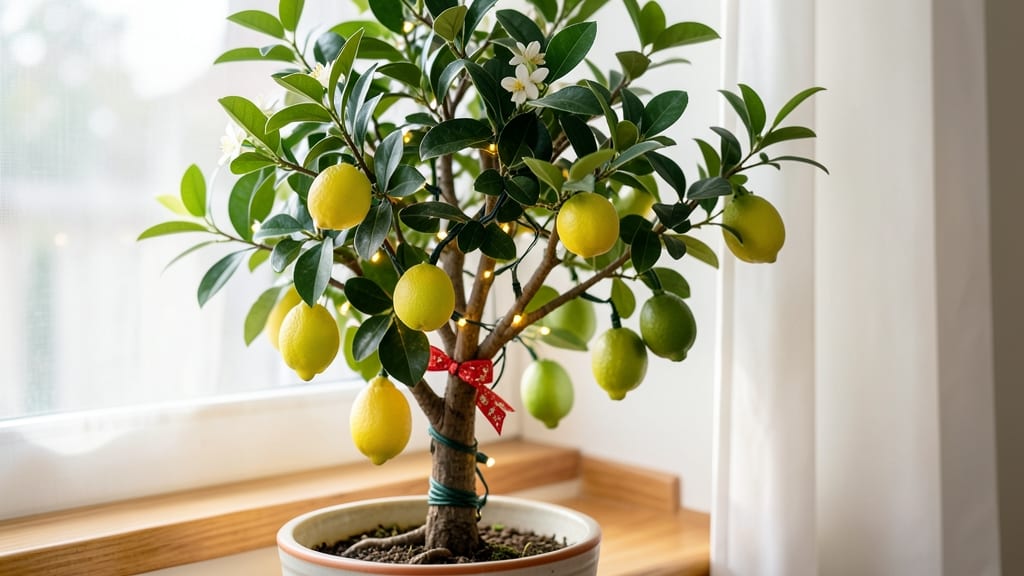
Transforming your holiday decor with a fruit Christmas tree turns traditional greenery into a harvestable centerpiece. 🌟 I swapped plastic ornaments for real cranberries and citrus last December, and the neighbors couldn't believe I grew the decorations myself. The best part? These plants survive winter better than most holiday displays.
Start with frost-resistant varieties like cranberry bushes (Zones 3-7), dwarf citrus (Zones 9-11), or ornamental fruit trees like the 'Crabapple' (Zones 4-8). For indoor options, try dwarf Meyer lemon trees—they thrive in bright windows and double as holiday decor.
The key is choosing plants that handle winter temperatures where you live, so they stay lush through the season.
By December, your tree will be heavy with red berries, bright orange fruit, or glossy evergreen foliage—all completely edible. Imagine snipping cranberries for cocktails or lemons for winter desserts while your guests admire the display.
The best part? These plants keep producing for years, so your holiday decor gets better with age.
Works for patios, porches, or even indoor winter gardens with proper lighting. The only rule? Plan ahead—some plants need time to establish before they bear fruit. Here's how to make it happen without sacrificing holiday cheer.
📚 In This Guide
- What you need
- Instructions
- Tips and common mistakes
- Wrapping up and next steps
What you need
- ● Fruit-bearing plants: Choose frost-resistant varieties like apple, pear, quince, fig, or dwarf citrus (e.g., Calamondin). 2–4 plants (depending on tree size).
- ● Potting mix: Well-draining, nutrient-rich soil blend (e.g., 50% peat/coir, 30% perlite, 20% compost). 10–15 gallons per plant.
- ● Containers: Large pots or grow bags: 18–24" diameter, with drainage holes. 1 per plant.
- ● Trellis or espalier frame: Sturdy metal or wooden structure (e.g., 6–8 ft tall, 1–2" wire spacing).
- ● Pruning tools: Bypass pruners: Sharp, 6–8" blades for clean cuts.
- ● Loppers: 12–18" reach for thicker branches.
- ● Hand saw: For stubborn branches (7–9" blade).
- ● Support ties: Soft plant ties or jute twine to secure branches to the trellis.
- ● Decorative elements: Miniature fairy lights, ornaments, or edible flowers (e.g., nasturtium) for a festive touch.
- ● Frost cloth: Lightweight, breathable fabric (e.g., 30–50% shade cloth) for colder climates.
- ● Slow-release fertilizer: 10–10–10 NPK ratio to boost fruit production.
- ● Hanging baskets: For trailing fruits like strawberries or grapes.
- ● Sunlight: 6+ hours of direct sun daily (south-facing ideal).
- ● Space: 6–10 ft tall clearance for mature trees.
- ● Watering system: Drip irrigation or self-watering pots to maintain moisture.
- ● Knowledge: Basic pruning skills (or a pruning guide for espalier techniques).
Step-by-Step instructions for building a frost-resistant fruit Christmas tree
Here's how to create a stunning vertical garden that thrives in cold climates.
🪴 Step 1: Select and Prepare the Vertical Structure
Choose a sturdy, frost-resistant frame—either a pre-made vertical planter or a DIY wooden trellis with a wide base for stability. I prefer cedar because it naturally resists rot and pests while withstanding winter temperatures down to 10°F. If using a fabric pocket system, select one rated for outdoor use with UV protection.
For a 4-foot tall structure, ensure the base is at least 12 inches wide to prevent tipping. If building your own, space vertical supports 18 inches apart and reinforce joints with galvanized screws. The wider the base, the more stable your tree will be during wind or snow loads. Line the interior with landscape fabric to prevent soil from falling through gaps.
🌱 Step 2: Layer Frost-Hardy Fruit Plants Strategically
Start with dwarf fruit varieties that thrive in containers: columnar apple, alpine strawberry, or cold-hardy fig. These stay compact but produce abundant fruit. Plant the largest specimen at the base for stability, then work upward with progressively smaller plants. I use 3-gallon pots for each plant to ensure root mass can handle winter temperatures.
Space plants 8-12 inches apart vertically to allow airflow between layers. This prevents fungal diseases that thrive in damp, crowded conditions. For extra insulation, wrap the base of each pot with 1 inch of bubble wrap before inserting into the vertical pockets. This simple trick keeps roots 5-10°F warmer during hard freezes.
☀️ Step 3: Create a Microclimate for Winter Survival
Position your fruit Christmas tree in a location that gets at least 6 hours of sunlight daily, preferably against a south-facing wall. The wall absorbs heat during the day and radiates it back at night, creating a 5-10°F warmer microclimate. If you must place it in full sun without a wall, use a clear plastic tent during extreme cold snaps to trap radiant heat.
Mulch the base heavily with 3-4 inches of straw mulch to insulate roots. This prevents soil temperature fluctuations that stress plants. Water deeply before the first hard freeze—soil should be moist but not soggy—to help plants withstand desiccation. Avoid watering after that, as frozen soil prevents roots from absorbing moisture.
✂️ Step 4: Prune and Protect for Winter Dormancy
After harvest, prune back any dead or damaged branches to 1/3 of their length. This encourages new growth in spring and prevents disease buildup. For extra protection, wrap the entire structure in frost cloth once temperatures drop below 25°F. Secure it tightly at the base and top to eliminate cold air pockets. Leave the top slightly open to allow some airflow and prevent moisture buildup.
Real talk: Don't skip the winter protection. I learned the hard way when a 20°F freeze without cover killed my first attempt. The cloth acts like a blanket, trapping heat while still allowing light and air circulation. Check weekly during winter to ensure no snow accumulation is weighing down the structure.
Tips & tricks for perfect frost-resistant fruit Christmas trees
Transforming your outdoor space into a thriving fruit Christmas tree requires a few strategic moves—here's how to ensure your vertical garden not only survives but thrives in cold climates.
Material Selection: When choosing your vertical structure in Step 1, cedar is my top recommendation because it naturally resists rot and pests while enduring temperatures down to 10°F. If you're building your own trellis, use galvanized screws to reinforce joints—this prevents rust and maintains structural integrity during winter storms. The 18-inch spacing between supports ensures stability even when laden with snow.
Plant Placement Strategy: In Step 2, the largest plant at the base isn't just for aesthetics—it acts as an anchor to prevent the entire structure from toppling. I've found that 3-gallon pots provide the perfect balance of root mass and mobility, allowing you to easily adjust plants if needed. The 1-inch bubble wrap insulation around pot bases is a game-changer; it creates a 5-10°F warmer microclimate around roots during hard freezes, which can mean the difference between survival and loss.
Sunlight Optimization: The 6 hours of sunlight daily requirement in Step 3 is non-negotiable, but positioning matters just as much. A south-facing wall creates a natural heat sink that radiates warmth back to your plants at night. If wall placement isn't possible, that clear plastic tent during extreme cold snaps can add 5-10°F of protection—think of it as a mini greenhouse for your fruit tree. Just remember to remove it when temperatures rise above freezing to prevent overheating.
Winter Protection Pro Tip: The frost cloth recommendation in Step 4 is your best defense against 20°F freezes, but proper installation is key. Secure it tightly at both the base and top to eliminate cold air pockets—this creates an insulating blanket effect. I've learned through trial and error that leaving the top slightly open prevents moisture buildup, which could lead to fungal issues when spring arrives. And that weekly snow check? It's not just about weight—compacted snow can create ice dams that damage your structure over time.
Pro Tips for Fruit Christmas Tree
- Transforming your outdoor space into a thriving fruit Christmas tree requires a few strategic moves—here's how to ensure your vertical garden not only survives but thrives in cold climates.
- Material Selection: When choosing your vertical structure in Step 1, cedar is my top recommendation because it naturally resists rot and pests while enduring temperatures down to 10°F.
- Plant Placement Strategy: In Step 2, the largest plant at the base isn't just for aesthetics—it acts as an anchor to prevent the entire structure from toppling.
Frequently asked questions
Got questions about creating your own fruit Christmas tree? You’re not alone! Here are some of the most common queries—plus quick, practical answers to keep your vertical garden thriving.
What fruits are best for a frost-resistant Christmas tree?
Stick with hardy, cold-tolerant varieties like apple (e.g., 'Liberty' or 'Honeycrisp'), pear ('Bartlett' or 'Seckel'), cherry ('Montmorency' sour cherries), or quince. Citrus (like oranges) won’t survive frost—save them for indoor displays! Dwarf or columnar rootstocks work best for small spaces.
How do I protect my fruit tree from winter damage?
Wrap the trunk with tree wrap or burlap to prevent sunscald and rodent damage. Mulch the base with 4–6 inches of straw or wood chips to insulate roots. In extreme cold (<10°F), drape a frost cloth loosely over the tree (secure it without crushing branches). Water deeply before the first freeze to encourage root resilience.
When is the best time to plant a fruit Christmas tree?
Plant in early spring or fall (4–6 weeks before the first frost) for optimal root establishment. Avoid late fall—young trees need time to harden off. If planting in winter, choose bare-root saplings and mulch heavily. Pro tip: Soak roots in water for 1–2 hours before planting to reduce transplant shock.
Can I use potted fruit trees for a vertical garden?
Dwarf varieties (like 'Columnar Delicious' apple or 'Patio Pear') thrive in large containers (15+ gallons). Use a fast-draining mix (60% potting soil, 30% compost, 10% perlite) and rotate pots seasonally for even sunlight. Just ensure pots have drainage holes—root rot is the #1 killer of container trees!
Why are my fruit tree leaves turning brown or falling off?
Brown leaves often signal frost burn, overwatering, or nutrient deficiency. Check for:
- Frost damage: Crispy edges? It’s likely cold stress. Prune affected branches in spring.
- Overwatering: Yellow, mushy leaves = soggy roots. Let soil dry 1–2 inches deep between waterings.
- Underwatering: Wilting + dry soil? Water deeply 2–3x/week (more in summer).
How do I train branches to grow vertically for a "Christmas tree" shape?
Use soft ties (not wire) to guide branches upward along a trellis or stakes. Prune laterally (side shoots) to encourage upward growth. In early spring, cut back 1/3 of the tallest branches to promote bushiness. Avoid heavy pruning in winter—it stresses frost-sensitive trees.
Wrapping up and next steps
Transforming your space with a fruit Christmas tree isn’t just creative—it’s a delicious, frost-resistant gardening masterpiece! 🌟 Whether you’re pruning for productivity or simply embracing the whimsy, this vertical garden brings joy and harvests year after year. The key? Patience, planning, and a little seasonal magic.
Ready to take the next step? Start small—grab a few cuttings or seeds, and let your green thumb shine! Your future fruit tree awaits!