
Pruning
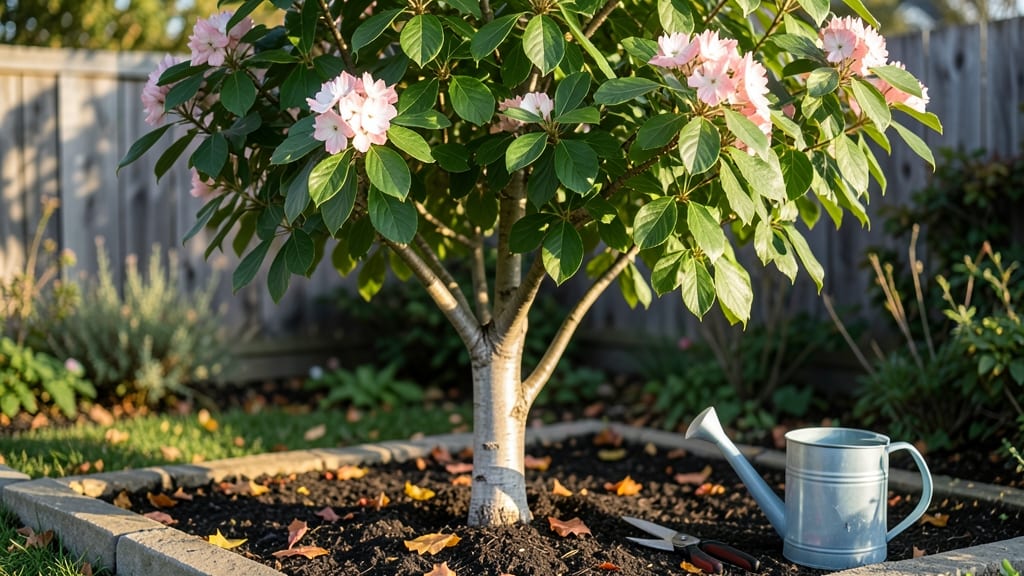
That dogwood tree near me in the Pacific Northwest’s damp hills was the first I ever saw in bloom—its soft pink bracts glowing like lanterns against the mist. These trees aren't just beautiful; they're tough, thriving where others falter, and perfect for creating that "wow" moment in your yard.
Finding the right dogwood near you starts with knowing your local nurseries or reputable online sellers specializing in Pacific Northwest varieties. Look for Cornus nuttallii (Pacific dogwood) or Cornus florida (flowering dogwood) if you want those iconic spring blooms, or Cornus sericea (red-osier dogwood) for winter interest.
Most thrive in zones 6-9, so check your hardiness zone before buying—it makes all the difference.
Once planted, these trees become the backbone of your garden design. Use them as a focal point near patios, or let them anchor a shady border where their glossy leaves add texture year-round.
Pair them with ferns, hostas, or rhododendrons for a layered, lush effect that feels effortlessly polished. The best part? They handle pruning like a champ, so shaping them is a breeze.
If you're in the PNW, start your search at local nurseries like Willamette Valley Nursery or Swansons Nursery—they carry region-specific varieties that perform best in our climate. For online options, check Fast-Growing-Trees.com or ProvenWinners. Your garden's vertical jewel is just a search away!
📚 In This Guide
- What you need
- Instructions
- Tips and common mistakes
- Wrapping up and next steps
What you need
- ● Pruning shears: Bypass pruners (sharp, 6-8 inch blades) for small branches.
- ● Loppers: For medium branches (2-4 inch cut capacity).
- ● Pruning saw: For thick branches (8+ inch diameter).
- ● Gloves: Heavy-duty, cut-resistant gloves to protect your hands.
- ● Disinfectant: 70% isopropyl alcohol or a 10% bleach solution (to sterilize tools between cuts).
- ● Rubbing alcohol or hydrogen peroxide: For cleaning wounds on the tree.
- ○ Pruning sealant (optional but helpful): For sealing large cuts (e.g., Tanglefoot Tree Wound Pruning Seal).
- ● Ladder or step stool: Sturdy, tall enough to reach the tree’s canopy safely.
- ● Trash bags or bucket: For collecting pruned branches and debris.
- ● Hand saw: For branches too thick for loppers.
- ● Pole pruner: If your dogwood is tall and branches are out of reach.
- ● Tree wound dressing: For extra protection on large cuts (controversial but useful in some cases).
- ● Work gloves: For handling larger debris or rough bark.
- ● Safety glasses: To protect your eyes from flying debris.
How to select and plant a Pacific Northwest dogwood tree
This stunning tree thrives in our region’s climate—here’s how to choose and establish one for years of spring color.
Choose the Right Variety for Your Site
Pacific Northwest dogwoods (Cornus nuttallii and Cornus florida cultivars) shine in zones 6-8, where they handle our cool, damp winters beautifully. For maximum impact, select a cultivar suited to your space: ‘Pacific Sunset’ (vibrant pink blooms) thrives in partial shade, while ‘Cherokee Brave’ (red flowers) tolerates full sun. I always check the mature height—some varieties reach 20-25 feet, while dwarf types like ‘Stellar Pink’ stay under 10 feet.
Look for 1-3 gallon container-grown trees at local nurseries—they establish faster than bare-root stock in our wet climate. Avoid trees with yellowing leaves or oozing bark, as these signal stress or disease. The best time to shop is late winter to early spring, when roots are dormant but new growth is imminent.
Prepare the Planting Site for Optimal Growth
Dogwoods prefer well-draining, slightly acidic soil (pH 5.0-6.0), which mimics their native understory habitats. If your soil is heavy clay, amend the planting hole with 2-3 inches of compost mixed into the native soil—this improves aeration without overwhelming the roots. The hole should be twice as wide as the root ball but only as deep.
Site selection is critical: Morning sun with afternoon shade is ideal, especially in hotter inland PNW areas. Avoid low spots where water pools—dogwoods hate soggy roots. I always test drainage by digging a 12-inch deep hole nearby and filling it with water; if it doesn’t drain within 4-6 hours, raise the planting mound or choose a different spot.
Plant with Care to Ensure Strong Establishment
Gently remove the tree from its container and loosen any circling roots with your fingers—this prevents girdling as the tree matures. Place it in the hole so the top of the root ball sits 1-2 inches above ground level; dogwoods are prone to rot if planted too deeply. Backfill with native soil mixed with compost, tamping lightly every 6 inches to eliminate air pockets.
Water deeply right after planting to settle the soil, then create a 2-3 inch deep mulch ring (using 3-4 cubic feet of mulch) around the base, keeping it 6 inches away from the trunk. This conserves moisture and regulates soil temperature—critical in our region’s fluctuating spring weather. Avoid piling mulch against the trunk, which can cause rot.
Provide Consistent Care for First-Year Success
Newly planted dogwoods need 1 inch of water weekly during the first growing season, delivered either through rainfall or supplemental watering. I check soil moisture by pushing a finger 2 inches deep—if it feels dry, water thoroughly until it seeps into the root zone. Overhead watering can spread fungal diseases, so use a soaker hose or drip irrigation instead.
Fertilize lightly in early spring with a balanced 10-10-10 formula (about ½ cup per tree), but skip fertilizer in the first year if your soil was amended properly. Dogwoods are sensitive to over-fertilization, which leads to weak growth and disease susceptibility. Prune only to remove any broken branches or crossing limbs—never shape the tree in its first year.
Protect and Maintain for Long-Term Beauty
Pacific Northwest dogwoods are relatively pest-resistant, but anthracnose fungus can be an issue in our damp climate. Prevent outbreaks by ensuring good air circulation (prune strategically) and avoiding overhead watering. If you notice black spots on leaves in spring, apply a copper fungicide as a preventive measure.
Once established, dogwoods require minimal care—just annual mulch renewal and pruning in late winter to remove dead wood. The real magic happens in late spring, when the tree bursts into bloom. I always mark the planting date on my calendar; watching the first flowers open is the best part of the process.
Tips & tricks for perfect Pacific Northwest dogwood planting
Here's what nobody tells you about getting your dogwood to thrive in our region's tricky climate—these are the details that separate a struggling sapling from a showstopping specimen.
Cultivar Selection Insight: When choosing between Cornus nuttallii and Cornus florida cultivars, consider your microclimate. The native nuttallii handles our wet winters better but may need afternoon shade in hotter inland areas, while florida cultivars like 'Cherokee Brave' tolerate more sun but require excellent drainage. I've found that 'Pacific Sunset' strikes the perfect balance for most PNW yards—its pink blooms stand out against our evergreen backdrop while requiring minimal fuss.
Root Preparation Strategy: The moment you remove your container-grown dogwood from its pot, gently tease apart any circling roots with your fingers—this prevents girdling that can strangle the tree as it matures. I use a small hand fork to carefully separate the root ball if it's particularly compacted. Remember, the goal is to mimic natural root spread, not create a tangled mess. This step is especially critical in our damp climate where roots need room to breathe and avoid waterlogging.
Drainage Test Technique: That 4-6 hour drainage test in Step 2 is non-negotiable in our region. If water disappears too quickly, you're dealing with sandy soil that won't retain moisture—amend with 25% compost by volume. If it lingers beyond 6 hours, raise your planting mound by at least 6 inches or consider a different location. I've seen too many dogwoods fail in low spots where our winter rains turn to standing water. The key is finding that Goldilocks zone where water drains just right—not too fast, not too slow.
Mulching Mastery: The 2-3 inch mulch ring you create should be thought of as insulation, not decoration. Use only organic mulches like cedar chips or bark that will break down slowly, maintaining that critical 6-inch clearance from the trunk. In our climate, I recommend applying a fresh 1-2 inch layer each spring to replenish the moisture-retaining layer. This isn't just about looks—proper mulching can mean the difference between a tree that survives and one that thrives during our unpredictable spring weather.
Pro Tips for Dogwood Tree Near Me
- Here's what nobody tells you about getting your dogwood to thrive in our region's tricky climate—these are the details that separate a struggling sapling from a showstopping specimen.
- Cultivar Selection Insight: When choosing between Cornus nuttallii and Cornus florida cultivars, consider your microclimate.
- Root Preparation Strategy: The moment you remove your container-grown dogwood from its pot, gently tease apart any circling roots with your fingers—this prevents girdling that can strangle the tree as it matures.
Frequently asked questions
Got questions about finding, planting, or caring for dogwood trees in the Pacific Northwest?
Here are some of the most common queries—and answers—to help you get started or troubleshoot like a pro.
Where can I find dogwood trees near me in the PNW?
Dogwood trees thrive in the Pacific Northwest! Check local nurseries (like Willamette Nursery or Swansons Nursery), botanical gardens (e.g., Portland Japanese Garden), or online retailers like Fast-Growing-Trees.com. Pro tip: Visit in early spring for the best selection before blooming season!
When is the best time to plant a dogwood tree in the PNW?
Plant dogwoods in the early spring (March–April) or fall (September–October) for optimal root establishment. Avoid extreme heat or frost. In the PNW’s mild climate, fall planting is ideal—soak the roots before transplanting and mulch heavily to protect from winter chill.
How do I prune a dogwood tree to encourage blooms?
Prune right after flowering (late spring) to avoid cutting off next year’s buds. Remove dead, diseased, or crossing branches first, then thin out 10–20% of the canopy for airflow. Never prune in fall—it can stimulate late growth vulnerable to frost. Use sterilized tools to prevent disease!
Are dogwood trees frost-resistant in the PNW, or do I need to protect them?
Most PNW dogwoods (like Cornus nuttallii) are hardy to USDA Zones 5–8, but young trees or Kousa dogwoods may need light frost cloth in harsh winters. Water deeply before the first freeze, and mulch 3–4 inches around the base. Native species like Pacific dogwood are tougher—just avoid soggy soil!
What are some low-maintenance alternatives to dogwoods for PNW gardens?
If dogwoods seem high-maintenance, try these PNW-friendly alternatives:
- Viburnum (e.g., Viburnum plicatum) – Stunning blooms, deer-resistant.
- Serviceberry (Amelanchier) – Edible berries, spring flowers, and fall color.
- Oregon grape (Mahonia) – Evergreen, drought-tolerant, and pollinator-friendly.
- Red twig dogwood (Cornus sericea) – Native, winter interest, and wildlife magnet.
All thrive in similar conditions but with less fuss!
Wrapping up and next steps
Ready to transform your Pacific Northwest garden into a stunning display with frost-resistant dogwood trees? 🌿 These vertical jewels bring year-round beauty, from delicate spring blooms to vibrant fall foliage.
With the right tools, timing, and care, you’re well on your way to pruning success—keeping your dogwoods thriving for seasons to come.
Now that you’re equipped with pro tips and answers to common questions, take the next step: schedule your pruning session on a calm, dry day! Whether you’re a first-timer or a seasoned gardener, every snip brings you closer to a breathtaking landscape. Happy pruning! ✂️🌸