
Pruning
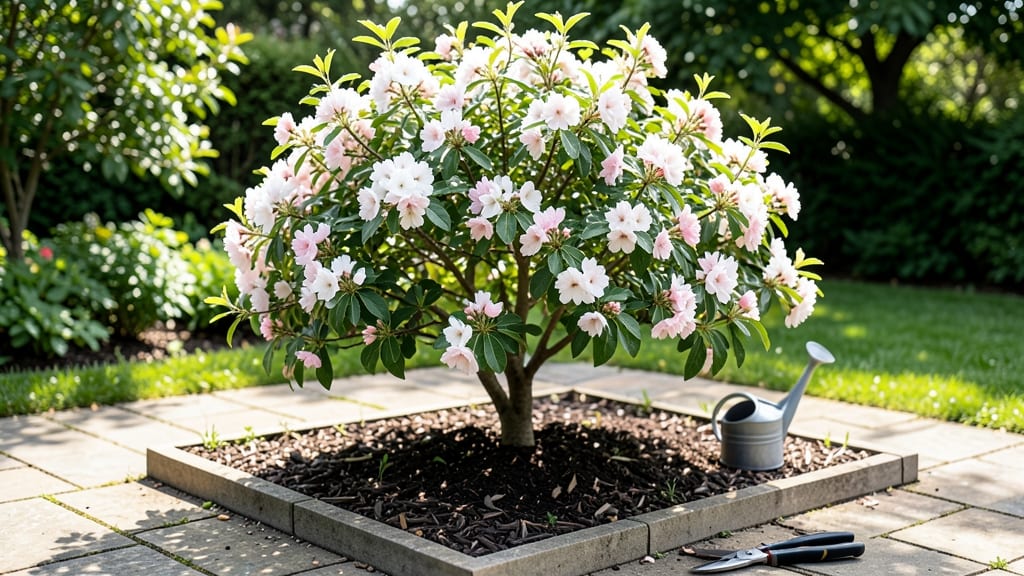
Your donut peach tree’s flower power depends on one critical move: strategic pruning that turns sparse blooms into a Pacific Northwest spectacle. 🌸 I’ve watched my own tree go from a sad winter skeleton to a spring canvas of pink blossoms—all because I learned when and how to cut.
The secret isn’t harsh trimming; it’s about opening the tree’s center to sunlight and air, which is exactly what those "donut-shaped" branches create.
You’ll need sharp pruners, a ladder (for higher branches), and a clear day to work—no need for fancy tools, just clean cuts at a 45-degree angle. The best time? Late winter or early spring, when the tree is still dormant but about to burst into growth.
This timing ensures you’re not removing next year’s flower buds hidden in last year’s wood. Even if your tree is small, the same rules apply: thin out crowded branches first, then shape the outer canopy.
What you’ll end up with is a tree that blooms so densely you’ll need a second pair of hands to count the flowers. The scent alone—sweet and heavy, like a springtime secret—will draw bees from blocks away.
And yes, the fruit that follows (if it’s a fruiting variety) will be sweeter because the tree put energy into fewer, stronger branches. The Pacific Northwest’s damp winters mean you’ll need to watch for fungal issues, but proper pruning cuts down on that too.
This method works for both ornamental varieties and dwarf fruit trees, though fruiting types need slightly more care to balance blooms and harvest. Whether you’re dealing with a backyard "donut peach" or a full-sized tree, the same principles apply.
Let’s get those branches in shape before the buds even think about waking up.
📚 In This Guide
- What you need
- Instructions
- Tips and common mistakes
- Wrapping up and next steps
What you need
- ● Pruning shears: Bypass pruners (sharp, clean, and sterilized—think blank">Fiskars or blank">Felco models) for small branches.
- ● Loppers: 1–2 pairs (8–12" blades) for thicker branches (½"–1.5" diameter). Tip: Look for ratcheting handles for extra leverage! 💪
- ● Pruning saw: 1 curved-bladed saw (for branches >1.5" thick). blank">Ahksaw or blank">Pruners & Tools are great picks.
- ● Disinfectant: 70% isopropyl alcohol or a blank">commercial pruning sealant (e.g., Tanglefoot or Pruning Wax) to prevent disease.
- ● Gloves: Heavy-duty, cut-resistant gloves (e.g., blank">Ansell or blank">Marigold) to protect from thorns and sap.
- ● Ladder: Extendable aluminum ladder (16–20 ft) for tall trees. Safety first! Use a stabilizer if needed. ⚠️
- ● Buckets/tubs: 2–3 (one for clippings, one for disinfectant, one for clean tools).
- ● Twine or zip ties: For temporary branch support if needed.
- ● Weather check: Prune on a dry, calm day (avoid rain/frost). Ideal temps: 50–75°F.
- ● Tree health assessment: Inspect for pests/disease (e.g., peach leaf curl) before pruning. Treat if necessary!
- ○ Optional: Handheld leaf blower (for clearing debris post-prune).
- ● Garden hose (to rinse tools between cuts).
- ● Notebook/pencil (to sketch pruning plan or track progress).
- ● Mulch (2–3 inches of blank">wood chips or pine straw) for post-prune soil protection.
Step-by-Step guide to pruning donut peach trees for continuous blooms
Here's how I keep my Pacific Northwest peach trees flowering year-round with simple, seasonal pruning.
✂️ Step 1: Prune for Airflow in Late Winter
Start your work in late winter when the tree is still dormant but just before buds begin swelling. This is the best time because the tree isn't actively growing, so it won't bleed sap excessively. Use clean, sharp pruning shears to remove any dead, diseased, or crossing branches first—these are your top priorities. You'll know a branch is dead if it's brittle, lacks bark, or snaps easily when bent.
Next, look for branches that are growing inward or rubbing against each other. These compete for energy and can create wounds where pests or diseases might enter. Cut these back to an outward-facing bud or branch. I always make my cuts at a 45-degree angle, about ¼ inch above a bud that faces the direction I want the branch to grow. This encourages healthy regrowth and better airflow through the tree's canopy.
☀️ Step 2: Thin the Canopy for Sunlight in Early Spring
Once the tree has leafed out in early spring, focus on thinning the canopy to let sunlight reach the center of the tree. Donut peach trees need plenty of light to produce those abundant flowers, so don't be shy about removing some branches. Aim to open up the tree so light can penetrate to the inner 2/3 of the canopy. This is where you'll often find weak, shaded branches that never produce fruit or flowers.
Look for branches that are too close together—remove the weaker of the two to give the stronger one more space and resources. You'll also want to remove any "water sprouts," which are those fast-growing, vertical shoots that pop up everywhere. These saplings steal energy from the main tree and rarely produce fruit. Cut them back to a lateral branch or bud. After pruning, step back and admire your tree—you should see an open, balanced structure that lets light and air move freely.
🌿 Step 3: Light Pruning After Flowering
After the tree has finished blooming and the fruit begins to set, give it a light pruning to encourage another round of flowers later in the season. This is where you'll focus on shaping the tree and removing any suckers that have sprouted at the base. Suckers are those vigorous shoots growing from the roots or trunk—these need to be cut back to the ground immediately. They drain energy from the main tree and can become a tangle of unwanted growth.
At this stage, you're also looking for any branches that are overcrowded or producing small, poor-quality fruit. Thin these out to improve air circulation and fruit quality. I like to leave the healthiest, most productive branches and remove any that are weak, diseased, or producing fruit that's too small or misshapen. This helps the tree focus its energy on producing larger, better-quality fruit—and more flowers for next season.
⏰ Step 4: Summer Maintenance Pruning
During the summer months, keep an eye out for any new growth that needs attention. This is the time to remove any branches that are growing too vigorously or in the wrong direction. You'll also want to prune back any branches that have produced fruit, cutting them back to a lateral branch or bud. This encourages the tree to produce new growth, which can then flower in the following season.
Pay special attention to any branches that are damaged by pests, disease, or storm damage. Remove these immediately to prevent the spread of problems. I also like to do a little "deadheading" of any spent flowers that haven't produced fruit. While peach trees aren't like annual flowers, removing these spent blooms can encourage the tree to put more energy into producing new flowers and fruit. By the end of summer, your tree should look tidy, healthy, and ready for another round of blooms in the fall or early winter.
Tips & tricks for pruning donut peach trees
Here's what I've learned after years of keeping my Pacific Northwest peach trees blooming all season long.
Timing is Everything: Late winter pruning (just before buds swell) is critical—this is when your tree is dormant and won't bleed sap excessively. I always check the weather forecast and schedule my pruning for a dry, calm day to prevent stress on the tree. In Step 1, focus on removing dead branches first—they're like open wounds that invite pests and diseases. Use clean, sharp pruning shears to make precise cuts at a 45-degree angle, about ¼ inch above an outward-facing bud. This technique encourages healthy regrowth and better airflow.
Canopy Vision: In Step 2, when thinning the canopy for sunlight, step back frequently to visualize the tree's structure. You're aiming for an open, balanced shape where light can reach the inner 2/3 of the canopy. I like to remove one branch for every two that remain—this prevents overcrowding and ensures all branches get adequate sunlight. Don't be afraid to remove water sprouts (those fast-growing vertical shoots) completely—they're energy vampires that rarely produce fruit. Cut them back to a lateral branch or bud to redirect the tree's energy where you want it.
Seasonal Shape Shifting: After flowering (Step 3), focus on shaping the tree and removing suckers at the base. These root sprouts can become a tangled mess if left unchecked. I always cut them back to the ground immediately—they're like weeds stealing nutrients from your main tree. For branches that have produced fruit, cut them back to a lateral branch or bud to encourage new growth that can flower later in the season. This light pruning helps the tree redirect its energy toward producing more flowers and better-quality fruit.
Summer Maintenance: During summer (Step 4), keep an eye out for any branches growing in the wrong direction or too vigorously. These can block sunlight and air circulation. I also do a little "deadheading" of spent flowers that haven't produced fruit—this might sound odd for a tree, but it helps the tree focus its energy on producing new blooms rather than maintaining old ones. Pay special attention to any branches damaged by pests or storms—remove them immediately to prevent the spread of problems.
Pro Tips for Donut Peach Tree Flower
- Here's what I've learned after years of keeping my Pacific Northwest peach trees blooming all season long.
- Timing is Everything: Late winter pruning (just before buds swell) is critical—this is when your tree is dormant and won't bleed sap excessively.
- Canopy Vision: In Step 2, when thinning the canopy for sunlight, step back frequently to visualize the tree's structure.
Frequently asked questions
Got questions about keeping your donut peach tree blooming beautifully in the Pacific Northwest? You’re not alone! Here are some of the most common concerns—and their answers—to help you nurture those stunning flowers year-round.
When is the best time to prune my donut peach tree for flowers?
Prune your donut peach tree after flowering (late spring to early summer) to avoid cutting off next year’s blooms. Light shaping can happen in late winter (before buds swell), but avoid heavy cuts then—focus on removing dead or crossing branches. Pro tip: Use sharp pruners to prevent disease!
Will pruning my donut peach tree hurt its flowers?
Not if done right! Over-pruning (removing more than 25% of foliage) can stress the tree and reduce flowers. Stick to selective cuts—focus on dead wood, water sprouts, and branches blocking sunlight. Healthy trees reward you with more blooms the next season!
How do I encourage more flowers on my donut peach tree?
Boost blooms with these tricks:
- Feed in early spring with a balanced fertilizer (10-10-10).
- Water deeply but consistently—drought stress cuts flowers.
- Thin out dense branches to improve air circulation.
Bonus: Mulch around the base to retain moisture and reduce competition.
Can I prune my donut peach tree in fall or winter?
Fall pruning is risky—it can stimulate new growth that won’t harden off before frost. Winter pruning (before buds break) is okay for light maintenance, but avoid heavy cuts. Wait until late winter (when temps are above freezing) for best results.
What if my donut peach tree isn’t flowering at all?
Check these common culprits:
- Age: Young trees (under 3 years) may focus on growth over blooms.
- Over-fertilizing with nitrogen (promotes leaves, not flowers).
- Poor sunlight: Donut peach trees need 6+ hours of sun daily.
- Disease or pests: Inspect leaves for spots or chewed edges.
If the issue persists, consult a local arborist—your tree might need a rejuvenation prune!
Wrapping up and next steps
Your donut peach tree doesn’t have to be a one-season wonder—with the right pruning techniques, it can burst into vibrant blooms year after year, especially in the Pacific Northwest’s mild climate! 🌸 By mastering seasonal trimming, balancing growth, and addressing common issues like frost damage or overgrowth, you’re not just maintaining a tree—you’re nurturing a stunning focal point for your garden.
The key is consistency and patience; soon, you’ll be rewarded with abundant, healthy flowers that turn heads (and maybe even donuts!). Now that you’re armed with knowledge, grab those pruners and get started!
Begin with a fresh assessment of your tree this spring, and watch as your efforts bloom into a thriving, picturesque centerpiece. Happy pruning—your peach tree (and future donuts) will thank you! 🍑✨