
Pruning
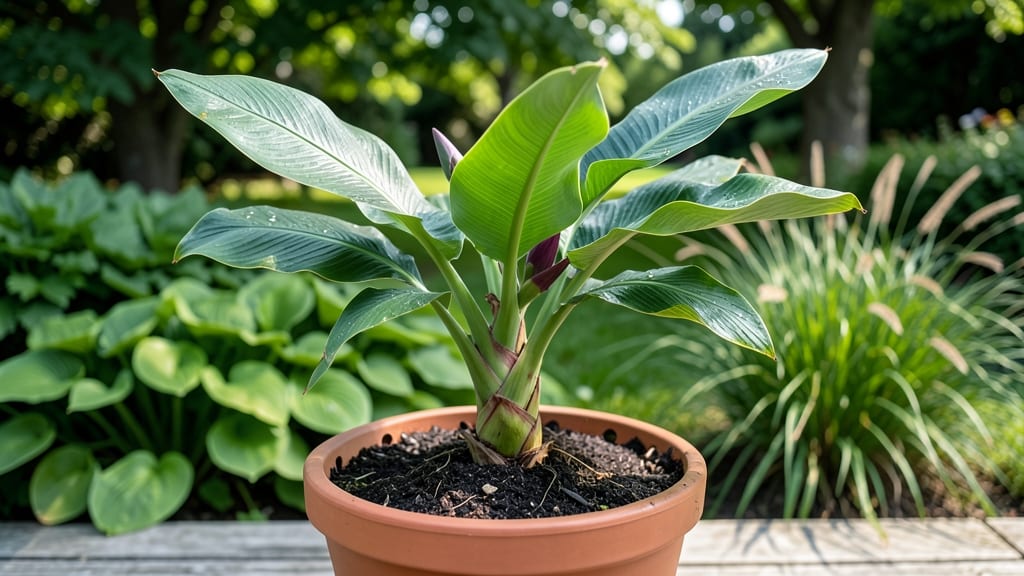
Growing an edible banana tree in cold climates is trickier than it seems, but I’ve done it—and so can you. 🌿 The key is choosing cold-hardy varieties like the Dwarf Cavendish or Ice Cream Banana, which can survive brief frosts if protected properly.
My first attempt ended in a frozen stump, but now I’ve got a thriving 6-foot plant in a 20-gallon pot that produces fruit every year.
You’ll need rich, well-draining soil with plenty of organic matter, plus a spot that gets at least 6 hours of sunlight daily. In colder zones, container growing is your best bet—bring the pot indoors before temperatures drop below 30°F.
Fertilize monthly with a balanced formula during growing season, and water deeply when the top inch of soil feels dry. Overwatering is the #1 killer of banana trees, so let the soil dry slightly between waterings.
By summer’s end, you’ll be harvesting sweet, creamy bananas straight from your porch or patio. The first fruit might be small, but with proper care, your plant will mature and reward you with dozens of bananas per season.
Even in Zone 5, this is totally doable—just follow the cold-climate tweaks I’ve perfected over the years.
Whether you’re growing in a greenhouse, a sunny balcony, or a sheltered corner of your yard, this method adapts easily. The biggest mistake beginners make? Skipping winter prep—so let’s fix that right now. You’re about to unlock a tropical harvest without the tropical climate.
📚 In This Guide
- What you need
- Instructions
- Tips and common mistakes
- Wrapping up and next steps
What you need
- ● Banana plant (Musa spp.): Choose a cold-hardy variety like Musa acuminata or Musa balbisiana hybrids (e.g., 'Ice Cream' or 'Red Dacca'). Purchase a 1-2 year old plant from a nursery (avoid grocery store bananas—they’re not edible!).
- ● Container (if growing indoors/outdoors in pots): Minimum 15–20 gallon pot (diameter ≥ 18 inches) with drainage holes.
- ○ Fabric grow bag (optional): 20–30 gallon size for better root aeration.
- ● Potting mix: 50% coconut coir or peat moss + 30% perlite/pumice + 20% compost (well-draining and slightly acidic, pH 5.5–6.5).
- ● Soil amendments (for in-ground planting): Compost (5–10 lbs) mixed into the top 12 inches of soil.
- ● Organic matter: Leaf mold or aged manure (avoid fresh manure).
- ● Fertilizer: Balanced organic fertilizer (10-10-10 or 5-5-5): 1–2 tablespoons per foot of plant height, applied every 4–6 weeks during growing season.
- ● Potassium-rich fertilizer (e.g., banana-specific blend): Boosts fruit production (use mid-season).
- ● Mulch: 3–4 inches of straw or wood chips to retain moisture and regulate temperature.
- ● Pruning tools: Bypass pruners (for clean cuts on pseudostems).
- ● Sterilized knife or saw (for larger stems, if needed).
- ● Garden gloves (banana sap can irritate skin!).
- ● Microclimate control: Protect from frost (use row covers, greenhouse, or move pots indoors when temps drop below 30°F (-1°C)).
- ● Provide full sun (6+ hours/day) or bright indirect light (south-facing window for containers).
- ● Watering setup: Drip irrigation or soaker hose (banana trees hate soggy roots but need consistent moisture).
- ● Watering can (5+ gallons) for container plants.
- ○ Optional but helpful: Heat lamp or space heater (for indoor overwintering).
- ● Humidity tray (if growing indoors in dry climates).
- ● Trellis or stake (to support heavy pseudostems).
Step-by-step guide to growing an edible banana tree in cold climates
Here's how to bring tropical harvests to your yard—even when frost is a threat.
🪴 Step 1: Choose the Right Variety and Container
Start with a cold-hardy banana variety like Musa basjoo or Musa acuminata, which tolerate temperatures down to 20°F with proper protection. If planting in containers, use a 15-gallon pot with drainage holes—banana trees need room for their roots to spread.
Fill the bottom third of the pot with a mix of garden soil and coarse sand to improve drainage. The rest should be a blend of peat moss and compost for moisture retention. I always add a handful of slow-release fertilizer at planting to give the tree a nutrient boost right away.
☀️ Step 2: Plant in the Warmest Spot and Protect from Frost
Banana trees thrive in full sun (6+ hours daily), so place them in the warmest part of your yard, near a south-facing wall or patio. If you live in a zone colder than Zone 8, move the pot indoors or into a garage during winter—just keep it near a bright window or under grow lights.
Here's the thing—banana trees hate cold roots. If you're planting in the ground, dig a hole twice as wide as the root ball and mix in mulch or straw to insulate the soil. For container plants, wrap the pot in bubble wrap or frost cloth once temperatures drop below 40°F at night.
💧 Step 3: Water Deeply and Fertilize Regularly
Banana trees love moisture but can't handle soggy roots. Water deeply 2-3 times per week until water drains from the bottom of the pot or soil. You'll know it's time when the top 2 inches of soil feel dry to the touch. Overwatering leads to yellow leaves—soak the soil, then let it dry slightly between waterings.
Feed your banana tree every 4-6 weeks during growing season with a balanced liquid fertilizer (10-10-10). I also sprinkle compost tea around the base monthly to boost microbial activity. Stop fertilizing in late summer to encourage dormancy before winter.
✂️ Step 4: Prune and Harvest for Maximum Yield
Remove any dead or yellowing leaves by cutting them back to the base with clean pruners. This keeps the plant healthy and directs energy to new growth. If your banana tree produces suckers (small shoots at the base), thin them to 2-3 strongest stems—this prevents overcrowding and ensures bigger fruit.
Harvest bananas when the fruit turns fully yellow with a few brown spots. They won’t ripen further off the plant, so pick them at peak ripeness. If you miss the window, store them in a paper bag at room temperature for 3-5 days to finish ripening. Real talk: Your first harvest might be small, but each year the plant grows stronger and produces more.
Tips & tricks for perfect edible banana tree cultivation
Real talk: Growing bananas in cold climates takes extra care—but these tricks make all the difference.
Cold Protection: Don't wait until the first frost to protect your banana tree! Start wrapping container pots in bubble wrap or frost cloth when nighttime temperatures dip below 40°F. For ground-planted trees, add an extra layer of mulch or straw around the base in late fall. I've seen trees survive 20°F with these precautions—just don't cut corners on insulation.
Sunlight Strategy: Banana trees need that 6+ hours of full sun daily, but if your yard has limited sunlight, consider using reflective surfaces like white walls or mirrors to bounce extra light onto the plant. Even a few extra hours of indirect sunlight helps during shorter winter days. Position your tree near a south-facing wall for maximum warmth too.
Watering Wisdom: The 2-3 times per week watering schedule works best when you water deeply until it drains from the bottom. Here's the thing: banana trees hate soggy roots, so always let the top 2 inches of soil dry out between waterings. Yellow leaves? That's your sign you're overwatering. I use a moisture meter to check soil dryness—it's worth the investment.
Fertilizer Timing: That 4-6 week feeding schedule during growing season is key, but don't fertilize after late summer. The 10-10-10 balanced liquid fertilizer gives everything your tree needs, but adding compost tea monthly gives an extra microbial boost. Stop fertilizing in late summer to help the tree prepare for dormancy—this prevents tender new growth that can't handle winter cold.
Pro Tips for Edible Banana Tree
- Real talk: Growing bananas in cold climates takes extra care—but these tricks make all the difference.
- Cold Protection: Don't wait until the first frost to protect your banana tree!
- Sunlight Strategy: Banana trees need that 6+ hours of full sun daily, but if your yard has limited sunlight, consider using reflective surfaces like white walls or mirrors to bounce extra light onto the plant.
Frequently asked questions
Got questions about growing or harvesting edible banana trees in colder climates? You’re not alone! Here are some of the most common queries—and their answers—to help you thrive with your tropical harvest.
Can I grow an edible banana tree in a pot if I live in a cold climate?
Many varieties like the Musa acuminata or Musa balbisiana thrive in large containers (15+ gallons). Just use well-draining soil, a sunny spot, and bring it indoors or to a greenhouse when temperatures drop below 50°F (10°C). Overwintering in pots makes it easy to protect your plant from frost.
How long does it take for a banana tree to produce edible fruit?
Patience is key! Most edible banana trees take 1.5 to 3 years to bear fruit from planting, depending on the variety and growing conditions. Dwarf varieties (like Dwarf Cavendish) may fruit sooner—sometimes within 12–18 months—while larger types take longer. Keep your plant healthy with proper water, fertilizer, and sunlight to speed up the process.
What do I do if my banana tree flowers but doesn’t produce fruit?
Don’t worry—this is common! Banana trees need cross-pollination (or hand-pollination) to set fruit. If your tree flowers but no bananas appear, gently transfer pollen from the male flowers (smaller, at the base) to the female flowers (larger, at the top) using a soft brush or cotton swab. Also, ensure your plant gets enough potassium and phosphorus for fruiting.
How cold can a banana tree tolerate before it dies?
Most edible banana trees cannot survive frost—even light freezes (32°F/0°C) can damage leaves and roots. If temperatures drop below 40°F (4°C), take protective measures: mulch the base, wrap the trunk, or move potted plants indoors. Hardy varieties like Musa acuminata colla may tolerate brief dips to 28°F (-2°C), but prolonged cold will still harm the plant.
Are there any non-toxic alternatives if my banana tree fails to produce?
Yes! If your banana tree struggles, consider these cold-hardy tropical plants that offer edible parts:
- Pineapple sage (Salvia elegans) – Edible leaves and flowers (great for tea or cooking).
- Citrus trees (like Meyer lemon) – Thrive in pots and produce fruit in cooler climates.
- Dwarf papaya – Some varieties tolerate mild winters with protection.
- Edible ginger – Grows well in containers and produces rhizomes for cooking.
Wrapping up and next steps
Growing an edible banana tree in cold climates is entirely possible with the right care and preparation! 🌱 Whether you're a seasoned gardener or a curious beginner, these tropical beauties can thrive in your backyard with proper pruning, protection, and patience.
The key takeaway? With a little effort, you’ll soon be harvesting your own sweet, homegrown bananas—even in chilly regions.
Ready to take the next step? Start by selecting the perfect variety for your climate, then gather your supplies and dive into pruning and winter prep. Your tropical harvest is just around the corner—get growing! 🌎✨