
Trees
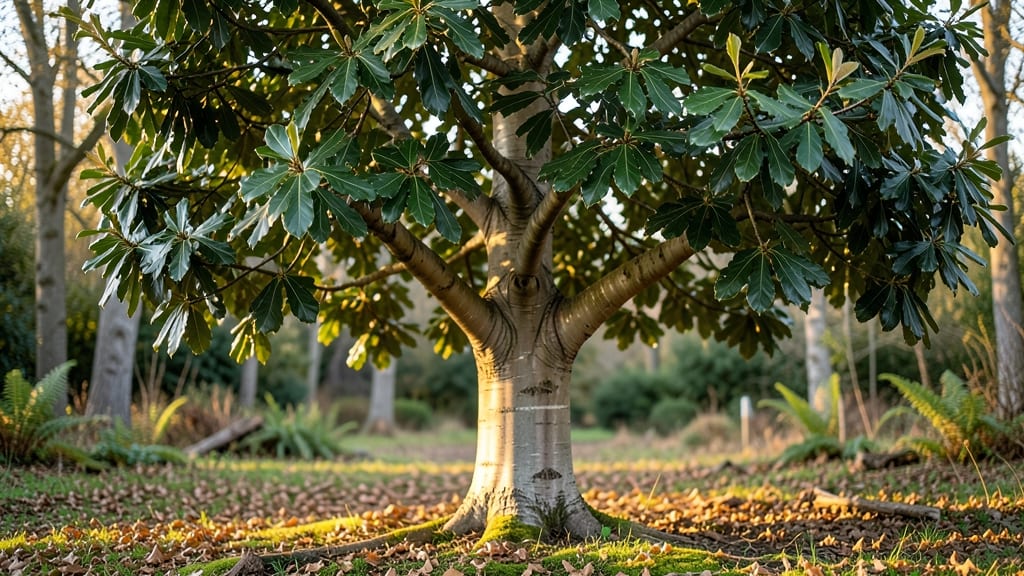
The elegant, deep-green leaves of European beech trees transform Pacific Northwest gardens into serene, sun-dappled retreats—especially in shady spots where other trees struggle. I’ve watched my own beech’s foliage turn from glossy summer green to fiery bronze in autumn, creating a show that lasts months longer than maples.
That’s the magic of Fagus sylvatica: it thrives where others fade, offering year-round structure and seasonal drama without demanding full sun.
Here’s the secret to keeping those leaves lush and healthy: well-draining, slightly acidic soil (think leaf mold mixed with compost) and minimal pruning—just enough to open the canopy for understory plants.
Beech trees handle shade like champions, but they’ll reward you with denser foliage if you give them morning sun and afternoon shade, especially in the PNW’s damp summers. The real work?
Watching for beech leaf disease (a fungal threat) and beech scale—both show up as sticky residue or yellowing leaves, but they’re treatable with horticultural oil if caught early.
📚 In This Guide
- What you need
- Instructions
- Tips and common mistakes
- Wrapping up and next steps
What you need
- ● European beech tree saplings (Fagus sylvatica): 1–3 plants (depending on desired spacing—15–20 feet apart for mature trees).
- ● Choose nursery-grown, disease-resistant varieties (e.g., 'Dawyck' or 'Purpurea' for purple foliage).
- ● Garden tools: Shovel or digging spade (for planting).
- ● Pruning shears (to shape young trees).
- ○ Garden gloves (optional but highly recommended for protection!).
- ● Soil amendments (if needed): Compost or well-rotted manure (to improve drainage in heavy PNW soils).
- ● Mulch (3–4 inches of wood chips or bark to retain moisture).
- ● Watering supplies: Hose with a gentle spray nozzle or watering can.
- ○ Drip irrigation system (optional for long-term care).
- ● Leaf collection tools: Pruners or a rake (for harvesting fallen leaves in autumn).
- ● Crafting supplies: Twine, frames, or biodegradable pots (if making leaf art or decorations!).
- ● Soil pH tester (to ensure slightly acidic to neutral soil (pH 6.0–7.0)).
- ● Tree stakes and ties (for young saplings in windy PNW areas).
How to cultivate and maintain European beech trees in Pacific Northwest gardens
This shade-loving giant thrives in the PNW's damp climate with minimal fuss—here's how to nurture its iconic foliage.
Select the Ideal Planting Location
The European beech (Fagus sylvatica) demands partial shade to full shade—critical for the Pacific Northwest's frequent overcast days. Choose a spot with dappled sunlight where the canopy receives morning sun but afternoon shade, especially in hotter microclimates. Avoid areas where afternoon sun would dry the soil too quickly or bake the roots.
Test the site by observing how sunlight moves through the space over a week. Beech trees develop best where the ground remains consistently moist but well-drained. In the PNW, this often means planting near natural woodland edges or under existing mature trees that create a filtered light environment. The tree's broad, rounded canopy will eventually cast its own shade, so plan for 20-30 feet of clearance for mature spread.
Prepare the Soil for Optimal Growth
European beeches prefer rich, acidic soil with a pH between 5.0 and 6.5. Before planting, amend the native soil with 3-4 inches of organic matter—such as well-composted leaf mold or a mix of peat moss and compost—to improve drainage while retaining moisture. The PNW's natural acidity often works in your favor, but a soil test confirms whether lime addition is needed.
Dig a hole twice as wide as the root ball but no deeper. Loosen the sides of the hole to encourage root spread. If your soil drains poorly, add a 6-inch layer of coarse sand or gravel at the bottom to create a drainage layer. Gently place the tree in the hole, ensuring the root flare (where roots meet the trunk) sits 1-2 inches above ground level—this prevents rot while allowing roots to access moisture.
Plant and Establish the Tree Properly
Backfill the hole with the amended soil, tamping lightly every 6 inches to remove air pockets. Water deeply to settle the soil around the roots, then create a 4-inch-high berm around the base to direct water toward the root zone. Mulch with 3-4 inches of wood chips or shredded bark, keeping it 6 inches away from the trunk to prevent moisture buildup that causes rot.
Water the tree twice weekly for the first 3 months, providing 10-15 gallons per watering to encourage deep root growth. In the PNW's humid climate, you'll notice the tree's glossy, wavy-edged leaves emerge in early spring—this is your signal that establishment is progressing well. Avoid heavy pruning during this phase; focus instead on removing only dead or crossing branches to maintain the tree's natural form.
Maintain Long-Term Health and Foliage
Mature European beeches in the PNW require minimal intervention once established, but their distinctive copper-bronze foliage in spring and deep green leaves in summer demand consistent moisture. Water deeply every 2-3 weeks during dry spells, aiming for 1 inch of water per week. The tree's deep root system makes it drought-tolerant once mature, but young trees benefit from regular hydration.
Fertilize lightly in early spring with a balanced, slow-release fertilizer (10-10-10) applied at half the recommended rate. Over-fertilizing can lead to excessive leaf growth at the expense of structural strength. Prune only to remove deadwood or shape the canopy—never to "thin" the dense foliage, as this disrupts the tree's natural shade-providing structure. Watch for signs of beech leaf disease, which is rare in the PNW but manifests as yellowing or curling leaves; treat promptly with a fungicide if detected.
Tips & tricks for perfect European beech tree cultivation
These insights will help you cultivate a thriving European beech tree that showcases its iconic foliage in Pacific Northwest gardens.
Site Selection Strategy: When evaluating potential planting locations, prioritize areas with existing mature trees or natural woodland edges—these create the ideal dappled sunlight conditions. I recommend observing the site for at least a week to track sunlight patterns, especially during late afternoon when the PNW can experience unexpected warmth. The goal is to find that perfect balance where morning sun energizes growth while afternoon shade prevents soil drying.
Soil Preparation Insight: The 3-4 inches of organic matter specified is crucial, but don't overlook the importance of proper layering. For areas with particularly heavy clay soils common in the PNW, consider adding a 6-inch sand layer at the bottom of the planting hole before backfilling. This creates essential drainage while maintaining moisture retention—the tree's sweet spot for root development. I've found that incorporating well-composted leaf mold creates an ideal texture that mimics the tree's native European forest conditions.
Establishment Care: The initial 3-month watering schedule of twice weekly with 10-15 gallons per session requires consistency, but timing matters just as much as quantity. I recommend watering in the early morning to allow foliage to dry completely before evening—a critical factor in preventing fungal diseases in the humid PNW climate. The glossy, wavy-edged leaves you'll see emerging in spring are your visual confirmation that the tree is establishing properly.
Long-Term Maintenance: While mature trees become drought-tolerant, the 2-3 week watering schedule during dry spells should be adjusted based on visual cues rather than strict timing. Look for slight wilting at leaf edges as your signal to water deeply. The key is maintaining that consistently moist but well-drained condition—the tree's secret to vibrant foliage. And remember, the 1 inch per week guideline is a target, not an absolute, especially during our unpredictable PNW weather patterns.
Pro Tips for European Beech Tree Leaves
- These insights will help you cultivate a thriving European beech tree that showcases its iconic foliage in Pacific Northwest gardens.
- Site Selection Strategy: When evaluating potential planting locations, prioritize areas with existing mature trees or natural woodland edges—these create the ideal dappled sunlight conditions.
- Soil Preparation Insight: The 3-4 inches of organic matter specified is crucial, but don't overlook the importance of proper layering.
Frequently asked questions
Got questions about European beech tree leaves? You’re not alone! Here are answers to the most common queries—whether you're planning a garden, troubleshooting issues, or just curious about this stunning tree.
When is the best time to plant European beech trees in the Pacific Northwest?
The ideal time to plant European beech trees (Fagus sylvatica) is in early spring (March–April) or early fall (September–October). This gives roots time to establish before summer heat or winter frost. Avoid planting in late fall or mid-summer when stress is higher.
Why are my European beech leaves turning brown or yellow?
Brown or yellow leaves can stem from overwatering, underwatering, or fungal diseases like beech leaf disease. Check soil moisture—beech trees prefer well-draining soil. If fungus is suspected, remove affected leaves and consider copper fungicides or pruning for airflow. Act fast to prevent spread!
Are European beech leaves toxic to pets or children?
No, European beech leaves are non-toxic to pets and humans. However, the seeds (mast) can cause mild stomach upset if ingested in large quantities. Always supervise kids/pets around trees with edible parts, just to be safe.
How do European beech leaves compare to native Pacific Northwest trees like bigleaf maple?
European beech leaves are smoother, darker green, and more oval-shaped than bigleaf maple’s palmate lobes. Beech leaves stay glossy longer and turn coppery-brown in fall, while maple leaves blaze bright red/orange. Beech is also shade-tolerant, making it great for layered gardens.
Can I use European beech leaves for mulch or compost?
Yes! Beech leaves make excellent mulch—they’re slow to break down but retain moisture well. For compost, chop them first to speed decomposition. Avoid overloading your pile, as they’re low in nitrogen. Mix with greens (like grass clippings) for balance.
Wrapping up and next steps
The European beech tree brings timeless beauty and resilience to Pacific Northwest gardens, thriving in shade and adding year-round elegance with its stunning foliage. Whether you're drawn to its glossy green leaves or its graceful form, this shade-tolerant gem is a fantastic choice for landscapes where light is limited. 🌿
Ready to transform your garden? Start by researching local nurseries or reputable suppliers to source a healthy sapling, and don’t forget to prep your soil for its long-term success.
With the right care, your beech tree will reward you with decades of lush, serene shade—perfect for creating a peaceful outdoor retreat!