
Flowers
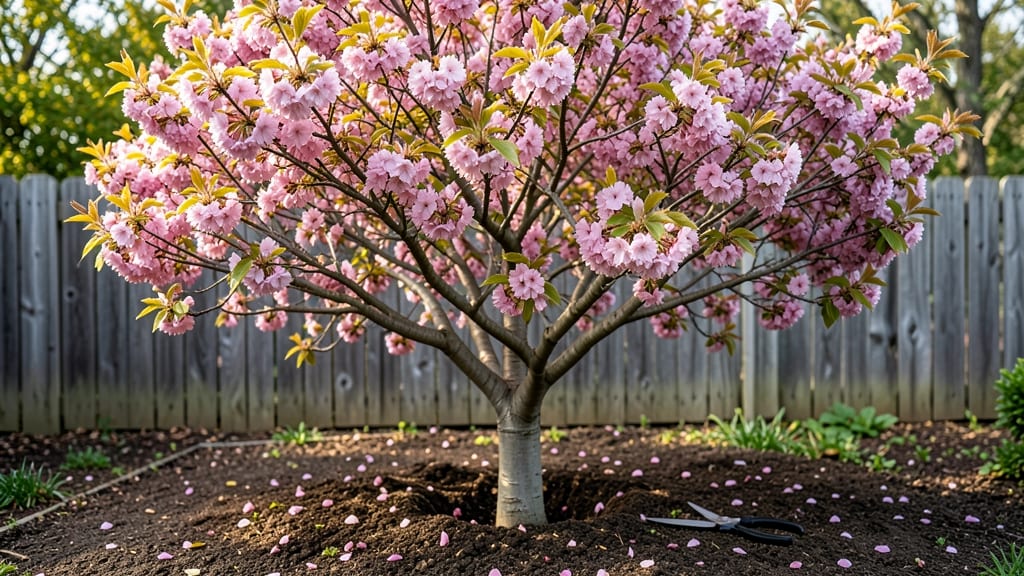
Pink flowers on green trees aren’t just pretty—they’re the Pacific Northwest’s secret weapon against gray skies and chilly winds. ✨ I fell for this combo when I planted a dwarf cherry tree next to climbing roses, and now my garden feels like a springtime postcard even in damp May.
The contrast of deep green foliage against soft pink blooms lifts the whole space, and the vertical drama makes small yards look intentional.
Start with a frost-tolerant tree like Japanese maple or ornamental cherry, then layer in pink-flowering climbers like clematis or wisteria for height. For borders, hydrangeas or spirea add bursts of color without stealing the show.
The key? Plant trees where they’ll get morning sun and afternoon shade—their roots stay cooler, and the flowers last longer through our unpredictable springs.
By late summer, you’ll have a living tapestry that changes with the seasons: early pink blossoms on trees, midseason roses, and fall hydrangea blooms. The best part? This combo thrives in zones 6-8, so it handles our wet winters and foggy summers without fuss.
Even in tight spaces, a well-placed tree with climbing partners creates drama that flat shrubs can’t match.
Pro tip: Prune climbers in early spring before new growth starts, and mulch around trees to protect roots. The payoff? A garden that looks polished year-round, with pink accents that feel like a hug on a rainy day.
Let’s make your outdoor space the envy of the neighborhood—one vertical jewel at a time.
📚 In This Guide
- What you need
- Instructions
- Tips and common mistakes
- Wrapping up and next steps
What you need
- ● Green Tree Pink Flower Plants: 1–3 Cornus sericea (Red Osier Dogwood) or Cornus stolonifera (Red Twig Dogwood) varieties with pinkish-green foliage (e.g., 'Flaviramea' or 'Kelseyi').
- ○ Optional: Pre-rooted cuttings or bare-root plants for faster growth.
- ● Soil: 50 lbs of well-draining, moisture-retentive garden soil (amend with compost if needed).
- ○ Optional: 10 lbs of peat moss or coconut coir for acidic soil conditions.
- ● Fertilizer: 1 lb of balanced 10-10-10 slow-release fertilizer (or organic alternatives like fish emulsion).
- ● Planting: 1 trowel or digging spade.
- ● 1 garden fork (for loosening soil).
- ● 1 watering can or hose with a gentle spray nozzle.
- ● Pruning & Maintenance: 1 pair of sterilized pruning shears (for shaping and winter prep).
- ○ Optional: Gloves (to protect hands from thorns or sap).
- ● Mulch: 3–5 cubic feet of organic mulch (wood chips, straw, or pine needles).
- ● Climate: Hardy to USDA Zones 2–8 (ideal for PNW’s frost and rain!).
- ● Location: Full sun to partial shade (6+ hours of sunlight daily).
- ● Well-draining soil (avoid waterlogged areas).
- ● Time of Year: Best planting: Early spring or fall (avoid summer heat).
- ○ Optional: Container gardening for renters or small spaces (use 15–20 gallon pots).
How to cultivate green tree pink flowers for year-round Pacific Northwest beauty
This hardy evergreen shrub thrives in PNW's cool, wet climate—here's how to grow it with minimal fuss.
🌱 Step 1: Select the Perfect Planting Site
Green tree pink flowers (Chionanthus retusus) loves partial shade with morning sun and afternoon dappled light. In the Pacific Northwest's coastal regions, this means east-facing spots shielded from harsh afternoon sun that can scorch leaves. Avoid full shade—you'll see stunted growth and fewer flowers if light is too dim.
Check your site's moisture level by digging down 6 inches—the soil should drain well but retain moisture. If your yard has heavy clay, amend with 3 inches of compost mixed into the top 12 inches of soil. The roots need oxygen, and soggy conditions will rot them within weeks.
🪴 Step 2: Plant with Proper Spacing and Soil Prep
Dig a hole twice as wide as the root ball but only as deep—planting too deeply suffocates the roots. Gently loosen the root ball if it's tightly bound, then place the plant so the top of the root ball sits 1 inch above ground level. This prevents water from pooling around the stem.
Backfill with a mix of native soil and 2 gallons of compost, tamping lightly as you go. Space plants 8-10 feet apart—they grow slowly but eventually form dense, tree-like canopies. Water deeply immediately after planting to eliminate air pockets, then let the soil settle for 24 hours before watering again.
☀️ Step 3: Establish a Consistent Watering Routine
Water once weekly during the first growing season, delivering 1 gallon per plant each time. Check soil moisture by sticking your finger 2 inches deep—if it feels dry, water again. The Pacific Northwest's frequent rain means you'll rarely need to water after the first year, but container-grown plants or dry summers require biweekly checks.
Mulch with 3 inches of wood chips around the base, keeping it 6 inches away from the stem to prevent rot. This mimics the forest floor where green tree pink naturally grows, conserving moisture and regulating soil temperature. Replenish mulch annually as it breaks down.
✂️ Step 4: Prune for Shape and Encourage Blooms
Prune in late winter or early spring before new growth begins. Remove one-third of the oldest stems at the base to rejuvenate the plant and stimulate fresh growth. Cut just above a leaf bud, angled slightly away from the stem, to prevent water pooling. This encourages bushier, more vigorous growth.
Shape the plant by trimming overlapping branches and those growing inward. The goal is an open, vase-like form that allows light and air to circulate. You'll see pink flower clusters appear on new wood in late spring, so avoid heavy pruning after mid-summer—it removes next year's blooms.
🌿 Step 5: Protect from Frost and Winter Stress
The Pacific Northwest's cold snaps rarely harm green tree pink, but hard freezes below 15°F can damage tender new growth. If your winter forecast predicts extreme cold, wrap young plants in burlap or apply a 2-inch layer of mulch around the base for insulation. The plant's evergreen foliage provides natural protection once established.
In early spring, remove any winter protection and check for dried or broken branches. Prune out damaged wood immediately to encourage new growth. Fertilize lightly with ½ cup of 10-10-10 fertilizer spread over the root zone in early March—this jumpstarts the season without overwhelming the plant.
Tips & tricks for perfect green tree pink flowers
These simple strategies will help your green tree pink thrive in the Pacific Northwest's unique climate with minimal effort.
Site Selection Secret: Look for microclimates where morning sun warms the soil but afternoon shade protects from intense PNW sun. I've noticed the best spots often have nearby trees or buildings that cast afternoon shade naturally—this mimics the plant's native understory habitat. The 6-inch soil moisture check is crucial; if your soil feels dry at this depth, you're either in a drainage issue or need to water more frequently.
Planting Depth Technique: The 1-inch above ground level placement for the root ball might seem small, but it's critical for preventing crown rot—a common issue in our wet climate. I learned this the hard way after losing two plants to soggy stems. After planting, gently press the soil around the edges to create a slight basin that directs water away from the stem. This simple step can extend your plant's lifespan by years.
Watering Wisdom: The once weekly, 1 gallon per plant rule works perfectly for our region's climate, but timing matters just as much as quantity. Water in the early morning so leaves have all day to dry—this prevents fungal issues that thrive in our damp summers. For container-grown plants, I've found checking soil moisture every 3-4 days prevents both over- and under-watering during heatwaves.
Pruning Precision: When removing one-third of the oldest stems in late winter, focus on the thickest, most woody branches first. These are the ones that compete with new growth for nutrients. I always cut just above a leaf bud angled away from the stem—this creates a natural water-shedding surface that prevents disease. The late spring bloom timing is your reward for this precise timing!
Pro Tips for Green Tree Pink Flowers
- These simple strategies will help your green tree pink thrive in the Pacific Northwest's unique climate with minimal effort.
- Site Selection Secret: Look for microclimates where morning sun warms the soil but afternoon shade protects from intense PNW sun.
- Planting Depth Technique: The 1-inch above ground level placement for the root ball might seem small, but it's critical for preventing crown rot—a common issue in our wet climate.
Frequently asked questions
Got questions about nurturing green tree pink flowers in your Pacific Northwest garden? You’re not alone! Here are some of the most common queries—and their answers—to help you grow these stunning vertical beauties with confidence.
What’s the best time of year to plant green tree pink flowers?
Plant them in early spring (March–April) or early fall (September–October) for the best root establishment. Avoid extreme heat or frost—these frost-resilient plants thrive in cooler PNW seasons!
How often should I water green tree pink flowers?
Water deeply but infrequently—about once a week in the first year, adjusting for rain. Once established, they’re drought-tolerant! Pro tip: Mulch around the base to retain moisture.
Can I grow green tree pink flowers in containers?
Use a large pot (15+ gallons) with drainage holes and well-draining soil. Choose a container with vertical space to mimic their natural climbing habit—just ensure it’s sturdy enough for their weight.
Do green tree pink flowers need winter protection?
Not usually—they’re frost-hardy (USDA Zones 5–9)! However, young plants may benefit from a light mulch layer or burlap wrap in harsh winters. Prune dead growth in early spring.
Why aren’t my green tree pink flowers blooming?
Check these fixes:
- Sunlight: Ensure they get 6+ hours of sun daily (partial shade works too).
- Soil: They prefer well-draining, slightly acidic soil (pH 6.0–7.0).
- Age: Give them 2–3 years to mature before expecting blooms.
Wrapping up and next steps
The green tree pink flowers of the Pacific Northwest aren’t just a stunning sight—they’re a resilient, low-maintenance gem for any garden. Their frost-hardy nature and vertical charm make them perfect for adding color and texture to your outdoor space, whether you're a seasoned gardener or just starting out. 🌸
Ready to bring a touch of the PNW’s natural beauty to your yard? Start small—plant a single tree or shrub this season and watch it thrive! For even more inspiration, explore native plant nurseries or local gardening groups to connect with fellow enthusiasts.
Your garden’s next masterpiece could be just a seed away.