
Trees
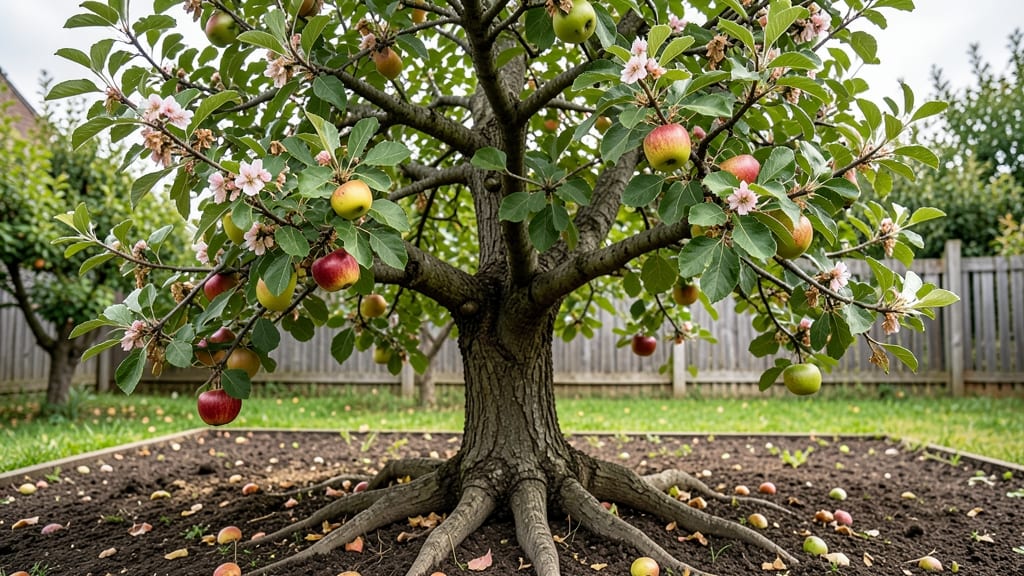
Growing apple trees in your backyard means fresh, homegrown fruit in just a few short years—though the real magic happens when you pick the right variety for your climate.
I planted my first tree last spring, and now I’m watching it grow with the kind of patience that only pays off with a full harvest. The key isn’t just digging a hole; it’s choosing a dwarf or semi-dwarf tree that fits your space and thrives where you live.
You’ll need a sunny spot with well-draining soil, a sturdy container or hole big enough for the roots, and a little elbow grease for mulching and watering.
My tree gets 1-2 inches of water per week, and I’ve learned the hard way that skipping pruning in the first year leads to tangled branches later. The payoff? Juicy apples by year 4 or 5, depending on the variety.
Pests like aphids and apple scab can be a nuisance, but a layered defense—neem oil sprays, proper spacing, and regular checks—keeps them in line. Even if you mess up a season, apple trees are forgiving.
With the right care, you’ll end up with a tree that not only produces fruit but becomes the centerpiece of your yard.
Whether you’re in a small urban lot or a spacious rural plot, these steps adapt easily. Start small, stay consistent, and in a few years, you’ll be sharing your homegrown harvest with neighbors. The wait is worth it—trust me, I’ve been there.
📚 In This Guide
- What you need
- Instructions
- Tips and common mistakes
- Wrapping up and next steps
What you need
- ● Apple tree saplings: Choose disease-resistant varieties (e.g., Honeycrisp, Fuji, or Granny Smith) from a local nursery. Quantity: 1–3 trees (for cross-pollination, pick two compatible varieties).
- ● Shovel or spade: For digging holes (12–18 inches wide and deep).
- ● Garden fork or tiller: To loosen soil (especially if compacted).
- ● Compost or well-aged manure: 5–10 gallons per tree to enrich soil.
- ● Mulch (wood chips, straw, or pine bark): 2–3 inches thick to retain moisture and suppress weeds.
- ● Drip irrigation system or hose with spray nozzle: For consistent watering (apples need ~1–2 inches/week).
- ○ Tree stakes (optional but helpful): 2–3 stakes per tree for support during growth.
- ● Pruning shears: Sharp, bypass-style shears (for shaping and removing dead branches).
- ● Fruit tree fertilizer: Balanced 10-10-10 or organic options like alfalfa meal.
- ● Tree guards or wire mesh: To protect young trees from pests (e.g., deer or rabbits).
- ● Sunlight: A spot with 6+ hours of direct sun daily (full sun = sweeter apples!).
- ● Well-draining soil: Test pH (ideal: 6.0–7.0); amend with lime if needed.
- ● Space: Plant trees 15–25 feet apart (dwarf varieties can be closer).
- ● Water access: A nearby spigot or irrigation setup for deep watering.
- ● Patience: Apple trees take 3–5 years to bear fruit—plan ahead! 🍎
Step-by-step guide to planting and caring for backyard apple trees
Here's the straightforward method I've used to grow healthy, productive apple trees in my own yard.
🌱 Step 1: Choose the Right Variety and Planting Location
Select disease-resistant apple varieties suited to your climate zone. Standard dwarf trees (6-8 feet tall) work well for backyards and produce fruit in 3-5 years. Plant in full sun (at least 6-8 hours daily) with well-draining soil—apple trees hate soggy roots.
Test your soil's pH before planting. Apples thrive in slightly acidic soil (pH 6.0-7.0). If your soil is too alkaline, amend it with 2-3 pounds of elemental sulfur per 100 square feet and mix it into the top 12 inches of soil. Avoid planting near large trees or buildings that could compete for nutrients or cast shade.
🪴 Step 2: Prepare the Planting Hole and Set the Tree
Dig a hole twice as wide as the tree's root ball but no deeper. The top of the root ball should sit 1-2 inches above ground level—this prevents water from pooling around the trunk. Loosen the sides of the hole with a shovel to help roots spread into surrounding soil.
Gently remove the tree from its container and inspect the roots. If they're circling or tightly bound, use your fingers to tease them outward. Place the tree in the hole so the graft union (the bump near the base where the scion was attached) is 2-3 inches above soil level. This protects against future frost damage.
💧 Step 3: Backfill, Water, and Mulch Properly
Fill the hole with the removed soil, tamping down lightly every 4-6 inches to eliminate air pockets. Water deeply (5-10 gallons) to settle the soil around the roots. Avoid compacting the soil too firmly—you want it loose enough for roots to penetrate easily.
Spread 3-4 inches of organic mulch (wood chips or straw) in a 3-foot diameter circle around the tree, keeping it 3-4 inches away from the trunk. Mulch helps retain moisture and regulates soil temperature. Water again to settle the mulch and encourage root growth. Young trees need 1 inch of water per week during the first growing season.
☀️ Step 4: Prune and Protect for the First Year
Prune your young apple tree immediately after planting to remove any broken, crossing, or diseased branches. Use clean, sharp pruners to make cuts just above a bud or branch collar. Remove no more than 25% of the tree's foliage—this ensures it has enough energy to establish roots.
Install a tree guard or wire cage around the trunk to protect against rodents and deer. Wrap the trunk with tree wrap (not plastic wrap) to prevent sunscald during the first winter. Avoid fertilizing the first year—your tree's energy should focus on root development, not fruit production.
⏰ Step 5: Maintain Through the First Three Years
Monitor your tree for signs of stress, like yellowing leaves or stunted growth. These often indicate nutrient deficiencies or pests. In early spring, apply a balanced fertilizer (10-10-10) at ½ pound per 100 square feet of soil area. Water deeply after fertilizing to help nutrients reach the roots.
Thin out fruit in year 3 to improve size and quality. Remove 50% of the blossoms in late winter or early spring to reduce strain on the tree. This also prevents branches from breaking under the weight of heavy fruit. Continue pruning annually to maintain an open canopy and improve air circulation.
Tips & tricks for growing thriving backyard apple trees
Planting apple trees is just the beginning—these practical tips will help you avoid common pitfalls and maximize your tree's potential for years of harvests.
Variety Matters: When selecting your dwarf apple tree, look for varieties that pollinate each other. Many apple trees need a second variety nearby for proper fruit set. For example, if you plant 'Honeycrisp,' consider adding 'Golden Delicious' or 'Granny Smith' within 50 feet. I learned this the hard way after planting a single variety and wondering why my tree never produced fruit!
Soil Preparation Secret: Before planting, mix in 2-3 pounds of compost with the soil you remove from the hole. This improves drainage and provides essential nutrients right from the start. For heavier clay soils, add 1 part sand to 3 parts soil to create a well-draining mix. The goal is to mimic the tree's natural forest floor environment where roots can breathe and spread easily.
Watering Wisdom: The first year is critical for root establishment. After planting, water deeply every 3-4 days during dry spells to encourage deep root growth. In Step 3, when you apply 3-4 inches of mulch, keep it moist but not soggy—think of it like a sponge that gradually releases water to the roots. I've seen trees wither when overwatered, so always check soil moisture before watering again.
Pruning Pro Tip: When you prune in Step 4, focus on creating an open center with branches spaced 12-18 inches apart. This improves air circulation and sunlight penetration, which reduces disease risk. Remove any suckers (shoots growing from the base) immediately—they drain energy from fruit production. I use a pair of clean, sharp pruners and always sterilize them with rubbing alcohol between cuts to prevent spreading disease.
Pro Tips for Growing Apple Trees In Backyard
- Planting apple trees is just the beginning—these practical tips will help you avoid common pitfalls and maximize your tree's potential for years of harvests.
- Variety Matters: When selecting your dwarf apple tree, look for varieties that pollinate each other.
- Soil Preparation Secret: Before planting, mix in 2-3 pounds of compost with the soil you remove from the hole.
Frequently asked questions
Got questions about growing apple trees in your backyard? You’re not alone! Here are some of the most common concerns—and their solutions—to help you grow confidently.
What’s the best type of apple tree for small backyards?
Choose dwarf or semi-dwarf varieties (like ‘Red Delicious’ or ‘Honeycrisp’) to save space. They mature faster and fit well in containers or tight spots. Avoid standard-sized trees unless you have ample room!
How long does it take for an apple tree to bear fruit?
Most backyard apple trees produce fruit in 3–5 years, but some dwarf varieties (like ‘Gala’) may fruit in just 2 years. Patience pays off—prune properly and fertilize regularly to speed up fruiting!
Can I grow an apple tree from a seed?
Technically yes, but not recommended for backyard growers. Seed-grown trees take 10+ years to fruit and may not match the parent tree’s flavor or traits. Buy grafted nursery trees for reliable results!
What pests or diseases should I watch for?
Common issues include apple maggots, aphids, and powdery mildew. Use neem oil or insecticidal soap for pests, and ensure good airflow to prevent fungal diseases. Regular inspections help catch problems early!
Do I need two apple trees for pollination?
Yes! Most apple trees require cross-pollination from a different variety. Plant two compatible trees (e.g., ‘Granny Smith’ + ‘Fuji’) within 50 feet for best results. Check your tree’s label for pollination partners!
Wrapping up and next steps
Growing apple trees in your backyard is a rewarding journey that combines patience, care, and a touch of magic—literally transforming a small sapling into a fruit-bearing giant! 🌱 With the right variety, soil, and sunlight, you’ll soon be enjoying homegrown apples in just 3-5 years.
Whether you’re a beginner or a seasoned gardener, every step—from choosing dwarf varieties to pruning and pest control—brings you closer to that sweet, crunchy payoff.
Ready to take the next step? Start small: pick a sunny spot, grab your tools, and plant that first tree this season! 🍏 Your future self (and taste buds) will thank you.