
Pruning
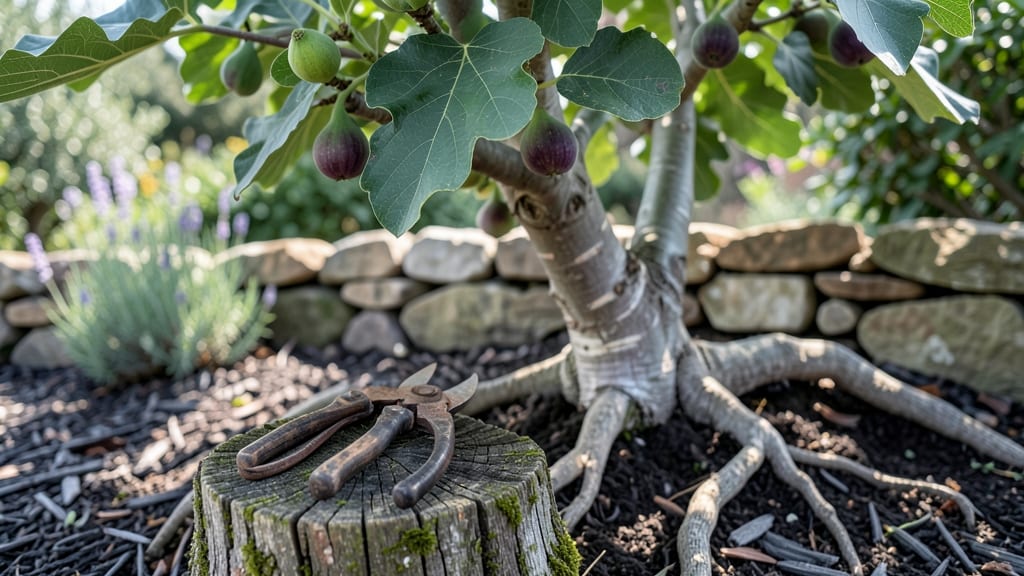
Cutting a fig tree properly turns a tangled mess into a fruit-bearing powerhouse—year-round abundance starts with the right cuts.
I’ve pruned figs for over a decade, and the difference between a neglected bush and a productive tree comes down to timing, technique, and avoiding those sap-slicked branches that stick like glue. The key?
Prune when the tree is dormant, shape strategically, and never cut in late summer unless you want to invite pests.
You’ll need sharp pruners, rubbing alcohol (to clean tools between cuts), and gloves—fig sap is sticky and can irritate skin. The best time is late winter or early spring, right before buds swell, but container-grown figs can handle light pruning anytime.
Start by removing dead, diseased, or crossing branches first; these are the easy wins that instantly improve airflow and sunlight. Every cut should aim for an outward-facing bud to encourage growth away from the center.
What you’ll end up with is a tree that produces heavier crops, fewer empty stems, and fruit you can reach without climbing. The first harvest after pruning is often the best—sweeter, riper figs that fall easily when ripe.
Just avoid heavy pruning in summer, or you’ll stress the tree and risk losing next year’s crop. Think of it like sculpting: less is more, and patience pays off in golden-brown figs by August.
This method works for both standard figs and dwarf varieties, whether you’re shaping a 20-foot tree or a patio-sized container fig. The principles stay the same—just scale the tools. Ready to transform that wild fig into a fruit machine? Let’s get those pruners sharp and start cutting.
📚 In This Guide
- What you need
- Instructions
- Tips and common mistakes
- Wrapping up and next steps
What you need
- ● Pruning shears: Sharp, bypass-style shears (for cuts up to ½ inch thick). Example: blank">Fiskars Ergo-Fit.
- ● Pruning saw: A curved-bladed saw for thicker branches (1–3 inches in diameter). Example: blank">Felco F-2.
- ● Loppers: For medium-sized branches (½–2 inches thick). Example: blank">Gonicc GL-10.
- ● Gloves: Heavy-duty, cut-resistant gloves (e.g., blank">Wolverine Waffle Grip) to protect hands from thorns.
- ● Disinfectant: 70% isopropyl alcohol or a blank">pruning sealant (like blank">Tanglefoot Tree Wound Pruning Seal) to prevent disease.
- ● Rope or ladder: If your tree is tall (6+ feet), use a sturdy ladder or extendable pole saw.
- ○ Marking twine or tape: To flag branches for removal (optional but helpful for complex cuts).
- ● Safety glasses: To shield eyes from debris.
- ● Work boots: With ankle support for stability.
- ● Tree bag or tarp: To collect fallen branches and leaves.
- ● Sharpie or paint: For marking cuts on branches (e.g., "X" for removal).
- ● First-aid kit: Just in case of minor cuts or scrapes.
Step-by-step instructions for pruning a fig tree
Here's the method I use to keep my fig trees healthy and productive—no guesswork, just clear cuts.
Choose the Right Time to Prune
Late winter or early spring, just before new growth begins, is the best time to prune. This gives the tree time to heal before summer heat stress. I wait until the ground thaws but before buds swell—usually February to March in most climates. Avoid pruning in fall or winter when the tree is dormant, as this can leave it vulnerable to disease.
If you must prune outside this window, do it after harvest in late summer. Just be prepared for slower recovery. Watch for leaf buds—when they start to plump up, it's time to sharpen your tools and get cutting.
Gather the Right Tools and Safety Gear
You'll need clean, sharp pruning shears for small branches and loppers for thicker limbs. A pruning saw handles the largest branches, and gloves protect your hands from thorns and sap. I always sanitize my tools with rubbing alcohol before and after pruning to prevent spreading disease.
Safety first: Wear long sleeves and eye protection—fig branches can be sharp, and sap can irritate skin. Keep a bucket or tarp nearby to collect debris, making cleanup easier later. Never prune when the tree is wet, as moisture can dull tools and make cuts messy.
Remove Dead, Diseased, or Crossing Branches
Start by inspecting the tree for dead wood—branches that are brittle, dark, or crumble when touched. These should be cut back to healthy growth. Next, look for diseased branches (yellowing, oozing sap, or fungal growth) and remove them entirely, cutting ½ inch above a healthy bud or branch collar.
Remove any branches that cross or rub against each other—these create wounds where pests and disease can enter. Thin out crowded branches to improve airflow and sunlight penetration. If a branch is too large to cut cleanly with shears, use the pruning saw and make the cut just outside the branch collar.
Shape the Tree for Airflow and Light
Figs thrive with good airflow, so aim to create an open, vase-like shape. Start by removing suckers—those small, vigorous shoots growing from the base or along the trunk. These drain energy from the main tree. Cut them back to the ground to encourage stronger central growth.
Next, prune back last year’s growth by about ⅓ to encourage bushier, more productive growth. Avoid cutting into old wood—figs fruit on new growth, so focus on shaping the current year’s branches. Step back occasionally to visualize the tree’s structure—you want sunlight to reach the center.
Clean Up and Monitor for Recovery
After pruning, rake up and dispose of all debris to reduce disease risk. Seal larger cuts with pruning sealant (optional but helpful for cuts over ½ inch thick) to protect the tree from pests and rot. Water the tree deeply to help it recover, especially if you pruned heavily.
Watch for new growth in 2-4 weeks—this is your sign the tree is healing. If you see yellowing leaves or oozing sap at the cuts, the tree may be stressed. In this case, reduce watering slightly and avoid fertilizing until new growth appears. Over the next season, you’ll notice thicker branches and more fruit.
Tips & tricks for pruning a fig tree
Pruning a fig tree properly can transform your harvest—here’s how to avoid common mistakes and get the best results every season.
Timing is Everything: The February to March window isn’t just ideal—it’s critical. Figs heal fastest when temperatures are cool but buds haven’t yet swollen. If you miss this window, pruning after harvest in late summer works, but expect slower recovery. I’ve seen trees stressed from late-winter pruning when buds were already plumping up—don’t make that mistake. Watch for those leaf buds to start swelling; that’s your cue to act.
Tool Sharpness Matters: Dull pruning shears don’t just make work harder—they tear branches instead of making clean cuts. Test your tools by cutting a piece of paper; if it doesn’t slice cleanly, sharpen them first. I keep a small file in my toolkit specifically for this. Clean cuts heal faster and look professional. For thicker limbs, use loppers—never force shears, or you’ll damage both the tool and the tree.
Pruning Technique for Health: When removing branches, always cut just outside the branch collar—the swollen area where the branch meets the trunk. This prevents the wound from sealing improperly, which can lead to rot. For diseased branches, cut back to healthy wood and sterilize your tools between cuts. I’ve seen fig trees develop fungal infections from improper cuts—don’t let that happen to yours. Remember, the goal is to encourage new growth, not create entry points for pests.
Recovery Monitoring: After pruning, watch for new growth in 2-4 weeks as your sign the tree is healing. If you notice yellowing leaves or oozing sap at the cuts, your tree is stressed. In this case, reduce watering slightly and avoid fertilizing until new growth appears. I’ve learned this the hard way—overwatering stressed trees can drown them. Think of it as giving your tree a chance to breathe and recover before pushing it again.
Pro Tips for Cut A Fig Tree
- Pruning a fig tree properly can transform your harvest—here’s how to avoid common mistakes and get the best results every season.
- Timing is Everything: The February to March window isn’t just ideal—it’s critical.
- Tool Sharpness Matters: Dull pruning shears don’t just make work harder—they tear branches instead of making clean cuts.
Frequently asked questions
Got questions about pruning your fig tree? You’re not alone—fig tree care can feel tricky! Below, we’ve tackled the most common concerns to help you prune with confidence and keep your tree thriving.
When is the best time to prune a fig tree?
Prune your fig tree in late winter or early spring (just before new growth starts) for the best results. Avoid pruning in fall or winter in cold climates, as this can stress the tree. If you’re in a mild zone, light pruning can happen year-round—but always avoid heavy cuts during frost or extreme heat.
Can I prune a fig tree in winter?
It depends on your climate! In warmer regions (Zones 8-11), light pruning is fine in winter. However, in colder zones (Zones 7 and below), wait until late winter or early spring to avoid frost damage. If you must prune in winter, do so on a mild day and avoid heavy cuts.
How much can I cut off a fig tree without harming it?
You can safely remove up to 30-40% of the tree’s canopy in one session, but avoid drastic cuts. Focus on dead, diseased, or crossing branches first, then thin out excess growth. Over-pruning can reduce fruit production, so err on the side of caution—especially for young trees.
What should I do if my fig tree isn’t producing fruit after pruning?
Lack of fruit often stems from over-pruning, poor sunlight, or nutrient deficiencies. Check these first:
- Ensure the tree gets 6+ hours of sunlight daily.
- Fertilize with a balanced citrus/fig tree fertilizer in early spring.
- Avoid cutting back fruit-bearing branches (look for swollen buds).
Do I need special tools to prune a fig tree?
While sharp pruning shears and a pruning saw are ideal, you can use basic tools like bypass pruners or even a hand saw for thicker branches. Just ensure everything is clean and sterilized (rubbing alcohol works) to prevent disease spread. Avoid dull tools—they tear branches, inviting infections.
Wrapping up and next steps
Cutting back your fig tree doesn’t have to be intimidating—with the right tools, timing, and technique, you’ll encourage healthier growth and bountiful harvests for years to come. 🌿 Whether you’re shaping young branches or reviving an overgrown tree, remember: patience and precision pay off in sweet rewards.
Now that you’re armed with knowledge, grab your pruners and transform your fig tree into a thriving fruit powerhouse!
🌱 Next Steps:
- Mark your calendar for late winter or early spring—the perfect time to prune.
- Observe your tree’s progress and adjust cuts as needed.
- Share your fig tree’s success (or questions!) with gardening communities for extra tips.