
Propagation
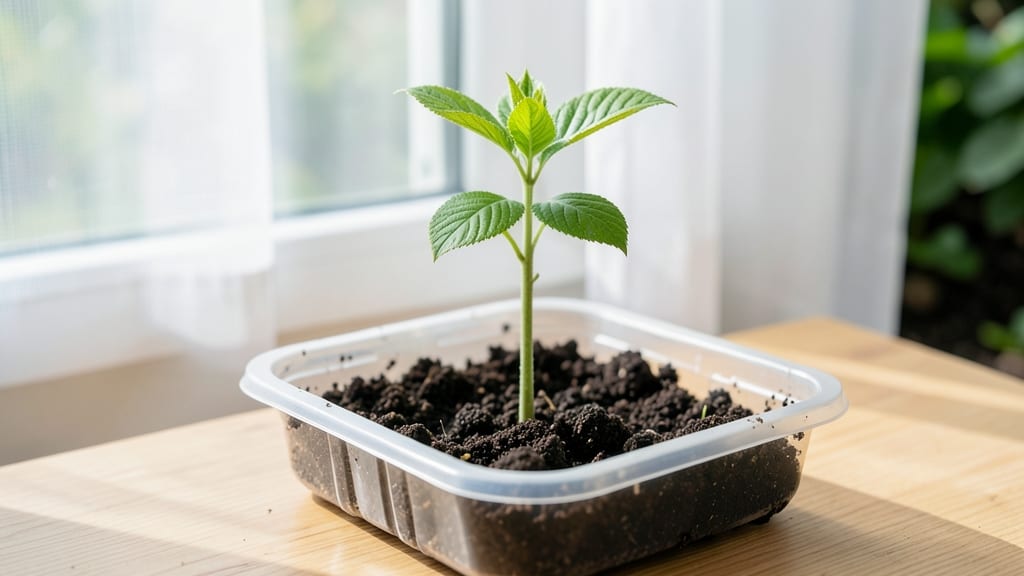
Growing a cherry tree from seed means trading fast results for a reward that tastes sweeter than anything you’d buy at the store—three years from now. 🌱 I started with a single pit from a grocery store cherry, and now my backyard has a tree that produces fruit every summer, proving that patience pays off in more ways than one.
The process isn’t complicated, but it does require time and the right conditions. You’ll need a sunny spot, well-draining soil, and a little extra care during the first few years to help your seedling grow strong.
Unlike nursery trees, seed-grown cherries might not fruit true to the parent, but the adventure of watching it grow from a tiny sprout to a tree is worth it.
By year three, you’ll see the first blossoms, and by year five, you could be harvesting your own cherries—juicy, sun-ripened fruit that tastes like summer in every bite.
The key is consistency: watering just enough to keep the soil moist but not soggy, and giving it space to stretch its roots deep into the earth.
This method works best for sweet cherries like Bing or Rainier, though sour cherries (like Montmorency) are easier to grow from seed. If you want fruit sooner, consider grafting later, but the journey is half the joy. Here’s how to get started right.
📚 In This Guide
- What you need
- Instructions
- Tips and common mistakes
- Wrapping up and next steps
What you need
- ● Cherry seeds – 3–5 fresh, plump seeds (harvested from ripe cherries, not store-bought).
- ● Well-draining potting mix – 1 small seed-starting tray (4–6 cell packs) or a shallow container (6"x6" minimum) with drainage holes.
- ● Plastic wrap or humidity dome – To create a mini greenhouse effect while germinating.
- ● Spray bottle with water – For gentle hydration (avoid overwatering!).
- ● Grow lights or sunny windowsill – A south-facing window or LED grow bulb (12+ hours/day) for seedlings.
- ● Small pots (3–4 inches) – For transplanting seedlings after sprouting.
- ● Balanced fertilizer (5-5-5 or 10-10-10) – A tiny pinch (¼ tsp) when seedlings are 3–4 inches tall.
- ● Pruning shears – For shaping the tree as it grows (sterilize with rubbing alcohol!).
- ● Patience (and a 3-year timeline!) – Cherry trees from seed take years to bear fruit.
- ● Seed stratification kit – Speeds up cold treatment (if your climate is warm).
- ● pH test kit – Ensures soil pH is 6.0–7.0 (cherry trees prefer slightly acidic soil).
- ● Mulch (wood chips or straw) – Protects young trees from temperature swings.
- ● Tree support stake – For windy areas (install when the tree is 2–3 feet tall).
- ● Journal or app (e.g., Gardenate) – Track growth stages and care notes!
Step-by-step instructions for growing a cherry tree from seed
Here's how to start your own cherry tree—just be ready for the long wait.
🌱 Step 1: Harvest and Stratify the Seeds
Collect fresh, firm cherries from a healthy tree (sweet cherries are best). Remove the pits and clean off any fruit flesh, then place them in a sealed container with slightly damp sand or peat moss. Store this mix in the refrigerator for 60-90 days—this cold treatment mimics winter and breaks seed dormancy.
I like to check the moisture level every two weeks. The sand should feel damp like a wrung-out sponge, not soggy. If your kitchen feels too warm, move the container to the coldest part of the fridge, usually near the back. This stratification step is critical—skipping it means your seeds may never sprout.
🌱 Step 2: Plant the Stratified Seeds
After stratification, fill small pots with sterile potting mix (not garden soil) and plant the seeds 1 inch deep. I use 4-inch pots for each seed—this gives roots room to establish before transplanting. Water gently until the soil surface looks damp but not wet, then place the pots in a warm spot (65-75°F) with bright, indirect light.
Keep the soil consistently moist but never soggy. You'll know it's right when the top inch feels dry to the touch after a few days. Germination can take 3-6 weeks, so patience is key. If you see mold, reduce watering slightly—too much moisture will rot the seeds before they sprout.
☀️ Step 3: Transplant and Care for Seedlings
Once seedlings develop 2-3 true leaves (not just the initial seed leaves), transplant them into individual 6-inch pots with fresh potting mix. Choose a sunny spot with at least 6 hours of sunlight daily, but avoid harsh afternoon sun until they're stronger. I harden off seedlings by moving them outside for short periods over 1-2 weeks before planting in the ground.
Water deeply when the top inch of soil feels dry, but don't let the roots sit in water. Young cherry trees are sensitive to root rot, so ensure pots have drainage holes. Fertilize lightly with a balanced 10-10-10 formula every 4-6 weeks during the growing season—too much fertilizer can burn tender roots.
🌿 Step 4: Prepare for Outdoor Planting
After 1 growing season (about 9-12 months from seed), your seedling will be ready for the garden. Choose a location with full sun and well-draining soil. Dig a hole twice as wide as the root ball but only as deep as the pot. Gently remove the seedling, loosen the roots if they're circling, and place it in the hole.
Backfill with soil, water deeply, and add 2-3 inches of mulch around the base to retain moisture. The first year is about establishing roots—don't expect fruit yet. Cherry trees grown from seed take 3-5 years to bear fruit, so focus on strong growth now. Prune any dead or crossing branches in early spring to encourage a sturdy structure.
Tips & tricks for growing a cherry tree from seed
Here's what nobody tells you about nurturing cherry seeds into thriving trees.
The Stratification Secret: Don't rush the 60-90 day cold treatment—this mimics winter conditions and is absolutely critical for breaking seed dormancy. I've seen seeds sprout after just 60 days, but some take the full 90 days. The key is consistency: check moisture every two weeks and keep that sand mix damp like a wrung-out sponge. Too much moisture causes mold, too little means no germination.
Seedling Survival Strategy: When your seedlings develop those first 2-3 true leaves (not the initial seed leaves), it's time to transplant to 6-inch pots. This is where most beginners lose their trees—root shock from improper transplanting. Gently loosen the roots if they're circling and use fresh sterile potting mix. The first year is all about root establishment, so don't expect fruit yet.
Sunlight and Temperature: Place your newly planted seeds in a warm spot (65-75°F) with bright, indirect light. Direct sunlight at this stage can scorch tender seedlings. I use a south-facing window with sheer curtains to filter the light. If you don't have ideal light, consider a grow light—seedlings need at least 6 hours of light daily to prevent leggy growth.
Outdoor Transition Timeline: The 1-2 week hardening off period before planting outdoors is crucial. Start with just 30 minutes outside on mild days, gradually increasing time. Watch for wilting—if it happens, bring the seedling back inside and try again the next day. This slow acclimation prevents shock when you finally plant in the garden after that first growing season.
Pro Tips for Grow A Cherry Tree From Seed
- Here's what nobody tells you about nurturing cherry seeds into thriving trees.
- The Stratification Secret: Don't rush the 60-90 day cold treatment—this mimics winter conditions and is absolutely critical for breaking seed dormancy.
- Seedling Survival Strategy: When your seedlings develop those first 2-3 true leaves (not the initial seed leaves), it's time to transplant to 6-inch pots.
Frequently asked questions
Got questions about growing a cherry tree from seed? You’re not alone—this process takes time and care! Below are answers to the most common queries to help you stay on track for those sweet rewards in just a few years.
How long does it take for a cherry seed to germinate?
A cherry seed typically germinates in 4–12 weeks after stratification (the cold treatment). Some seeds may sprout faster with proper moisture and warmth, while others need extra patience. Keep the soil consistently moist and check weekly for tiny sprouts!
Will my cherry tree grow true to the fruit’s variety?
Probably not! Seed-grown cherry trees rarely produce fruit identical to the parent plant. If you want a specific variety (like Bing or Rainier), grafting onto a rootstock or buying a nursery-grown tree is your best bet for predictable fruit.
What’s the best temperature for germinating cherry seeds?
After stratification, keep seeds in a warm spot (around 65–75°F) for germination. A sunny windowsill or a seedling heat mat works well. Avoid extreme heat or cold, which can stunt growth or kill the seed.
How do I protect my young cherry seedling from pests?
New seedlings are vulnerable to slugs, aphids, and fungal diseases. Use organic neem oil or insecticidal soap for pests, and ensure good airflow to prevent mold. A lightweight row cover can also shield tender sprouts from critters.
Can I grow a cherry tree indoors?
Cherry trees need full sun (6+ hours/day) and plenty of space, so they’re not ideal for indoor growing. However, you can start seeds indoors in a bright window or under grow lights, then transplant outdoors once they’re 6–12 inches tall and hardy enough for your climate.
Wrapping up and next steps
Growing a cherry tree from seed is a rewarding journey that blends patience with the joy of nurturing life. While it may take 3+ years to bear fruit, every step—from scarifying seeds to transplanting seedlings—teaches you the art of gardening.
Once your tree matures, you’ll savor not just sweet cherries but the pride of growing something extraordinary with your own hands!
Ready to take the next step? Plant that seed today—your future orchard (and future snack time) will thank you! 🌱🍒