Size
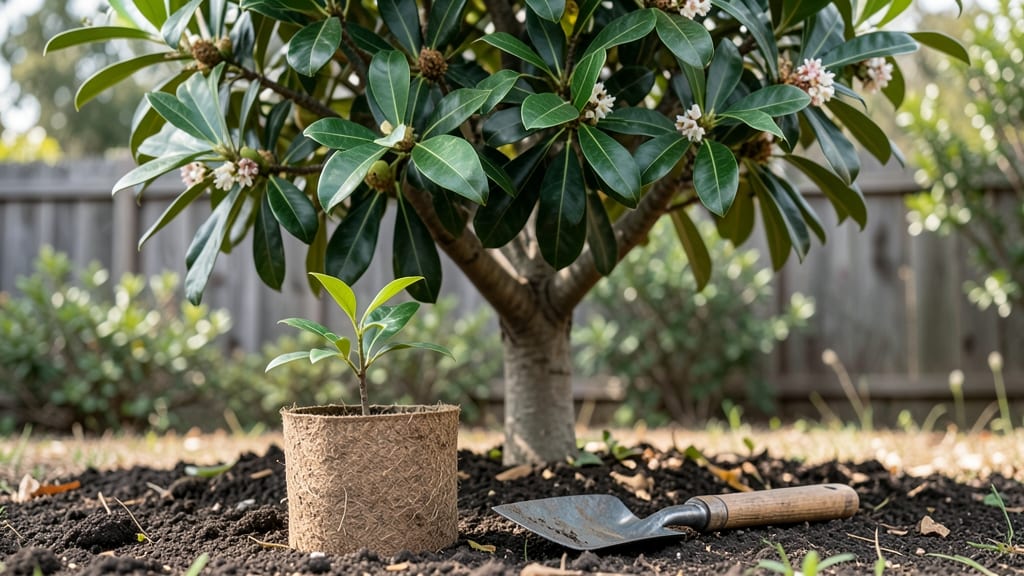
Growing a macadamia tree from seed to nut-producing powerhouse isn’t just possible—it’s thrilling, especially when you’re working outside its native tropics. 🌱 I’ve cracked the code after years of trial and error, and now my backyard produces creamy, buttery nuts that taste like a vacation in Hawaii.
The secret? Mimicking its subtropical needs with the right soil, shelter, and a little patience.
You’ll need well-draining soil with a pH between 5.5 and 7.0, a sunny spot (or a greenhouse in colder zones), and a 5-gallon container for young trees. Macadamias hate soggy roots, so raised beds or containers with drainage holes are your best friends.
Start with a grafted tree—seeds take 10+ years to bear fruit, while grafts produce nuts in 5-7 years.
By year three, you’ll see glossy, dark-green leaves and maybe even a few tiny nuts if conditions are perfect. The real magic happens in years 5-7, when the tree rewards your care with pounds of harvest—if you’ve protected it from frost, pests, and overwatering.
The nuts themselves take 6-8 months to mature, so timing is everything.
This isn’t a quick fix, but the payoff—homegrown macadamias—is worth every frost blanket and extra layer of mulch. Whether you’re in Zone 8-10 or a cooler microclimate, the same principles apply. Let’s get those nuts growing!
📚 In This Guide
- What you need
- Instructions
- Tips and common mistakes
- Wrapping up and next steps
What you need
- ● Macadamia nuts or seeds: 1–3 high-quality, fresh macadamia nuts (preferably from Macadamia integrifolia or Macadamia tetraphylla varieties). Look for plump, undamaged nuts with intact shells.
- ● Potting mix: 1–2 gallons of well-draining, slightly acidic potting mix (pH 5.5–6.5). A blend of coconut coir, perlite, and peat moss works well.
- ● Pot or container: 1–2 nursery pots (1–2 gallons each) with drainage holes. Use plastic or terracotta for young seedlings.
- ○ Grow lights or sunny window: A full-spectrum LED grow light (optional if you have a south-facing window with bright, indirect light).
- ● Misting bottle or spray nozzle: For maintaining humidity, especially during germination.
- ● Fertilizer: A balanced, water-soluble fertilizer (e.g., 10-10-10 NPK) or a slow-release granular fertilizer for tropical plants.
- ● Pruning shears: Small, sharp shears for trimming as the tree grows.
- ● Thermometer/hygrometer: To monitor temperature (ideal: 65–85°F) and humidity (60–70% for germination).
- ● Seed stratification kit: If starting with seeds, a warm/cold stratification setup (e.g., alternating 70°F and 50°F cycles for 2–3 months) can improve germination rates.
- ● Rooting hormone: To boost root development when transplanting seedlings.
- ● Mulch: Organic mulch (e.g., pine bark or wood chips) to retain moisture and regulate soil temperature once planted outdoors.
- ● Trellis or support: For young trees in windy areas (macadamia trees can grow 30–50 feet tall!).
- ● Soil test kit: To check pH and nutrient levels before planting.
- ● Pest control: Neem oil or insecticidal soap for aphids, scale, or mites (common in macadamia trees).
Step-by-step instructions for cultivating macadamia trees in cooler regions
Macadamia trees thrive in warmth, but with the right approach, you can grow them successfully even in cooler climates.
🪴 Step 1: Select the Right Variety and Container
Choose a cold-hardy macadamia variety like 'Beaufort' or 'Hawaiian'—these tolerate temperatures down to 20°F better than tropical strains. Since macadamias need well-draining soil, use a 10-gallon container with drainage holes. Fill it with a mix of equal parts potting soil, perlite, and coarse sand to mimic their native sandy soil conditions.
Place the container in a sunny, sheltered spot where temperatures stay above 50°F at night. If you're in a frost-prone area, move the container indoors or into a garage during winter. Macadamia roots are sensitive to waterlogging, so ensure excess water drains freely—no soggy soil here.
☀️ Step 2: Provide Optimal Light and Temperature Conditions
Macadamia trees need full sun—at least 6-8 hours daily—to produce nuts. If growing indoors, position the tree near a south-facing window or supplement with a grow light for 12-14 hours per day. Without enough light, the tree will grow leggy and produce fewer nuts.
Keep daytime temperatures between 75-85°F and nighttime temps above 55°F for best growth. If your climate dips below 40°F, the tree will go dormant—this is normal, but prolonged cold can damage it. In cooler zones, consider growing it in a greenhouse or large pot that can be moved seasonally.
💧 Step 3: Water Deeply and Fertilize Strategically
Water the tree deeply once a week, allowing the top 2 inches of soil to dry out between waterings. Overwatering causes root rot, which is fatal for macadamias. Check moisture by sticking your finger into the soil—if it feels dry 1 inch down, it’s time to water. Young trees need more frequent watering, but mature ones are drought-tolerant once established.
Fertilize in early spring with a balanced, slow-release fertilizer (like 10-10-10) mixed into the soil. Avoid high-nitrogen fertilizers—they encourage leafy growth at the expense of nuts. Instead, focus on phosphorus and potassium to support flowering and fruit development. Apply fertilizer every 3-4 months during the growing season.
✂️ Step 4: Prune for Shape and Nut Production
Prune in late winter or early spring before new growth begins. Remove any dead, diseased, or crossing branches to improve airflow and sunlight penetration. Macadamia trees naturally grow into a rounded shape, but you can lightly shape them by trimming back overgrown branches by one-third to encourage bushier growth.
Here’s the key: Don’t prune too aggressively—macadamias produce nuts on new growth, so heavy pruning reduces yields. Instead, focus on opening the canopy so sunlight reaches the inner branches. You’ll know you’re doing it right when the tree has a balanced, open structure with plenty of sunlight filtering through.
🌱 Step 5: Pollinate and Harvest with Patience
Macadamia trees are self-pollinating, but cross-pollination improves yields. If you have only one tree, hand-pollinate by gently shaking branches to release pollen on warm, dry days. Nuts take 18-24 months to mature, so don’t expect a harvest for at least 3-4 years from planting.
When nuts are ready, they’ll drop to the ground in late fall to early winter. Harvest them before they fully dry on the tree—green nuts are easier to crack and have a higher oil content. Store them in a cool, dry place until fully dry (about 2-3 weeks). Once dry, they’ll rattle inside the shell, signaling they’re ready for storage or roasting.
Tips & tricks for perfect macadamia tree cultivation
Here's what nobody tells you about growing these finicky tropical trees in cooler zones.
Cold-Hardy Variety Selection: The 'Beaufort' and 'Hawaiian' varieties are your best bets for cooler climates, but even they need protection below 20°F. I've found that planting near a south-facing wall or using a windbreak can raise microclimate temperatures by 5-10°F—sometimes enough to prevent frost damage. For extreme winters, consider planting two trees close together; their combined heat from foliage can create a protective barrier.
Soil Mix Precision: That equal parts potting soil, perlite, and coarse sand mix is non-negotiable for macadamias. I learned this the hard way after my first tree struggled with compacted soil. For even better drainage, add a handful of horticultural charcoal to the mix—it helps prevent bacterial buildup while maintaining that critical air-to-water ratio. The roots absolutely hate soggy conditions, so test your mix by squeezing it: if it holds its shape when pressed, add more perlite.
Light Optimization Strategy: The 6-8 hours of full sun requirement is strict, but you can supplement with grow lights during winter months when daylight shrinks. I use a 12-14 hour photoperiod with LED grow lights positioned 12-18 inches above the tree. Watch for leaf stretch—this is your tree's way of saying "I need more light!"—and adjust accordingly. In containers, rotate the pot weekly to ensure even light exposure all around the canopy.
Winter Protection Hack: When nighttime temps approach 50°F, it's time to prepare for winter dormancy. I've had success using a combination of bubble wrap and frost cloth wrapped around the container and trunk. For added insulation, place the container on a bed of straw or wood chips. Remember, macadamia roots are particularly vulnerable to cold—never let the soil temperature drop below 40°F, even for short periods.
Pro Tips for Grow A Macadamia Tree
- Here's what nobody tells you about growing these finicky tropical trees in cooler zones.
- Cold-Hardy Variety Selection: The 'Beaufort' and 'Hawaiian' varieties are your best bets for cooler climates, but even they need protection below 20°F.
- Soil Mix Precision: That equal parts potting soil, perlite, and coarse sand mix is non-negotiable for macadamias.
Frequently asked questions
Got questions about growing macadamia trees?
Here are answers to the most common ones—from climate concerns to harvest timing and troubleshooting.
Can macadamia trees grow in cooler climates like the U.S.?
Yes! While native to tropical/subtropical regions, macadamia trees thrive in USDA Zones 7b-10 with warm summers and mild winters. In cooler areas, plant them near south-facing walls or use microclimates (e.g., containers moved indoors in winter). Varieties like ‘Beaumont’ or ‘Hawaiian Gold’ are cold-hardier choices.
How long does it take for a macadamia tree to produce nuts?
Patience is key! Macadamia trees typically take 7–10 years to bear fruit, though some dwarf varieties may produce nuts in 4–5 years with ideal care. Male and female flowers are on separate trees, so you’ll need at least one male and one female for pollination (or a self-pollinating variety like ‘Ikaika’).
Why aren’t my macadamia tree leaves turning green?
Yellowing or pale leaves often signal nutrient deficiencies (like nitrogen or magnesium) or over/under-watering. Test soil pH (ideal: 5.5–6.5) and amend with compost or a balanced fertilizer (e.g., 6-6-6). Brown edges? Check for underwatering or salt buildup from tap water. Adjust care and monitor for improvement.
Can I grow macadamia trees from store-bought nuts?
Nope! Store-bought nuts are roasted and treated to prevent sprouting. For propagation, buy grafted nursery trees (cheaper than seeds and faster-growing) or collect fresh seeds from a mature tree. Soak seeds in water for 24–48 hours before planting in well-draining soil—germination can take 2–4 months.
Are macadamia trees messy or invasive?
Not typically! They’re low-maintenance but do drop leaves and husks during harvest (late summer/fall). Prune regularly to manage size and remove debris. Unlike some tropical plants, macadamia trees aren’t aggressive—they grow slowly (1–2 ft/year) and work well in hedges or container gardens.
Pro Tip:
Need a quicker nut fix? Try container growing! Dwarf varieties like ‘Emerald’ stay under 10 ft tall and thrive in 15+ gallon pots with fast-draining soil. Just ensure they get 6+ hours of sunlight daily and winter protection.
Wrapping up and next steps
Growing a macadamia tree is a rewarding journey that blends patience with tropical flair—even in cooler climates! With the right location, soil prep, and care routine, you’re well on your way to harvesting those prized nuts.
Remember, consistency is key, whether you’re nurturing a seedling or pruning an established tree.
Ready to take the next step? Start small: plant a single tree and monitor its progress, or research local nurseries for grafted varieties that thrive in your zone. Your future macadamia harvest awaits—keep nurturing that dream! 🌱✨