
Propagation
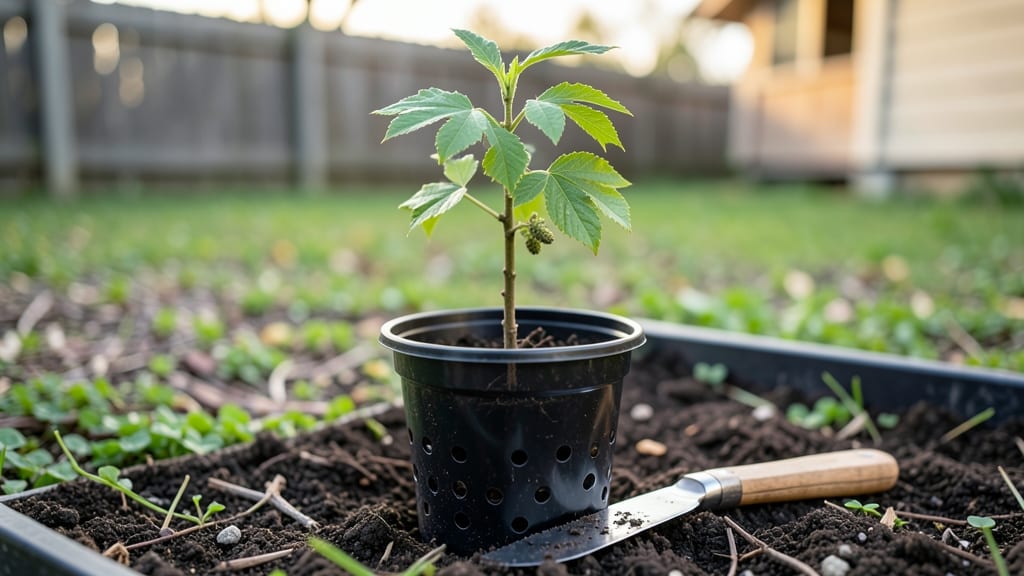
Growing a pecan tree from a single pecan is one of those gardening magic tricks that feels impossible—until you see that first green shoot break through the soil. 🌱 I’ve turned store-bought pecans into thriving seedlings using a method that skips the expensive nursery plants and lets you grow your own nut tree from scratch.
The secret isn’t complicated: it’s all about stratification—mimicking winter’s cold spell to trick the pecan into sprouting. You’ll need a fresh, unfrozen pecan, a damp paper towel, and a little patience.
Most people give up here, but sticking with it for 60 days (or less!) turns that hard shell into a tiny tree with real potential. The payoff? A shade tree that produces nuts in 10-15 years—and the satisfaction of knowing you grew it from a snack.
Once that first sprout appears, you’ll move it to a sunny spot with well-draining soil, where it’ll grow into a sturdy sapling. The key is keeping it moist but not soggy, and protecting it from late frosts.
By summer’s end, you’ll have a 3-4 foot tree that’s ready to stake its claim in your yard. It’s slow at first, but pecan trees reward patience with football-sized nuts and a canopy that shades your whole backyard.
This method works best in USDA Zones 6-9, where pecans thrive, but even in cooler climates, the process is the same—just expect slower growth. The real magic happens when you realize you’re not just growing a tree, but a future harvest. Ready to turn that pecan into a legacy?
📚 In This Guide
- What you need
- Instructions
- Tips and common mistakes
- Wrapping up and next steps
What you need
- ● Fresh, uncracked pecans – 1–3 pecans (ensure they’re not roasted or salted!)
- ● Container or pot – 1 small (4–6" diameter) with drainage holes
- ● Potting mix – 1 bag of well-draining, sandy loam or a 50/50 mix of perlite and peat moss (2–3 cups)
- ● Plastic wrap or clear lid – 1 sheet (to create humidity)
- ● Spray bottle – 1 (for gentle watering)
- ○ Patience & warmth – A sunny windowsill (70–80°F) or a seedling heat mat (optional)
- ● Seedling heat mat – 1 (speeds up germination)
- ● Grow lights – 1–2 (if natural light is limited)
- ● Fertilizer (low-nitrogen) – 1 small bag (for transplanting later)
- ● Larger pot (10–12") – 1 (for when roots outgrow the starter pot)
- ● Pruning shears – 1 (for future maintenance)
Step-by-step instructions for germinating pecan trees from nuts
Here's how I've successfully sprouted pecan trees from nuts—no fancy tools needed.
🌱 Step 1: Select and Prepare Your Pecans
Choose fresh, plump pecans from the shell—older nuts germinate poorly. Remove any remaining shell fragments and inspect for cracks or mold. Soak them in warm water for 24 hours to soften the hard outer shell. This step is crucial because pecans have thick shells that resist water absorption on their own.
After soaking, place the pecans between two paper towels. Fold the towels so they wrap snugly around each nut, keeping them moist but not soggy. Store them in a sealed plastic bag—this mimics the humid conditions pecans need to break dormancy. Check daily and mist with water if the towels dry out.
💧 Step 2: Stratify for 60 Days to Break Dormancy
Place the wrapped pecans in the refrigerator for 60 days. This cold treatment (called stratification) tricks the nut into thinking winter has passed, signaling it's time to germinate. I use a standard fridge set to 35-40°F—the crisper drawer works perfectly. Check them weekly to ensure the towels stay damp; dryness halts germination.
Here's the thing—don't rush this step. Pecans need this cold period to activate enzymes that break down stored nutrients. If you skip stratification, the nut may rot or refuse to sprout. After 60 days, you'll see tiny roots emerging from the bottom—this is your cue that germination is underway.
☀️ Step 3: Plant in Moist, Well-Draining Soil
Fill a small pot (about 6 inches deep) with a mix of 50% potting soil and 50% perlite to ensure good drainage. Pecan seedlings hate soggy roots, so avoid garden soil—it compacts and suffocates tender roots. Gently plant the pecan 1 inch deep, with the root facing downward and the nut body slightly above soil level.
Water lightly until the soil feels evenly moist but not wet. Place the pot in a warm spot (around 70-75°F) with bright, indirect light. A south-facing window works well, but avoid direct sun for the first two weeks—it can scorch the delicate sprout. You'll see the first true leaves appear in 3-4 weeks, signaling the seedling is established.
🌿 Step 4: Transplant and Care for Young Seedlings
Once the seedling reaches 4-6 inches tall and has 3-4 sets of leaves, it's ready for its first transplant. Choose a larger pot (at least 10 inches deep) and use the same soil mix. Water thoroughly before moving it to minimize shock. Pecan trees grow slowly, so don't rush—wait until roots fill the pot before transplanting outdoors.
Outdoors, pecans need full sun and well-draining soil. Plant in late spring after the last frost, spacing seedlings 30 feet apart to allow for mature tree size. Mulch around the base with 2-3 inches of organic mulch to retain moisture and suppress weeds. Water deeply once a week, ensuring the soil stays consistently moist but never waterlogged.
Tips & tricks for growing pecan trees from nuts
These little tricks will help you avoid common pitfalls and boost your success rate with pecan germination.
Selection Matters: Look for pecans that are plump and heavy for their size—these are the most likely to germinate. Avoid any nuts with visible cracks or mold, as these can introduce rot during the 24-hour soaking period. I've found that pecans harvested in late fall (after natural leaf drop) have the highest germination rates because they've had time to fully mature.
Stratification Secret: The 60-day cold treatment in your fridge isn't just about time—it's about consistency. I place my wrapped pecans on a wire rack inside a sealed container to ensure air circulation while maintaining that 35-40°F temperature. This prevents mold growth while keeping the towels properly moist. After about 4 weeks, you might notice slight softening of the shell—this is normal and indicates the dormancy-breaking process is working.
Planting Precision: When you're ready to plant in that 6-inch pot, make sure the soil mix is actually moist—not wet. I test this by squeezing a handful: it should hold together but not drip water. The 1-inch planting depth is crucial—any deeper and the nut may suffocate, any shallower and it won't anchor properly. Place your pot in a warm spot where the temperature stays around 70-75°F during the day, but avoid direct sunlight for those first two crucial weeks.
Patience Pays Off: Those 3-4 weeks until you see true leaves can feel like forever, but don't be tempted to move the pot earlier. I've seen many gardeners rush this stage and end up with leggy, weak seedlings that struggle to establish. The key is consistency—keep the soil evenly moist and maintain that warm temperature range. Once you see those first true leaves (not the initial seed leaves), you'll know your little pecan tree is on the right track.
Pro Tips for Grow A Pecan Tree From A Pecan
- These little tricks will help you avoid common pitfalls and boost your success rate with pecan germination.
- Selection Matters: Look for pecans that are plump and heavy for their size—these are the most likely to germinate.
- Stratification Secret: The 60-day cold treatment in your fridge isn't just about time—it's about consistency.
Frequently asked questions
Got questions about growing a pecan tree from a nut?
You’re not alone! Here are answers to the most common queries—plus a few pro tips to set you up for success.
How long does it take for a pecan to sprout?
A pecan nut typically sprouts within 60–90 days if given the right conditions (warmth, moisture, and patience!). Some varieties may take longer, especially if the nut is immature or stored improperly. Keep the soil consistently moist but not soggy—this speeds up germination. Pro tip: If no sprouts appear after 3 months, gently check for rot or mold.
Can I plant a pecan straight from the tree, or does it need to dry first?
Pecans must dry and stratify before planting—freshly harvested nuts won’t sprout. Store them in a cool, dry place (like a paper bag) for 3–6 months to mimic winter conditions. After stratification, soak the nut in water for 24 hours before planting to kickstart germination. Patience pays off!
What’s the best soil mix for growing pecan trees from nuts?
Pecan trees thrive in well-draining, slightly acidic soil (pH 5.5–6.5). Mix equal parts of:
- Potting soil
- Sand or perlite (for drainage)
- Compost or coconut coir (for nutrients)
Why did my pecan nut turn moldy or rot?
Mold or rot usually means too much moisture or poor airflow. Common causes:
- Overwatering (keep soil damp, not wet!)
- Using old or damaged nuts (pick plump, intact pecans)
- Fungal growth from high humidity (use a fan or ventilated container)
How tall will my homegrown pecan tree get?
Pecan trees are fast-growing and can reach 70–100 feet tall in ideal conditions (though dwarf varieties stay under 20 feet). If grown from a nut, expect:
- First year: 1–3 feet (focus on root development)
- Years 2–5: 6–12 feet annually (with proper care)
Wrapping up and next steps
Growing a pecan tree from a single nut is a rewarding journey that combines patience, care, and a little science! 🌱 With the right technique—like the hot water treatment and proper soil conditions—you can sprout a nut in just 60 days and nurture it into a thriving tree.
Whether you’re dreaming of homegrown pecans or simply love the magic of propagation, every step you take brings you closer to success.
Ready to take the next step? Start by gathering your supplies, follow the germination process, and soon you’ll be watching your tiny sapling grow into a mighty pecan tree! 🌳✨