
Size
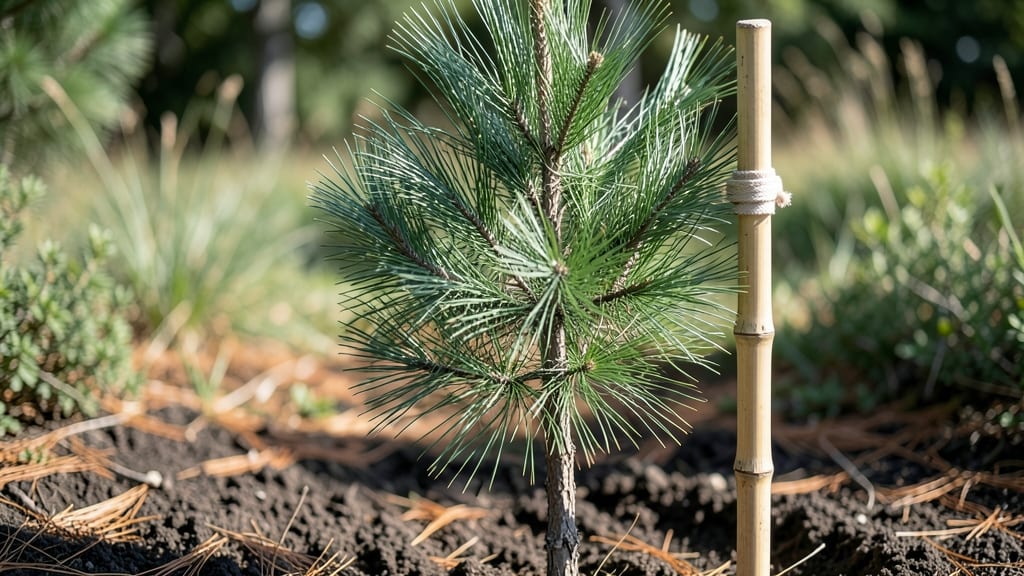
Growing straight trees starts with sunlight and stakes, not luck. ✨ I’ve watched saplings lean wildly in my yard—until I learned the simple tricks that keep them upright from day one. The key isn’t brute force; it’s understanding how light, wind, and support work together to shape young trees naturally.
Most people overlook sunlight first—trees grow toward light, so uneven exposure causes that classic crooked look. Pair that with the right stakes (not too tight, not too loose) and you’ve got a foolproof system.
My apple trees now stand tall because I learned to adjust stakes as they grow, not just plant them and forget. Even fruit trees, which seem stubborn, respond well once you get the basics right.
By summer’s end, you’ll see straight trunks that don’t need constant correction. The best part? No more wrestling with leaning branches later—this method works for both saplings and mature trees, saving you years of frustration. Let’s get those young stems standing proud from the start.
Works for any species—just tweak the stakes and pruning based on growth speed. Here’s how to do it right the first time.
📚 In This Guide
- What you need
- Instructions
- Tips and common mistakes
- Wrapping up and next steps
What you need
- ● Young tree sapling: Choose a healthy, 1- to 3-foot-tall tree with a single straight stem (avoid multi-stemmed or already leaning varieties).
- ● Stakes (2-4): 1-inch diameter, 4- to 6-foot-long wooden or bamboo stakes (or metal tree ties for permanent setups).
- ● Tree ties (4-6): Soft, stretchable fabric or rubber ties (avoid wire—it can cut into bark as the tree grows).
- ● Garden twine: 10-20 feet of biodegradable or nylon twine (for temporary support).
- ● Planting hole tools: Shovel or trowel (for digging)
- ● Post-hole digger (if soil is hard-packed)
- ● Mulch: 2-3 inches of organic mulch (wood chips, straw, or shredded bark) to retain moisture and suppress weeds.
- ● Watering can or hose: With a gentle spray nozzle for post-planting hydration.
- ● Tree guard: A spiral or mesh wrap to protect young bark from pests or animals.
- ● Soil amendments: Compost or slow-release fertilizer (if your soil is poor).
- ● Pruning shears: For trimming any low-hanging branches that could interfere with straight growth.
- ● Weighted stakes: U-shaped or J-shaped stakes for extra stability in windy areas.
- ○ Growth regulator (optional): A low-concentration auxin spray (like IBA rooting powder) to encourage upright growth in stubborn species.
Step-by-Step instructions for training trees to grow straight
Here’s how I’ve kept my young trees upright and sturdy—no crooked branches in sight.
🌱 Step 1: Choose the Right Spot for Even Sunlight
Plant your tree where it will receive at least 6 hours of direct sunlight daily. Avoid spots where buildings, fences, or larger trees will cast shadows that shift as the sun moves. I always check the area at midday and again in the late afternoon to map out potential shading issues.
If your yard has uneven sunlight, position the tree so its strongest side (usually the side with more buds) faces the sun. This helps the trunk grow straight toward the light instead of leaning. Watch for subtle tilts in the first few weeks—those are your early warnings.
☀️ Step 2: Stake Only When Necessary
Staking isn’t always needed, but if your tree is top-heavy or in a windy area, use two stakes—one on each side of the trunk, about 6 inches from the base. Drive them into the soil at a 45-degree angle, then loosely tie the trunk to them with soft tree ties (never wire or anything that can cut into the bark).
Here’s the key: The ties should allow slight movement—just enough to let the tree sway a little in the wind. Too tight, and you’ll strangle the trunk as it grows. Check the ties every 2-3 weeks and loosen them if the trunk seems restricted.
🌿 Step 3: Prune for Balance Early
When your tree is still young (around 12-18 inches tall), prune any branches that are growing at sharp angles or rubbing against each other. Use clean, sharp pruners to make cuts just above a leaf node or bud. This encourages the tree to focus its energy on upward growth.
I also remove any low-hanging branches near the ground—they can weigh the tree down and cause it to lean. If you see a branch growing straight out instead of upward, trim it back by one-third to redirect the tree’s energy toward vertical growth.
⏰ Step 4: Monitor and Adjust Over Time
Check your tree’s alignment weekly during its first growing season. If it starts to lean, gently guide it back into place by adjusting the stakes or ties. Never force it abruptly—gradual corrections prevent stress on the trunk.
By the time your tree reaches 3-4 feet tall, it should be self-supporting. If it’s still leaning, it might need a second year of staking, but most trees straighten out naturally if given the right conditions early on. Patience here pays off—rushing can lead to weak, brittle trunks.
Tips & tricks for perfect tree alignment
These small adjustments make all the difference between a crooked tree and one that grows tall and proud.
Sunlight Strategy: The 6 hours of sunlight you provide isn't just about growth—it's about direction. Trees naturally lean toward the strongest light source. If your yard has afternoon shade, position the tree slightly eastward so morning sun guides its growth. I've seen trees that started leaning westward in the first month straighten out completely by summer when I adjusted their placement this way.
Staking Technique: Those two stakes at a 45-degree angle aren't just for support—they're for training. When you tie the trunk, leave enough slack that you can fit two fingers between the tie and the bark. I learned this the hard way when my first tree's trunk grew a permanent groove from a too-tight tie. The slight movement actually strengthens the trunk by encouraging natural flexibility.
Pruning Precision: When trimming branches at 12-18 inches, focus on the angle of growth rather than just size. Look for branches growing at 90-degree angles or rubbing against others—these are the ones causing imbalance. I cut these back to just above a leaf node, always making the cut at a slight angle away from the bud. This little detail makes a huge difference in how the tree redirects its energy.
Monitoring Method: The weekly checks in Step 4 are your best quality control. Use a small stake or marker to note the tree's position each week. If you see it leaning more than 15 degrees from vertical, it's time to adjust the ties or even reposition one stake slightly. I've seen trees that looked fine after a month suddenly correct themselves completely in just two weeks when I caught and adjusted early.
Pro Tips for Make A Tree Grow Straight
- These small adjustments make all the difference between a crooked tree and one that grows tall and proud.
- Sunlight Strategy: The 6 hours of sunlight you provide isn't just about growth—it's about direction.
- Staking Technique: Those two stakes at a 45-degree angle aren't just for support—they're for training.
Frequently asked questions
Got questions about growing straight trees? You’re not alone! Here are answers to the most common queries to help you nurture perfectly aligned trees with confidence.
How often should I check my tree’s alignment?
Monitor your tree’s growth every 2–4 weeks during its first year, especially if using stakes or supports. Young trees grow fast—adjust stakes or ties as needed to prevent bending. Once established (after 1–2 years), check monthly during active growth seasons (spring and summer).
What if my tree starts leaning even after staking?
If your tree leans despite staking, it may be root-bound or struggling with uneven soil compaction. Loosen the roots gently if repotting, or add support stakes at a 45° angle to guide growth. For severe cases, transplant carefully to a deeper, well-drained hole. Patience is key—some trees straighten naturally over time!
Can I grow a straight tree without stakes or supports?
Yes! Some fast-growing, flexible trees (like willows or birches) may grow straight on their own if planted in well-draining soil and given consistent sunlight. However, for delicate or slow-growing species (e.g., fruit trees or bonsai), stakes or pruning are often necessary. Start with pruning young branches to encourage upward growth.
How long does it take for a tree to grow completely straight?
Most trees take 1–3 years to establish straight growth, depending on species and care. Dwarf varieties (like bonsai) may align faster (6–12 months), while larger trees (oaks, maples) can take decades to fully mature. Regular pruning and support in early stages dramatically speeds up the process.
Does sunlight affect how straight a tree grows?
Trees need 6+ hours of direct sunlight daily to grow straight and strong. Shady spots can cause weak, leggy growth or leaning. If your tree is in partial shade, rotate it occasionally to ensure even light exposure. South-facing windows or open outdoor spaces are ideal for optimal alignment.
Wrapping up and next steps
Growing straight trees is all about patience, consistency, and a little extra care—but trust us, it’s totally worth it! 🌳 With the right tools, proper sunlight, and smart staking techniques, you’ll be well on your way to a perfectly aligned tree that stands tall and proud.
The key is to start early, monitor progress, and adjust as needed.
Now that you’re armed with the know-how, why not put it into action? Grab your gardening gear, pick a sunny spot, and begin your tree-growing journey today. Happy planting—your future straight, sturdy tree awaits! 🌱✨