
Pruning
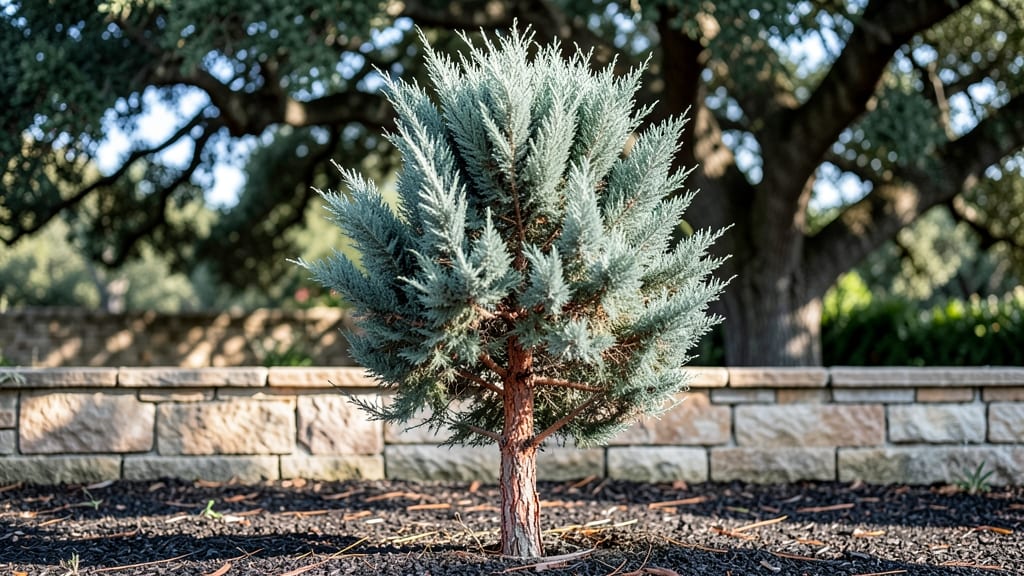
Identifying cypress trees in the Pacific Northwest feels like solving a puzzle—once you spot the right clues. 🌲 The key is their needle-like foliage, which looks more like scale than traditional needles, and their distinctive upright growth habit that sets them apart from pines or cedars.
Monterey cypress trees, for example, have flat, blue-green sprays that resemble Italian cypress but grow wider and more rounded, while Leyland cypresses tower with dense, feathery branches.
The bark and branch structure tell the story too. Cypress bark is often reddish-brown and fibrous, peeling in long strips, while their branches grow in a tight, symmetrical pattern.
Unlike cedars, which have jointed, knobby branches, or pines with clustered needles, cypresses stand out with their smooth, layered foliage that looks almost like a fan. Grab a magnifying glass—those tiny, overlapping scales are your best friend.
You’ll recognize them instantly when you see them in action: cypress trees thrive in coastal climates, their roots tolerating wet soil while their branches reach for the sky.
Whether you’re admiring a tall Leyland cypress as a privacy screen or a compact Monterey cypress as a focal point, their unique shape and texture make them stand out in any landscape. Once you know what to look for, spotting them becomes second nature.
Confusion often arises with cedars or pines, but cypresses lack the sharp, pointed needles of pines or the strong, pungent scent of cedars. Their soft, almost papery texture when brushed against is another dead giveaway.
Next time you’re strolling through a Pacific Northwest garden or forest, keep an eye out—these trees are nature’s own architectural masterpieces.
📚 In This Guide
- What you need
- Instructions
- Tips and common mistakes
- Wrapping up and next steps
What you need
- ● Hand lens or magnifying glass – A 10x magnification works best for inspecting needle details.
- ● Measuring tape or ruler – For checking needle length (aim for a 6-inch or 15 cm range for cypress).
- ● Digital camera or smartphone – Capture close-ups of bark, needles, and cones for comparison.
- ● Notebook & pen – Jot down observations like needle arrangement, color, and scent.
- ○ Gloves (optional but recommended) – Protects hands from sap or rough bark.
- ● Field guide or plant ID app (e.g., iNaturalist or PictureThis) – Cross-reference your findings with expert images.
- ● Pruning shears – If you need to collect a small sample (use sparingly!).
- ● Small plastic bag – Store a needle or cone sample for later analysis.
- ● Sunny day or flashlight – Good lighting helps spot subtle differences in bark texture or needle color.
Step-by-Step guide to identifying cypress trees in the Pacific Northwest
Here’s how to tell true cypress from lookalikes—no botanist degree required.
🌿 Step 1: Examine the Needle Structure
Cypress trees in the Pacific Northwest—like the Monterey Cypress or Arizona Cypress—have scale-like foliage that clings tightly to the branches. Run your fingers along a branch: if the needles feel like overlapping shingles (not flat or needle-like), you’re likely looking at a cypress. These scales are tiny, less than 1/8 inch long, and arranged in a spiral pattern.
Real talk: If the needles are long, soft, and flexible (like spruce or fir), it’s not a cypress. Scale-like foliage is the first clue—no exceptions. Check the underside of the branch too; cypress scales often have a slightly paler or grayish tint compared to the top.
☀️ Step 2: Observe the Branch and Bark Pattern
Cypress branches grow in a flat, fan-like spread rather than a rounded, bushy shape. Look for branches that extend outward horizontally, almost like a spread-eagle pose. The bark is another giveaway: mature cypress trees develop deep, reddish-brown furrows that create a textured, almost scaly look.
Here’s the thing—young cypress trees might look similar to arborvitae, but mature bark is your secret weapon. If you see peeling or shredding bark with a reddish hue, you’re dealing with a cypress. Younger trees might have smoother bark, but the branch structure alone often seals the deal.
🪴 Step 3: Check for Cones and Seedpods
Cypress cones are small, round, and woody, typically less than 1 inch in diameter. They often stay closed for years, releasing seeds only under specific conditions. If you spot tiny, hard cones clinging to the branches, that’s a strong cypress indicator. Some varieties, like the Alpine Cypress, produce cones that resemble tiny pinecones but are much smaller.
Don’t skip this step—cones are one of the most reliable ways to distinguish cypress from other conifers. If you see soft, fleshy cones or long, dangling seedpods, you’re looking at something else entirely (like a cedar or juniper). Cypress cones are wooden, durable, and rarely open naturally—that’s the key.
✂️ Step 4: Compare to Common Lookalikes
In the Pacific Northwest, arborvitae and juniper are the biggest cypress imposters. Arborvitae has flat, fan-shaped sprays of needles (similar to cypress), but its foliage is softer and more flexible. Juniper, on the other hand, often has needle-like or awl-shaped leaves (not scale-like) and may produce berry-like cones instead of woody ones.
I always say: if it’s flat, scale-like, and woody, it’s a cypress. If it’s soft, flexible, or berry-producing, it’s not. For extra confirmation, snap off a small branch and examine the leaf attachment—cypress scales attach directly to the branch in a spiral, while arborvitae leaves are opposite or whorled.
Tips & tricks for identifying cypress trees with confidence
Confession: I spent years confusing cypress with arborvitae until I learned these field-tested tricks. Here's what nobody tells you about nailing the identification.
Scale Texture Secret: Run your thumb along a branch—if it feels like sandpaper or overlapping shingles (not soft or flexible), you’ve found cypress. The less than 1/8-inch scales from Step 1 should leave a rough, almost gritty sensation. Pro tip: Compare both sides of the branch; cypress scales often have a subtle grayish tint on the underside that arborvitae lacks.
Bark Maturity Test: Young cypress bark might fool you, but mature trees reveal their true nature through deep reddish-brown furrows. Look for bark that peels or shreds like a snake's skin—this texture is unique to cypress. If you're unsure, snap off a small branch and examine the bark's texture up close; cypress bark should feel rough and papery rather than smooth.
Cone Comparison: The less than 1-inch woody cones from Step 3 are your most reliable clue. Grab a cone and give it a firm squeeze—if it's hard, dry, and doesn't crush easily, it's cypress. Soft or berry-like cones immediately rule out cypress. I've found that Alpine Cypress cones often resemble tiny pinecones, but they're always smaller than 1 inch in diameter.
Branch Angle Insight: The horizontal, fan-like spread from Step 2 is your visual confirmation. Hold your arm straight out and compare the branch angle to your forearm—cypress branches should align almost perfectly. This spread creates that signature "spread-eagle pose" that sets cypress apart from other conifers with more rounded canopies.
Pro Tips for Identify Cypress Tree
- Confession: I spent years confusing cypress with arborvitae until I learned these field-tested tricks.
- Scale Texture Secret: Run your thumb along a branch—if it feels like sandpaper or overlapping shingles (not soft or flexible), you’ve found cypress.
- Bark Maturity Test: Young cypress bark might fool you, but mature trees reveal their true nature through deep reddish-brown furrows.
Frequently asked questions
Got questions about spotting a cypress tree in your Pacific Northwest yard? Here are some of the most common queries—and their answers—to help you feel like a pro!
How do I tell a cypress tree apart from a pine or fir?
Cypress trees (like Cupressus or Chamaecyparis) have scale-like leaves that hug their branches tightly, while pines have long, needle-like leaves in clusters, and firs have flat, individual needles. Cypress foliage also often has a blue-green or silvery hue—unlike the darker greens of pines or firs.
When is the best time of year to identify a cypress tree?
Spring and summer are ideal! That’s when cypress trees are fully leafed out, making their distinctive scale needles and unique branching patterns easiest to spot. Winter can be tricky since some species shed older foliage, but evergreen cypresses will still hold their needles.
Can I identify a cypress tree by its bark or cones?
Cypress bark is often reddish-brown and fibrous (think shaggy or peeling), while cones are small, woody, and rounded (unlike the long, spiky cones of pines). Some cypresses, like the Monterey Cypress, even have weeping branches that set them apart.
What if my tree looks like a cypress but isn’t? Common look-alikes?
Watch out for arborvitae (similar scale leaves but usually flat sprays) and juniper (smaller, prickly needles and berry-like cones). False cypresses (like Chamaecyparis) can also mimic true cypresses—check for horizontal branching or blue-green tips to confirm.
Are there any apps or tools to help me identify a cypress tree?
Yes! Try the iNaturalist or PictureThis apps—upload a photo, and they’ll help ID your tree. For a hands-on approach, bring a hand lens to examine needle texture and a field guide focused on PNW conifers. Pro tip: Snap a photo of the cones and bark too—they’re game-changers!
Wrapping up and next steps
Identifying a cypress tree in the Pacific Northwest is easier than you think—just remember those scalelike needles, feathery foliage, and signature knobby knees! Whether it’s the Monterey or Bald Cypress, these trees add elegance to any landscape.
Now that you’re equipped with the know-how, why not take the next step?
🌱 Plant one in your yard! If you’re inspired, research local nurseries or check soil conditions to ensure your cypress thrives. Or, share your newfound expertise with fellow gardeners—knowledge grows best when shared! 🌿