
Pruning
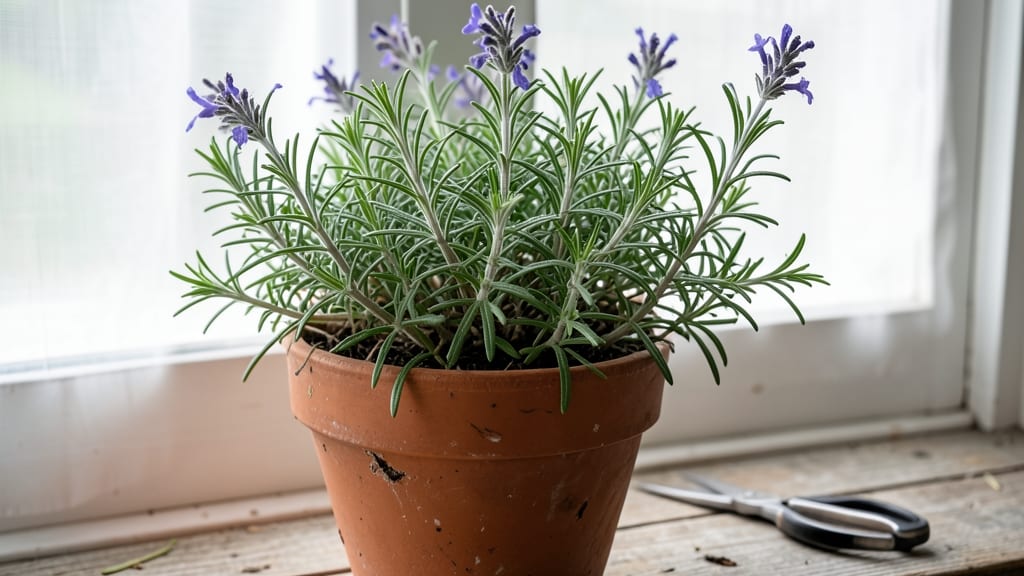
An indoor rosemary tree brings the Mediterranean sun into your kitchen year-round—no greenhouse or balcony required. 🌿 I’ve grown mine for three winters now, and the trick isn’t just keeping it alive; it’s making it thrive with bold, piney flavor that rivals store-bought sprigs.
The secret starts with light, soil, and a pruning routine that keeps it compact and fragrant.
You’ll need a 6-inch pot with drainage holes, well-draining potting mix (cactus or succulent blend works), and a sunny windowsill—south or west-facing is ideal. Water only when the top inch of soil feels dry, and avoid soggy roots at all costs.
Prune regularly to encourage bushiness, and pinch back leggy stems to coax fresh growth. Most people overwater or underlight their rosemary, but these simple tweaks make all the difference.
By summer, your plant will be lush and aromatic, with enough sprigs to season dishes all year. The needles stay vibrant, the scent fills the room, and you’ll never buy rosemary again.
Harvesting is easy—just snip what you need and let the plant keep growing. For winter survival, a grow light can save the day if natural light fades.
Works in kitchens, bathrooms, or even offices—just keep it near a window and treat it like the low-maintenance powerhouse it is. Let’s get yours growing strong!
📚 In This Guide
- What you need
- Instructions
- Tips and common mistakes
- Wrapping up and next steps
What you need
- ● Rosemary plant: 1 healthy Rosmarinus officinalis (potted or bare-root). Choose a variety suited for indoor growing, like Prostratus (trailing) or Arp (compact).
- ● Pot: 1 container with drainage holes, 12–16 inches in diameter (for mature plants) or 6–8 inches (for starters). Use terracotta, ceramic, or fabric grow bags for breathability.
- ● Well-draining potting mix: 1 bag (5–10 quarts) of a cactus/succulent blend or mix 1 part potting soil + 1 part perlite/pumice to prevent soggy roots.
- ● Pruning tools: 1 pair of sterilized bypass pruners (sharp, 3–4 inch blades for precision).
- ● 1 small hand pruner (for trimming fine stems).
- ○ Gloves: 1 pair of gardening gloves (optional but recommended to avoid resin irritation).
- ● Rooting hormone: 1 small tube (speeds up propagation if you’re cloning cuttings).
- ● Spray bottle: For misting leaves (rosemary loves humidity!).
- ● Support stake: 1 bamboo or metal stake (if growing a tall variety).
- ● Slow-release fertilizer: 1 granular herb fertilizer (like 10-10-10) or fish emulsion (for a nutrient boost).
- ● Humidity tray: 1 shallow tray + pebbles (to increase moisture levels).
Step-by-step guide to growing a thriving indoor rosemary tree
Here's how to cultivate a fragrant, bushy rosemary tree that thrives indoors year-round.
🌱 Step 1: Select and Prepare the Right Container
Rosemary needs excellent drainage, so choose a pot with multiple drainage holes—terracotta works best. I like to use a 6-8 inch diameter container for a single plant, as rosemary has a deep root system. If you're growing multiple plants, space them at least 12 inches apart to prevent root competition.
Fill the bottom 1-2 inches with gravel or perlite to create a drainage layer. This prevents waterlogging, which rosemary hates. The reason we add this layer is that rosemary roots rot quickly in soggy soil. Use the 2 gallons of well-draining potting mix specified—avoid garden soil, as it compacts and retains too much moisture.
🌿 Step 2: Plant and Establish Your Rosemary
Remove your rosemary from its nursery pot and gently loosen the roots if they're circling. Place the plant in the center of your container, ensuring the top of the root ball sits ½ inch below the rim. This allows room for watering without spilling soil.
Fill the remaining space with the potting mix, pressing lightly to secure the plant but not compacting the soil. Water thoroughly until water runs freely from the drainage holes. You'll know it's done when the soil feels evenly moist but not wet to the touch. Place the pot in a location with bright, indirect light for the first 3-5 days to help it recover from transplant shock.
☀️ Step 3: Position for Optimal Light and Airflow
Rosemary thrives in full sun, so move it to a south- or west-facing window once it's settled. If natural light is insufficient, supplement with a grow light positioned 6-12 inches away for 12-14 hours daily. You'll see leggy growth if it's not getting enough light—this is your cue to adjust.
Ensure good airflow by placing the pot in a spot with gentle breezes, like near an open window or fan. Rosemary dislikes stagnant air, which can lead to fungal issues. Rotate the pot quarter-turn weekly to encourage even growth. Watch for new growth at the tips—this signals your plant is happy and adapting well.
💧 Step 4: Water and Maintain for Long-Term Health
Water your rosemary only when the top 1-2 inches of soil feel dry—this usually means every 7-10 days, depending on humidity and light. Overwatering is the #1 killer of indoor rosemary. Stick your finger in the soil; if it's damp, wait another day. When watering, soak the soil until water drains from the bottom, then empty the saucer to prevent root rot.
Fertilize lightly once a month during spring and summer with a balanced, water-soluble fertilizer diluted to half strength. Skip fertilizing in fall and winter, as rosemary grows slowly in cooler months. Prune leggy stems or yellowing leaves with clean scissors to encourage bushier growth. You'll notice fresh, fragrant new growth within 2-3 weeks of pruning.
✂️ Step 5: Prune and Harvest for a Bushy, Fragrant Tree
Prune your rosemary 2-3 times a year to maintain shape and encourage branching. Cut back ⅓ of the longest stems in early spring to stimulate new growth. Always cut just above a leaf node—this is where new shoots will emerge. Harvest sprigs as needed by snipping just above a set of leaves, leaving at least half the plant intact to maintain its structure.
Here's the thing—rosemary grows best when slightly root-bound, so avoid repotting unless you see roots circling the pot. If you do repot, choose a container only 1-2 inches larger in diameter. Your goal is a compact, bushy tree with fragrant foliage—this takes patience, but the reward is a year-round herb garden that smells amazing and tastes even better.
Tips & tricks for perfect indoor rosemary tree
Growing a thriving indoor rosemary tree takes patience, but these insights will help you avoid common pitfalls and maximize your plant's potential.
Container Selection: Terracotta pots are ideal because they wick away moisture, preventing root rot that often plagues indoor rosemary. If you choose plastic, add extra gravel (up to 2 inches) at the bottom to compensate for its moisture-retaining properties. The 6-8 inch diameter recommendation is perfect because rosemary's deep roots need room to establish without becoming root-bound too quickly.
Lighting Strategy: That 12-14 hours of grow light per day is non-negotiable for indoor success. I've found LED grow lights work best—they're energy-efficient and produce less heat than incandescent bulbs. Position the light 6-12 inches away and adjust based on leaf color: pale green means more light is needed, while dark green indicates perfect exposure. Watch for leggy growth as your first warning sign of insufficient light.
Watering Wisdom: The "top 1-2 inches dry" rule is your best guide, but here's the thing: rosemary's native Mediterranean climate means it's adapted to drought. In winter, you might only need to water every 10-14 days—overwatering during cooler months is actually more dangerous than underwatering. Always empty the saucer after watering to prevent salt buildup from tap water, which can damage roots over time.
Pruning Payoff: When you cut back ⅓ of the longest stems in early spring, make your cuts at a 45-degree angle just above a leaf node. This angled cut prevents water from pooling on the stem, reducing rot risk. The new growth that emerges from these cuts will be more compact and fragrant than the leggy stems you remove. I prune again in late summer to maintain that bushy shape we're all after.
Pro Tips for Indoor Rosemary Tree
- Growing a thriving indoor rosemary tree takes patience, but these insights will help you avoid common pitfalls and maximize your plant's potential.
- Container Selection: Terracotta pots are ideal because they wick away moisture, preventing root rot that often plagues indoor rosemary.
- Lighting Strategy: That 12-14 hours of grow light per day is non-negotiable for indoor success.
Frequently asked questions
How often should I prune my indoor rosemary tree?
Prune your rosemary lightly every 4–6 weeks to encourage bushier growth. Focus on trimming just above a leaf node (where leaves meet the stem) to avoid over-pruning. Avoid cutting more than one-third of the plant at once—rosemary is resilient but hates harsh cuts!
Can I keep rosemary indoors year-round, or does it need a winter break?
Rosemary is hardy enough for indoor life all year, but it prefers cooler temps (60–75°F) in winter. If your home gets too dry (common with heaters), boost humidity with a pebble tray or occasional misting. Just avoid drafts—rosemary hates cold windows near AC vents!
Why are my rosemary leaves turning yellow or brown?
Yellow leaves often mean overwatering—rosemary loves dry soil! Let the top 1–2 inches dry out between waterings. Brown edges? Underwatering or low humidity could be the culprit. Check soil moisture with your finger, and adjust care based on your home’s climate.
Can I grow rosemary from a grocery store bunch?
Root bare-stem rosemary
by placing stems in water for 2–3 weeks until roots form, then transplant to soil. For leafy stems, trim the bottom leaves, dip in rooting hormone (optional), and plant in moist soil. Pro tip: Use a well-draining pot with drainage holes to prevent rot!
How do I harvest rosemary from my indoor tree without killing it?
Harvest sparingly—snip only the woody stems (not the tender tips) to keep the plant healthy. Avoid taking more than 20–30% of the plant at once. For cooking, use fresh sprigs or dry bundles upside-down in a warm, dark place. Bonus: Prune while harvesting to encourage new growth!
Wrapping up and next steps
Growing an indoor rosemary tree is a rewarding way to enjoy fresh herbs year-round while adding a fragrant, lush touch to your home.
With the right pruning techniques, sunlight, and care, your rosemary plant will thrive—whether you’re using it to elevate your cooking or simply savoring its piney aroma. Now’s your chance to turn that tiny starter plant into a flourishing, kitchen-friendly herb garden!
Ready to take the next step? Start small:
- Pick a sunny spot near your kitchen or windowsill.
- Grab your pruning shears and trim confidently—your rosemary will thank you!
Your fragrant, green companion is just a few snips away! 🌿✨