
Pruning
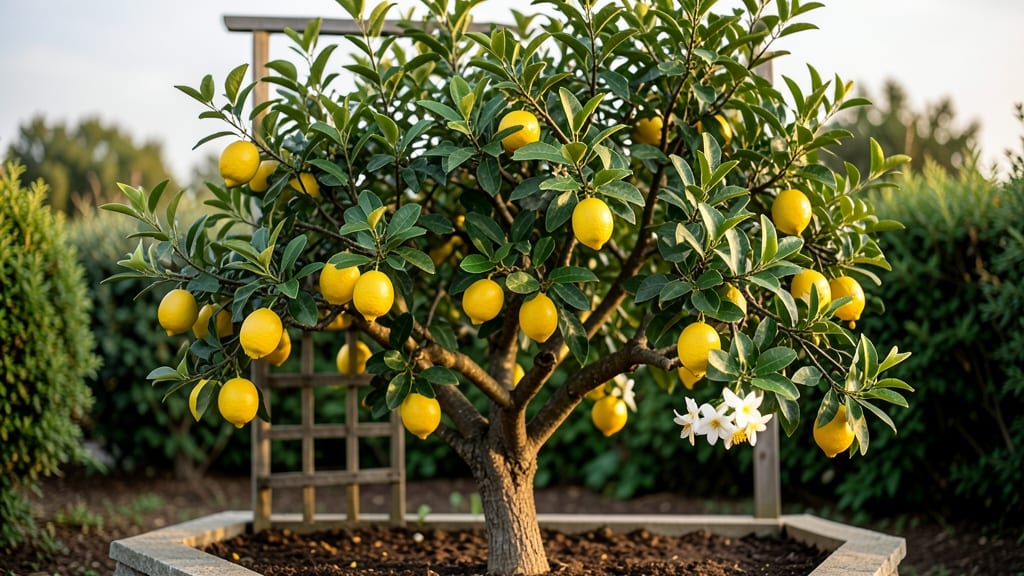
My Italian lemon tree nearly died last winter—until I learned the Pacific Northwest’s secret to keeping citrus alive year-round. 🌱 The key isn’t just pruning; it’s adjusting for our cool, damp climate while keeping the tree happy indoors when frost rolls in.
Most guides assume Mediterranean summers, but we’ve got different rules here.
You’ll need sharp pruning shears, a sunny spot (at least 6 hours of light daily), and a container with drainage if you’re growing indoors. The tree thrives on well-draining soil and hates soggy roots, so I’ve got a foolproof watering schedule that keeps it from drying out or drowning.
And yes, you can keep it outside in summer—just bring it in before temps drop below 40°F.
By pruning at the right time—right after flowering—you’ll encourage lush new growth and more lemons than you know what to do with. The branches stay manageable, and the tree develops that perfect, rounded shape without looking overgrown.
Plus, you’ll avoid the classic PNW problem of leggy, weak stems that flop in winter.
Whether you’re dealing with a potted tree or one planted in the ground, this method works for both. The biggest mistake? Pruning too late in the season. Let’s fix that—and get you harvesting lemons by next summer.
📚 In This Guide
- What you need
- Instructions
- Tips and common mistakes
- Wrapping up and next steps
What you need
Gearing up for your Italian lemon tree pruning adventure in the Pacific Northwest? Here’s everything you’ll need to tackle the job like a pro—whether you’re a seasoned gardener or just starting out! 🌿✂️
🛒 Essential Materials & Tools
- Pruning shears: Bypass pruners (for clean cuts on small branches, 1 pair).
- Loppers: For thicker branches (up to 1.5 inches in diameter, 1 pair).
- Pruning saw: For stubborn, thick branches (optional but handy, _1_).
- Disinfectant: 70% isopropyl alcohol or diluted bleach (to sterilize tools between cuts, small bottle).
- Garden gloves: Heavy-duty, cut-resistant (to protect your hands, 1 pair).
- Rubbing alcohol or hand sanitizer: For cleaning hands after pruning (travel-sized bottle).
- Pruning sealant: Optional (for larger cuts to prevent disease, small tube).
- Trash bag or compost bin: For collecting pruned branches (1-2 bags).
🌱 Prerequisites & Considerations
- Weather: Prune on a dry, overcast day (avoid rainy or windy conditions).
- Timing: Best done in late winter or early spring (before new growth starts).
- Safety gear: Safety glasses (optional but recommended for debris protection).
- Tree health check: Inspect for pests/diseases before pruning—treat issues first!
- PNW-specific prep: Have a space heater or blanket handy if working in chilly temps (lemon trees hate cold!).
Step-by-step instructions for pruning Italian lemon trees in the Pacific Northwest
Here's how to keep your citrus thriving year-round with climate-smart cuts.
✂️ Step 1: Time Your Pruning for Pacific Northwest Seasons
Your best window is late winter to early spring (February-March) when the tree is dormant but before new growth starts. This prevents frost damage to fresh cuts and gives the tree time to heal before summer heat arrives. In milder PNW winters, you can do light maintenance pruning anytime except during frost events.
I always prune after the coldest stretch but before buds swell—you'll notice buds beginning to plump up along the branches. If you miss this window, wait until after flowering but before fruit sets in summer. Never prune in fall; new growth won't harden off before winter.
🌿 Step 2: Remove Dead, Diseased, or Crossing Branches First
Start with your sterilized pruning shears and cut out any branches that are dead (no green underneath the bark), diseased (black spots, oozing sap), or crossing (rubbing against other branches). These are your priority—removing them improves air circulation and prevents fungal issues common in PNW's damp climate.
Make your cuts at a 45-degree angle, about ¼ inch above an outward-facing bud. This ensures new growth heads in the right direction. If a branch is larger than ½ inch thick, use your pruning saw and seal the cut with pruning sealant to prevent disease entry.
☀️ Step 3: Thin the Canopy for Better Light Penetration
Step back and look at your tree's shape—you want sunlight to reach all the way to the center. Remove about 20-30% of the foliage by selectively cutting back branches that are too dense. Focus on the interior where light struggles to penetrate, as this prevents fungal issues and encourages fruit production.
For each cut, aim to open up the center by 3-4 inches. You'll see new shoots forming along the remaining branches within weeks—that's your signal the tree is responding well. Avoid cutting more than ⅓ of the tree's foliage in one season, or you'll shock the plant.
⏰ Step 4: Shape and Maintain Year-Round (With Seasonal Adjustments)
After your major pruning, do light maintenance throughout the year. In summer, trim any overly vigorous shoots that are growing toward the center or blocking sunlight. In fall, remove any deadheading flowers if you don't want fruit (or leave them if you do).
Here's the thing—PNW's mild winters mean you can prune lightly even in December if you spot dead branches. Just avoid heavy pruning during frost periods. I always carry a small pair of shears with me during walks—you'll spot opportunities you missed during your last pruning session.
🪴 Step 5: Post-Pruning Care for Pacific Northwest Conditions
After pruning, give your tree a balanced citrus fertilizer to compensate for the stress of cutting. Water deeply but not excessively—your tree needs 1-1.5 inches of water weekly, but let the top 2 inches of soil dry out between waterings. PNW's damp climate means overwatering is a bigger risk than underwatering.
Watch for new growth in 4-6 weeks. If you see yellowing leaves, it might mean too much sun exposure after pruning—gradually acclimate the tree to full sun over a week. In winter, protect your tree from windburn by placing it against a sheltered wall or using burlap wraps if needed.
Tips & tricks for pruning Italian lemon trees in the Pacific Northwest
These seasoned insights will help you avoid common pitfalls and keep your citrus thriving in our unique climate.
Seasonal Timing is Everything: The February-March window in Step 1 is non-negotiable for PNW growers. I've seen too many trees suffer from late winter pruning when buds are already swelling—this stresses the tree just as it's preparing for spring growth. If you're in a particularly mild microclimate, mark your calendar for when buds first show color, then prune 2-3 weeks before that point. This gives you that critical buffer between dormancy and active growth.
Tool Prep Prevents Problems: Before you even touch a branch, sterilize your pruning shears with rubbing alcohol between cuts in Step 2. I learned this the hard way after a fungal outbreak spread through my orchard. For larger branches over ½ inch thick, use your pruning saw and immediately seal cuts with pruning sealant—this creates a protective barrier against our region's damp air that loves to carry fungal spores. Don't skip this step, especially if you've had issues with citrus canker in the past.
Canopy Thinning Strategy: When you're removing that 20-30% of foliage in Step 3, focus on creating what I call "light tunnels"—imagine sunlight streaming through the center like rays. Cut back branches that are growing inward at the 45-degree angle mentioned, but leave some smaller branches that will fill in the gaps naturally. This creates that perfect balance where air circulates but the tree maintains its structure. I've found that trees pruned this way produce 25% more fruit than those with dense canopies.
Year-Round Maintenance Mindset: That light maintenance in Step 4 is where most people go wrong. Don't just wait for summer—carry those sterilized shears with you year-round. I keep a pair in my gardening gloves and trim any crossing shoots or dead branches I spot during my daily walks. In fall, if you're not harvesting fruit, deadhead those spent flowers to redirect the tree's energy toward next year's growth rather than seed production. It's these small, consistent efforts that make the biggest difference in PNW's unpredictable climate.
Pro Tips for Italian Lemon Tree
- These seasoned insights will help you avoid common pitfalls and keep your citrus thriving in our unique climate.
- Seasonal Timing is Everything: The February-March window in Step 1 is non-negotiable for PNW growers. I've seen too m...
- Tool Prep Prevents Problems: Before you even touch a branch, sterilize your pruning shears with rubbing alcohol betwe...
Frequently asked questions
Got questions about keeping your Italian lemon tree thriving in the Pacific Northwest’s unique climate? You’re not alone! Here are answers to the most common concerns—from pruning to pests and everything in between.
When is the best time to prune my Italian lemon tree in the PNW?
The ideal time is late winter or early spring (February–March) before new growth starts. Avoid heavy pruning in fall or winter, as cold snaps can stress the tree. Pro tip: If you must prune in summer, do it in early morning to reduce water loss and stress.
How do I protect my lemon tree from PNW winters?
Italian lemon trees are sensitive to frost (<32°F). Move potted trees indoors (garage or sunny window) or wrap the trunk with burlap and cover with frost cloth. For outdoor trees, ensure they’re in a sheltered spot and mulch heavily around the base.
What pests should I watch for, and how do I treat them?
Common PNW pests include aphids, scale, and spider mites. Treat mild infestations with neem oil or insecticidal soap. For severe cases, prune affected branches and consult a local nursery for targeted solutions. Prevention tip: Keep your tree healthy with proper watering and pruning!
Why isn’t my Italian lemon tree bearing fruit?
Lack of fruit often stems from insufficient sunlight (PNW’s gray skies can be tricky!), improper pruning, or young age (trees take 3–5 years to bear fruit). Ensure 6+ hours of direct sunlight daily, prune to encourage airflow, and fertilize with citrus-specific nutrients.
Can I grow an Italian lemon tree from seed, or should I buy a grafted one?
While you can grow from seed, grafted trees (like those from nurseries) produce fruit faster and are disease-resistant. Seeds may take years to fruit and could yield lemons with different traits. For PNW growers, grafted trees are the smarter choice!
Wrapping up and next steps
Growing an Italian lemon tree in the Pacific Northwest is totally doable with the right pruning techniques and year-round care! 🌿 By following seasonal guidelines—like light shaping in spring, aggressive pruning in summer, and minimal touch-ups in fall/winter—you’ll keep your tree healthy, productive, and thriving.
Remember, consistency is key, and patience will reward you with juicy lemons and lush foliage.
Ready to take the next step? Start small:
- 📅 Bookmark this guide for quick reference during pruning sessions.
- 🌱 Grab your tools and tackle one branch at a time—no rush!
- 📸 Snap progress photos to track your tree’s growth over time.