
Blooming
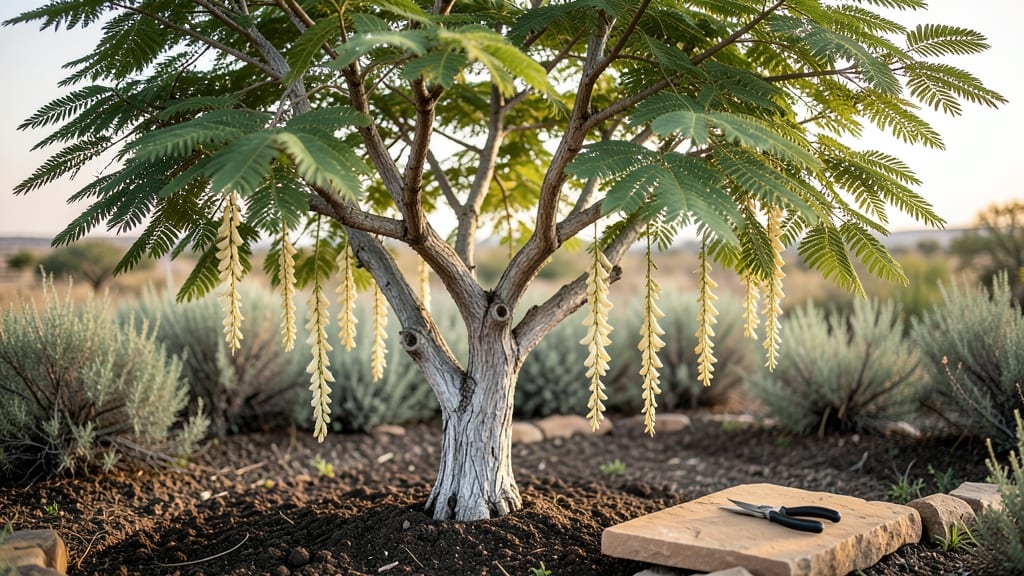
When mesquite tree blossoms transform your landscape into a golden-hued dream, you’ll know you’ve mastered the Pacific Northwest’s most resilient ornamental tree. 🌟 These fragrant, nitrogen-rich blooms aren’t just stunning—they’re a lifeline for pollinators and a conversation starter in any yard.
The secret to coaxing them year-round? Pruning with purpose, not just aesthetics.
Mesquite thrives where others falter—drought, poor soil, even urban pollution won’t stop it. But here’s the catch: prune in late winter (before buds swell) to shape the canopy and encourage dense flowering branches.
Skip this, and you’ll end up with leggy growth and fewer blooms. The right technique turns a tough tree into a showstopper that rewards you with pounds of edible pods by summer.
Imagine your yard buzzing with bees in spring, then blanketed in golden flowers that last well into fall. That’s what happens when you prune to open the center of the tree—air circulates, sunlight reaches inner branches, and blooms multiply.
Even in the Pacific Northwest’s damp winters, mesquite stays vibrant with the right care.
We’ll cover soil tricks (yes, even clay works), watering hacks (less is more), and how to spot pests before they steal your show. By the end, your mesquite won’t just survive—it’ll steal the spotlight every season.
📚 In This Guide
- What you need
- Instructions
- Tips and common mistakes
- Wrapping up and next steps
What you need
- ● Mesquite tree seeds or saplings: Choose Prosopis pubescens (screwbean mesquite) or Prosopis glandulosa (honey mesquite) for PNW suitability. Opt for 1–3-year-old saplings for faster establishment.
- ● Well-draining soil: Mix 50% native PNW soil with 30% coarse sand and 20% compost (mesquite hates soggy roots!).
- ● Mulch: 2–3 inches of gravel or decomposed granite (retains heat and mimics arid conditions).
- ● Drip irrigation system: Low-volume emitters (0.5–1 gallon/hour) to prevent overwatering.
- ● Pruning shears: Bypass pruners (for small branches) and loppers (for thicker limbs). Sterilize with 70% isopropyl alcohol.
- ● Hand saw: Pruning saw with a curved blade for stubborn branches (avoid cheap tools—they dull easily!).
- ● Gloves & long sleeves: Mesquite sap can irritate skin; wear nitrile gloves and lightweight long sleeves.
- ○ Sealing wax: Pruning sealant (optional but helpful for large cuts to prevent disease).
- ● Soil pH tester: Mesquite thrives in slightly alkaline soil (pH 7.0–8.5); adjust with lime if needed.
- ● Tree support stake: 3–4 ft tall for young saplings in windy PNW areas.
- ● Wildlife deterrents: Bird netting if squirrels or birds are snacking on blossoms.
- ● Camera or sketchbook: Capture those pale yellow, fragrant blooms—they’re a sight to behold! 📸
Step-by-step instructions for pruning mesquite trees in the Pacific Northwest
Here’s how to coax those stunning blossoms year-round while keeping your tree healthy.
☀️ Step 1: Time Your Pruning for Blossom Booms
Mesquite trees bloom best when pruned in late winter to early spring—just before new growth begins. In the Pacific Northwest, aim for February to March when temperatures hover around 45-55°F. This timing encourages vigorous spring growth and sets the stage for summer and fall blooms.
If you miss the window, you can still prune lightly in early summer to shape the tree, but avoid heavy cuts. Heavy summer pruning stresses the tree and reduces next year’s blossoms. Watch for the first signs of bud swell—those tiny bumps on branches signal it’s time to start.
✂️ Step 2: Remove Dead or Damaged Branches First
Start by inspecting the tree for dead, diseased, or crossing branches. Use sharp, clean pruning shears to make 45-degree cuts just outside the branch collar—the swollen area where the branch meets the trunk. This prevents unsightly stubs and promotes faster healing.
If a branch is larger than 2 inches in diameter, use a pruning saw instead. Never leave stubs—those invite pests and disease. As you work, step back occasionally to visualize the tree’s shape. You’ll notice how removing deadwood opens up the canopy, letting more light reach the lower branches where blossoms often form.
🌿 Step 3: Thin the Canopy for Better Airflow and Blooms
Mesquite trees thrive with open, airy canopies—this reduces humidity-related diseases and encourages more blossoms. Focus on removing branches that grow inward or rub against others. Aim to reduce the canopy by no more than 25% in one season to avoid shocking the tree.
Look for branches that are too dense—these block sunlight from reaching the inner growth. Thin these out first, starting from the outer edges and working inward. You’ll see new shoots emerge in the spring where light can now reach, and those are prime spots for blossoms to develop.
⏰ Step 4: Shape for Year-Round Interest
To keep your mesquite tree looking its best year-round, prune to maintain an open, rounded shape. Avoid heavy topping—this creates unsightly regrowth and weakens the tree. Instead, prune branches back to a side branch or bud that faces outward.
In the Pacific Northwest’s mild climate, mesquite trees can bloom multiple times a year if given the right care. After the initial spring pruning, do a light maintenance trim in late summer to remove any dead blossom clusters and shape new growth. This keeps the tree tidy and encourages another round of flowers before winter.
💧 Step 5: Post-Pruning Care for Stronger Blooms
After pruning, water the tree deeply to help it recover. Mesquite trees are drought-tolerant once established, but fresh cuts need moisture to heal properly. Apply mulch around the base (but not touching the trunk) to retain soil moisture and regulate temperature.
Fertilize lightly in early spring with a balanced, slow-release fertilizer to support new growth. Avoid heavy feeding—mesquite trees prefer lean soil and can become stressed by too much nitrogen. You’ll notice stronger, healthier branches within a few months, and those will produce more abundant blossoms next season.
Tips & tricks for pruning mesquite trees in the Pacific Northwest
Here's what nobody tells you about getting those spectacular blossoms without stressing your tree.
Timing is Everything: The February-March window isn't just arbitrary—it's when mesquite trees naturally prepare for new growth. In the Pacific Northwest's mild climate, temperatures between 45-55°F create ideal conditions for both pruning and recovery. If you're unsure about timing, check for those tiny bud swells on branches—they're your green light to start. And remember, early summer pruning should be light only; heavy cuts now can delay next year's blossoms.
Cutting Technique Matters: That 45-degree angle isn't just for looks—it's about proper healing. When you make your cuts just outside the branch collar, you're actually helping the tree seal the wound faster. For branches over 2 inches thick, the pruning saw isn't optional—it's essential. I've seen too many people struggle with stubborn branches that end up leaving ugly stubs. And here's a pro move: after each cut, wipe your tools with rubbing alcohol to prevent spreading any potential diseases between branches.
Canopy Science: The 25% reduction rule isn't arbitrary—it's based on how much stress your tree can handle. When you thin from the outer edges inward, you're creating that perfect open structure that lets sunlight reach all those blossom-producing branches. Think of it like giving your tree a spa day—more air circulation means fewer diseases and happier growth. And watch for those new shoots in spring—they're your reward for proper thinning.
Post-Pruning Care: That deep watering isn't just a one-time thing—it's about helping the tree recover from its "surgery." The mulch layer should be about 2-3 inches thick, but remember to keep it away from the trunk. I've seen people make the mistake of piling mulch right against the bark, which can actually cause rot. And while we're on fertilizing, that balanced slow-release formula is key—mesquite trees don't need much, but they do appreciate a little help in early spring.
Pro Tips for Mesquite Tree Blossoms
- Here's what nobody tells you about getting those spectacular blossoms without stressing your tree.
- Timing is Everything: The February-March window isn't just arbitrary—it's when mesquite trees naturally prepare for new growth.
- Cutting Technique Matters: That 45-degree angle isn't just for looks—it's about proper healing.
Frequently asked questions
about mesquite tree blossoms—especially in the Pacific Northwest—can help you troubleshoot, plan, and enjoy their beauty year-round. Here are some common queries:When do mesquite trees bloom in the PNW?
Mesquite trees typically bloom in late spring to early summer (May–July), though timing varies by variety and climate. In the Pacific Northwest’s cooler, wetter conditions, expect blooms slightly later than in desert regions. Pro tip: Monitor local frost dates—late frosts can delay or damage blossoms.
Why aren’t my mesquite blossoms opening?
Several factors can prevent blooming: insufficient sunlight (mesquite thrives in full sun), overwatering (root rot stunts growth), or nutrient deficiencies (apply a balanced fertilizer in early spring). Troubleshoot: Check soil drainage and ensure your tree gets at least 6–8 hours of sunlight daily. If young, be patient—mesquite trees may take 3–5 years to bloom.
Can I harvest mesquite blossoms for honey or tea?
Mesquite blossoms are prized for honey (producing rich, caramel-like sweetness) and herbal teas (steep dried flowers for a floral, slightly sweet brew). Harvest tip: Collect blossoms early in the morning when pollen is highest, and dry them in a well-ventilated area away from direct sunlight.
How do I protect mesquite blossoms from PNW rain or wind?
The Pacific Northwest’s damp conditions can stress blossoms, but mesquite is surprisingly resilient. To help, plant in a slightly elevated spot for drainage, and consider a light row cover (like frost fabric) during heavy rains. Bonus: Wind-pollinated varieties (like honey mesquite) handle gusts better than showy, bee-dependent ones.
Are there mesquite alternatives for cooler climates?
If mesquite struggles in your PNW microclimate, try these drought-tolerant bloomers: toyon (California holly), manzanita, or Pacific dogwood. While they won’t produce edible pods, they offer stunning spring/summer flowers and adapt well to local conditions.
Wrapping up and next steps
From nurturing mesquite tree blossoms to mastering Pacific Northwest-friendly pruning, you’re now equipped to cultivate a stunning, year-round spectacle in your garden! 🌿✨ These resilient trees reward patience with vibrant blooms and lush foliage—perfect for adding texture and charm to your outdoor space. Ready to take the next step?
- 🌱 Start small: If you’re new to mesquite care, begin with a young tree or a cutting to practice pruning techniques.
- 📅 Plan ahead: Mark your calendar for seasonal pruning (late winter or early spring) to keep your tree thriving.
- 🤝 Share the love: Snap photos of your blossoms and tag #PNWMesquiteMagic—inspire others to grow their own!