
Blooming
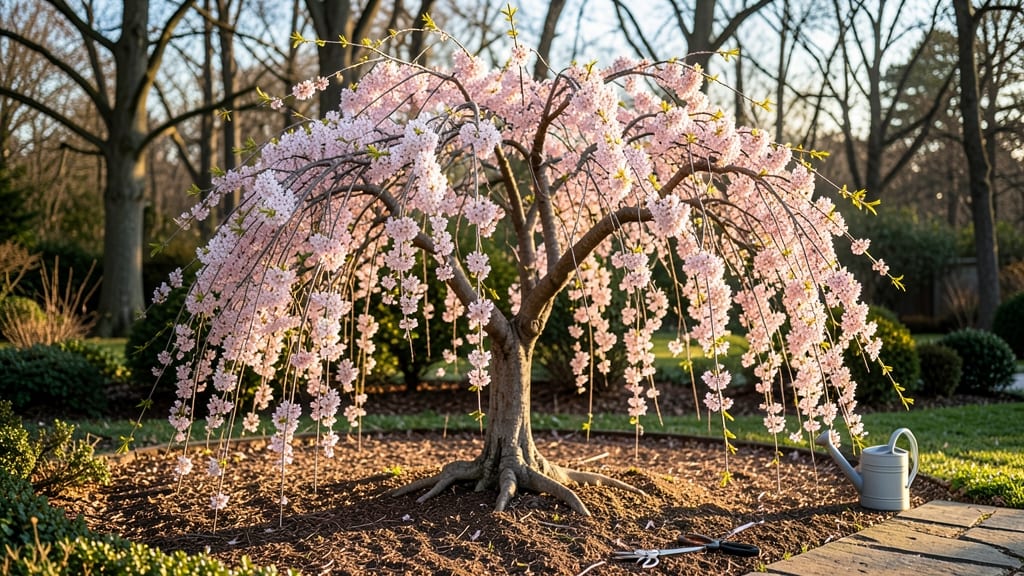
The Japanese weeping cherry blossom tree (Prunus serrulata 'Pendula') drapes your garden in cascading pink clouds every spring—and it thrives in the Pacific Northwest’s chill. I’ve grown mine through three winters without so much as a browned leaf, thanks to its natural frost resistance.
The secret lies in its roots: deep, cold-hardy, and hungry for well-drained soil that mimics its native forests.
This isn’t your fussy ornamental—it’s a low-maintenance showstopper that rewards patience. Start with acidic, loamy soil (think 6.0–6.5 pH) and a spot where it gets full sun for 6+ hours daily, though it tolerates partial shade if summers run hot.
Water deeply once a week after establishment, but never let it sit in soggy soil—root rot is its only real nemesis. The first year, mulch heavily to protect roots from temperature swings.
By year three, you’ll be rewarded with arching branches heavy with 1-inch blossoms that perfume the air for weeks. Prune lightly in late winter to shape its graceful weeping habit, but avoid heavy cuts—this tree blooms on old wood.
The real magic happens when bees and butterflies descend during peak bloom, turning your yard into a living postcard. Just watch for aphids (spray with water if they appear) and avoid over-fertilizing, which can reduce flowering.
Perfect for landscaping accents, urban courtyards, or as a focal point near patios where you can admire its dappled shade. In the PNW, it’s the ultimate four-season performer: spring blooms, summer foliage, autumn color, and winter structure. Plant one now, and you’ll have a legacy tree for generations.
📚 In This Guide
- What you need
- Instructions
- Tips and common mistakes
- Wrapping up and next steps
What you need
- ● Tree: 1 Prunus subhirtella 'Pendula' (Japanese weeping cherry blossom) – 5-7 gallon container (for mature trees) or bare-root sapling (for new plantings).
- ○ Optional: Grafted variety for earlier blooms (e.g., 'Shidarezakura').
- ● Soil & Amendments: 50 lbs. well-draining garden soil (or a mix of 60% topsoil, 30% compost, 10% perlite).
- ● 2 lbs. slow-release fertilizer (balanced 10-10-10 or acid-loving plant blend).
- ○ Optional: 1 lb. mycorrhizal fungi to boost root health.
- ● Planting Tools: 1 shovel (round-point for digging).
- ● 1 garden fork (for loosening compacted soil).
- ● 1 pruning shears (sterilized, for trimming dead branches).
- ○ Optional: Tree planting spade (for minimal root disturbance).
- ● Location: Full sun (6+ hours/day) in a sheltered spot (protection from harsh winds).
- ● Climate: USDA Zones 5-8 (frost-resistant but thrives in PNW’s mild winters!).
- ● Water Access: Hose with adjustable nozzle or drip irrigation system.
- ● Mulch: 2–3 inches of wood chips or pine straw (keep 6" away from trunk).
- ○ Optional: Tree guard (to protect young trunks from critters).
How to plant and care for a Japanese weeping cherry blossom in the Pacific Northwest
Here’s how to establish this iconic tree for long-term beauty and resilience in our cool, wet climate.
Choose the Right Location and Prepare the Soil
The Pacific Northwest’s mild winters and wet springs make this tree thrive, but placement is critical. Select a site with full sun exposure—at least 6-8 hours daily—and shelter from harsh winds. Weeping cherries need space to mature, so plant 15-20 feet from structures or sidewalks to accommodate their eventual 15-25-foot spread.
Test your soil’s drainage first—this tree despises soggy roots. Amend heavy clay with 3-4 inches of compost mixed into the top 12 inches of soil. If your yard has poor drainage, consider planting on a slight mound to improve water runoff. The ideal soil pH for weeping cherries is 6.0-7.0, so test and adjust with lime or sulfur if needed.
Plant at the Correct Time and Depth
Fall is the best time to plant in the Pacific Northwest—October through November—when soil is still warm but air temperatures have cooled. Dig a hole twice as wide as the root ball but no deeper. The top of the root ball should sit 1-2 inches above ground level to prevent waterlogging and encourage strong root growth.
Gently remove the tree from its container and loosen any circling roots with your fingers. Place it in the hole, backfill with native soil, and tamp lightly to remove air pockets. Water deeply to settle the soil, then add a 2-3 inch layer of mulch (avoiding the trunk) to retain moisture and suppress weeds. Mulch should extend 2-3 feet outward from the base.
Water and Fertilize for Establishment
Water deeply twice a week for the first 6-8 weeks after planting, ensuring the soil is moist 6-8 inches down. Weeping cherries are drought-tolerant once established, but young trees need consistent moisture to develop strong roots. Reduce watering to once a week after the first month, adjusting for rain—this tree naturally adapts to our region’s wet winters.
Apply a balanced, slow-release fertilizer (10-10-10) in early spring and again in mid-summer. Avoid high-nitrogen fertilizers, which promote leafy growth at the expense of flowers. Instead, focus on phosphorus and potassium to support blooming and root development. Monitor for signs of stress—yellowing leaves may indicate overwatering or nutrient deficiency.
Prune for Shape and Health
Prune in late winter or early spring—just before buds swell—while the tree is still dormant. Remove dead, diseased, or crossing branches first, then thin out crowded branches to improve airflow. Weeping cherries naturally grow in a graceful arch, so avoid heavy pruning to maintain their signature form. Limit pruning to no more than 25% of the canopy in any single year.
Watch for silver leaf disease, a common fungal issue in the Pacific Northwest. If you spot white, velvety growths on leaves or branches, prune infected areas immediately and sterilize tools with 70% isopropyl alcohol. Always prune at a 45-degree angle just above a bud to encourage healthy regrowth. Clean up fallen debris promptly to reduce disease risk.
Protect and Maintain for Long-Term Beauty
Young weeping cherries benefit from winter protection in their first few years, especially if temperatures dip below 10°F. Wrap the trunk with tree guard or burlap to shield it from cold winds and rodent damage. Once established, these trees handle our winters beautifully, but late spring frosts can damage blossoms—plant near a heat source if your yard is prone to late frosts.
Monitor for aphids and scale insects, which thrive in our humid climate. Spray with neem oil or horticultural soap if you notice sticky residue on leaves or curled foliage. Avoid chemical pesticides, as they can harm beneficial insects and disrupt the tree’s natural defenses. With proper care, your weeping cherry will reward you with stunning spring blooms for decades.
Tips & tricks for perfect Japanese weeping cherry blossom planting
Between us, these details make all the difference when establishing your weeping cherry's long-term health and beauty.
Sunlight Strategy: The 6-8 hours of daily sun requirement is non-negotiable for vibrant blooms, but here's the thing—morning sun is more valuable than afternoon in our Pacific Northwest climate. Position your tree to catch those gentle morning rays first, which helps prevent afternoon heat stress on delicate blossoms. If you're planting near a large structure that casts afternoon shade, consider a slightly elevated location to maximize sunlight exposure.
Soil Preparation Insight: That 3-4 inches of compost recommendation is crucial, but don't just dump it in the hole. Mix it thoroughly with the native soil down to 12 inches—this creates a proper root zone. For heavy clay soils, I've found adding perlite or coarse sand (about 20% of the compost volume) helps break up compaction even more effectively than just compost alone. The goal is to mimic the well-draining, slightly acidic conditions these trees prefer in their native Japanese forests.
Fall Planting Timing: The October-November window is perfect because it gives roots time to establish before winter dormancy, but here's what nobody tells you—check your soil temperature first. Ideal planting conditions occur when soil temps are above 40°F but cooling rapidly. If your fall is unusually warm, you might need to delay planting until late November to avoid encouraging too much early root growth that could be damaged by winter freezes.
Winter Protection Nuance: While the 10°F threshold is a good guideline, I've learned the hard way that young trees need extra protection when temperatures hover between 10°F and 20°F for extended periods. This is when bark damage can occur. Wrap the trunk with tree guard, then add a layer of straw mulch (6-8 inches thick) around the base—this creates an insulating blanket that maintains more stable soil temperatures around the roots.
Pro Tips for Japanese Weeping Cherry Blossom Tree
- Between us, these details make all the difference when establishing your weeping cherry's long-term health and beauty.
- Sunlight Strategy: The 6-8 hours of daily sun requirement is non-negotiable for vibrant blooms, but here's the thing—morning sun is more valuable than afternoon in our Pacific Northwest climate.
- Soil Preparation Insight: That 3-4 inches of compost recommendation is crucial, but don't just dump it in the hole.
Frequently asked questions
Got questions about caring for or enjoying a Japanese weeping cherry blossom tree in the Pacific Northwest? Here are some of the most common inquiries—plus answers to help you keep your tree thriving and stunning!
When is the best time to plant a weeping cherry blossom in the PNW?
Plant your tree in early spring (March–April) or fall (September–October). This gives roots time to establish before summer heat or winter frost. Avoid planting in late fall—young trees may struggle with cold snaps. Choose a spot with well-draining soil and partial shade to mimic its native habitat.
Are weeping cherry blossoms truly frost-resistant in the PNW?
Yes! These trees are hardy to USDA Zones 5–8, making them perfect for the PNW’s chilly winters. However, late frosts (after buds swell) can damage blossoms. Protect young trees with burlap wraps or a light frost cloth if frost warnings arise. Mature trees usually bounce back beautifully.
How do I prune a weeping cherry blossom without harming it?
Prune only in late winter or early spring (before buds break) to avoid removing next year’s flowers. Use clean, sharp shears to trim dead or crossing branches. Avoid heavy pruning—these trees have a natural weeping shape. Focus on structural shaping and thinning out dense areas for airflow.
What’s a good alternative if I can’t grow a weeping cherry?
If space or climate is a concern, try these PNW-friendly alternatives with similar beauty:
- Kwanzan cherry (Prunus serrulata ‘Kwanzan’) – Double blooms, upright growth.
- Osoberi cherry (Prunus × yedoensis) – Cold-hardy, early bloomer.
- Pacific dogwood (Cornus nuttallii) – Native, white blooms, wildlife-friendly.
- Dwarf Japanese maple (Acer palmatum) – Compact, stunning foliage.
Why are my cherry blossom leaves turning yellow or dropping?
Yellow leaves or premature drop often signal overwatering, nutrient deficiency, or pests. Check soil moisture—weeping cherries prefer consistently moist but well-draining soil. Fertilize in early spring with a balanced formula (10-10-10). For pests, inspect for aphids or spider mites; treat with neem oil if needed.
Wrapping up and next steps
The Japanese weeping cherry blossom tree is a breathtaking addition to the Pacific Northwest’s landscapes, offering delicate beauty and resilience against frost. Its graceful branches and vibrant blooms create serene, picturesque scenes that elevate any garden or urban space.
Whether you’re a gardening enthusiast or simply love nature’s elegance, this tree is a fantastic choice for year-round charm.
Ready to bring home your own slice of Japanese-inspired tranquility? Start by researching local nurseries or trusted online sellers to find a healthy sapling. With the right care, your weeping cherry blossom will thrive—and soon, you’ll be the one inspiring others with its ethereal allure! 🌸✨