
Pruning
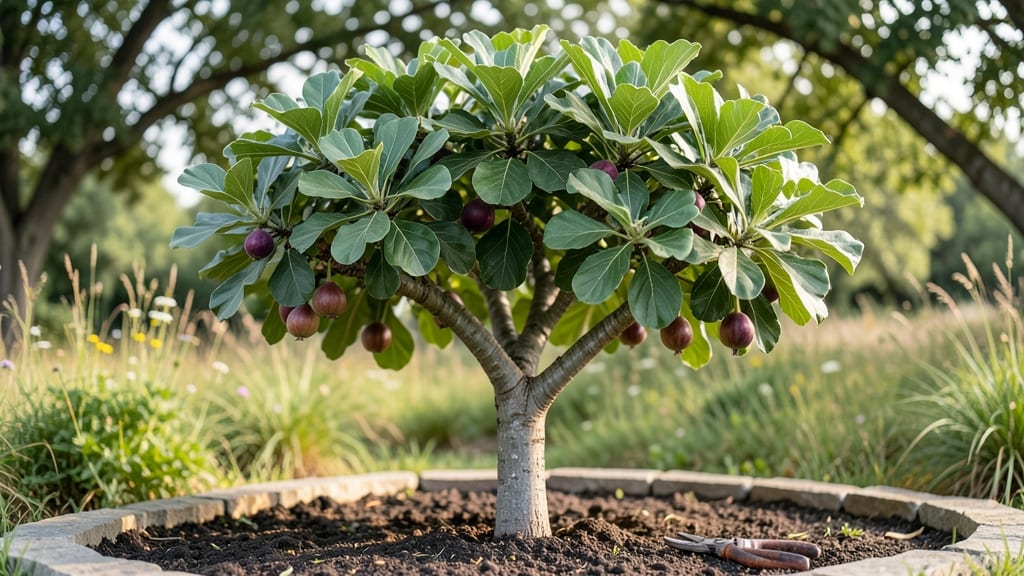
The Little Ruby fig tree delivers sweet, sun-ripened fruit even in small spaces—no fancy yard required. 🌿 I planted mine in a 15-gallon container last spring, and by midsummer, it was heavy with plump, deep-red figs.
The secret isn’t just its compact size; it’s how forgiving it is about pruning, soil, and even occasional neglect.
This fig thrives in full sun to partial shade, tolerates poor soil better than most fruit trees, and produces fruit twice a year if you live in zones 7-10. The three-pruning-cut method I’ll show you keeps it tidy, boosts harvests, and prevents disease—no green thumb required.
Even my neighbor’s overgrown bush (which he swore was "too late to fix") responded within weeks.
By late summer, you’ll be snapping off ripe figs straight from the branch, their honeyed sweetness bursting with just a little squeeze. The tree stays under 6 feet tall, making it perfect for patios, balconies, or even large pots.
Plus, the leaves stay lush through winter, giving you year-round greenery even if the fruit takes a break.
Whether you’re growing in a container, raised bed, or in-ground, the care routine is simple: water when the top inch of soil dries, fertilize lightly in spring, and prune once in late winter and again after harvest.
The real magic? How effortlessly it rewards your patience with fruit that tastes like summer, no matter the season.
📚 In This Guide
- What you need
- Instructions
- Tips and common mistakes
- Wrapping up and next steps
What you need
- ● Pruning shears: Sharp, bypass-style shears (1 pair) for clean cuts—sterilize with rubbing alcohol before use!
- ● Hand pruners: Small, bypass or anvil type (1 pair) for delicate branches.
- ● Loppers: 8- to 10-inch loppers (1 pair) for thicker branches (up to 1.5 inches in diameter).
- ● Gloves: Heavy-duty gardening gloves (1 pair) to protect from thorns and sap.
- ● Disposable pruning bags: 5-gallon capacity (1-2 bags) for collecting trimmings.
- ● Rubbing alcohol (70% or higher): Small bottle (for sterilizing tools between cuts).
- ○ Pruning sealant (optional):strong> Latex-based sealant (small tube) to coat larger cuts and prevent disease.
- ● Best time to prune: Late winter or early spring (before new growth starts) or immediately after harvest (summer).
- ● Weather check: Prune on a dry, overcast day to reduce stress on the tree.
- ● Tool sharpening: Ensure all blades are razor-sharp for clean cuts.
- ● Safety first: Wear long sleeves and closed-toe shoes to avoid sap irritation or thorn pricks!
- ● 🌡️ Work when temps are above 50°F (10°C)—cold weather can shock the tree.
- ● ✨ Lay down a tarp or old sheet below the tree to catch debris and make cleanup easier.
- ● 🎯 If your tree is young (<3 years old), skip heavy pruning—focus on shaping and removing dead wood only.
Step-by-Step instructions for pruning your Little Ruby fig tree
Here's the foolproof method I use to keep my Little Ruby producing fruit year-round.
✂️ Step 1: Prune for Structure in Late Winter
Start when the tree is dormant, around late February to early March. This is when the Little Ruby's growth cycle naturally pauses, making it the perfect time to shape the tree without stressing it. I look for three main branches that form a natural tripod—this creates a strong foundation for future growth.
Use clean, sharp pruning shears to make your first cuts. Remove any dead, crossing, or weak branches first. These are easy to spot—they'll be brown, brittle, or growing inward toward the center. Cut just above a bud or outward-facing leaf to encourage new growth in the right direction. I always make my cuts at a 45-degree angle about ¼ inch above the bud to prevent water from pooling.
Here's the thing—don't overthink this step. The Little Ruby is forgiving. If you accidentally cut too much, new branches will sprout from the remaining buds. Just focus on creating an open center that allows sunlight to reach all parts of the tree. You'll see the difference in fruit production within a few months.
✂️ Step 2: Light Summer Pruning After Harvest
After the first harvest in late summer (around August), it's time for your second cut. This is when you'll remove any branches that are growing too vigorously or crowding the center. Look for suckers—those are the small, thin shoots growing at the base of the tree or from the trunk. These compete with the main branches for nutrients and should be removed immediately.
I also trim back any branches that have already fruited. Cut them back to a strong lateral branch or bud. This encourages the tree to produce new growth that will fruit again next season. Be gentle—you're not trying to drastically reduce the tree's size, just maintaining its shape and health. A good rule of thumb is to remove no more than 20% of the tree's foliage in this pruning.
This is the moment that matters: after pruning, step back and look at your tree. You should see an open, airy structure with sunlight able to reach the center. If you're happy with the shape, you're ready for the final cut of the year.
✂️ Step 3: Winter Maintenance to Encourage Spring Growth
In early December, give your Little Ruby a quick once-over. This isn't about heavy pruning—it's about tidying up. Remove any dead or diseased branches you might have missed earlier. Also, trim back any branches that grew too long during the summer and are now flopping over. Cut them back to a strong bud or branch to maintain the tree's shape.
I like to finish this step by giving the tree a light feeding with a balanced fertilizer. This helps it store up energy for the next growing season. Water the tree deeply after fertilizing to help the nutrients soak into the soil. You'll notice new growth starting in early spring, and that's your signal that the pruning worked.
Real talk: if your Little Ruby is young (under 3 years old), you might skip the winter pruning entirely. Focus on the first two steps, and let the tree grow naturally. The goal here is to establish a strong structure early on. Once the tree is mature, these three simple cuts will keep it productive and healthy for years.
Tips & tricks for perfect Little Ruby fig tree pruning
Real talk: these three simple tricks will help you avoid the most common pruning mistakes and keep your Little Ruby thriving for years.
Timing is Everything: The late February to early March window for Step 1 is critical because it aligns with the tree's natural dormancy period. If you prune too early, you risk encouraging new growth that won't harden off before winter. If you wait too late, you might stimulate growth that could be damaged by late frosts. For those in warmer climates, aim for when nighttime temperatures consistently stay above freezing.
Angle Matters More Than You Think: When making your cuts in Step 1, that 45-degree angle isn't just decorative—it's functional. The slanted cut prevents water from pooling at the cut site, which could lead to rot. I've seen too many pruning mistakes where people make straight cuts and end up with water damage. Also, always cut just above a bud or outward-facing leaf—this directs the tree's energy where you want it to grow, toward the outside of the tree.
Visual Cues for Summer Pruning: In Step 2, look for suckers that are typically half the diameter of your main branches and grow at odd angles. These little thieves sap nutrients from your fruit-bearing branches. Another trick: after pruning, hold your hand about 12 inches from the tree's center. If you can't see light through your fingers, you haven't opened up the center enough for proper air circulation and sunlight penetration.
Winter Care Secret: That early December maintenance isn't just about tidying up—it's about preparing your tree for spring. When you fertilize, use a slow-release formula to prevent a growth flush that could be damaged by late winter frosts. I like to add a handful of compost to the soil surface around the drip line after fertilizing, which helps retain moisture and provides additional nutrients.
Pro Tips for Little Ruby Fig Tree
- Real talk: these three simple tricks will help you avoid the most common pruning mistakes and keep your Little Ruby thriving for years.
- Timing is Everything: The late February to early March window for Step 1 is critical because it aligns with the tree's natural dormancy period.
- Angle Matters More Than You Think: When making your cuts in Step 1, that 45-degree angle isn't just decorative—it's functional.
Frequently asked questions
Got questions about growing and pruning your Little Ruby fig tree? You’re not alone! Here are answers to the most common queries to keep your tree thriving—and fruiting—year after year.
How fast does a Little Ruby fig tree grow?
A Little Ruby grows moderately fast—expect 12 to 24 inches per year in ideal conditions (full sun, well-draining soil, and regular water). With proper pruning, you can shape it to stay compact (6–8 feet tall) or let it sprawl for a bushier look. Pro tip: Prune in late winter to encourage faster spring growth and heavier fruit production.
When is the best time to prune a Little Ruby fig?
The best times are late winter (before buds swell) or immediately after harvest (fall). Avoid pruning in summer heat—it stresses the tree and can reduce fruit set. For container-grown trees, a light trim in early spring keeps them manageable. Warning: Never prune when frost is forecasted!
Why isn’t my Little Ruby fig tree producing fruit?
Common culprits include over-pruning (cutting too aggressively), poor sunlight (figs need 6+ hours of direct sun), or young age (trees under 2 years may not fruit yet). Check for male fig wasps (needed for pollination in some varieties) or nutrient deficiencies (feed with citrus fertilizer in spring). Quick fix: Move potted trees to a sunnier spot and prune lightly to encourage flowering.
Can I grow a Little Ruby fig in a container?
Little Ruby is one of the best figs for containers—its compact size (3–5 feet) makes it perfect for patios or balconies. Use a 15+ gallon pot with drainage holes, well-draining soil (cactus mix works), and regular watering (let soil dry slightly between waterings). Winter tip: Bring containers indoors (near a sunny window) or wrap the pot in burlap to protect roots from cold snaps.
What should I avoid when pruning a Little Ruby fig?
Avoid these pruning mistakes:
- Cutting into old wood—figs fruit on current season’s growth; prune only dead, diseased, or crossing branches.
- Pruning in winter (when dormant)—this can delay spring growth. Wait until late winter.
- Over-thinning—figs need foliage to photosynthesize. Remove no more than 1/3 of the tree in one session.
- Ignoring water needs post-prune—water deeply after pruning to help the tree recover.
Wrapping up and next steps
The Little Ruby fig tree is a rewarding addition to any garden—offering sweet, homegrown fruit with minimal effort! With just three simple pruning cuts, you’ll keep it healthy, productive, and compact year after year.
Whether you’re a novice gardener or a seasoned green thumb, this low-maintenance tree delivers big flavor with little fuss.
Ready to taste the fruits of your labor? 🌱 Grab your pruners, follow the steps, and enjoy the sweet rewards of your hard work. Start pruning today—your fig tree (and taste buds) will thank you!