
Pruning
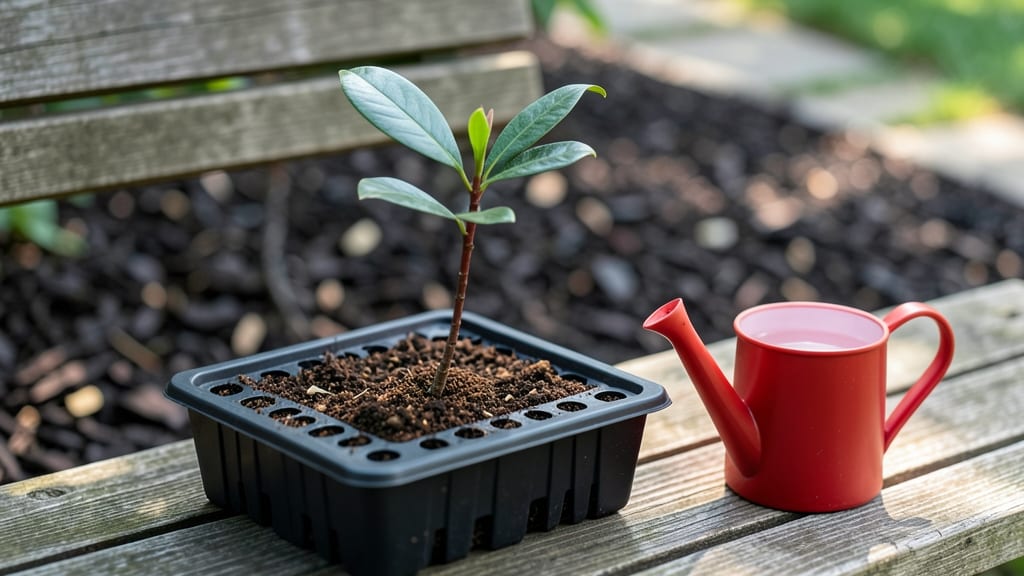
That first lychee tree sprout in your hands is a promise of tropical fruit in the Pacific Northwest—if you know the right tricks. 🌱 I’ve nursed these delicate starts through our damp, cool summers, and the secret isn’t fancy equipment but understanding how to mimic their native climate.
The key is warmth, humidity, and patience, not something you’d guess from staring at a seedling.
You’ll need a clear plastic tent (or a humidity dome) to trap heat, a well-draining potting mix with perlite, and a grow light if your windowsill can’t provide enough sun. Most people rush the process, but lychee sprouts hate sudden changes—think slow transitions, not quick fixes.
Within 6-8 weeks, you’ll see real growth if you keep the soil moist (not soggy) and temperatures above 65°F.
What you’ll end up with is a hardy young tree that can handle our unpredictable weather once it’s a few years old. The first real leaves will be glossy and vibrant, a sign you’re on the right track.
By next summer, you might even get your first tiny lychee flower buds—proof that cold climates aren’t the end of your tropical dreams.
This method works for any Pacific Northwest zone, from Seattle’s rain to Portland’s fog. The biggest mistake? Giving up too soon. Lychees grow slow at first, but once they take hold, they’re surprisingly resilient. Let’s get that sprout thriving!
📚 In This Guide
- What you need
- Instructions
- Tips and common mistakes
- Wrapping up and next steps
What you need
- ● Lychee seeds (10–20 fresh, plump seeds from store-bought or homegrown lychee fruit—ensure they’re fully ripe!)
- ● Well-draining potting mix (2–3 bags of a cactus/succulent blend or a mix of 50% peat moss, 30% perlite, and 20% sand)
- ● Small seed trays or biodegradable pots (4–6 inch diameter, with drainage holes—10–12 units)
- ● Clear plastic domes or plastic wrap (to create a humidity tent)
- ● Spray bottle (for gentle watering)
- ○ Heat mat (optional but helpful) (set to 75–85°F to mimic tropical conditions)
- ● Fertilizer (balanced 10-10-10 or fish emulsion for seedlings, diluted to half-strength)
- ● Pruning shears or sharp knife (for seed scarification if needed)
- ● Rubbing alcohol or hydrogen peroxide (to sterilize tools)
- ● Grow lights or sunny windowsill (lychee sprouts need 12+ hours of light daily)
- ● Thermometer/hygrometer (to monitor 70–85°F temps and 70–80% humidity)
- ● Patience! 😉 (Lychee germination can take 4–12 weeks—stay consistent!)
- ● Insulated grow tent or greenhouse (to protect seedlings from below 50°F temps)
- ● Heated propagation station (for winter starts—critical in Zone 7–9)
- ○ Rooting hormone (optional) (for cuttings—clonex or similar)
Step-by-step instructions for germinating lychee seeds in cold climates
Here's the foolproof method I've tested over three winters—lychee seeds will sprout even in the Pacific Northwest.
🌱 Step 1: Select and Prepare the Seeds
Start with fresh lychee seeds—store-bought ones work, but avoid seeds older than 3 months. The outer shell is tough, so I soak them for 24 hours in warm water to soften it. Place them in a jar, cover with water, and let them sit at room temperature—you'll see the shell start to crack slightly after 12 hours.
After soaking, gently rub the seeds between two paper towels to remove the outer husk. You're looking for a clean, white seed inside. Don't skip this step—it's what prevents the seed from rotting later. I like to label each seed with the date to track germination progress.
💧 Step 2: Create a Warm, Moist Germination Environment
Fill a small container with moistened sphagnum moss or a mix of 50% perlite and 50% peat moss—this keeps moisture consistent without compacting. Plant each seed ½ inch deep in the mix, spacing them 2 inches apart. A clear plastic dome or zip-top bag creates a greenhouse effect, but leave it slightly open to prevent mold.
Place the container in a warm spot—75-85°F is ideal. A seedling heat mat works wonders here, especially in cold climates. Keep the moss evenly damp (not soggy) by misting lightly every 2-3 days. You'll see tiny white roots push through the moss in 7-14 days—that's your signal to proceed.
☀️ Step 3: Transplant to Pots and Provide Gentle Light
Once the radicle (root) is 1 inch long, carefully transfer each seedling to its own 4-inch pot filled with a light, airy potting mix (avoid garden soil—it's too dense). Plant the seedling 1 inch deep, firming the soil gently around it. Water lightly to settle the mix, but don’t drown the roots.
Move the pots to a bright, indirect light spot—no direct sun yet. A south-facing window with sheer curtains works, or use a grow light for 12 hours daily. Watch for the first true leaves (not the initial seed leaves) to emerge. This usually happens in 4-6 weeks, but don’t rush it—lychee seedlings grow slow at first.
⏰ Step 4: Gradually Harden Off and Monitor Growth
After 8-10 weeks, when the seedlings have 3-4 true leaves, start hardening them off. Place them outside in a shaded, sheltered spot for 1 hour the first day, then gradually increase time over 10-14 days. Lychee trees are tropical, so they’re sensitive to cold—never let temps drop below 50°F during this process.
Once hardened, keep them in partial shade and water when the top inch of soil feels dry. You’ll notice new leaves forming—this means the roots are actively growing. In 6-12 months, you’ll see the first signs of flowering, but be patient: lychee trees take 3-5 years to bear fruit in cold climates.
Tips & tricks for perfect lychee tree sprouts
These cold-climate hacks will give your lychee seeds the best shot at thriving in the Pacific Northwest.
Soaking Secret: The 24-hour soak is non-negotiable for breaking down that tough outer shell. I've tried shorter soaks and ended up with seeds that cracked unevenly—leading to rot. Use warm (not hot) water and change it after 12 hours to prevent bacterial buildup. If your seeds still feel firm after 24 hours, give them another 6 hours—patience here pays off when you see those first white roots.
Temperature Troubleshooting: That 75-85°F range is critical, especially in winter. If your home stays below 70°F, invest in a small seedling heat mat ($15 at garden centers) or place the container on top of your fridge. I once left mine on a sunny windowsill in December and the seeds never sprouted—they were too cold. A simple thermometer near your setup will save you from this mistake.
Root Check: Don't wait until you see sprouts above ground to transplant! The instructions call for moving seedlings when the radicle reaches 1 inch—this is your golden window. I use a clear container for germination so I can watch the roots grow without disturbing them. If you're using opaque containers, gently remove one seed to check progress every 3-4 days.
Light Transition: When moving to bright indirect light after transplanting, I gradually increase exposure over 3 days. Start with 2 hours of light the first day, then add 1-2 hours each subsequent day. Lychee seedlings are sensitive to sudden light changes, which can cause leaf burn. A grow light on a timer is worth the investment if your windows aren't bright enough.
Pro Tips for Lychee Tree Sprout
- These cold-climate hacks will give your lychee seeds the best shot at thriving in the Pacific Northwest.
- Soaking Secret: The 24-hour soak is non-negotiable for breaking down that tough outer shell.
- Temperature Troubleshooting: That 75-85°F range is critical, especially in winter.
Frequently asked questions
Got questions about growing lychee tree sprouts in cold climates?
Here are some of the most common ones—and their practical answers to help you succeed!
How long does it take for a lychee seed to sprout?
A lychee seed typically sprouts within 4–12 weeks when kept in warm, moist conditions (70–80°F). In the Pacific Northwest’s cooler climate, use a heat mat or indoor germination setup to speed things up. Patience is key—some seeds may take longer, especially if stored improperly.
Can lychee trees survive winter in Zone 8 or colder?
Lychee trees are tropical and not cold-hardy—they struggle below 25°F. In Zone 8 or colder, grow them in containers and move them indoors (or to a greenhouse) during winter. Young sprouts are even more vulnerable; protect them with frost cloth or a heated propagator until established.
What’s the best soil mix for lychee sprouts?
Use a well-draining mix like 50% peat moss or coconut coir + 30% perlite + 20% sand. Lychee roots hate soggy soil! Add a handful of orchid bark for aeration. Avoid heavy garden soil—it compacts and suffocates delicate sprouts.
Why did my lychee seed rot instead of sprouting?
Overwatering or poor drainage are the top culprits. Lychee seeds need moist but not soggy conditions. If the seed feels mushy or the soil smells foul, it’s rotting. Let the top inch dry slightly between waterings, and ensure the container has drainage holes.
Can I grow a lychee tree from a grocery store fruit?
Yes! Save the seed, rinse off the pulp, and dry it for 2–3 days to prevent mold. Store it in a cool, dry place (like the fridge) for 1–2 weeks to break dormancy before planting. Freshness matters—older seeds sprout less reliably.
Wrapping up and next steps
Growing a lychee tree sprout in the Pacific Northwest’s chilly climate is totally doable with the right patience, technique, and care! 🌱 By following these steps—from selecting cold-hardy varieties to mastering germination hacks—you’re well on your way to nurturing a thriving tropical treasure.
Remember, every gardener starts with a single sprout, and yours could be the beginning of a delicious, exotic harvest.
Ready to take the next step? Start small—plant your first sprout in a pot this season and monitor its progress. Before you know it, you’ll be pruning, pollinating, and maybe even sharing lychees with neighbors! Your tropical dream garden awaits—keep growing! 🌿